Side-by-Side IQ Profile: Basenji vs. Otterhound
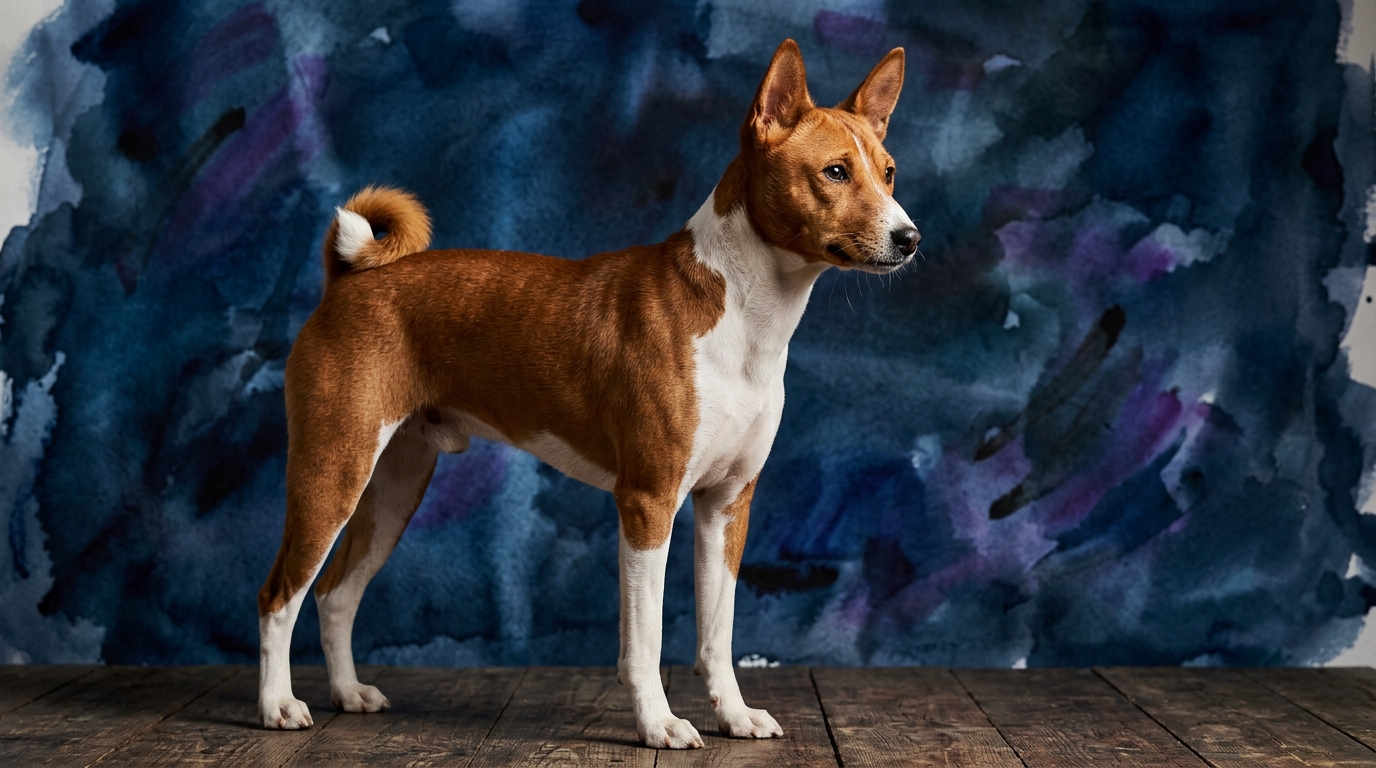
At The Cosmic Pet Pet IQ Lab, we dissect canine cognition across five crucial dimensions. For the Basenji, ranked #78 by Coren, its Problem Solving scores a formidable 5/5, indicating an exceptional capacity for independent thought and ingenious solutions. However, its Training Speed registers a challenging 1/5, demanding immense patience from any trainer. Social Intelligence is a moderate 3/5, suggesting an understanding of cues but often prioritizing its own agenda, while Instinctive Drive is a powerful 5/5, heavily influencing its behavior with primal urges. Its Memory stands strong at 4/5, ensuring it retains experiences and learned pathways effectively.
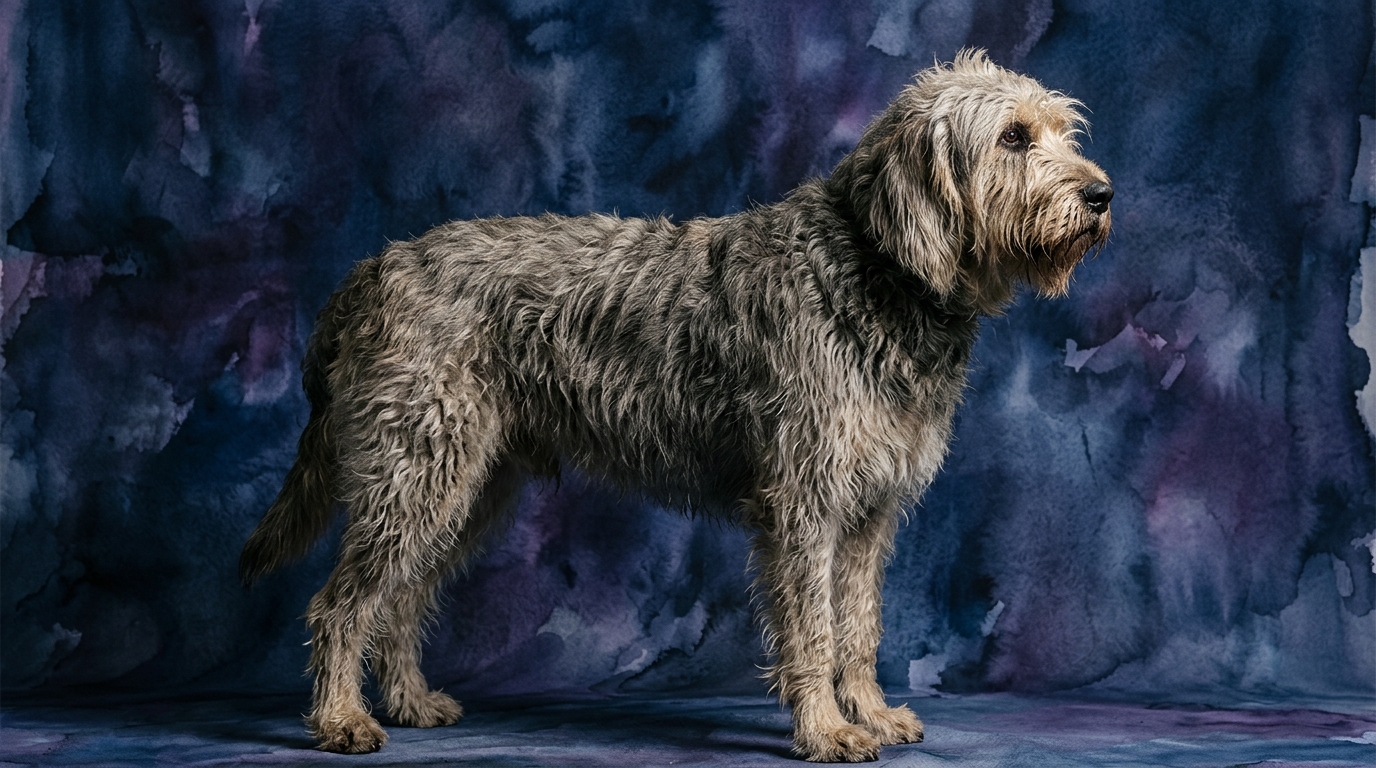
The Otterhound, though not Coren-ranked, presents a more balanced, albeit different, cognitive landscape. Its Problem Solving ability is a respectable 3/5, capable of navigating moderate challenges through persistence rather than overt cunning. Training Speed is an average 3/5, making it more amenable to instruction than its Basenji counterpart. Social Intelligence matches the Basenji at 3/5, indicating a reasonable grasp of group dynamics. Instinctive Drive is also a 3/5, primarily focused on scent work but not overwhelmingly so, and its Memory is a solid 3/5, allowing for reliable retention of routines and commands.
Where the Basenji Wins Cognitively
The Basenji's undisputed cognitive strength lies in its Problem Solving, scoring a perfect 5/5 against the Otterhound's 3/5. This isn't just about general smarts; it's about an innate ability to independently analyze situations, devise novel strategies, and execute complex plans to achieve desired outcomes. Basenjis are the canine 'Houdinis,' figuring out how to open latches, scale fences, or manipulate objects to get what they want. This mental agility translates into a dog that is constantly assessing its environment for opportunities and challenges, making them incredibly resourceful.
Another area where the Basenji's cognitive profile 'wins,' albeit with a caveat for owners, is its Instinctive Drive, rated 5/5 compared to the Otterhound's 3/5. This intense drive, often manifested as a powerful prey instinct and an insatiable curiosity, means the Basenji is singularly focused and exceptionally efficient when pursuing its primal urges. While challenging in a domestic setting, this heightened drive is a testament to their cognitive wiring for independent survival and action. Their superior Memory (4/5 versus 3/5) further enhances this, allowing them to recall successful strategies, escape routes, and locations of interest with remarkable accuracy, contributing to their reputation for independent exploration and self-sufficiency.
Where the Otterhound Wins Cognitively
The Otterhound's primary cognitive advantage, particularly for potential owners, is its Training Speed, scoring 3/5 compared to the Basenji's challenging 1/5. This moderate pace means Otterhounds are significantly more responsive to instruction and more likely to form associations between commands and actions. While not a rapid learner, their willingness to engage in the training process and their capacity for consistent progress make them a more rewarding experience for many trainers, reducing frustration and fostering a cooperative bond.
While both breeds score 3/5 in Social Intelligence, the Otterhound's manifestation of this trait, combined with its average training speed, positions it for more harmonious domestic integration. Otterhounds are generally more amiable and less aloof, often displaying a genuine desire to be part of the family unit and respond to social cues in a cooperative manner. Their cognitive makeup leans towards being a congenial companion rather than the Basenji's more independent and often strategic social interactions. Furthermore, the Otterhound's more balanced Instinctive Drive (3/5 vs. Basenji's 5/5) is a cognitive win in a practical sense. Their scent drive is strong enough to be engaging and fulfilling for them, yet it's typically not so overwhelming that it constantly overrides human direction, allowing for a more manageable and predictable companion in various settings.
Ease of Training: A Tale of Two Hounds
When it comes to ease of training, the Otterhound clearly surpasses the Basenji. The Otterhound’s 3/5 Training Speed indicates a dog that, with consistent and patient methods, will learn and retain commands at an average rate. Their generally good-natured temperament and moderate social intelligence mean they are typically more inclined to cooperate with their human companions. While their scent drive can be a distraction, it is often manageable and can even be incorporated into engaging training activities, making the process a collaborative effort.
The Basenji, on the other hand, presents a formidable training challenge with its 1/5 Training Speed. This isn't a reflection of a lack of problem-solving ability; rather, it's a testament to their profound independence and discerning nature. Basenjis often perceive commands as suggestions and will only comply if they see an immediate benefit or if the training makes it seem like their own idea. Their exceptional problem-solving skills are frequently applied to circumventing rules or finding ways to achieve their own objectives, requiring trainers to be exceptionally clever, consistent, and patient, employing highly motivating rewards and making training feel like a game they are winning. Behavioral differences like their innate tendency to be aloof and their powerful instinctive drive contribute to a cognitive profile that resists traditional obedience without significant adaptation from the trainer.
Matching Cognitive Profiles to Lifestyles: Active vs. Relaxed Owners
Neither the Basenji nor the Otterhound is truly suited for a relaxed, sedentary owner, but their specific needs diverge significantly. The Basenji, with its 5/5 Problem Solving and 5/5 Instinctive Drive, demands an exceptionally active and mentally stimulating environment. Owners must be prepared for a dog that will constantly seek out engagement, often devising its own 'projects' if not sufficiently occupied. This means extensive physical exercise, secure outdoor spaces to prevent escapes, and a commitment to brain games and puzzle toys. They thrive with owners who enjoy structured activities, agility, or lure coursing, and who appreciate a companion that requires constant intellectual engagement and management of its independent spirit.
The Otterhound, while scoring lower on instinctive drive (3/5), is still a robust and energetic hound bred for endurance. Their primary drive is scent-based, meaning they require regular, vigorous exercise that allows them to use their nose, such as long walks, hikes, or scent work. They are well-suited for active families or individuals who enjoy spending significant time outdoors and can provide opportunities for their dog to explore. While their training speed is average, their size and energy level mean they are not content with minimal activity. Owners must be prepared to integrate their Otterhound into an active lifestyle, providing both physical exertion and moderate mental challenges to keep them content and prevent boredom-induced behaviors.
The Verdict
Opt for a Basenji if you are an experienced, patient owner who relishes a cognitive challenge, appreciates profound independence, and can dedicate significant time to creative problem-solving and managing a dog with an unparalleled zest for life and an active mind.
Select an Otterhound if you seek a large, good-natured, and moderately trainable companion for an active household, valuing their amiable social intelligence and willingness to engage in shared outdoor adventures, provided you can accommodate their scent-driven curiosity.
🧠 Find Your Pet's IQ Score
Our Pet IQ Lab assessment covers 25+ tests across 5 cognitive dimensions — personalized to your breed.
Take the Full IQ Test →Frequently Asked Questions
Are Basenjis untrainable due to their low training speed score?
No, Basenjis are not untrainable, but they are exceptionally challenging. Their 1/5 training speed indicates they learn commands slowly and often choose not to comply, requiring immense patience, consistent positive reinforcement, and a deep understanding of their independent motivations to achieve results.
Does the Otterhound's moderate instinctive drive make it less active than a Basenji?
The Otterhound's 3/5 instinctive drive, while lower than the Basenji's 5/5, still means they are an active breed. Their drive is primarily scent-based, requiring regular, vigorous exercise and opportunities to use their nose, which translates to sustained physical activity rather than the Basenji's intense, often mischievous, mental and physical bursts.
How does social intelligence differ between these two breeds despite both scoring 3/5?
While both score 3/5, the manifestation differs. The Basenji's social intelligence is often geared towards understanding human behavior to achieve its own ends, leading to aloofness or strategic compliance. The Otterhound's 3/5 social intelligence, combined with its average training speed, leans more towards amiable cooperation within a family unit, making them generally more responsive and less independent in social contexts.