Side-by-Side Cognitive Profiles
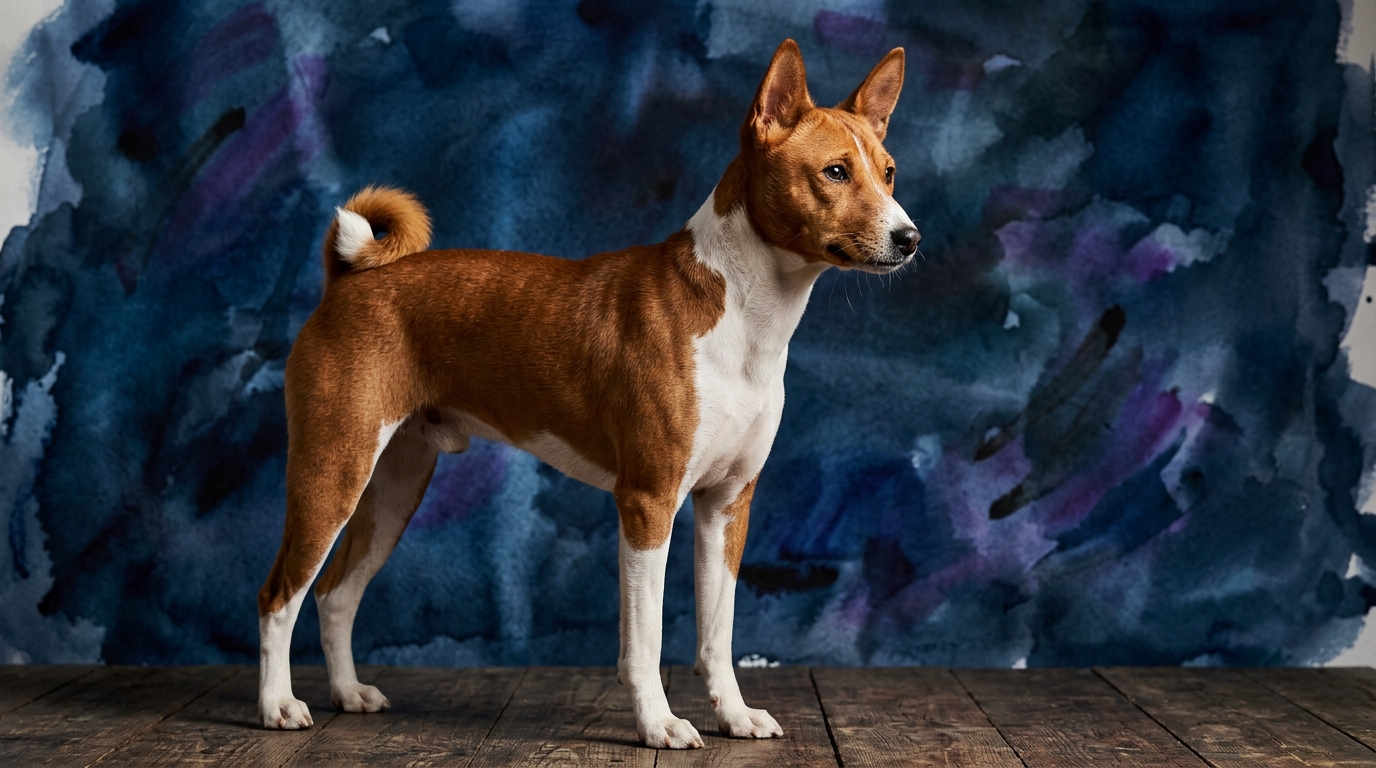
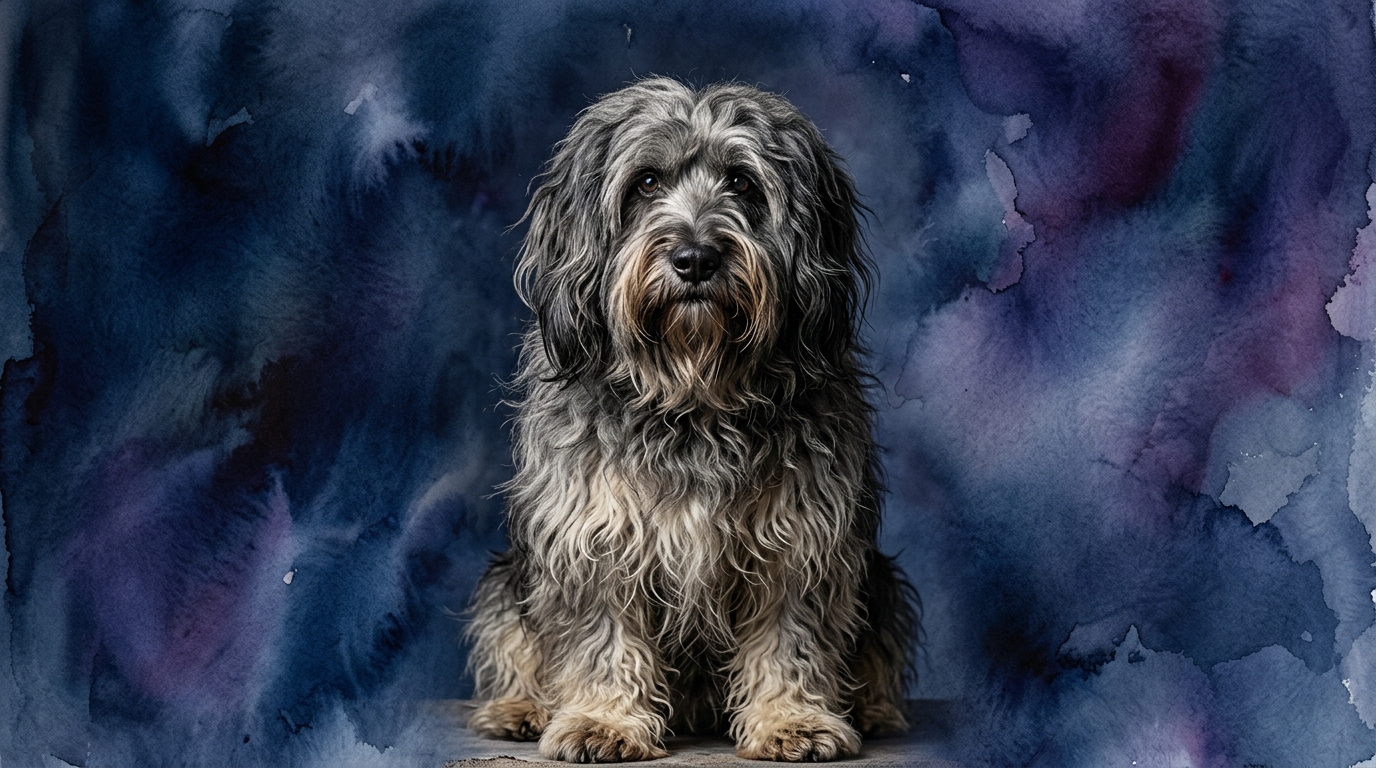
In The Cosmic Pet Pet IQ Lab, we evaluate canine intelligence across five key dimensions to provide a comprehensive understanding of each breed's unique mental landscape. For the Basenji, we observe a profile marked by exceptional independence and strong primal drives, while the Polish Lowland Sheepdog (PON) presents a more balanced and cooperative cognitive blueprint.
The Basenji's Problem Solving ability scores a perfect 5/5, indicating an exceptional aptitude for independent thought and devising clever strategies to achieve their desires, whether it's opening latches, bypassing barriers, or accessing forbidden treats. This high score reflects a profound ability to analyze situations and formulate solutions without direct human instruction, often resulting in surprising displays of ingenuity. However, their Training Speed is a challenging 1/5; despite their keen intellect, Basenjis are notoriously difficult to train in a conventional sense because they quickly grasp what is being asked but possess a strong independent will, often choosing whether or not to comply. Their Social Intelligence is rated 3/5, meaning they form deep, often singular bonds with primary human companions but tend to be reserved, even aloof, with strangers. An Instinctive Drive of 5/5 vividly expresses their ancient hound heritage with a powerful prey drive and an inherent desire to hunt and explore, often prioritizing these primal urges over human commands. Finally, their Memory at 4/5 shows excellent long-term retention, recalling past experiences, learned commands (even if selectively applied), and intricate environmental layouts with remarkable accuracy.
The Polish Lowland Sheepdog's Problem Solving ability rates 3/5, showing a moderate yet capable ability to solve problems, particularly those relevant to their herding legacy like navigating complex environments or managing groups. They are competent at figuring out tasks and adapting to new situations, though they typically approach challenges with a more methodical and less overtly inventive style than the Basenji. Their Training Speed is 3/5; this breed learns at a moderate, steady pace, capable of picking up commands and routines with consistent, positive reinforcement, though they can exhibit a thoughtful, sometimes stubborn, streak common in herding breeds. Social Intelligence for the PON is 3/5, adept at reading both canine and human social cues within their familiar circle, generally friendly with family but reserved or watchful with strangers. An Instinctive Drive of 3/5 reflects their herding background, providing a moderate drive to gather, protect, and control their 'flock,' which is manageable and can be effectively channeled into activities like herding trials. Their Memory also scores 3/5, indicating a solid, moderate retention of learned behaviors, recognition of people and places, and established routines, contributing to their dependability.
Where the Basenji Excels Cognitively
The Basenji’s cognitive strengths shine brightest in their exceptional problem-solving abilities, rated 5/5. These dogs are not merely followers; they are independent thinkers who can devise intricate plans to achieve their desires, whether it's figuring out how to open a complex latch, bypassing a seemingly secure barrier, or locating a hidden treat. Their ingenuity often surprises owners, demonstrating a unique capacity to reason through obstacles and learn from experience without direct human instruction, making them truly formidable in self-directed tasks.
Furthermore, their powerful instinctive drive, also rated 5/5, gives them an unparalleled focus when pursuing a scent or engaging in a chase. This intense, self-directed motivation is a key cognitive asset, enabling them to navigate complex environments and persist in tasks driven by primal cues with remarkable determination. Coupled with their superior memory (4/5), they recall successful past strategies and environmental details with impressive accuracy, contributing to their reputation as clever escape artists and resourceful explorers.
Where the Polish Lowland Sheepdog Excels Cognitively
The Polish Lowland Sheepdog demonstrates a distinct cognitive advantage in their approachability to training and their cooperative nature, reflected in a moderate training speed (3/5) significantly higher than the Basenji's. While not lightning-fast learners, PONs are generally more willing to engage with human instruction and respond to cues, making them more amenable to structured training sessions. Their cognitive profile leans towards collaboration, making them more receptive to forming a working partnership with their human companions.
While their social intelligence ranks similarly to the Basenji, the PON’s herding background often translates into a desire to work alongside and for their human companions, making them more receptive to social cues and more inclined to form a collaborative team. Their instinctive drive, though moderate (3/5), is more easily channeled into tasks that benefit the human-dog team, contrasting with the Basenji's intensely independent and self-serving drives. This cooperative spirit makes their cognitive functions more accessible for directed learning and task performance.
Training Dynamics: Basenji vs. Polish Lowland Sheepdog
When evaluating ease of training, the Polish Lowland Sheepdog clearly presents a more manageable experience for most owners. Their moderate training speed (3/5) indicates a solid capacity to learn and retain commands and routines with consistent, positive reinforcement. PONs are generally eager to please their human companions, a trait rooted in their herding heritage where cooperation was key. While they can exhibit a thoughtful, sometimes stubborn, streak, their underlying willingness to engage and comply makes them responsive to clear instruction and patience.
Conversely, the Basenji, despite their exceptional problem-solving abilities (5/5), scores a challenging 1/5 for training speed. They quickly grasp what is expected of them but are renowned for their independent spirit and tendency to choose whether or not to obey, often prioritizing their own strong instinctive drives over human commands. Training a Basenji demands immense patience, creativity, and a deep understanding of their unique motivations, often requiring owners to make compliance more inherently rewarding than their independent pursuits. Their cognitive strength lies in figuring things out for themselves, not necessarily in rote obedience.
Matching Breeds to Owner Lifestyles
For owners leading an active lifestyle who relish a consistent challenge, the Basenji emerges as a compelling match. Their intense instinctive drive (5/5) and profound desire for independent exploration demand owners who can provide ample and varied mental and physical stimulation. Basenjis thrive with activities that challenge their superior problem-solving skills and allow them to engage their prey drive in structured, safe outlets, such as lure coursing, advanced scent work, or complex agility courses. A relaxed owner will quickly find themselves outsmarted and overwhelmed by an under-stimulated Basenji, whose ingenuity may turn to destructive or escape-oriented behaviors.
In contrast, the Polish Lowland Sheepdog is better suited for owners who appreciate a more balanced, moderately active companion. While not sedentary, their moderate energy levels and adaptable nature make them ideal for owners who enjoy regular walks, engaging playtime, and consistent mental stimulation through training, but do not require constant high-intensity activity. Their desire to be involved with their family and their more cooperative temperament mean they are generally content with a comfortable routine, provided they receive sufficient social interaction and opportunities to exercise their herding-related cognitive abilities in constructive ways.
The Verdict
Opt for a Basenji if you are an experienced, patient owner who relishes a cognitive challenge, appreciates an independent spirit, and is prepared to channel their exceptional problem-solving and strong drives into engaging activities.
Select a Polish Lowland Sheepdog if you seek a cooperative companion with a moderate activity level, appreciate a dog that learns readily, and desire a loyal family member suitable for a consistent, active but not intensely demanding lifestyle.
🧠 Find Your Pet's IQ Score
Our Pet IQ Lab assessment covers 25+ tests across 5 cognitive dimensions — personalized to your breed.
Take the Full IQ Test →Frequently Asked Questions
Are Basenjis truly "barkless"?
Basenjis are often called "barkless" because they typically don't bark in the conventional sense. Instead, they produce a unique yodel-like sound, along with growls and whimpers, which is a distinctive vocalization for the breed.
Do Polish Lowland Sheepdogs require extensive grooming?
Yes, Polish Lowland Sheepdogs possess a dense, shaggy double coat that requires regular and thorough grooming to prevent matting. Weekly brushing, often for an hour or more, is essential to maintain their coat health and appearance.
Can Basenjis live with other pets?
Basenjis can coexist with other pets, especially if raised with them from a young age, but their strong prey drive can make interactions with small, quick-moving animals challenging. Careful introductions and supervision are crucial, particularly with cats or smaller dogs.