Side-by-Side IQ Profile
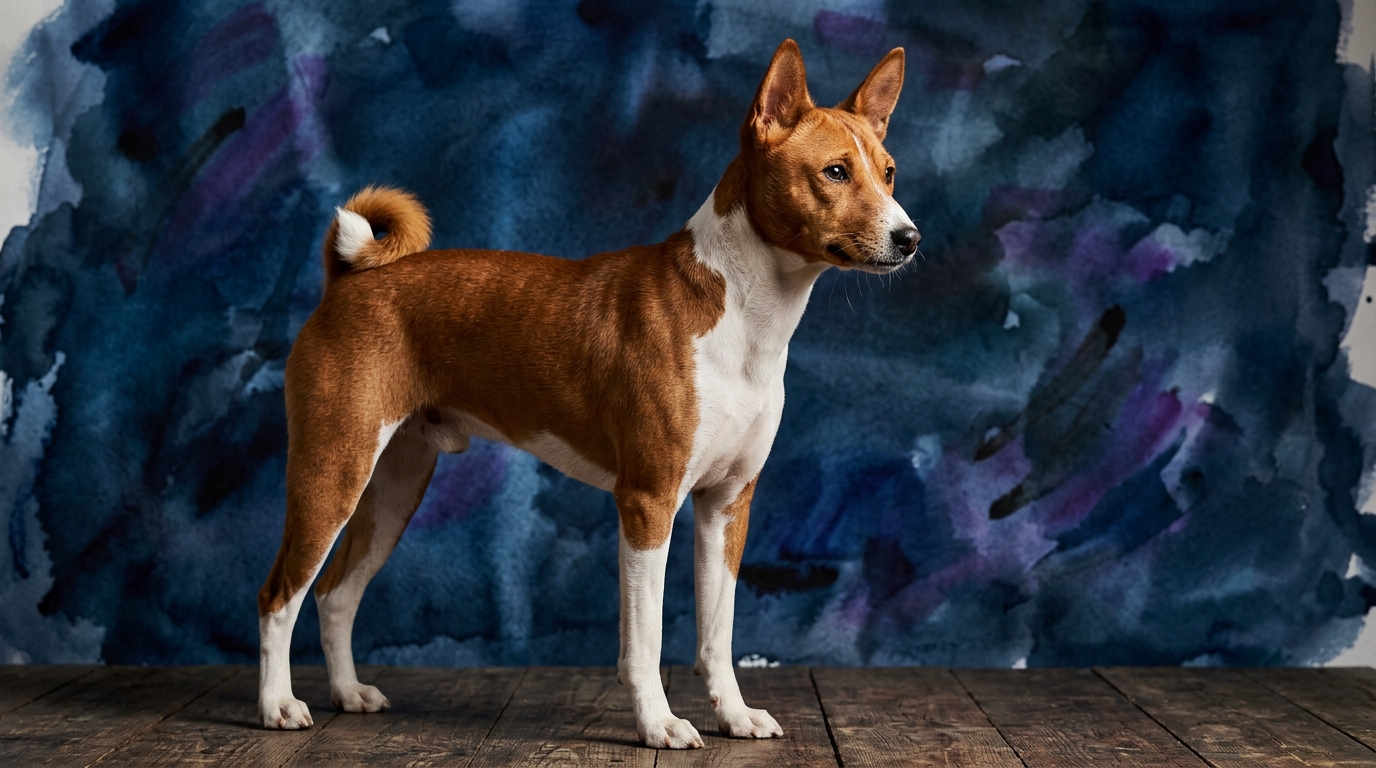
**Basenji (Coren rank #78):** These sighthounds exhibit a remarkable blend of sharp wit and profound independence. Their **Problem Solving (5/5)** is top-tier; they are master strategists, adept at figuring out complex puzzles, escaping enclosures, or manipulating objects to achieve a goal. Their minds are constantly seeking solutions to environmental challenges. However, their **Training Speed (1/5)** is low, not due to a lack of comprehension, but because they possess a strong independent streak, often choosing whether or not to comply based on their own perceived value or interest in the task. This score reflects their selective obedience rather than an inability to learn. Their **Social Intelligence (3/5)** allows them to read human cues and interact appropriately within their social group, though they are not typically driven by an intense desire for constant human approval, often engaging on their own terms. A powerful **Instinctive Drive (5/5)** means they possess a profound connection to their ancestral hunting roots, exhibiting powerful urges to chase, track, and explore. This innate drive is a dominant force in their behavior and problem-solving strategies. Finally, their **Memory (4/5)** is excellent, allowing them to retain information, remember routines, past experiences, and learned solutions to problems, which contributes to their cleverness in navigating their world.
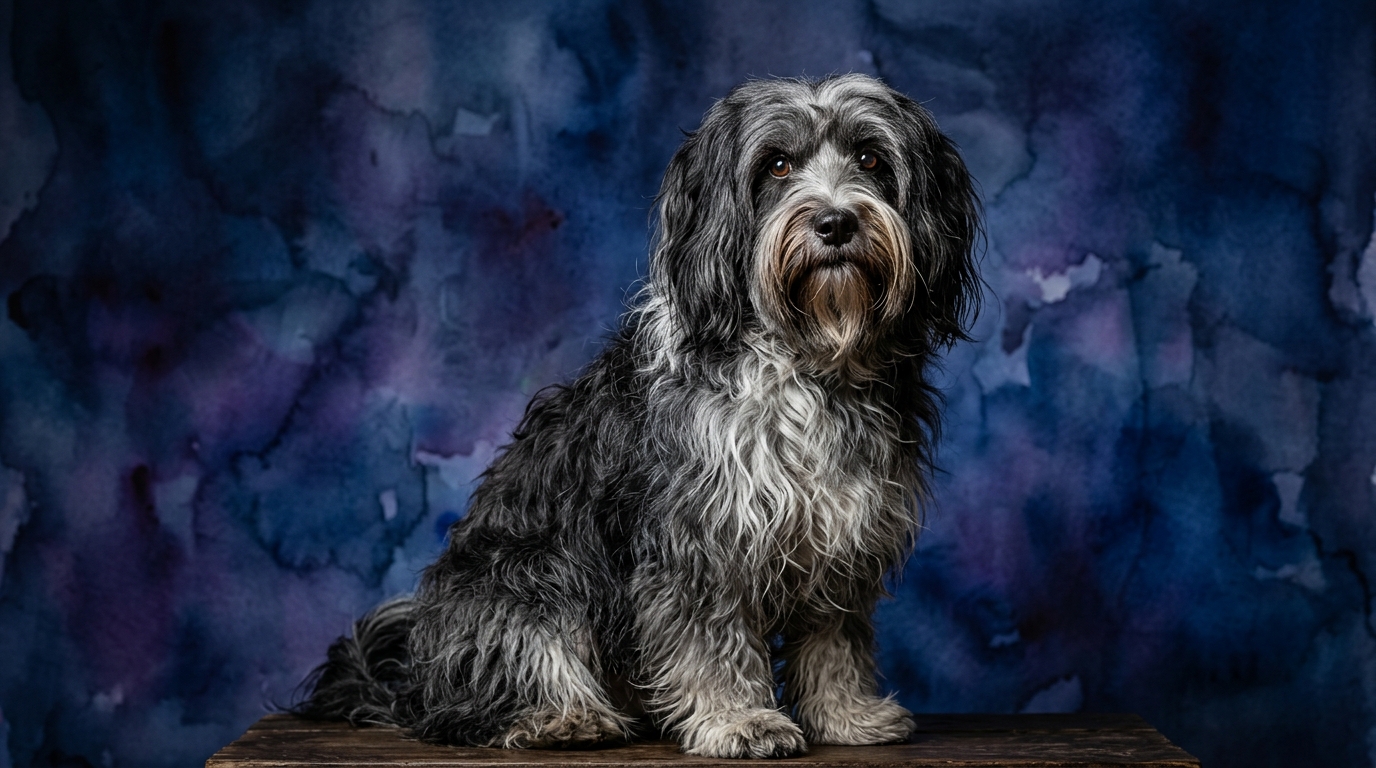
**Tibetan Terrier (Coren rank #63):** Hailing from the "Roof of the World," Tibetan Terriers present a more balanced cognitive profile. Their **Problem Solving (3/5)** demonstrates a moderate ability to solve novel problems; they are capable of figuring things out but perhaps not with the same inventive flair or persistence as a Basenji, learning effective strategies over time. A moderate **Training Speed (3/5)** indicates a balanced willingness to learn and respond to commands. They are generally cooperative and can pick up new tasks at a steady pace, making them amenable to consistent training efforts. Their **Social Intelligence (3/5)** is comparable to the Basenji, enabling them to understand social dynamics and interact appropriately, but they tend to be more people-oriented, valuing companionship and often seeking to engage with their human family. The Tibetan Terrier's **Instinctive Drive (3/5)** is also moderate; while they possess natural canine instincts, their drive to hunt or work independently is less intense than a Basenji's, making them more adaptable to a domestic environment. Similarly, their **Memory (3/5)** is functional and reliable for commands, routines, and familiar faces, allowing them to recall learned behaviors dependably, though perhaps without the exceptional detail of higher-scoring breeds.
Where Basenji Wins Cognitively
The Basenji undeniably shines in the realm of independent problem-solving and leveraging their innate instincts. With a top-tier 5/5 in Problem Solving, they are masters of creative strategizing, capable of devising ingenious ways to overcome obstacles, whether it's opening a seemingly secure cabinet or navigating a complex environment to reach a desired location. This cognitive strength means they don't wait for human direction; they actively analyze situations and experiment with solutions, often surprising owners with their ingenuity. Their 5/5 Instinctive Drive further fuels this, providing a powerful internal motivation to explore, chase, and engage with the world on their own terms. This deep-seated drive, combined with their 4/5 Memory, allows them to recall successful past strategies and apply them to new challenges, making them exceptionally resourceful and persistent. Owners often describe them as thinking several steps ahead, constantly assessing their surroundings for opportunities to engage their sharp wits.
Where Tibetan Terrier Wins Cognitively
The Tibetan Terrier's cognitive strengths lie in their balanced and cooperative approach, particularly evident in their moderate scores across the board. While they may not possess the Basenji's extreme problem-solving flair, their 3/5 in Training Speed and 3/5 in Social Intelligence position them as more agreeable and responsive companions. This breed exhibits a greater willingness to engage in cooperative learning and respond to human cues, making them generally more straightforward to guide through training exercises. Their Coren rank of #63, significantly higher than the Basenji's #78, reinforces their capacity for understanding and obeying novel commands more readily. The Tibetan Terrier's moderate Instinctive Drive (3/5) means they are less likely to be overwhelmingly distracted by independent urges, allowing them to remain focused on tasks and interactions with their human family. They excel at being adaptable and integrated members of a household, valuing companionship and readily learning the rules of their environment through consistent, positive reinforcement.
Which is Easier to Train and Why
When it comes to ease of training, the Tibetan Terrier holds a clear advantage over the Basenji, stemming directly from their divergent IQ profiles. The Tibetan Terrier's 3/5 Training Speed indicates a moderate willingness to learn and respond, coupled with a 3/5 Social Intelligence that fosters a desire for cooperation and connection with their human companions. This means they are typically more motivated by praise, treats, and the joy of working alongside their owner. Their moderate 3/5 Instinctive Drive allows them to maintain focus during training sessions, less prone to being sidetracked by a sudden scent or movement. Conversely, the Basenji’s 1/5 Training Speed is a significant hurdle. While they are exceptionally adept at problem-solving (5/5), this doesn't translate to eager obedience. Their powerful 5/5 Instinctive Drive means their internal motivations often outweigh human requests, and their independent nature dictates that they will only comply if they perceive immediate value or interest in the command. Owners frequently note that Basenjis understand commands perfectly but reserve the right to ignore them, making consistent, reliable training a prolonged and often frustrating endeavor without highly specialized, positive-reinforcement based approaches.
Which Suits Active Owners vs Relaxed Owners
The choice between a Basenji and a Tibetan Terrier largely hinges on an owner's lifestyle and their willingness to engage with distinct canine temperaments. The Basenji, with its 5/5 Instinctive Drive and 5/5 Problem Solving, thrives with active, experienced owners who appreciate and can channel their independent, energetic spirit. These dogs require significant mental stimulation to prevent boredom and destructive behaviors, alongside ample physical exercise to satisfy their hunting instincts. They excel in activities like lure coursing, agility, or scent work, which tap into their natural drives and problem-solving prowess. Owners who enjoy challenging, intelligent, and sometimes stubborn companions will find a Basenji rewarding. In contrast, the Tibetan Terrier, with its balanced 3/5 scores across most dimensions, is better suited for owners seeking a more adaptable and moderately active companion. While they enjoy play and walks, their energy levels are generally more manageable than a Basenji's, making them compatible with both active and moderately relaxed households. They appreciate companionship and are content with varied routines, making them a good fit for families or individuals who desire a loyal, engaged, but not intensely demanding partner.
The Verdict
To choose a Basenji means embracing a highly independent, problem-solving companion that demands consistent mental engagement and understanding of their unique motivations. Opt for the Basenji if you are an experienced, active owner ready for a clever, sometimes challenging dog that thinks for itself.
The Tibetan Terrier, with its balanced cognitive profile, offers a more cooperative and adaptable companionship, easier to train and integrate into varied family dynamics. Choose the Tibetan Terrier if you seek a loyal, moderately active, and responsive partner who values social interaction and responds well to consistent guidance.
🧠 Find Your Pet's IQ Score
Our Pet IQ Lab assessment covers 25+ tests across 5 cognitive dimensions — personalized to your breed.
Take the Full IQ Test →Frequently Asked Questions
Are Basenjis truly "un-trainable" due to their low training speed score?
No, Basenjis are not untrainable; their 1/5 Training Speed score reflects their strong independence and selective obedience rather than a lack of comprehension. They understand commands but often choose whether to comply based on their own assessment of the situation, requiring highly motivating and consistent training methods. It's more about convincing them cooperation is worthwhile than teaching them the command itself.
Does a higher Coren rank mean a dog is "smarter" in all aspects?
The Coren rank primarily measures a dog's understanding of new commands and their obedience to known commands, reflecting a specific aspect of working intelligence. It doesn't fully encompass other cognitive dimensions like independent problem-solving or social intelligence, which are better captured by the Pet IQ Lab's multi-dimensional scores. A lower Coren rank, like the Basenji's, often indicates a stronger independent streak rather than a lack of inherent mental capacity.
Which breed is better for a first-time dog owner?
For a first-time dog owner, the Tibetan Terrier is generally a more suitable choice due to their moderate training speed, social intelligence, and instinctive drive. Their balanced temperament and greater willingness to cooperate make them more forgiving and easier to guide through the initial stages of training and socialization. Basenjis, with their intense independence and high cognitive demands, often require an experienced hand.