A Side-by-Side Look at Cognitive Profiles
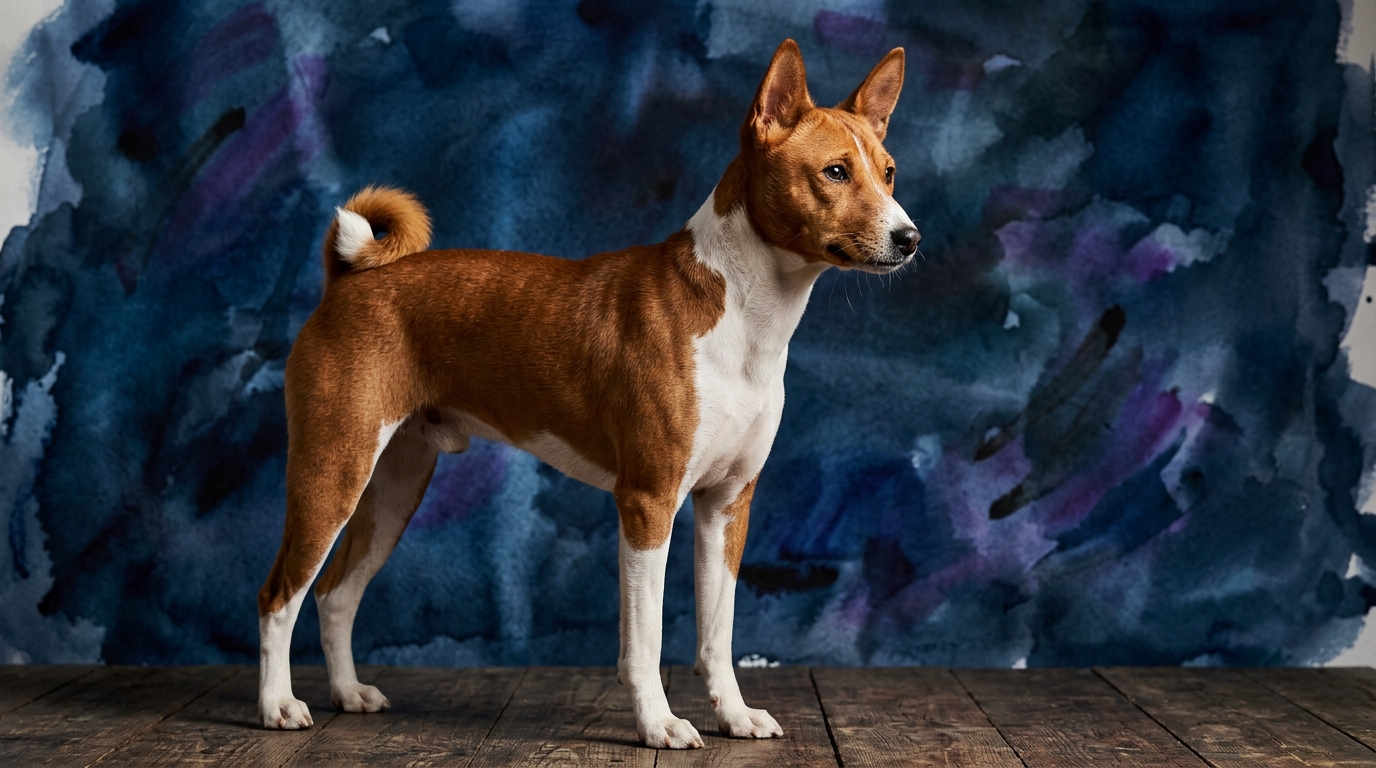
The Basenji, holding a Coren rank of #78, presents a cognitive tapestry woven with exceptional problem-solving abilities (5/5) and a potent instinctive drive (5/5), yet notoriously difficult training speed (1/5). This combination means they excel at figuring out complex environmental puzzles independently, often observing human actions to understand how to manipulate latches or open doors for themselves, driven by their deep-seated hunting instincts. However, they are not easily swayed by human instruction, instead weighing commands against their own immediate interests. Their memory is robust (4/5), allowing them to recall past successful 'missions' and escape routes with remarkable clarity, even if their social intelligence is moderate (3/5), often making them reserved or aloof rather than overtly people-pleasing.
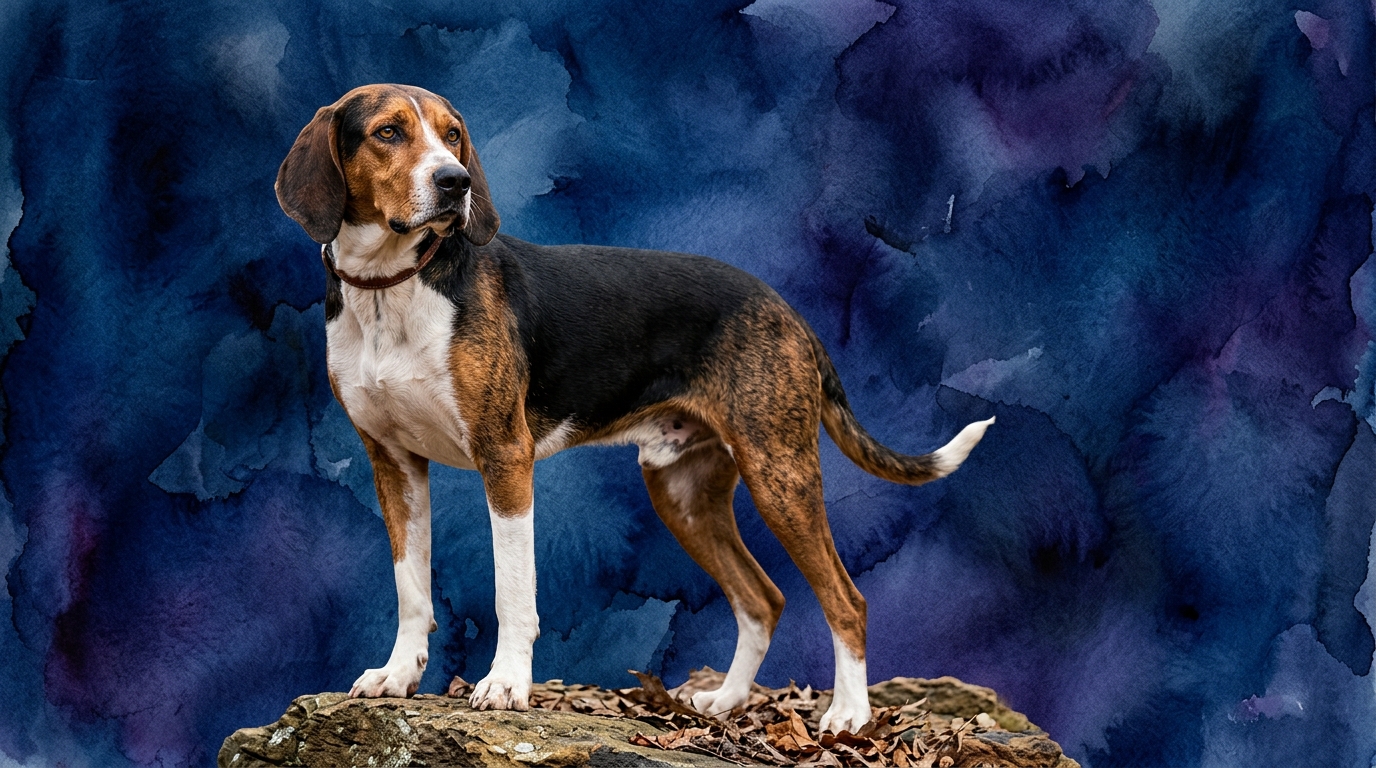
In contrast, the Treeing Walker Coonhound, while not Coren-ranked, showcases a more balanced cognitive profile across the board, with moderate scores in problem-solving (3/5), training speed (3/5), social intelligence (3/5), instinctive drive (3/5), and memory (3/5). This breed demonstrates a capable intellect, able to learn and adapt, but without the extreme peaks and valleys seen in the Basenji. Their moderate instinctive drive primarily focuses on scent tracking, making them dedicated workers in their traditional role, and their social intelligence allows for amiable interactions within their family unit, making them generally more agreeable companions.
Where the Basenji's Mind Shines
The Basenji’s exceptional problem-solving prowess is arguably its most defining cognitive trait, scoring a perfect 5/5. This isn't about solving puzzles for human approval, but rather for self-serving goals, such as unlatching gates, opening cupboards, or strategically planning escapes from seemingly secure enclosures. Their cunning manifests as a profound ability to analyze their environment and devise creative solutions to obstacles, making them formidable adversaries for any owner attempting to contain them or limit their access to forbidden treasures, often surprising with their ingenuity.
Coupled with their superior problem-solving is an intense instinctive drive (5/5), deeply rooted in their heritage as African sighthounds and scent hunters. This drive translates into an unwavering, relentless focus on prey, whether it’s a squirrel in the yard or a distant scent calling them to explore, overriding any training or calls. Their strong memory (4/5) further enhances this, allowing them to recall locations of past hunts or learned escape routes with remarkable precision, contributing to their reputation for independent action and a seemingly endless well of self-directed motivation.
The Treeing Walker Coonhound's Cognitive Strengths
The Treeing Walker Coonhound’s primary cognitive advantage lies in its more balanced and cooperative intellect, particularly evident in its training speed (3/5) compared to the Basenji's challenging 1/5. While not displaying the same level of independent strategic thinking, their moderate problem-solving (3/5) is sufficient for navigating complex hunting scenarios and learning intricate commands when properly motivated. This translates into a dog that is generally more receptive to human guidance and willing to engage in collaborative tasks, making the training process a more rewarding experience for both dog and owner.
Their instinctive drive, while still present at a 3/5, is typically channeled towards specific scent-tracking activities rather than the Basenji's broad, independent prey pursuit, making it a more manageable and predictable drive. This focused drive, combined with a moderate social intelligence (3/5), means they thrive when working alongside their human companions, leveraging their olfactory abilities to follow trails with dedication. Their memory (3/5) is perfectly adequate for retaining intricate scent patterns and learned behaviors relevant to their working roles, making them reliable and consistent partners in the field rather than the often-unpredictable Basenji.
Trainability: A Tale of Two Hounds
When it comes to trainability, the Treeing Walker Coonhound presents a significantly more approachable experience. Their moderate training speed (3/5) indicates a willingness to learn and respond to cues, especially when positive reinforcement and engaging methods are employed. While they possess a powerful nose that can lead to temporary distraction, their inherent desire to cooperate and their generally affable nature make them receptive students. Owners can expect consistent progress with patience and clear communication, building a solid foundation of obedience and a strong bond.
The Basenji, however, offers a masterclass in training difficulty, scoring a mere 1/5 in training speed. This isn't due to a lack of understanding, but rather a profound independence and a strong self-will; they operate on their own agenda. If a command doesn't align with their immediate desires or if a more interesting scent or sight captures their attention, they will simply choose not to comply. Their high problem-solving often means they are figuring out how to *avoid* training or achieve their own goals, rather than seeking to please their handler, demanding extraordinary patience, creativity, and a sense of humor from their owners.
Lifestyle Suitability: Active Minds vs. Active Bodies
For owners seeking a companion that aligns with an active lifestyle, both breeds require significant engagement, though their needs diverge considerably. The Basenji, with its high instinctive drive and problem-solving, demands an owner who is not only physically active but also mentally agile and prepared for constant intellectual sparring. They thrive with secure environments, structured mental challenges, and consistent, creative training to channel their formidable intellect and strong prey drive. A 'relaxed' owner for a Basenji means someone who is relaxed about their house being rearranged by a clever canine, not someone who expects a docile lapdog.
The Treeing Walker Coonhound, on the other hand, suits owners whose activity level leans more towards vigorous physical exercise and outdoor adventures, particularly those involving scent work or long excursions. Their moderate instinctive drive means they are happiest when given a job, often a tracking one, and they possess the stamina for hours of exploration. While they appreciate mental stimulation, their needs are less about outsmarting their owner and more about expending energy in a purposeful way through physical and scent-based activities. A relaxed owner for a Coonhound might be someone who enjoys quiet evenings after a day of strenuous activity, rather than constant mental engagement, as long as their physical needs are met.
The Verdict
Choose a Basenji if you are an experienced, patient dog owner who cherishes an independent, clever companion and is prepared for a lifelong journey of creative problem-solving and unique behavioral challenges. You must appreciate their self-sufficiency and be ready to adapt to a dog that thinks for itself, often with mischievous results.
Opt for a Treeing Walker Coonhound if you are an active individual or family who enjoys outdoor adventures, especially those involving scent work or sustained physical activity, and desires a generally more biddable, affectionate, and enthusiastic companion. This breed thrives with purposeful exercise and a clear, consistent training approach, offering a more cooperative partnership.
🧠 Find Your Pet's IQ Score
Our Pet IQ Lab assessment covers 25+ tests across 5 cognitive dimensions — personalized to your breed.
Take the Full IQ Test →Frequently Asked Questions
Are Basenjis truly untrainable?
Basenjis are not untrainable, but their training speed of 1/5 indicates they are exceptionally challenging and require immense patience and creativity. They respond best to positive reinforcement, short engaging sessions, and owners who understand their independent nature and strong self-will, often choosing to comply only when it suits them.
Do Treeing Walker Coonhounds need a lot of exercise?
Yes, Treeing Walker Coonhounds are active dogs with a moderate instinctive drive (3/5) that necessitates substantial daily exercise. They thrive on long walks, runs, and especially activities that engage their powerful sense of smell, such as scent work or tracking games, to keep them mentally and physically fulfilled and prevent boredom.
Which breed is better with children?
The Treeing Walker Coonhound, with its moderate social intelligence (3/5) and generally amiable nature, is often considered more tolerant and playful with children, especially when properly socialized. Basenjis, while forming strong bonds with their family, can be more reserved or aloof and may prefer a quieter environment, making supervision essential with young children and clear boundaries important.