Side-by-Side IQ Profile: Basenji vs. Welsh Terrier
To truly understand these breeds, The Cosmic Pet Pet IQ Lab employs a five-dimensional cognitive framework, providing a nuanced look beyond mere obedience.
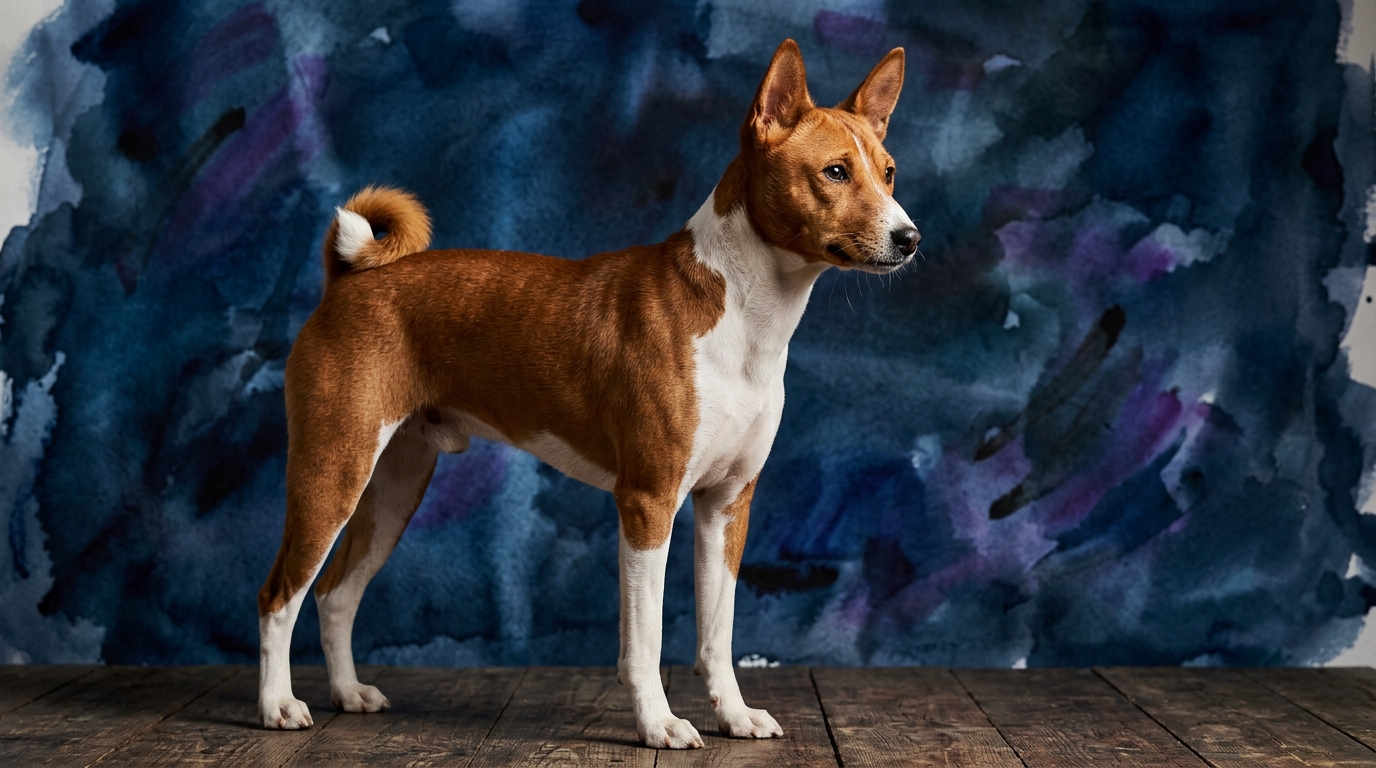
The Basenji, with a Coren ranking of #78, exhibits a remarkable cognitive profile. Their Problem Solving ability is rated 5/5, indicating an exceptional capacity for independent thought and devising complex solutions to environmental challenges, often without human direction. Training Speed is a low 1/5, reflecting their independent nature and a tendency to question commands rather than readily comply. Social Intelligence stands at 3/5, meaning they form strong bonds with their chosen family but can be reserved or aloof with strangers and other animals. Their Instinctive Drive is a powerful 5/5, manifesting as an intense prey drive, keen scenting abilities, and a strong sense of self-preservation. Finally, their Memory is rated 4/5, allowing them to recall complex sequences, locations, and past interactions with impressive accuracy.
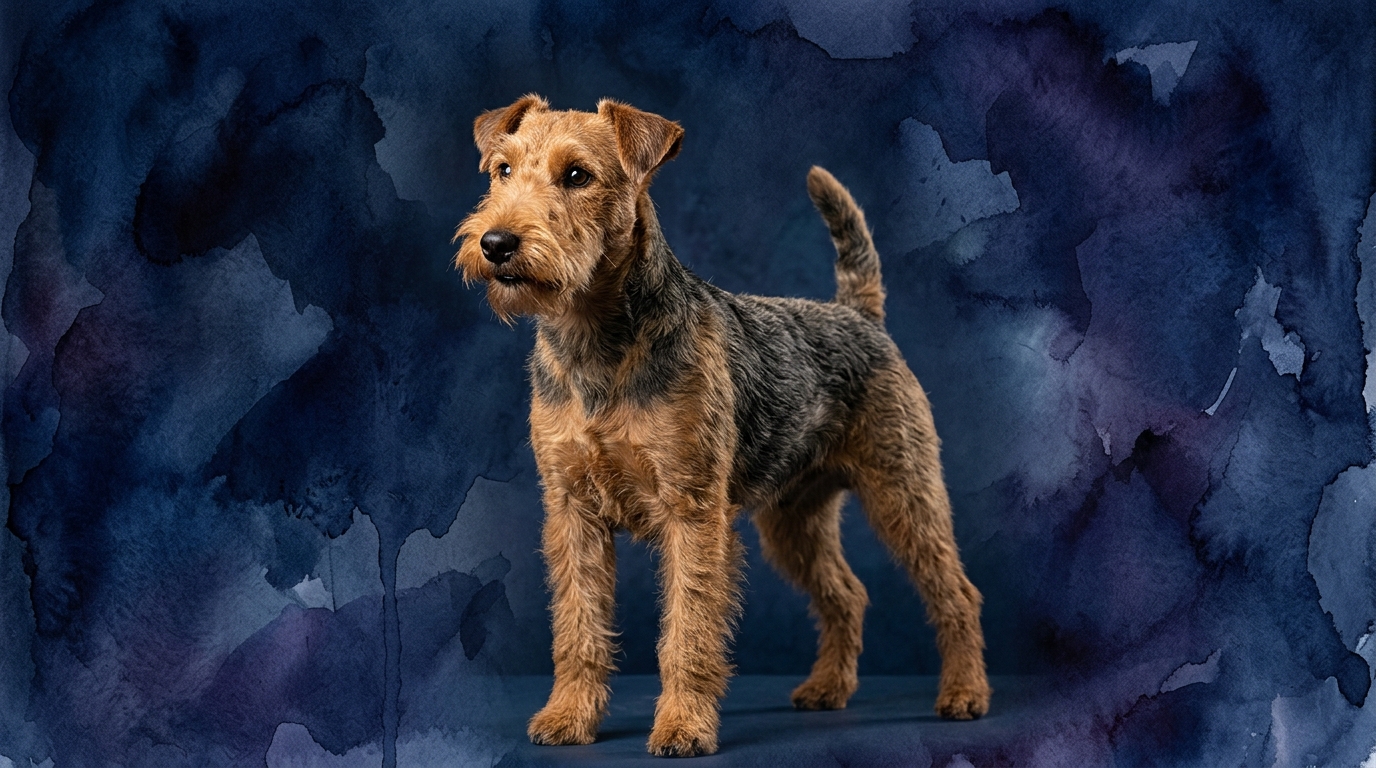
The Welsh Terrier, while not Coren-ranked, possesses a more balanced and often cooperative cognitive makeup. Their Problem Solving ability is 3/5, suggesting they can tackle straightforward puzzles and adapt to new situations, though they may not consistently pursue complex, independent strategies. Training Speed is 3/5, indicating they are generally responsive to consistent methods but can exhibit typical terrier tenacity, requiring patience. Social Intelligence is also 3/5; they are typically friendly and outgoing with their family, though they can be assertive with other dogs if not well-socialized. Their Instinctive Drive is 3/5, manifesting as a classic terrier drive for chasing small vermin and digging, but generally less intense or single-minded than a Basenji’s hunting instincts. Memory is rated 3/5, sufficient for remembering routines and commands but perhaps lacking the Basenji's detailed recall for intricate environmental factors or past events.
Where the Basenji Wins Cognitively
The Basenji's cognitive strengths lie profoundly in their individual problem-solving prowess and their potent instinctive drives. With a 5/5 rating in Problem Solving, these dogs are masterful strategists, capable of independently assessing complex situations and engineering solutions that might astound their human companions. This isn't about solving a puzzle for a treat; it’s about figuring out how to bypass a gate, open a cupboard, or outsmart a perceived barrier to their desires. Their sharp memory (4/5) further amplifies this, allowing them to recall past successes and failures, refining their approaches to new challenges. An owner might observe a Basenji remembering the exact sequence of events that led to a successful escape weeks prior, applying that knowledge to a new context. This exceptional cognitive independence, while challenging for training, means they excel in environments where self-reliance and ingenious thinking are paramount.
Furthermore, their intense 5/5 Instinctive Drive fuels much of their problem-solving. This isn't just a high prey drive; it's a deep-seated motivation to explore, hunt, and navigate their environment using their senses. This drive makes them incredibly adept at tasks requiring focus, scent work, and self-direction. They are dogs built to think for themselves in pursuit of a goal, a trait stemming from their ancient origins as hunting companions, where a dog's survival often depended on its individual cunning and resourcefulness. This cognitive strength makes them uniquely suited for activities that tap into their innate abilities, such as lure coursing or advanced scent work, where they can apply their keen intellect and drive autonomously.
Where the Welsh Terrier Wins Cognitively
The Welsh Terrier's cognitive advantages often manifest in their adaptability and a more cooperative approach to learning and interaction, particularly when contrasted with the Basenji's fierce independence. Their Training Speed of 3/5, while not extraordinary, places them in a significantly more receptive category than the Basenji's 1/5. This means a Welsh Terrier is generally more amenable to traditional training methods and more inclined to engage with their owner in a learning context. They possess a willingness to please that, while tempered by terrier tenacity, makes them more straightforward to guide through basic and advanced obedience, agility, or other interactive canine sports. Their moderate problem-solving (3/5) is often applied in a more collaborative manner, where they are keen to work alongside their human to achieve a goal, rather than devising a solitary plan.
Their balanced Instinctive Drive (3/5) also contributes to their cognitive wins in a domestic setting. While they certainly possess a typical terrier prey drive, it is generally less overwhelming than a Basenji's, making them more manageable in environments with small animals or distractions. This means their focus can be redirected more easily during training, and their natural curiosity can be channeled into appropriate activities like fetch or structured scent games, rather than solely pursuing independent hunting endeavors. Their moderate memory (3/5) is perfectly sufficient for recalling commands and routines, ensuring that once a behavior is learned consistently, it tends to stick, contributing to their reputation as a capable and engaging companion.
Which is Easier to Train and Why
When considering ease of training, the Welsh Terrier clearly holds an advantage over the Basenji, and this difference is rooted in their fundamental cognitive profiles and behavioral tendencies. The Basenji's Training Speed of 1/5 is a significant indicator of the challenge they present. These dogs are independent thinkers, not inherently driven by a desire to please. They will often question the utility of a command from their perspective, requiring immense patience, creative motivation, and a deep understanding of their individualistic nature. Traditional repetitive drills often bore them quickly, and their strong memory (4/5) means they will quickly recall any inconsistencies in training, making them even harder to convince. Training a Basenji is less about obedience and more about negotiation and building a compelling argument for cooperation, often leveraging their problem-solving skills to make training a game they want to win.
In contrast, the Welsh Terrier's Training Speed of 3/5 suggests a more receptive and responsive pupil. While they possess the typical terrier spiritedness and occasional stubborn streak, they are generally more willing to engage with their owners and learn. They respond well to positive reinforcement, consistency, and clear communication. Their moderate social intelligence (3/5) means they typically enjoy working alongside their human companions, and their instinctive drives are more easily channeled into structured activities. While they are not automatons, a Welsh Terrier is far more likely to embrace training as a shared activity, making the process generally smoother and more rewarding for the average owner seeking a well-behaved companion.
Which Suits Active Owners vs. Relaxed Owners
Both Basenjis and Welsh Terriers require active engagement, but the *nature* of that activity differs significantly, making them suitable for different types of energetic owners. The Basenji, with its 5/5 Problem Solving and 5/5 Instinctive Drive, demands an owner who is not only physically active but also mentally agile and prepared for a dog that needs constant intellectual stimulation. These aren't dogs content with just a walk around the block; they thrive on puzzle toys, scent work, lure coursing, and activities that challenge their cunning and independent thought. Their intelligence is such that if not given appropriate outlets, they will invent their own 'problems' to solve, often to the detriment of household items or boundaries. They are best suited for owners who enjoy a dynamic, engaging relationship with their dog, viewing their pet as an intelligent, albeit sometimes frustrating, partner in mental games and outdoor adventures. A relaxed owner will quickly find themselves overwhelmed by a Basenji's unmet cognitive needs.
The Welsh Terrier also needs an active owner, but their energy is often expressed in a more interactive and physical manner, rather than purely intellectual problem-solving. Their moderate instinctive drive (3/5) means they love to chase, dig, and explore, making them ideal companions for hiking, long walks, or vigorous play sessions in a secure yard. While they appreciate mental stimulation, it’s often in the context of interactive games, training sessions, or exploring new environments with their owner, rather than devising complex independent strategies. They are less likely to dismantle the house out of sheer intellectual boredom if their physical and social needs are met. Owners who enjoy consistent outdoor activities, interactive play, and can provide structured routines will find a Welsh Terrier a delightful companion. While not suitable for a truly sedentary lifestyle, they can adapt to a slightly less intense mental challenge than a Basenji, provided they receive ample physical exercise and companionship.
The Verdict
Choose a Basenji if you are an experienced owner who appreciates an independent, highly resourceful canine mind, enjoys complex problem-solving games, and is prepared for a significant training challenge fueled by patience and creative motivation. This breed thrives with owners who value a dog's self-sufficiency and unique perspective, offering a truly distinctive companionship.
Choose a Welsh Terrier if you seek a spirited, adaptable companion that enjoys engaging in activities with their human, is more amenable to traditional training, and offers a balanced blend of tenacity and sociability. They are an excellent choice for active owners who prefer a cooperative partner in adventures and are ready for a dog that brings both energy and charm to the home.
🧠 Find Your Pet's IQ Score
Our Pet IQ Lab assessment covers 25+ tests across 5 cognitive dimensions — personalized to your breed.
Take the Full IQ Test →Frequently Asked Questions
Are Basenjis stubborn?
Yes, their low training speed (1/5) and high problem-solving (5/5) indicate a strong independent streak. Basenjis often weigh commands against their own perceived interests, requiring owners to be highly motivating, consistent, and creative in their training approaches.
How does a Welsh Terrier's drive manifest?
Their moderate instinctive drive (3/5) typically presents as a keen interest in chasing small critters, digging, and exploring scents. This drive is manageable but requires secure environments, consistent recall training, and appropriate outlets like toy retrieval or structured play to prevent them from following their nose into trouble.
Do Basenjis make good family pets?
Basenjis can be devoted to their chosen family members but tend to be aloof with strangers and may not tolerate rough or unpredictable play from young children. Their independent nature and need for mental engagement mean they thrive in homes that understand and respect their unique boundaries and provide consistent, structured interaction.