
Side-by-Side Cognitive Profiles
The Cosmic Pet Pet IQ Lab assesses five key dimensions of canine intelligence, providing a granular view of each breed's cognitive strengths. For the Basset Hound, a Coren-ranked #71 breed, we observe a consistent 3/5 across the board: Problem Solving, Training Speed, Social Intelligence, Instinctive Drive, and Memory. This indicates a solid, functional intelligence, often applied with a characteristic hound-like focus.
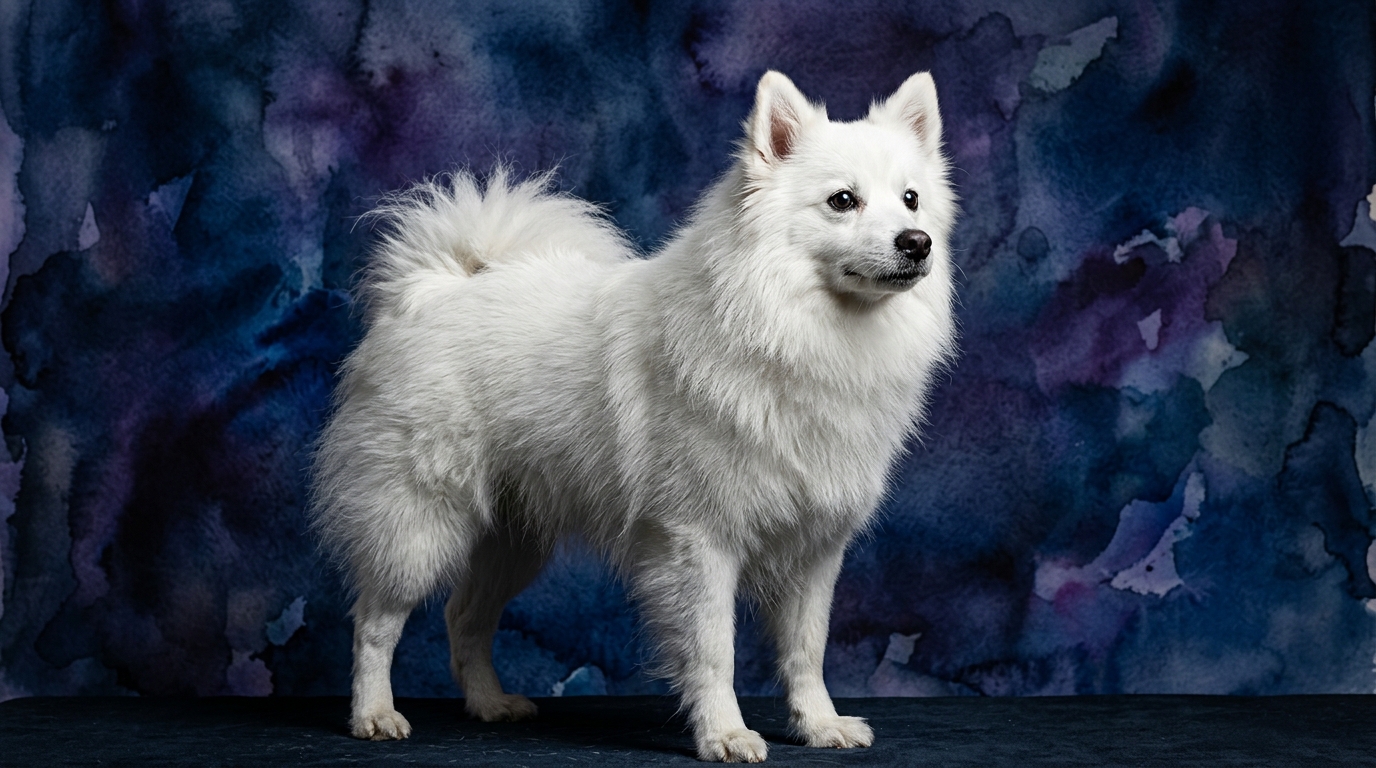
Similarly, the American Eskimo Dog, though not Coren-ranked, also scores a balanced 3/5 in Problem Solving, Training Speed, Social Intelligence, Instinctive Drive, and Memory. This suggests a comparable baseline capacity, but the expression of these traits is deeply influenced by their historical role as adaptable companion animals and alert watchdogs, rather than scent-driven hunters.
Where the Basset Hound Excels Cognitively
The Basset Hound's cognitive strengths are deeply rooted in its olfactory prowess and independent tracking heritage. Their Problem Solving at 3/5 often manifests as a relentless, methodical pursuit of scent; they are adept at navigating complex environments to follow a trail, demonstrating a persistent, sequential problem-solving approach. This isn't about abstract puzzle-solving, but rather an unwavering dedication to a sensory task, making them masters of their olfactory domain.
Their Instinctive Drive (3/5) is powerfully channeled into scent work, allowing them to maintain focus on a target odor for extended periods, often to the exclusion of other stimuli. This singular focus, combined with their 3/5 Memory, means they can recall intricate scent patterns and routes, making them highly effective in tasks requiring sustained attention to environmental cues. Their social intelligence, while moderate, often defers to their primary drive when a compelling scent presents itself, showcasing a distinct hierarchy in their cognitive priorities.
Where the American Eskimo Dog Excels Cognitively
The American Eskimo Dog's cognitive advantages lean into their role as a social and interactive companion. Their 3/5 Social Intelligence is often expressed through their close observation of human behavior and household dynamics; they are skilled at interpreting subtle cues from their family members and adapting their actions accordingly to gain attention or understand expectations. This makes them highly responsive to the emotional climate of their home.
Their Problem Solving (3/5) frequently involves figuring out how to communicate their needs or desires to their people, often through vocalizations or clever manipulations of their environment, such as nudging a toy or signaling for a walk. The Eskie's Instinctive Drive (3/5) is strongly tied to companionship and alertness, making them excellent watchdogs who use their cognitive abilities to monitor their surroundings and effectively communicate perceived threats. They apply their memory (3/5) to recall routines, preferred interactions, and past successful strategies for engaging with their human family.
Training Aptitude: Basset Hound vs. American Eskimo Dog
When it comes to training speed, both breeds are rated at 3/5, suggesting they possess a similar capacity for learning. However, the *application* of this capacity differs significantly due to their inherent drives and temperaments. The American Eskimo Dog, with its strong companion drive and eagerness to please, typically responds well to positive reinforcement and consistent training. Their social intelligence means they are often motivated by human praise and interaction, making them generally more biddable and quicker to grasp new commands in a structured training setting. They thrive on engagement and mental stimulation that involves their human partners.
The Basset Hound, while capable of learning, often presents a different challenge. Their independent hound nature means they are not inherently driven to please their handler in the same way an Eskie might be. Their 3/5 training speed is often tempered by their powerful scent drive; if a compelling smell distracts them, their focus on the training task can diminish. Training a Basset requires immense patience, creativity, and finding motivators (often high-value treats or scent games) that can compete with their primary instincts. They learn, but often on their own terms and timeline, making them appear more stubborn than truly slow to learn.
Matching Lifestyles: Active vs. Relaxed Owners
For owners seeking a more relaxed pace, the Basset Hound can be an excellent fit, provided their unique exercise needs are met. While often appearing placid indoors, Bassets require consistent, moderate exercise to satisfy their hound instincts, ideally involving scent-tracking walks or exploration of varied terrain. They are not typically suited for high-intensity sports but thrive with owners who appreciate meandering outdoor adventures and a calm, affectionate presence in the home. Their intelligence is best engaged through activities that stimulate their powerful nose, rather than strenuous physical demands.
The American Eskimo Dog, conversely, aligns well with more active and engaged owners. Despite their moderate size, Eskies possess significant energy and a need for consistent mental and physical stimulation. They enjoy activities like agility, trick training, and interactive play, thriving when they have a 'job' or purpose alongside their human companions. Owners who appreciate a vocal, interactive, and intelligent partner for daily adventures and consistent training will find the Eskie's adaptable nature and zest for life a perfect match. They are less about quiet contemplation and more about active participation in family life.
The Verdict
Choose a Basset Hound if you appreciate an independent, scent-driven companion who thrives on methodical outdoor exploration and offers a calm, affectionate presence indoors, understanding their unique training motivations.
Opt for an American Eskimo Dog if you desire an energetic, highly interactive partner eager for consistent engagement, mental challenges, and social participation in a dynamic family environment.
🧠 Find Your Pet's IQ Score
Our Pet IQ Lab assessment covers 25+ tests across 5 cognitive dimensions — personalized to your breed.
Take the Full IQ Test →Frequently Asked Questions
Are Basset Hounds difficult to train?
Basset Hounds are not inherently difficult to train, but their independent, scent-driven nature means they often require more patience and creative motivation than some other breeds. They learn effectively when the training incorporates their natural instincts or offers rewards compelling enough to override their olfactory distractions, making consistency paramount.
Do American Eskimo Dogs need a lot of exercise?
American Eskimo Dogs possess moderate to high energy levels and benefit from consistent daily exercise, including walks, playtime, and mental stimulation. Their adaptable nature means they can thrive in various living situations, but they require regular outlets for their energy to prevent boredom and maintain well-being.
Which breed is better for first-time dog owners?
For first-time dog owners, the American Eskimo Dog might be slightly more approachable due to their biddable nature and eagerness to please, which can make training more straightforward with positive reinforcement. Basset Hounds, while affectionate, require an owner who understands and can patiently work with their strong independent streak and powerful scent drive.