
Side-by-Side Cognitive Profiles
The Cosmic Pet Pet IQ Lab provides a structured way to understand the mental landscape of different breeds. For the Basset Hound, their Coren rank of #71 suggests a breed that typically requires more repetitions to grasp new commands compared to those in higher ranks, reflecting a deliberate learning pace. Their Problem Solving is rated 3/5, often centering on their powerful nose, finding solutions to access scents rather than abstract challenges. Training Speed stands at 3/5, indicating that learning new commands is a gradual process, necessitating patience and consistent positive reinforcement. Social Intelligence is 3/5, showing a moderate understanding of human cues, though their focus can easily be diverted by environmental stimuli. Instinctive Drive is 3/5, primarily manifested as an unwavering commitment to following a scent trail. Finally, their Memory is 3/5, functional for routines and pleasant experiences, but perhaps less robust for complex sequences.
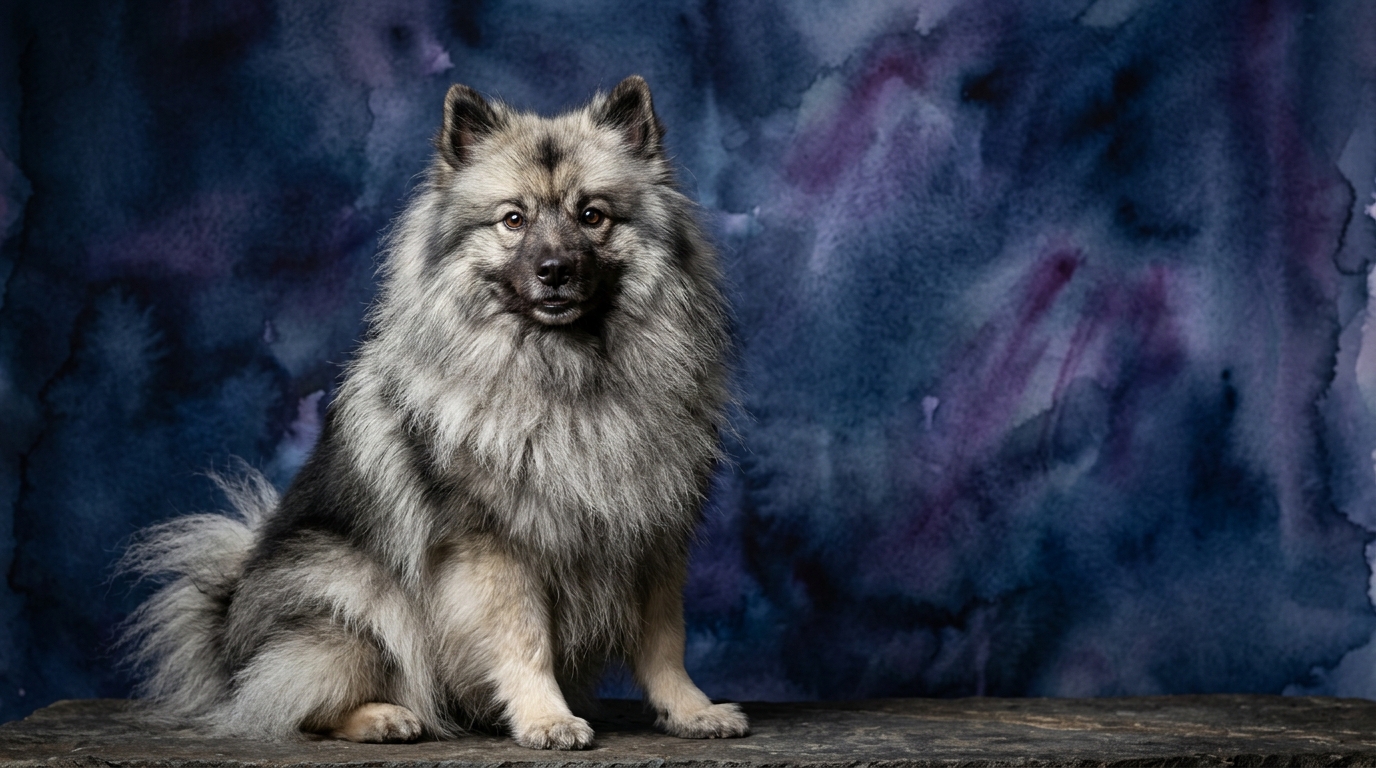
In contrast, the Keeshond, with a Coren rank of #16, typically grasps new commands relatively quickly, often understanding them within a few repetitions. Their Problem Solving scores 4/5, indicating a good capacity for figuring out novel situations and adapting to new environments, often observing and strategizing before acting. Training Speed is also 4/5, meaning they tend to learn new commands with impressive speed and enthusiasm, eager to engage with their handlers. Their Social Intelligence is 3/5, demonstrating a good attunement to human emotions and social dynamics within their family unit. Instinctive Drive is 3/5, often manifesting as vigilance and a desire to be near their human companions, stemming from their history as watchdogs. A standout feature is their Memory, rated 5/5, signifying an exceptional ability to recall learned commands, routines, and even complex sequences of events over long periods.
Where the Basset Hound Wins Cognitively
The Basset Hound's cognitive strengths are undeniably rooted in their specialized sensory world. Their 3/5 score in instinctive drive, while numerically average, represents a profound and highly developed olfactory intelligence. No other breed can match their unwavering focus and methodical problem-solving when following a scent trail. This isn't about speed, but about an unparalleled dedication to a task, meticulously dissecting and interpreting complex odor information that is imperceptible to humans. Their cognitive 'win' lies in this deep, persistent, and highly refined sensory processing, allowing them to navigate and understand their environment through an entirely different, incredibly detailed lens, solving the 'puzzle' of a lost trail with an unmatched tenacity.
Where the Keeshond Wins Cognitively
The Keeshond truly shines in areas of rapid acquisition and retention of information. Their 4/5 in problem solving indicates a more adaptable and quick-witted approach to novel challenges, often observing and strategizing rather than relying solely on instinct. However, their most significant cognitive advantage lies in their exceptional memory, scoring a perfect 5/5. This superior recall means they learn new commands and complex routines quickly and, crucially, retain them over extended periods with remarkable consistency. This robust memory also contributes to their ability to anticipate household rhythms and remember past interactions, making them highly predictable and reliable companions once behaviors are established.
Training Ease: Basset Hound vs. Keeshond
Based on their specific IQ profiles, the Keeshond is generally easier to train than the Basset Hound. The Keeshond's 4/5 training speed means they typically grasp new commands and concepts with fewer repetitions, often showing eagerness to learn and please. Their excellent memory (5/5) ensures that once a behavior is learned, it's firmly embedded, reducing the need for constant refreshers. This combination makes them highly responsive and a joy to train for those seeking a quick study.
In contrast, the Basset Hound's 3/5 training speed suggests a more deliberate learning process, often requiring sustained patience and consistent, positive reinforcement. Their strong instinctive drive to follow scents can also be a significant distraction during training, making it challenging to maintain their focus on human commands when an interesting odor presents itself. While both can be trained, the Keeshond's cognitive make-up provides a smoother, faster, and often more rewarding training experience for the average owner, due to their quicker comprehension and superior recall. The Basset Hound demands an owner who understands their scent-driven nature and is prepared for a more patient, perhaps less outwardly enthusiastic, training journey.
Lifestyle Match: Active vs. Relaxed Owners
The choice between a Basset Hound and a Keeshond largely depends on an owner's lifestyle and energy levels. A Basset Hound, despite their hunting heritage, generally suits a more relaxed owner. Their exercise needs are moderate; daily leisurely walks where they can follow interesting scents at their own pace are often sufficient. While they enjoy outdoor exploration, their stamina for high-impact activities is limited, and their independent, sometimes stubborn, nature means they are not typically candidates for agility or intense obedience sports. They thrive in homes where they can enjoy comfortable naps and gentle companionship, requiring an owner who appreciates their calm demeanor and unique form of engagement.
Conversely, the Keeshond is better suited for moderately active owners. With a problem-solving score of 4/5 and a training speed of 4/5, they benefit from regular mental stimulation alongside physical exercise. They enjoy activities like walks, playing games, and even participating in dog sports like obedience or rally, which challenge both their body and mind. Their social intelligence (3/5) also means they appreciate being involved in family activities, preferring engagement over prolonged periods of solitude. An owner who enjoys interactive play and consistent training will find the Keeshond a highly rewarding and engaged companion.
The Verdict
Opt for a Basset Hound if you appreciate a dog with an independent spirit, a profound connection to scents, and you are prepared for a patient, scent-aware training approach, enjoying their calm presence and moderate exercise needs.
Select a Keeshond if you desire a responsive, quick-learning companion eager to participate in family activities, value strong memory and problem-solving skills, and can provide consistent mental and moderate physical engagement.
🧠 Find Your Pet's IQ Score
Our Pet IQ Lab assessment covers 25+ tests across 5 cognitive dimensions — personalized to your breed.
Take the Full IQ Test →Frequently Asked Questions
Do Basset Hounds forget commands easily?
Basset Hounds have a memory score of 3/5, meaning they retain information functionally but might require more consistent reinforcement over time compared to breeds with higher memory scores. Their independent nature and strong scent drive can sometimes make it seem like they've forgotten, when in reality, they're simply prioritizing other stimuli.
Are Keeshonden good at learning tricks?
Yes, Keeshonden typically excel at learning tricks due to their 4/5 training speed and exceptional 5/5 memory. They enjoy the mental engagement and interaction, often picking up new behaviors quickly and remembering them reliably, making them rewarding partners for trick training.
How does a Basset Hound's problem-solving differ from a Keeshond's?
A Basset Hound's 3/5 problem-solving is primarily focused on olfactory puzzles, meticulously following scent trails. A Keeshond's 4/5 problem-solving is more general, involving observation, adaptation, and figuring out novel situations in their environment or in interactions with people.