
A Detailed Look at Their Cognitive Profiles
At The Cosmic Pet Pet IQ Lab, we evaluate canine cognition across five key dimensions. For both the Basset Hound and the Otterhound, our data indicates a consistent rating of 3 out of 5 across all categories. This numerical parity, however, belies the fascinating nuances in how each breed deploys its mental faculties, deeply rooted in their historical roles. The Basset Hound, a breed recognized by Stanley Coren as ranking #71 in Working & Obedience Intelligence, demonstrates a foundational capacity for learning and task execution within a specific framework, though not among the top tiers for complex obedience.
The Basset Hound’s 3/5 in Problem Solving reflects a methodical, independent approach, primarily geared towards unraveling scent trails rather than abstract challenges. Their Training Speed at 3/5 suggests they are capable of learning, but often require patience and consistent motivation due to their strong independent streak and focus on olfactory input. Social Intelligence, also at 3/5, indicates they can form strong bonds and understand human cues, yet their primary engagement often remains with their scent world. Their Instinctive Drive, a solid 3/5, is overwhelmingly directed towards tracking, a persistent, unwavering pursuit. Finally, Memory at 3/5 means they retain learned commands and experiences, but their recall might be overridden by a compelling scent stimulus.
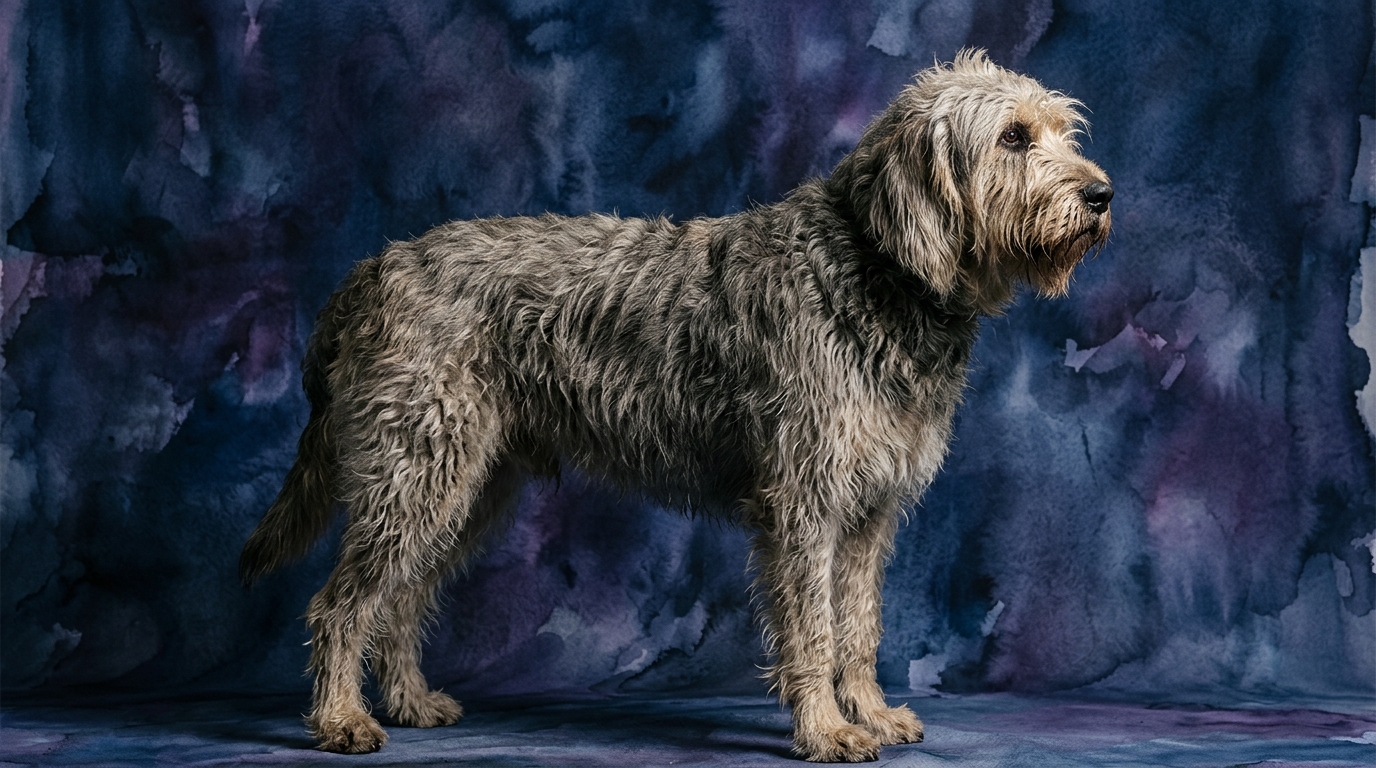
The Otterhound, while not featured in Coren's rankings, shares identical 3/5 scores across our IQ dimensions. This suggests a similar level of functional cognition, but expressed through a different lens. Their Problem Solving at 3/5 is likely focused on navigating diverse terrains and water bodies to follow a challenging otter trail, demanding endurance and adaptability. Training Speed at 3/5 points to a capable learner who, much like the Basset, can be independently minded when their instincts take over. Social Intelligence at 3/5 suggests they are congenial and capable of forming pack bonds, both with humans and other dogs. Their Instinctive Drive, also 3/5, is powerfully geared towards hunting and water work, requiring immense stamina and focus. Their Memory at 3/5 ensures they learn routes and recall specific hunting cues, though their drive can occasionally overshadow immediate obedience.
Where the Basset Hound's Cognition Shines
The Basset Hound truly excels in the realm of focused, persistent scent discrimination. While their general problem-solving is rated at 3/5, this score is exceptionally applied to the intricate puzzle of a scent trail. A Basset can meticulously follow a cold trail for hours, demonstrating an unwavering mental stamina unique to their breed. Their cognitive strength lies in their ability to filter out extraneous sensory information, concentrating solely on the minute details of an olfactory path, making independent decisions about direction and intensity without constant human guidance. This singular dedication to scent work showcases a specialized form of cognitive tenacity.
Furthermore, their 3/5 social intelligence, when viewed through the lens of their home life, often translates into a calm, comforting presence. While not always seeking to be the center of attention, Bassets demonstrate a subtle understanding of household routines and emotional states, providing quiet companionship. They might not be performing complex tricks, but their ability to integrate smoothly into a relaxed family environment and offer affectionate, low-key interaction speaks to a particular brand of social awareness that values comfort and routine.
Where the Otterhound's Cognition Excels
The Otterhound’s cognitive strengths are deeply intertwined with their historical purpose: hunting otters across varied and often challenging landscapes, including water. Their 3/5 problem-solving ability is distinctively applied to navigating complex environments, requiring both physical and mental resilience. This involves assessing the best path through dense undergrowth, understanding water currents, and maintaining a trail over land and through water, often for extended periods. Their intelligence is geared towards robust, active pursuit, demanding a different kind of stamina than the Basset's more ground-level, methodical tracking.
Their 3/5 instinctive drive, coupled with their physical prowess, allows them to process and act upon environmental cues in a dynamic, adaptable manner. An Otterhound's memory, while rated 3/5, is particularly adept at recalling the intricacies of a hunt, remembering specific scent patterns or terrain features encountered over vast distances. Their social intelligence also manifests in a capacity for effective pack cooperation, a necessity for a breed traditionally working in groups, demonstrating an awareness of other dogs' movements and cues during a pursuit. This blend of individual problem-solving and pack awareness sets their cognitive application apart.
Training: Basset's Patience vs. Otterhound's Independence
When it comes to training, both breeds present a moderate challenge, reflected in their 3/5 training speed. The Basset Hound's primary behavioral characteristic that influences training is their profound dedication to scent. Once a Basset locks onto an interesting smell, their world narrows to that single stimulus, making recall or immediate obedience extremely difficult. This isn't a lack of understanding, but rather a profound prioritization of their instinctive drive. Training a Basset requires immense patience, positive reinforcement, and an understanding that their nose will often be their master. They learn best with short, engaging sessions that don't compete with their olfactory interests, and consistency is paramount to overcome their inherent stubbornness.
The Otterhound, while also a scent hound with an independent streak, presents a different training dynamic. Their robust build and boundless energy mean they are less likely to be deterred by obstacles, physical or mental. Their independence, rated similarly at 3/5, can manifest as a strong-willed determination during training, particularly if they perceive a task as less engaging than exploring. Training an Otterhound requires firm, consistent leadership, a good sense of humor, and plenty of mental and physical stimulation to keep them engaged. They respond well to varied activities and appreciate a 'job' to do, but their strong prey drive and love for water can make off-leash training, especially near water, a significant undertaking.
Matching Owners: Active vs. Relaxed Lifestyles
The choice between a Basset Hound and an Otterhound often boils down to an owner's lifestyle and their willingness to embrace specific breed traits. The Basset Hound is generally better suited for more relaxed owners or those who appreciate a dog that enjoys comfort and routine. While they still require daily walks and opportunities for scent exploration in a secure area, their energy demands are relatively low. They thrive in homes where they can nap comfortably, receive gentle affection, and engage in low-impact activities. Owners who value a calm, affectionate companion and are prepared for a dog whose primary agenda is often dictated by its nose will find a Basset Hound a delightful fit.
Conversely, the Otterhound is an ideal match for active, adventurous owners who are prepared for a dog with significant energy and a robust personality. Their love for water, endurance, and need for substantial physical and mental engagement means they thrive in environments where they can run, swim, and explore regularly. Owners who enjoy hiking, outdoor sports, or have access to secure areas for off-leash romps will appreciate the Otterhound's zest for life. This breed requires an owner who can provide consistent stimulation, manage their boisterous nature, and embrace their often-muddy, water-loving antics.
The Verdict
Choose a Basset Hound if you seek a calm, affectionate companion content with a more relaxed pace, appreciating their specialized scent work and independent, yet gentle, nature.
Opt for an Otterhound if you lead an active, adventurous lifestyle and desire a robust, energetic partner for outdoor exploration, especially one that loves water and demands engaging activities.
🧠 Find Your Pet's IQ Score
Our Pet IQ Lab assessment covers 25+ tests across 5 cognitive dimensions — personalized to your breed.
Take the Full IQ Test →Frequently Asked Questions
Are Basset Hounds difficult to train?
Basset Hounds can present training challenges due to their intense focus on scent and independent nature, often prioritizing interesting smells over immediate obedience. Patience, consistent positive reinforcement, and engaging, short training sessions are key to success with this breed.
Do Otterhounds need a lot of exercise?
Yes, Otterhounds require substantial daily exercise to satisfy their high energy levels and strong instinctive drive. They thrive on vigorous activities like running, swimming, and long walks, making them suitable for active individuals or families who can meet their need for physical and mental stimulation.
Which breed is better with children?
Both Basset Hounds and Otterhounds can be good family dogs, generally possessing good temperaments. Basset Hounds are typically calmer and more tolerant, while Otterhounds are more boisterous and playful, requiring supervision with very young children due to their size and enthusiasm.