Side-by-Side IQ Profile
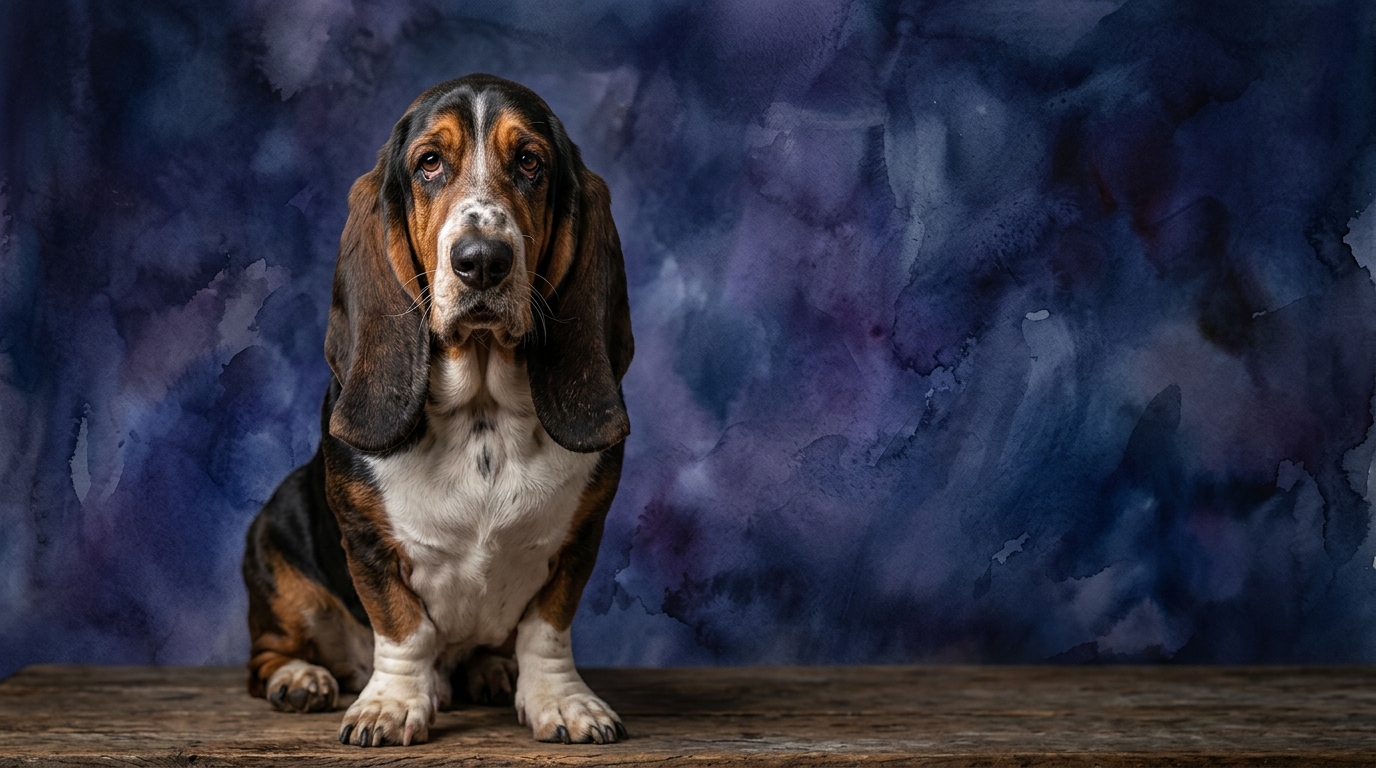
The Basset Hound, a breed ranked #71 by Coren, exhibits a consistent 3 out of 5 across all five Cosmic Pet IQ Lab cognitive dimensions, reflecting a specialized intelligence deeply rooted in its olfactory prowess. Their problem-solving (3/5) centers on methodical scent tracking, demonstrating immense persistence in unraveling complex odor puzzles rather than abstract challenges. When it comes to training speed (3/5), Bassets learn at a steady pace, but their independent nature and powerful nose mean that compliance often requires compelling motivation, making training a patient endeavor rather than a rapid acquisition of commands. Their social intelligence (3/5) is characterized by an amiable, tolerant disposition; they form strong, affectionate bonds with their families and generally interact calmly with others, though they can be selective about their attention when a captivating scent is present. The instinctive drive (3/5) is undeniably dominated by their profound sense of smell; their world is perceived through odors, making tracking an intrinsic and all-consuming activity. Finally, their memory (3/5) is robust, particularly for scent associations, routines, and the people and places they encounter regularly, contributing to their predictable and comforting presence.
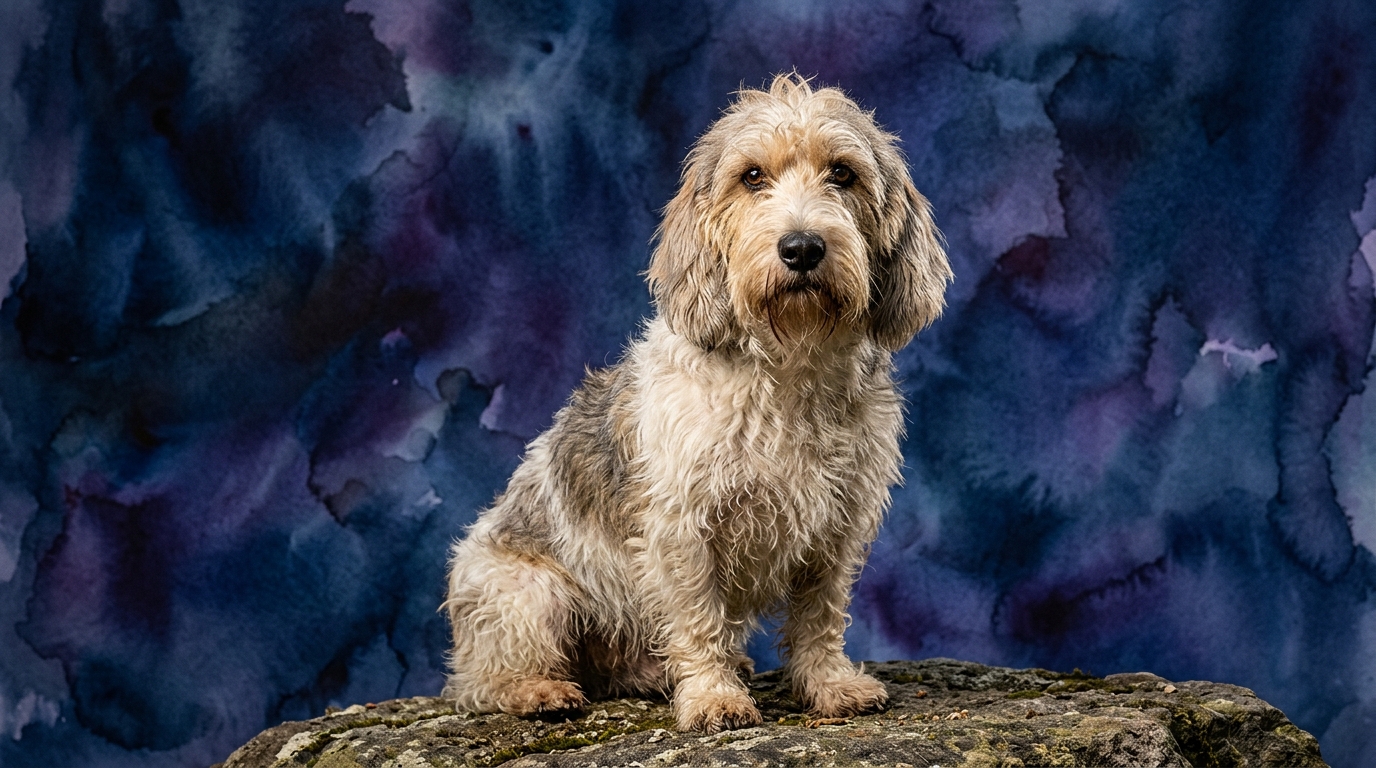
While not formally Coren-ranked, the Petit Basset Griffon Vendéen (PBGV) shares identical scores of 3 out of 5 across the Cosmic Pet IQ Lab's cognitive dimensions, yet expresses these traits with a distinctly different flair. Their problem-solving (3/5) tends to be more exploratory and opportunistic; a PBGV might try various approaches to achieve a goal, driven by curiosity and a desire for engagement, though still heavily influenced by their hunting heritage. Training speed (3/5) for a PBGV is often enthusiastic but can be erratic; they grasp concepts readily when motivated, but their vivacious, easily distracted nature demands engaging, varied sessions to maintain focus and prevent boredom. In terms of social intelligence (3/5), PBGVs are outgoing and boisterous, thriving on interaction and expressing their feelings vocally and effusively; they are generally friendly but might lack the Basset's calm reserve, sometimes overwhelming with their exuberance. Their instinctive drive (3/5) is a lively blend of scenting, chasing, and vocalizing, reflecting their role as 'little griffon, big voice' hunters; they possess a strong desire to explore and work independently in the field. Lastly, their memory (3/5) is quite good, allowing them to recall commands, past experiences, and the location of favorite toys or treats, though their independent streak might sometimes make it seem like they've conveniently forgotten a command.
Where the Basset Hound Wins Cognitively
The Basset Hound truly excels in the realm of methodical, sustained cognitive effort, particularly when it comes to olfactory tasks. Their cognitive strength lies in their unwavering persistence and singular focus once a scent trail is engaged; they possess an almost meditative ability to filter out all other stimuli, dedicating their entire mental capacity to the intricate puzzle of odors. This dedication translates into an unparalleled capacity for deep, deliberate engagement with their primary instinctual drive. Furthermore, their calm, deliberate approach to familiar routines and a generally lower reactivity to sudden changes contribute to a stable and predictable cognitive presence, making them adept at maintaining a consistent emotional and mental state.
Where the Petit Basset Griffon Vendéen Wins Cognitively
The PBGV demonstrates a cognitive edge in areas demanding quick shifts in attention and a more overt enthusiasm for novel stimulation. Their inquisitive nature means they are often quicker to investigate new environments or objects, showing a lively curiosity that can be channeled into varied mental enrichment games beyond pure scent work. They exhibit a more apparent eagerness to engage with their human companions in interactive play, often displaying a wider range of problem-solving attempts, even if some are impulsive. Their vocal repertoire also suggests a more complex and varied form of communication, allowing them to express their needs and desires with greater immediacy and nuance, which can be perceived as a cognitive advantage in human-dog interaction.
Which Is Easier to Train and Why
When it comes to ease of training, both breeds present distinct challenges rooted in their hound heritage, but the nature of these challenges differs. The Basset Hound, with its profound, single-minded focus on scent, requires immense patience and creativity from trainers. They are not intentionally defiant, but their cognitive priority is overwhelmingly their nose; a captivating scent will invariably override a verbal command, necessitating high-value rewards and making training a persistent negotiation against their primary drive. Their slower physical pace can sometimes be misinterpreted as a lack of understanding, when in reality, their brain is simply processing a different, more compelling sensory input.
The Petit Basset Griffon Vendéen, by contrast, learns quickly when engaged, but their spirited, easily distracted nature makes sustained focus a significant hurdle. Their enthusiasm can translate into impulsivity, and boredom sets in rapidly if training isn't varied and stimulating. While they might grasp a command faster in an ideal environment, maintaining that reliability in real-world scenarios, amidst distractions, requires constant reinforcement and a high degree of adaptability from the trainer. Their vocal tendencies can also become a training point, as their exuberance often translates into enthusiastic barking, requiring consistent management. Neither breed is for the faint of heart in training, but the PBGV's energy and distractibility often demand a more active and inventive training approach than the Basset's more placid, yet scent-obsessed, disposition.
Which Suits Active Owners vs. Relaxed Owners
The choice between these two breeds often comes down to an owner's lifestyle and preferred level of daily engagement. The Petit Basset Griffon Vendéen is an ideal match for active owners who relish an energetic, vivacious companion eager for adventure. PBGVs thrive on consistent physical and mental engagement, enjoying varied activities like hiking, scent games that incorporate movement, and even modified agility or rally obedience. Their spirited nature requires an owner prepared to channel that enthusiasm into productive outlets, ensuring they receive ample opportunities to explore and expend their considerable energy.
Conversely, the Basset Hound aligns better with more relaxed owners seeking a calm, steadfast companion. While Bassets certainly need daily walks and mental stimulation, particularly involving their nose, their overall pace is slower and their temperament more placid after their scenting needs are met. They are less demanding for constant high-energy interaction and are often content to lounge contentedly by their owner's side, making them suitable for individuals who appreciate a predictable, tranquil routine but are still committed to fulfilling their dog's fundamental drive for exploration via scent.
The Verdict
Choose the Basset Hound if you seek a calm, steadfast companion with an unparalleled dedication to scent, appreciating a methodical pace and prepared for a dog whose primary drive is their profound sense of smell.
Opt for the Petit Basset Griffon Vendéen if you desire an energetic, vivacious, and vocal companion, eager for varied adventures and mental challenges, and can provide consistent, engaging training and ample physical activity.
🧠 Find Your Pet's IQ Score
Our Pet IQ Lab assessment covers 25+ tests across 5 cognitive dimensions — personalized to your breed.
Take the Full IQ Test →Frequently Asked Questions
Are Basset Hounds difficult to train?
Basset Hounds present unique training challenges primarily due to their intense focus on scent, which can overshadow human commands. Their independent hound nature means they require patient, consistent, and reward-based training to make learning more appealing than following a captivating smell. Success hinges on understanding their motivations and making training highly reinforcing.
Do Petit Basset Griffon Vendéens bark a lot?
Petit Basset Griffon Vendéens are known for their vocal nature, employing various barks, howls, and 'happy noises' to communicate their excitement or alert their owners. This trait is deeply rooted in their hunting heritage, where vocalization was crucial for signaling to hunters, so owners should be prepared for a talkative companion. Early training can help manage excessive barking, but it remains a fundamental part of their personality.
Which breed is better for a first-time dog owner?
Neither breed is typically recommended for completely novice owners due to their strong hound instincts and independent streaks, which require specific handling and training approaches. However, a Basset Hound might be marginally easier for a first-timer willing to embrace their laid-back yet scent-driven nature, whereas the PBGV's higher energy and vocal tendencies demand a more experienced hand.