Side-by-Side Cognitive Profiles
Despite sharing identical 3/5 scores across several cognitive dimensions, the Basset Hound and Polish Lowland Sheepdog apply their mental faculties in profoundly different ways, reflecting their unique breed histories. Understanding these nuances moves beyond simple numerical ratings to reveal the true depth of their cognitive styles.
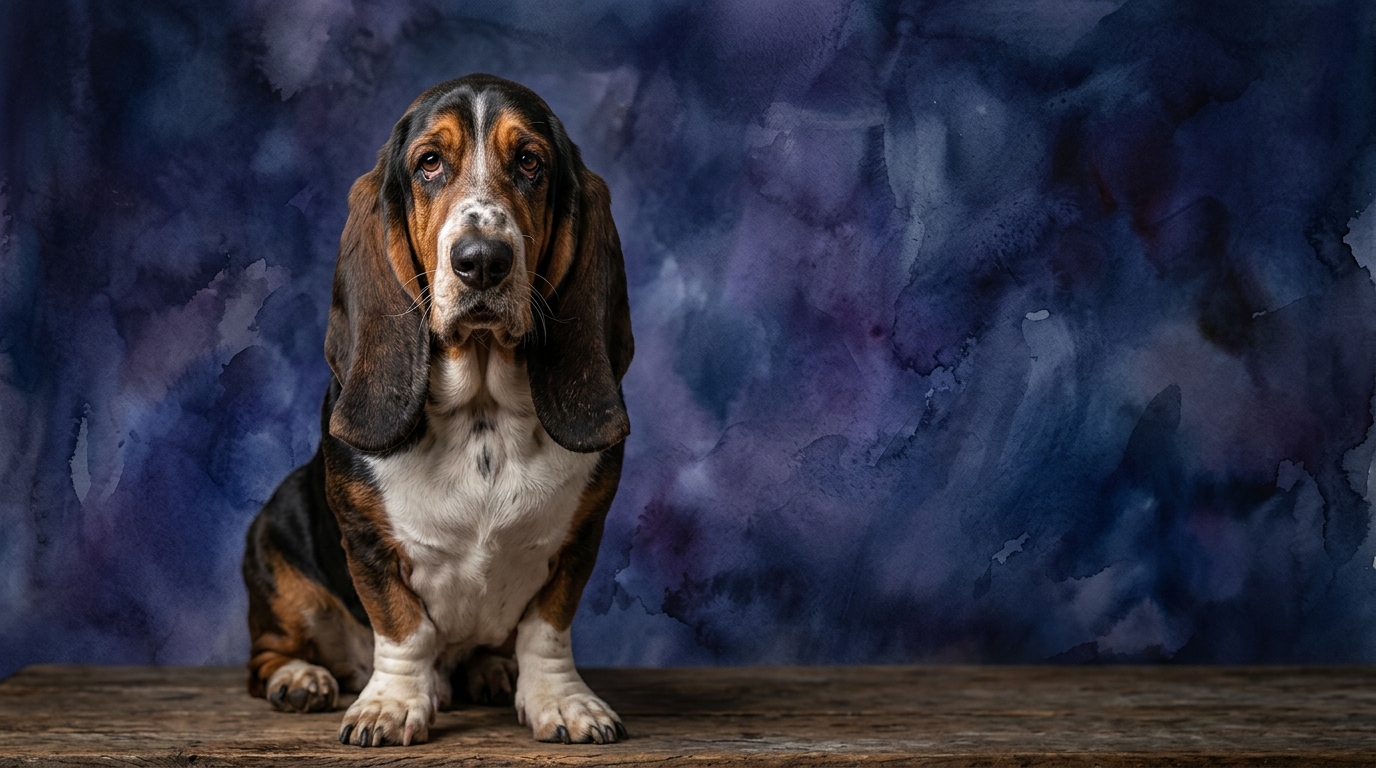
For the Basset Hound, problem-solving (3/5) is an olfactory pursuit; they excel at unraveling complex scent trails, demonstrating relentless persistence in following a lead. Their training speed (3/5) is moderate, often requiring significant motivation and patience due to their independent, scent-focused nature. Social intelligence (3/5) manifests as a deep, amiable bond with their immediate family, though their world often revolves around smells rather than subtle human cues. Their instinctive drive (3/5) is overwhelmingly dedicated to tracking, a powerful internal compass. Memory (3/5) in a Basset Hound is particularly acute for recalling scent pathways and locations of past olfactory interest.
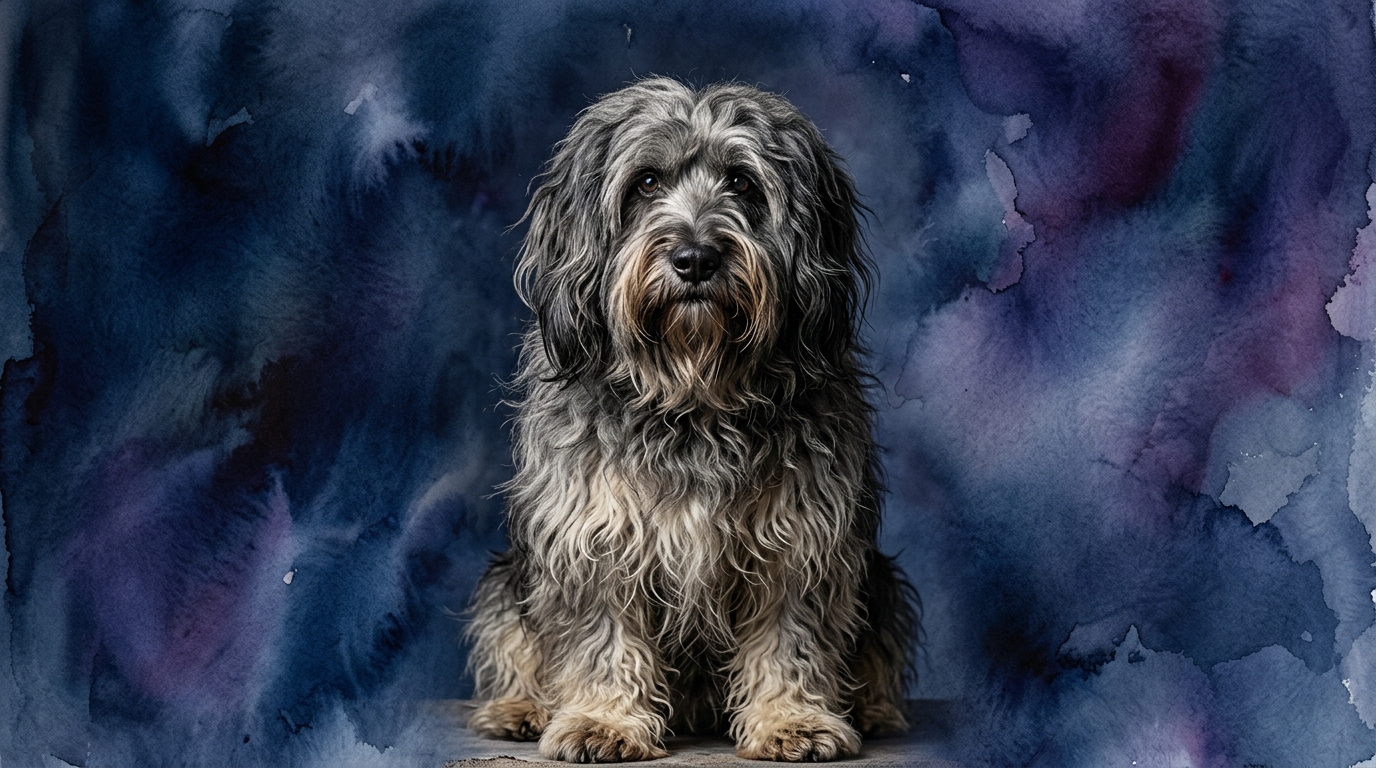
The Polish Lowland Sheepdog, conversely, approaches problem-solving (3/5) with a practical, adaptive mindset, particularly in dynamic environments where quick, independent decisions are vital for managing a flock. Their training speed (3/5) is also moderate, but driven by a willingness to engage and a capacity for understanding nuanced commands, though their inherent assertiveness requires consistent guidance. Social intelligence (3/5) for a Polish Lowland Sheepdog involves keen observation of human behavior, often anticipating intentions and integrating themselves into family dynamics, sometimes with a gentle 'herding' instinct. Their instinctive drive (3/5) is rooted in herding, manifesting as a desire to gather, control, and protect, which shapes their play and interactions. Memory (3/5) is strong for routines, learned commands, and spatial awareness, essential for their working heritage.
Where the Basset Hound Excels Cognitively
The Basset Hound's cognitive strengths are undeniably centered around its remarkable olfactory system. They possess an unparalleled ability to process and interpret a myriad of scents, constructing a detailed mental map of their environment based purely on smell. This specialization means their problem-solving, while perhaps not 'generalist' in the human sense, is extraordinarily sophisticated within their domain.
A Basset Hound's persistence in tracking, even through challenging terrain or over long distances, showcases a profound cognitive stamina. Their ability to filter out visual and auditory distractions when locked onto a scent is a testament to their focused attention and unwavering dedication to their primary instinct, allowing them to solve complex olfactory puzzles with methodical precision.
Where the Polish Lowland Sheepdog Excels Cognitively
The Polish Lowland Sheepdog's cognitive advantages stem from its herding lineage, demanding adaptability and quick thinking in ever-changing scenarios. They excel at assessing situations rapidly and making independent decisions, a critical skill when managing livestock without constant human direction. This practical intelligence translates well into various complex tasks beyond herding.
Their social intelligence extends to a nuanced understanding of their human companions, allowing them to anticipate needs and respond appropriately within a family context. They demonstrate a capacity for complex communication, often using their body language and vocalizations to convey intentions, and they are adept at learning intricate sequences of commands, showcasing a robust working memory and a desire for purposeful engagement.
Training Dynamics: Basset Hound vs. Polish Lowland Sheepdog
When it comes to training, both breeds present unique considerations despite their identical 3/5 training speed rating. The Basset Hound's independent spirit and powerful olfactory drive mean that training often feels like a negotiation. They are perfectly capable of learning, but their motivation is heavily swayed by environmental scents or their own desires. Success with a Basset Hound relies on making training immensely rewarding and engaging, often requiring more repetition and creative methods to hold their attention against the allure of a captivating smell.
The Polish Lowland Sheepdog, while responsive and eager to please, also possesses an independent and sometimes strong-willed nature rooted in their historical role of making decisions without direct human oversight. They thrive on consistency, clear expectations, and mental stimulation. Training a Polish Lowland Sheepdog is about channeling their inherent drive and intelligence into desired behaviors, providing them with a 'job' to do, and ensuring they don't become bored, which can lead to self-directed problem-solving that might not align with human wishes.
Matching Breeds to Lifestyles: Active vs. Relaxed Owners
The Basset Hound typically suits a more relaxed owner, though 'relaxed' does not mean 'inactive.' While their physical energy needs are moderate, they absolutely require regular opportunities for scent walks, allowing them to engage their primary cognitive strength. Owners who enjoy leisurely strolls and appreciate a dog that can spend a good portion of the day napping will find a Basset Hound a delightful companion, provided they can accommodate the breed's deep-seated need to explore the world through its nose.
The Polish Lowland Sheepdog, by contrast, thrives with active owners who can provide consistent mental and physical stimulation. Their herding background means they are happiest when they have a purpose, whether it's through structured training, dog sports, or engaging play sessions. They are a good match for individuals or families who lead an active lifestyle, can dedicate time to daily exercise, and are prepared to provide ongoing mental challenges to satisfy their intelligent and driven nature.
The Verdict
Choose the Basset Hound if you appreciate a dog whose world revolves around scent, offering patient companionship and a unique perspective on exploration, and you are prepared for their independent training style.
Opt for the Polish Lowland Sheepdog if you seek an active, adaptable, and highly engaged companion who thrives on mental challenges and purposeful activity, and you can provide consistent leadership and stimulation.
🧠 Find Your Pet's IQ Score
Our Pet IQ Lab assessment covers 25+ tests across 5 cognitive dimensions — personalized to your breed.
Take the Full IQ Test →Frequently Asked Questions
Do Basset Hounds require a lot of exercise?
While Basset Hounds don't need intense physical exercise, they do require daily opportunities for scent walks to engage their powerful noses. These leisurely, sniff-filled explorations are crucial for their mental well-being and satisfaction.
Are Polish Lowland Sheepdogs good family dogs?
Yes, Polish Lowland Sheepdogs can be excellent family dogs, forming strong bonds and often acting protectively towards their loved ones. They thrive with proper socialization from a young age and consistent mental engagement to channel their herding instincts positively.
How do their grooming needs compare?
Basset Hounds have a short, low-maintenance coat, primarily requiring routine brushing and ear cleaning due to their long, pendulous ears. Polish Lowland Sheepdogs, with their long, shaggy double coat, demand much more intensive grooming, including regular brushing to prevent mats and tangles, often necessitating professional grooming.