Side-by-Side IQ Profile: Basset Hound vs. Toy Poodle
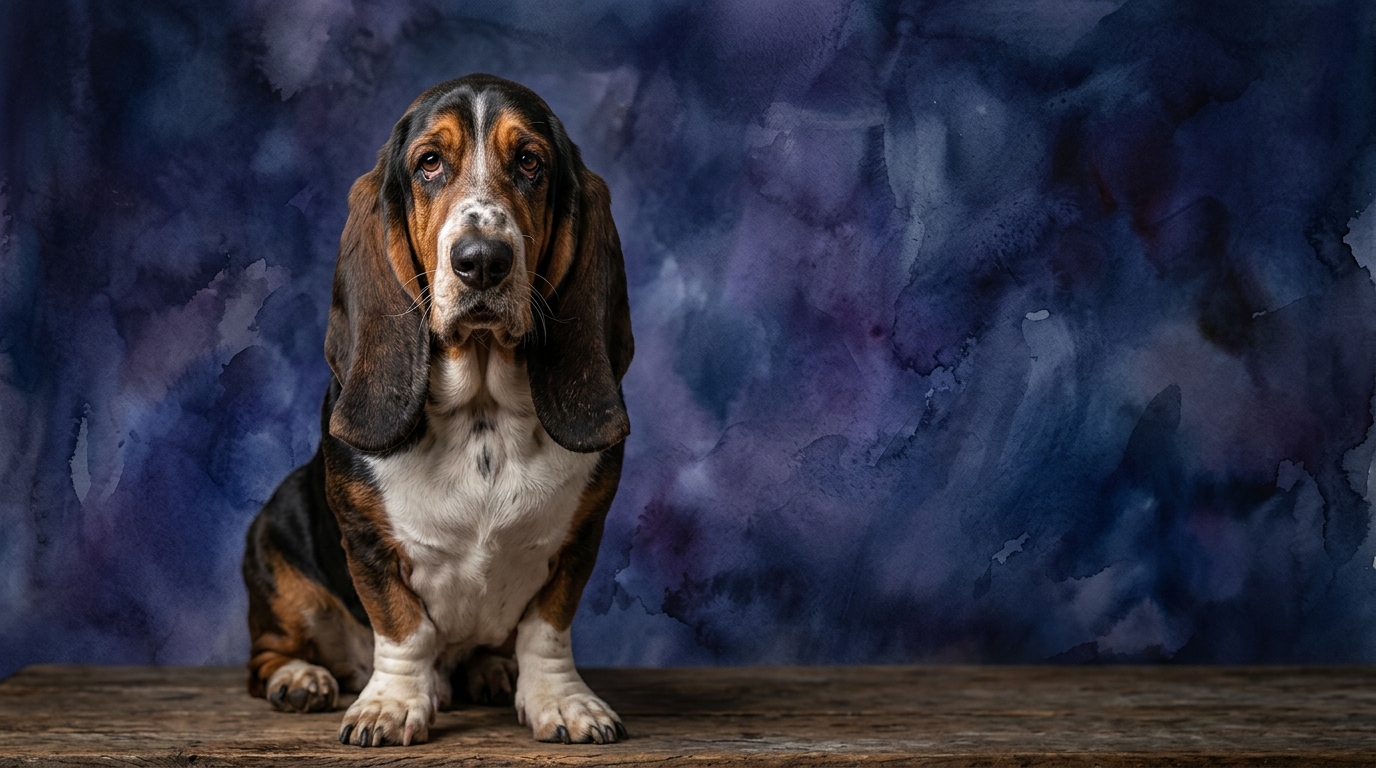
**Basset Hound (Coren rank #71)**: This scent hound exhibits a focused cognitive profile. Its **Problem Solving (3/5)** is methodical and persistent, primarily applied to unraveling scent trails independently. **Training Speed (3/5)** is moderate, requiring consistent, patient repetition due to their independent nature. **Social Intelligence (3/5)** allows for strong bonds, though their attention can be easily diverted by compelling scents. Their **Instinctive Drive (3/5)** is overwhelmingly dedicated to tracking. **Memory (3/5)** is practical, excelling in recalling scent patterns and familiar routines rather than complex sequences.
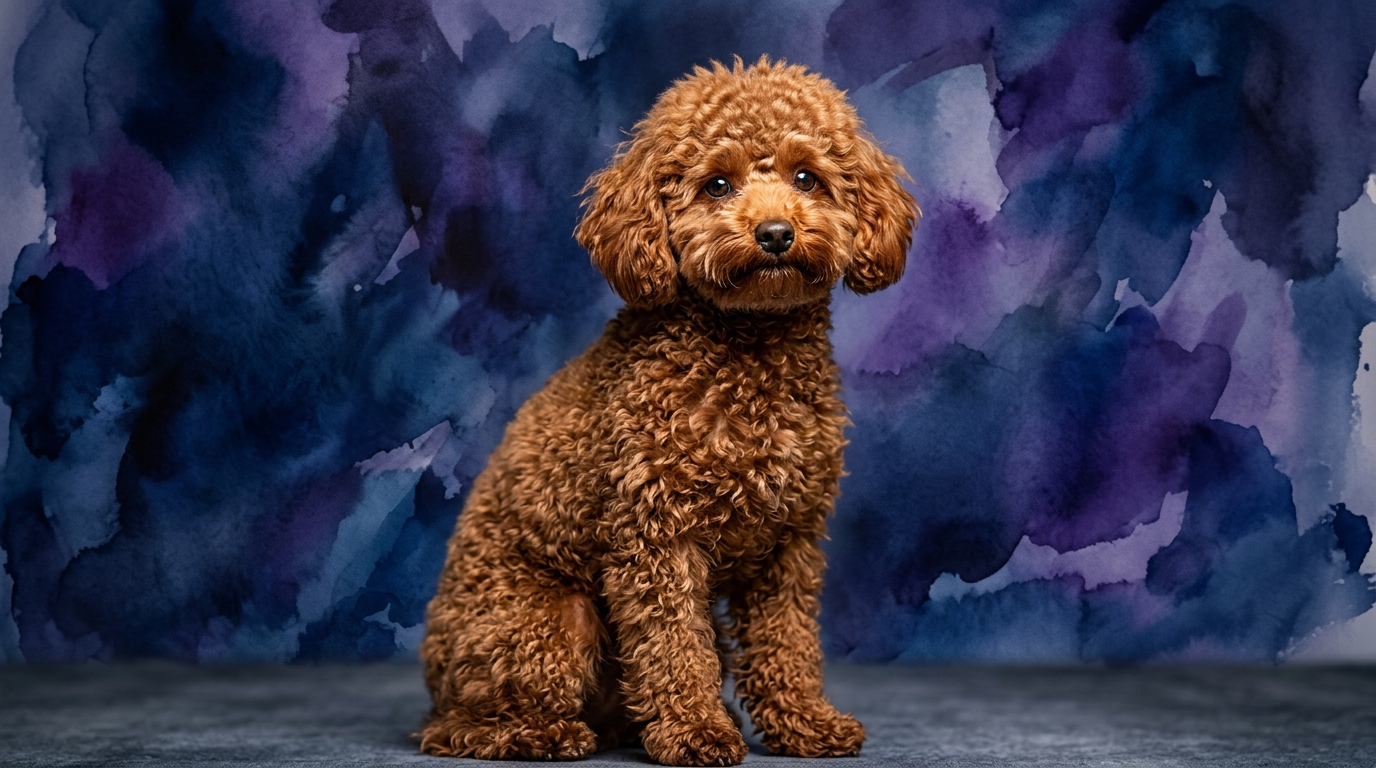
**Toy Poodle (Coren rank #2)**: This companion breed demonstrates a versatile cognitive aptitude. **Problem Solving (5/5)** is exceptional, showing quick analysis and application of learned behaviors to new contexts. **Training Speed (5/5)** is outstanding, enabling rapid acquisition of commands with minimal repetition. **Social Intelligence (3/5)** reflects a capacity for deep bonds and reading human cues, but with a balanced, sometimes selective, social drive. Their **Instinctive Drive (3/5)** is moderate and adaptable, often expressed in retrieving or agility. **Memory (5/5)** is superior, retaining a vast repertoire of commands and experiences over time.
Where the Basset Hound Wins Cognitively
The Basset Hound's cognitive strengths are highly specialized, rooted in its ancestral role. Its 3/5 problem-solving score signifies a unique, relentless persistence in unraveling scent trails, often over challenging terrain and for extended periods. This independent, methodical approach, driven by a powerful 3/5 instinctive drive, allows them to make critical decisions in the field without constant human direction. Their 3/5 memory is acutely tuned for scent patterns and environmental cues relevant to tracking, remembering specific scent locations or hunting ground layouts with remarkable precision. These capabilities, while not broadly applicable to abstract tasks, make them unparalleled in their specialized olfactory niche.
Where the Toy Poodle Wins Cognitively
The Toy Poodle, with its Coren rank of #2, displays broad cognitive excellence, particularly in areas highly valued by human companions. Its 5/5 rating in problem-solving highlights an exceptional capacity for analytical thinking, quickly assessing new situations and devising creative solutions. This directly supports their 5/5 training speed, enabling them to absorb new commands and complex sequences with remarkable rapidity. Their superior memory (5/5) allows retention of a vast vocabulary of commands and routines, making them consistent performers. The Toy Poodle's strengths lie in its versatility and collaborative problem-solving, making it highly responsive to human guidance and eager for interactive, mentally stimulating activities.
Which is Easier to Train, and Why?
The Toy Poodle is significantly easier to train than the Basset Hound, a difference clearly reflected in their 5/5 versus 3/5 training speed scores. The Toy Poodle's inherent eagerness to please, outstanding problem-solving, and superior memory facilitate rapid grasp of new commands. They are highly motivated by positive reinforcement and thrive on mental engagement, quickly forming associations. In contrast, the Basset Hound's training journey is more deliberate. Their 3/5 training speed is heavily influenced by a powerful 3/5 instinctive drive to follow their nose, which often overrides human commands. Their independent problem-solving means they are less inclined to constantly seek direction. Training a Basset requires immense patience, consistency, and creative methods, often incorporating scent work, to make learning more appealing than environmental distractions.
Suitability for Active vs. Relaxed Owners
The Basset Hound suits a **relaxed owner** who appreciates independence and enjoys leisurely, meandering walks. While possessing a persistent drive for scent work, their physical activity is moderate, preferring to explore with their nose rather than intense bursts. They are content with a comfortable home life, needing consistent but not strenuous mental stimulation focused on olfactory senses. The **active owner** seeking a highly engaged and versatile partner will find the Toy Poodle exceptional. Their high problem-solving, rapid training speed, and excellent memory mean they thrive on consistent mental and physical stimulation. They excel in dog sports, interactive games, and learning new tricks, requiring daily opportunities to exercise both body and mind, making them ideal for owners committed to structured challenges and a dynamic lifestyle.
The Verdict
For those who value an independent, scent-driven companion with a calm indoor presence and appreciate a more deliberate approach to training, the Basset Hound is an ideal choice.
If you seek a highly trainable, cognitively versatile partner eager for interactive challenges and a dynamic lifestyle, the Toy Poodle will prove an incredibly rewarding addition.
🧠 Find Your Pet's IQ Score
Our Pet IQ Lab assessment covers 25+ tests across 5 cognitive dimensions — personalized to your breed.
Take the Full IQ Test →Frequently Asked Questions
Do Basset Hounds struggle with memory compared to Toy Poodles?
While both breeds have functional memory, the Toy Poodle's 5/5 memory score indicates a superior capacity for retaining complex commands and routines over time, compared to the Basset Hound's 3/5, which is more specialized for scent trails.
Can a Basset Hound be trained for advanced obedience or tricks?
Yes, Basset Hounds can learn advanced obedience and tricks, but their independent nature and strong scent drive mean it will typically take more patience and repetition than with a Toy Poodle, requiring creative, highly motivating training methods.
Is the Toy Poodle's social intelligence different from other breeds?
The Toy Poodle's 3/5 social intelligence suggests they are capable of deep bonds and reading human cues, but their social drive is balanced, meaning they might be selective in their interactions rather than universally outgoing, similar to many companion breeds.