
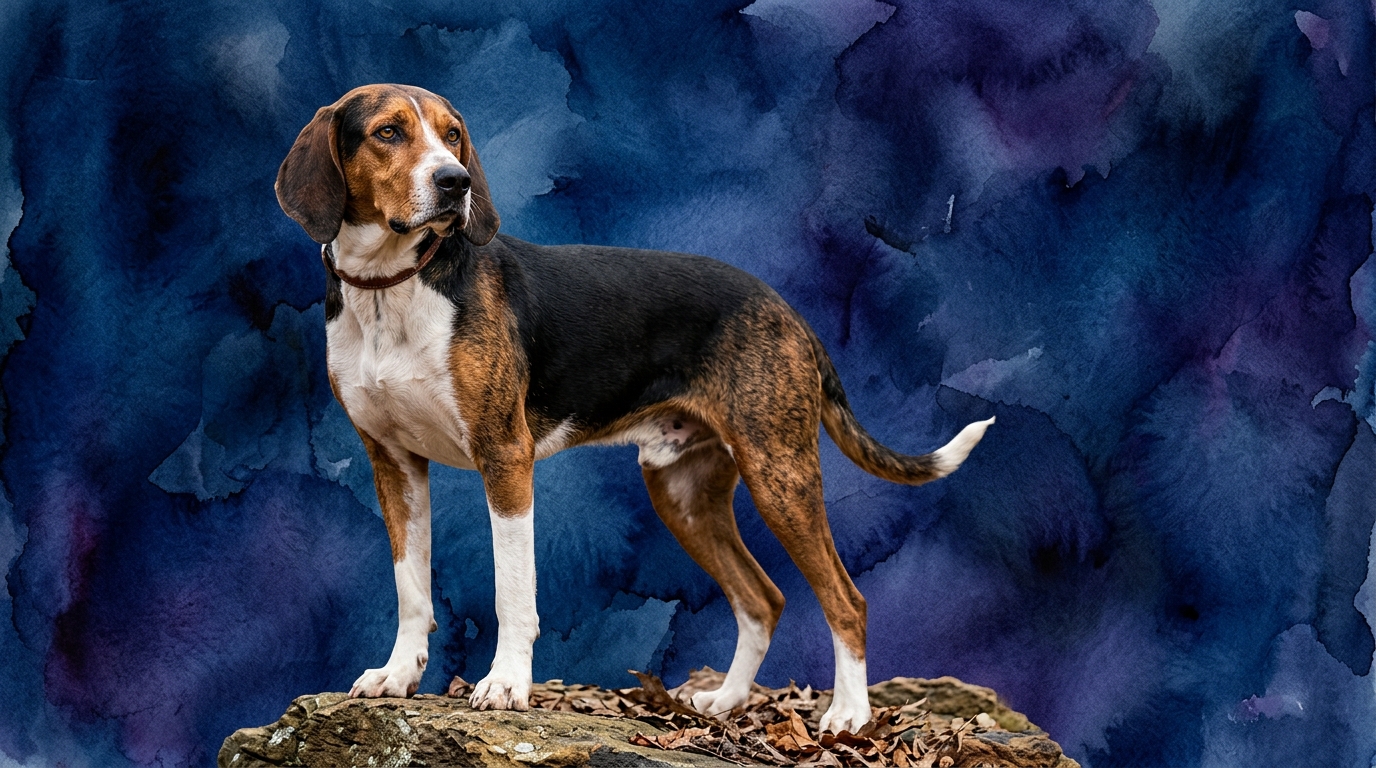
Side-by-Side Cognitive Profile
**Basset Hound IQ Profile:** The Basset Hound, ranked #71 by Coren, demonstrates a specialized cognitive framework. Their **Problem Solving (3/5)** is primarily expressed through scent-driven persistence; they are masters at systematically unravelling complex ground trails, navigating obstacles with their low-slung bodies, and following a compelling scent regardless of human direction. **Training Speed (3/5)** for a Basset requires significant patience due to their independent nature; they often understand commands but prioritize their nose, making rapid compliance challenging. Their **Social Intelligence (3/5)** is characterized by calm affability within their family, forming deep, gentle bonds, though they can be reserved with strangers. The Basset's **Instinctive Drive (3/5)** is almost singularly focused on ground-scenting, leading to unwavering pursuit of a trail, often to the exclusion of all else. They possess a good **Memory (3/5)** for routines, familiar people, and particularly for the intricate details of scent paths, though command recall can be secondary to olfactory interests.
**Treeing Walker Coonhound IQ Profile:** The Treeing Walker Coonhound, while not Coren-ranked, possesses a robust cognitive makeup tailored for active hunting. Their **Problem Solving (3/5)** involves a dynamic blend of athleticism and keen scent work, adept at locating quarry across varied terrains and communicating findings through vocalizations. They exhibit a persistent, sometimes obsessive, drive to solve the 'puzzle' of finding and treeing an animal. **Training Speed (3/5)** can be variable; they are eager to please and can learn quickly when motivated by tasks that align with their natural drives, yet their strong prey drive and independent spirit mean handler commands can become secondary to a captivating scent. Their **Social Intelligence (3/5)** is outgoing and friendly; they thrive on companionship, are active participants in family life, and generally welcome strangers with enthusiasm. The Treeing Walker's **Instinctive Drive (3/5)** is intensely focused on hunting and treeing, showcasing an exceptional ability to follow both airborne and ground scent, track prey over long distances, and vocally "tree" the animal. They demonstrate a strong **Memory (3/5)** for hunting routes, past quarry locations, and specific work-related sounds, alongside good recall for routines and family members.
Where the Basset Hound Wins Cognitively
The Basset Hound truly excels in tasks demanding sustained, meticulous ground-level scent discrimination. Their superior olfactory processing for subtle, aged, or highly complex ground trails gives them a distinct cognitive advantage in specific scent-work scenarios. While a Coonhound might cover ground with greater speed, the Basset's ability to methodically unravel a convoluted scent puzzle, often with an almost meditative focus, demonstrates a unique form of cognitive endurance. This unwavering commitment to a scent, even when it leads them on a protracted and challenging path, highlights a specialized problem-solving approach perfectly tailored for low-to-the-ground tracking.
Where the Treeing Walker Coonhound Wins Cognitively
The Treeing Walker Coonhound exhibits a distinct cognitive advantage in tasks demanding dynamic, multi-sensory integration for active pursuit. Their ability to rapidly switch between ground and air scent, navigate diverse terrain at speed, and then use complex vocalizations to communicate a 'tree' demonstrates a sophisticated blend of sensory processing, spatial reasoning, and communicative intelligence. This breed excels at the entire hunting sequence, requiring quick decisions, persistent tracking, and effective signaling, making them cognitively superior in the holistic process of locating and reporting quarry. Their sustained focus and rich vocal repertoire in the field are specific cognitive strengths.
Which Is Easier to Train and Why
Neither the Basset Hound nor the Treeing Walker Coonhound are typically described as 'easy' to train in the conventional sense, largely due to their independent hound nature and powerful instinctive drives. However, their specific challenges differ. The Basset Hound's training difficulty stems from its profound independence and selective hearing when a scent is present; they understand commands but often choose to ignore them in favor of their nose. Their low motivation for rapid compliance means patience is paramount, and training sessions need to be engaging and short to hold their attention.
Conversely, the Treeing Walker Coonhound, while also possessing a strong independent streak and prey drive, can sometimes be more responsive to a handler's direction, especially if the training taps into their desire to work. They are often more eager to please when they understand the purpose, but their high energy and tendency to become fixated on a scent or movement can make maintaining focus a significant challenge. For owners seeking a dog that will consistently follow commands in varied environments, both breeds require dedicated, consistent effort, but the Basset's sheer stubbornness often presents a unique hurdle compared to the Coonhound's high-octane distraction potential.
Which Suits Active Owners vs. Relaxed Owners
For the truly relaxed owner, the Basset Hound is generally the more suitable choice. While they still require regular, moderate exercise to maintain health and prevent boredom, their energy levels are considerably lower than a Coonhound's. They enjoy leisurely strolls, sniffing every interesting patch of grass, and are content to spend much of their day napping or lounging once their exercise needs are met. Their low-key demeanor makes them excellent companions for quiet evenings at home.
In contrast, the Treeing Walker Coonhound is unequivocally suited for active owners. This breed possesses boundless energy and a profound need for physical exertion and mental stimulation. They thrive on long runs, extensive hikes, and activities that allow them to use their incredible scenting abilities, like scent work classes or or even actual hunting. An owner who cannot provide several hours of vigorous activity daily will likely find a Treeing Walker Coonhound to be restless, destructive, or prone to escape attempts in search of stimulation.
The Verdict
Choose the Basset Hound if you appreciate a calm, affectionate companion with a profound, methodical approach to scent, and you are prepared for a deliberate training journey focused on patience and gentle persuasion.
Opt for the Treeing Walker Coonhound if you lead an active lifestyle, desire a robust and vocal partner for outdoor adventures, and can provide consistent mental and physical challenges to satisfy their energetic, driven nature.
🧠 Find Your Pet's IQ Score
Our Pet IQ Lab assessment covers 25+ tests across 5 cognitive dimensions — personalized to your breed.
Take the Full IQ Test →Frequently Asked Questions
Are Basset Hounds difficult to train?
Basset Hounds can be challenging to train due to their independent nature and powerful scent drive, which often overrides their desire to comply with commands. Consistency, positive reinforcement, and patience are crucial for success.
Do Treeing Walker Coonhounds need a lot of exercise?
Yes, Treeing Walker Coonhounds require significant daily exercise and mental stimulation to thrive. They are an energetic working breed that needs outlets for their strong prey drive and stamina.
Which breed is better with children?
Both breeds can be good with children if properly socialized, but their temperaments differ. Basset Hounds are generally more tolerant and laid-back, while Treeing Walker Coonhounds are more boisterous and might accidentally knock over small children due to their enthusiasm.