Side-by-Side IQ Profile: Beagle vs. Akita
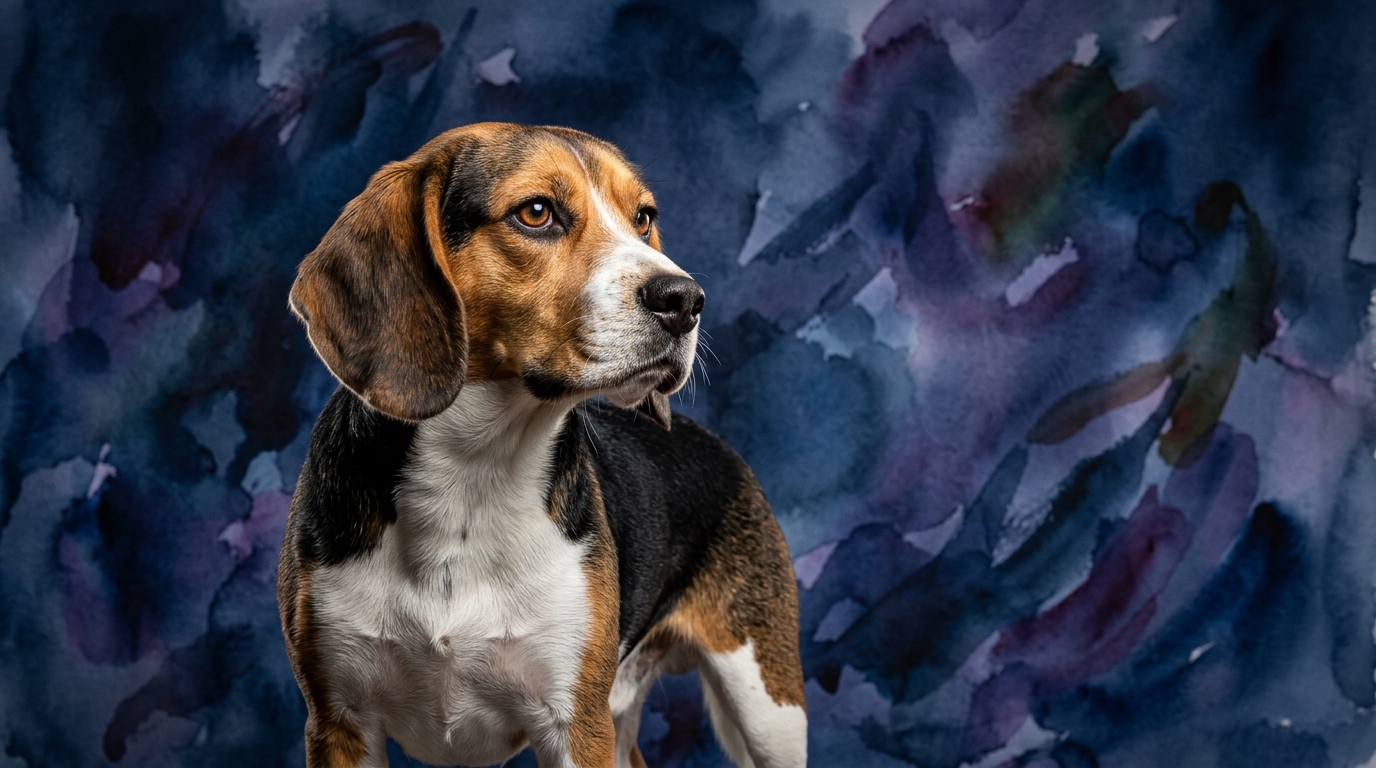
The Cosmic Pet Pet IQ Lab employs a multi-dimensional approach to assess canine cognition, moving beyond a single 'smartness' metric. For the Beagle, a member of the Hound group with a Coren rank of #72, its cognitive strengths are deeply rooted in its olfactory prowess. Its Problem Solving score is 4/5, primarily reflecting its exceptional ability to decipher complex scent trails and navigate environments using smell. However, its Training Speed is 2/5, indicating that while capable of learning, its powerful independent drive often makes consistent compliance a slower process. Social Intelligence stands at 3/5; Beagles are generally amiable but can be intensely focused on their scent work, sometimes appearing oblivious to human social cues. Their Instinctive Drive is a perfect 5/5, dominated by their relentless desire to track. Finally, their Memory is 4/5, particularly strong for scent-related pathways and learned routines, though a compelling scent can sometimes override recent commands.
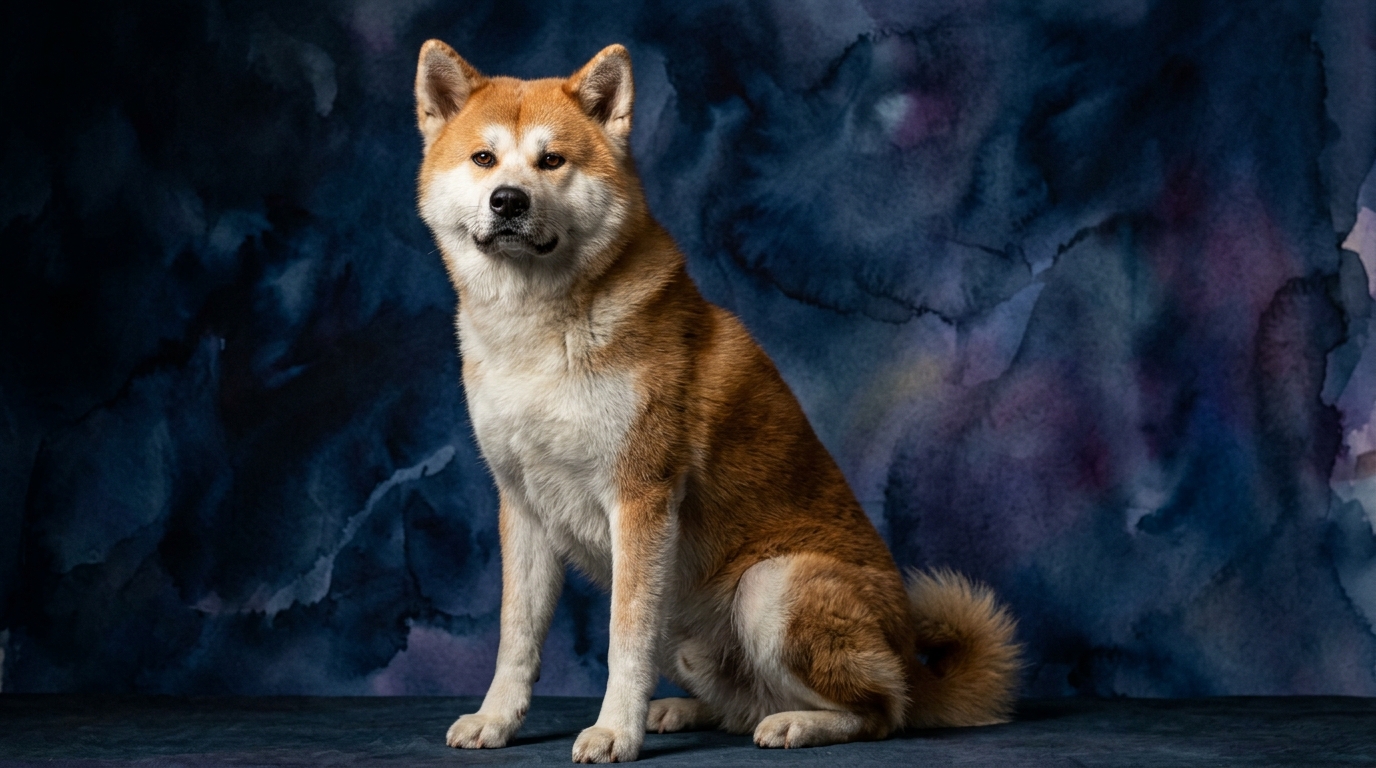
In contrast, the Akita, a Working breed with a higher Coren rank of #54, showcases a different set of cognitive priorities. Its Problem Solving score is 3/5, demonstrating an ability for independent thought and strategic decision-making, particularly in protective contexts, though it might not apply this readily to abstract puzzles. Like the Beagle, its Training Speed is 2/5, but for different reasons – the Akita's independent, strong-willed nature requires a patient and respectful approach to command acquisition. Social Intelligence is 3/5; Akitas are profoundly loyal and attuned to their immediate family but are often reserved or aloof with strangers, valuing a tight inner circle over broad social engagement. Their Instinctive Drive is also 5/5, manifesting as powerful protective instincts, territoriality, and a strong prey drive. An Akita's Memory is 4/5, retaining training and recognizing individuals and routines with remarkable consistency once a concept is truly understood and accepted.
Where the Beagle Excels Cognitively
The Beagle's cognitive superiority primarily resides in its highly specialized Problem Solving (4/5) related to olfaction. While the Akita possesses general problem-solving capabilities, the Beagle's ability to methodically follow, interpret, and persist on intricate scent trails is unparalleled. This isn't merely instinct; it involves complex cognitive mapping, discrimination between scents, and a deep understanding of environmental cues through smell. For instance, a Beagle can identify a specific scent amidst a cacophony of others, tracing a path that would be invisible to other breeds, showcasing a unique form of intelligence crucial for its historical role as a hunter. Their impressive Memory (4/5) also supports this, allowing them to recall specific scent signatures and the locations where they last encountered them, a crucial asset in tracking tasks. Furthermore, while both score 3/5 in Social Intelligence, the Beagle’s pack-oriented heritage often translates to a more outwardly adaptable and generally friendly disposition towards new people and other dogs, once their primary olfactory interests are satisfied. This contrasts with the Akita's more reserved and selective social interactions.
Where the Akita Demonstrates Cognitive Strengths
The Akita, with its higher Coren rank (#54 vs. Beagle #72), exhibits a different kind of cognitive prowess, particularly in areas demanding independent judgment and protective acumen. While its Problem Solving (3/5) might be lower than the Beagle's specialized score, the Akita's capacity for independent thought often manifests in its role as a guardian. This involves assessing situations, making decisions without direct commands, and acting to protect its family or territory – a complex cognitive function that extends beyond simple obedience. Their strong Instinctive Drive (5/5) for protection is intertwined with this capacity, requiring an intricate understanding of social dynamics and potential threats. The Akita’s Memory (4/5) is also formidable, allowing it to retain a vast mental catalog of individuals, routines, and boundaries, which is essential for its role as a vigilant companion. Once an Akita commits to a learned behavior or understands a command, its adherence can be exceptionally steady, reflecting a deep-seated comprehension and purpose-driven compliance that can be more consistent than a scent-distracted Beagle.
Trainability: A Tale of Two Temperaments
Both the Beagle and the Akita share a Training Speed score of 2/5, indicating that neither is inherently 'easy' to train, but the reasons for this challenge are fundamentally different. A Beagle's difficulty in training stems almost entirely from its overwhelming Instinctive Drive (5/5) for scent. When a Beagle's nose is to the ground, its auditory processing for human commands can seemingly shut down. This isn't a lack of comprehension but rather an intense prioritization of its most powerful sense. Effective Beagle training requires making commands intensely rewarding, often more so than the most captivating scent, and demands immense patience and consistency to overcome their innate drive to follow a trail. Owners must anticipate and manage environmental distractions, ensuring that training sessions are engaging and high-value.
Conversely, the Akita's training challenges arise from its independent nature and strong will. An Akita needs to understand the 'why' behind a command and respect the person giving it. They are not dogs that blindly obey; rather, they are partners who choose to comply when they perceive value or clear leadership. Forceful or inconsistent training methods will likely result in resistance or a complete shutdown. Their Social Intelligence (3/5), while strong within their family unit, doesn't translate to an eager desire to please a wide array of human instructors. Successful Akita training relies on building a bond of mutual respect, employing clear, firm, and consistent methods, and ensuring that the dog perceives the trainer as a capable and trustworthy leader. While both require dedication, the Beagle's challenge is about focus management, whereas the Akita's is about motivational alignment and leadership.
Matching Breeds to Lifestyles: Active vs. Relaxed Owners
When considering a Beagle, active owners who enjoy outdoor adventures, particularly those involving exploration and scent work, will find a kindred spirit. Beagles possess an insatiable need to track and explore with their noses, requiring substantial daily exercise and mental stimulation to prevent boredom and destructive behaviors. Long walks, secure off-leash areas for sniffing, and engaging scent games are crucial outlets for their 5/5 Instinctive Drive. A relaxed owner who cannot provide consistent engagement for their Beagle's olfactory and physical needs may find themselves with a dog prone to baying, digging, or escaping in pursuit of a fascinating smell. Their Problem Solving (4/5) is constantly engaged in their environment, making passive companionship insufficient for their cognitive fulfillment.
The Akita, while not a perpetual motion machine like some sporting breeds, still demands an active and engaged owner, though the nature of the activity differs. Their 5/5 Instinctive Drive for guarding means they require structured training, consistent socialization, and clear leadership to channel their powerful protective tendencies constructively. They thrive on routine and purpose, enjoying regular, moderate exercise that includes walks and mental challenges, but they also appreciate quiet time with their family. A 'relaxed' owner who neglects socialization or fails to establish firm boundaries will struggle with an Akita's strong will and potential territoriality. Their Social Intelligence (3/5) is keenly tuned to their family, and they need an owner who can understand and respect their independent nature while providing consistent guidance, making them best suited for owners who are active in their dog's training and behavioral development rather than just physical exercise.
The Verdict
Choose a Beagle if you are a patient, active owner who adores a playful, scent-driven companion and is prepared to consistently manage a dog whose world revolves around its nose.
Opt for an Akita if you are an experienced, confident owner seeking a dignified, loyal, and protective companion, capable of providing strong, respectful leadership and structured socialization.
🧠 Find Your Pet's IQ Score
Our Pet IQ Lab assessment covers 25+ tests across 5 cognitive dimensions — personalized to your breed.
Take the Full IQ Test →Frequently Asked Questions
Are Beagles easily distracted during training?
Yes, Beagles are notably susceptible to distraction, primarily due to their intense olfactory drive. A captivating scent can override even well-learned commands, requiring trainers to employ high-value rewards and consistent, engaging methods to maintain their focus.
Do Akitas get along well with other dogs?
Akitas often exhibit same-sex dog aggression and can be reserved or intolerant of unfamiliar dogs, especially if not socialized extensively from a young age. Their powerful protective instincts mean introductions to other canines should always be carefully managed and supervised.
Which breed is better for a first-time dog owner?
Neither breed is typically recommended for first-time dog owners due to their distinct training challenges and strong temperaments. Beagles require immense patience with their scent-driven distractions, while Akitas demand experienced leadership and consistent management of their independent and protective nature.