Side-by-Side Cognitive Profile: Beagle vs. American Eskimo Dog
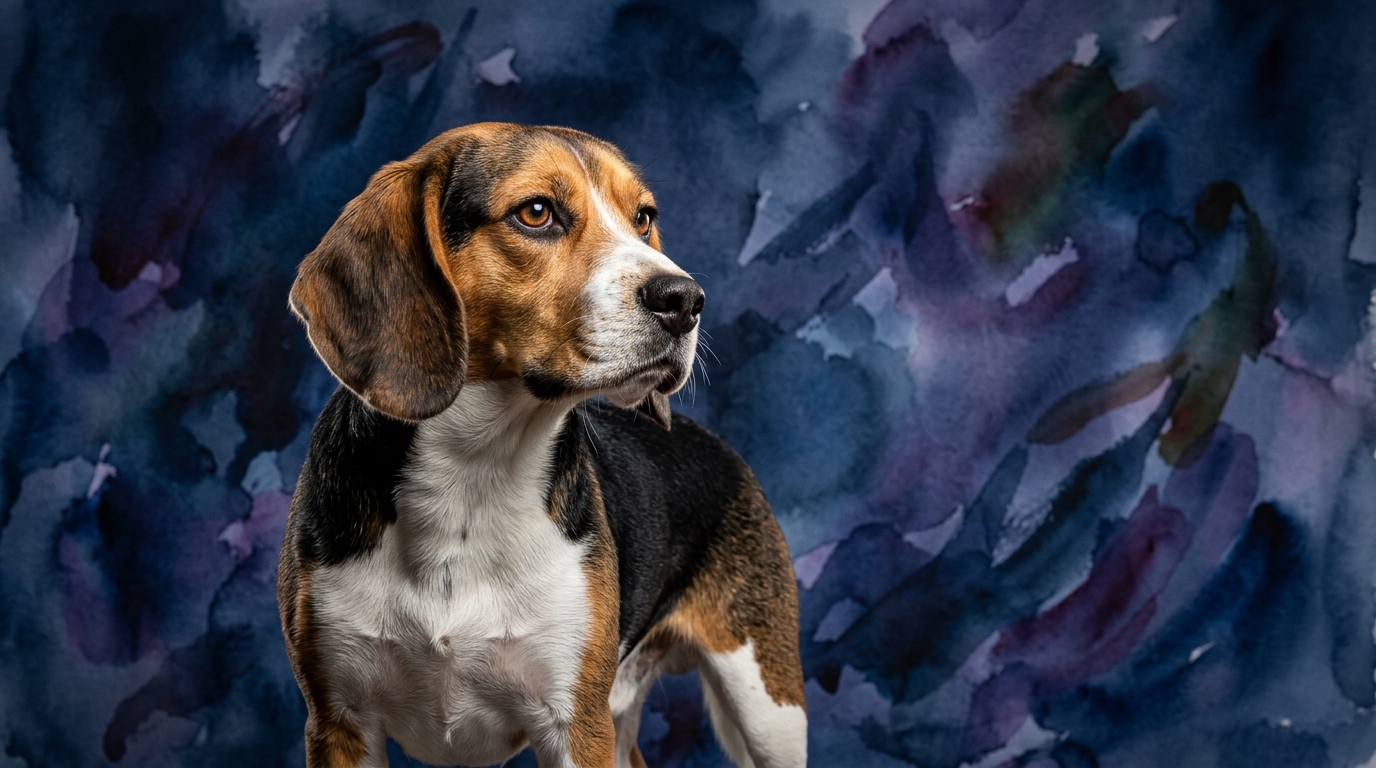
**Beagle (Hound)**: The Beagle's cognitive profile is profoundly shaped by its ancient purpose as a scent hound, manifesting a highly specialized form of intellect. Their Problem Solving, rated 4/5, shines brightest when challenges involve scent. They display remarkable persistence in deciphering complex odor trails to locate hidden items or track specific scents over varied terrain. This singular focus, however, impacts their Training Speed, which stands at 2/5; their formidable Instinctive Drive (5/5) means a compelling scent can easily override a handler's command, making consistent general obedience a challenge and demanding more repetition. Social Intelligence, at 3/5, indicates they are amiable, but their primary cognitive engagement often defaults to their nose, sometimes making them less attuned to subtle social cues than breeds focused on human partnership. Their Memory, 4/5, is robust, particularly for scent patterns and locations where interesting smells or food rewards have been encountered, demonstrating strong associative learning for their inherent behaviors.
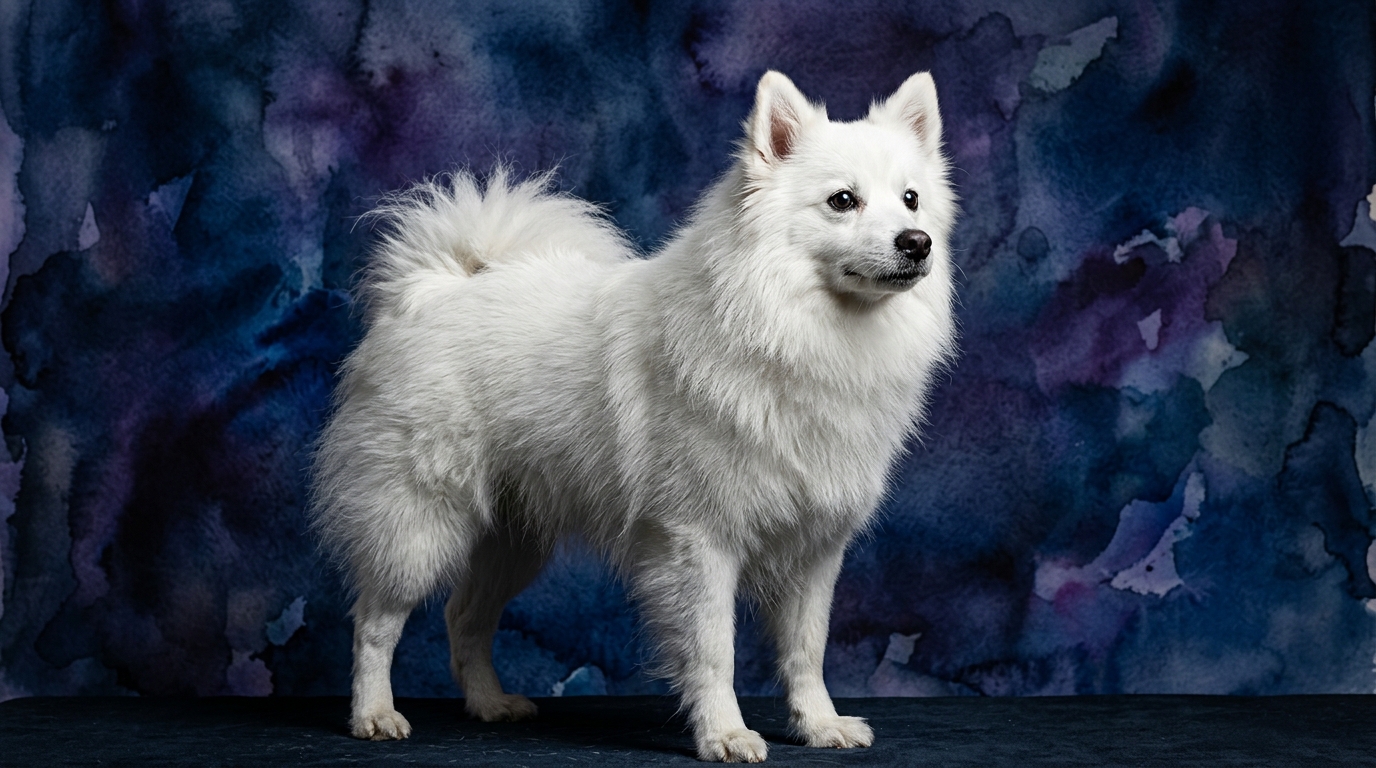
**American Eskimo Dog (Non-Sporting)**: The American Eskimo Dog presents a more balanced and generalized cognitive profile, reflecting its role as a versatile companion. Their Problem Solving, 3/5, allows them to navigate household routines, figure out how to access desired items, and adapt to new environments without the specialized focus of scent hounds. Training Speed is rated 3/5; they learn at a moderate pace, generally responsive to consistent, positive reinforcement, and enjoy engaging with their owners. Social Intelligence, also 3/5, highlights their deep connection to family, forming strong bonds and being attuned to human moods, using body language and vocalizations. Their Instinctive Drive, 3/5, is moderate and balanced, manifesting as a desire for companionship, play, and alerting owners to novelties, allowing for a broader range of interests. Memory, 3/5, is reliable for commands, routines, and past experiences, supporting their adaptability as family pets without the granular detail of a highly specialized working dog.
Where the Beagle Wins Cognitively
The Beagle's cognitive strengths are undeniably rooted in its olfactory prowess and the subsequent problem-solving it employs. With a Problem Solving rating of 4/5 and an Instinctive Drive of 5/5, the Beagle excels in scenarios demanding sustained focus on scent. Their ability to discriminate between complex odors, follow intricate trails for extended periods, and ignore visual or auditory distractions in favor of an olfactory target is a cognitive feat unmatched by many breeds. This involves a sophisticated sensory processing system, allowing them to "map" an environment through smell and remember specific scent signatures. A Beagle presented with a puzzle involving hidden treats or a complex tracking course will often outmaneuver other breeds, not through abstract reasoning, but through an almost obsessive, highly effective application of their primary sense and the problem-solving strategies developed around it. Their persistence, while challenging in training, is a testament to this deep cognitive specialization, allowing them to overcome obstacles that would deter a less scent-driven dog.
Where the American Eskimo Dog Wins Cognitively
The American Eskimo Dog's cognitive advantages lie in its balanced and adaptable intellect, offering a broader range of application compared to the Beagle's specialized nature. With moderate ratings across all five cognitive dimensions, the Eskie demonstrates a versatile mind capable of excelling in various companion roles. Their problem-solving isn't tied to a singular instinct; instead, they can adapt to novel situations, learn complex multi-step routines, and grasp abstract concepts in training more readily than a scent-focused Beagle. Their social intelligence, while sharing the same rating, manifests as a greater attunement to human emotional states and a stronger desire for collaborative engagement, making them more responsive to nuanced social cues. This balanced cognitive profile allows them to integrate smoothly into diverse family dynamics, understand household rules, and engage in varied activities from obedience to tricks, without being overwhelmingly driven by a single instinct.
Training Dynamics: Which Breed is Easier?
When it comes to general obedience and ease of training, the American Eskimo Dog typically presents a smoother path than the Beagle. The Eskie's Training Speed is rated 3/5, indicating a moderate ability to learn and retain commands, often spurred by an eagerness to engage with their owner. Their Instinctive Drive of 3/5 is well-balanced, meaning they are less likely to be overwhelmed or distracted by environmental stimuli, allowing them to focus more intently on the handler and the task at hand. In contrast, the Beagle's lower 2/5 Training Speed stems from its overwhelming 5/5 Instinctive Drive. A Beagle's world is dominated by scents; once they catch an interesting trail, their cognitive focus narrows intensely on that olfactory input, making it incredibly challenging for a handler to regain their attention or enforce a command. This powerful, independent drive for scent exploration means consistent recall or heel work requires immense patience and highly motivating rewards to compete with ground allure. The Eskie's more moderate drives allow for a more cooperative training dynamic, as they are generally more present and receptive to human instruction without such potent internal distractions.
Lifestyle Fit: Active Owners vs. Relaxed Owners
The Beagle, with its profound Instinctive Drive of 5/5 and high energy for scent work, is unequivocally suited for active owners. These dogs require substantial daily physical and mental stimulation that engages their powerful nose. Owners who enjoy long, investigative walks, participate in canine nose work, or are dedicated to managing a relentless drive will find the Beagle rewarding, albeit demanding, companion. A relaxed owner unable to provide consistent outlets for this intense drive may find a frustrated Beagle, as their cognitive need to "hunt" for scents is deeply ingrained, potentially leading to destructive behaviors. The American Eskimo Dog, with its moderate Instinctive Drive of 3/5, offers a more adaptable lifestyle fit. While they enjoy regular exercise, play, and mental enrichment, they are also content with quieter family time. They suit owners who enjoy daily walks, interactive play sessions, and consistent engagement, but do not necessarily require a dog with an all-consuming need for a specific type of work. An Eskie can thrive in both moderately active and somewhat more relaxed households, provided their needs for companionship and general activity are met.
The Verdict
Choose the Beagle if you are fascinated by unparalleled scenting abilities and are prepared to dedicate significant time to channeling a powerful, independent drive for olfactory exploration.
Choose the American Eskimo Dog if you seek a versatile, engaged companion with a balanced cognitive profile, capable of learning various tasks and integrating smoothly into diverse family dynamics.
🧠 Find Your Pet's IQ Score
Our Pet IQ Lab assessment covers 25+ tests across 5 cognitive dimensions — personalized to your breed.
Take the Full IQ Test →Frequently Asked Questions
Are Beagles prone to wandering off during walks?
Yes, their extraordinary instinctive drive for scent (5/5) means a captivating smell can easily override their attention to their handler, leading them to follow a trail and potentially wander far from home. Secure leashing and fencing are crucial for Beagles.
Do American Eskimo Dogs require extensive grooming?
American Eskimo Dogs possess a dense double coat that requires regular grooming, typically several times a week, to prevent matting and manage shedding. While not directly related to IQ, this is a significant ownership consideration.
Can American Eskimo Dogs be good apartment dwellers?
Yes, with their moderate instinctive drive and need for activity, American Eskimo Dogs can adapt well to apartment living, provided they receive adequate daily exercise, mental stimulation, and consistent companionship from their owners.