Side-by-Side IQ Profile: Deconstructing Canine Minds
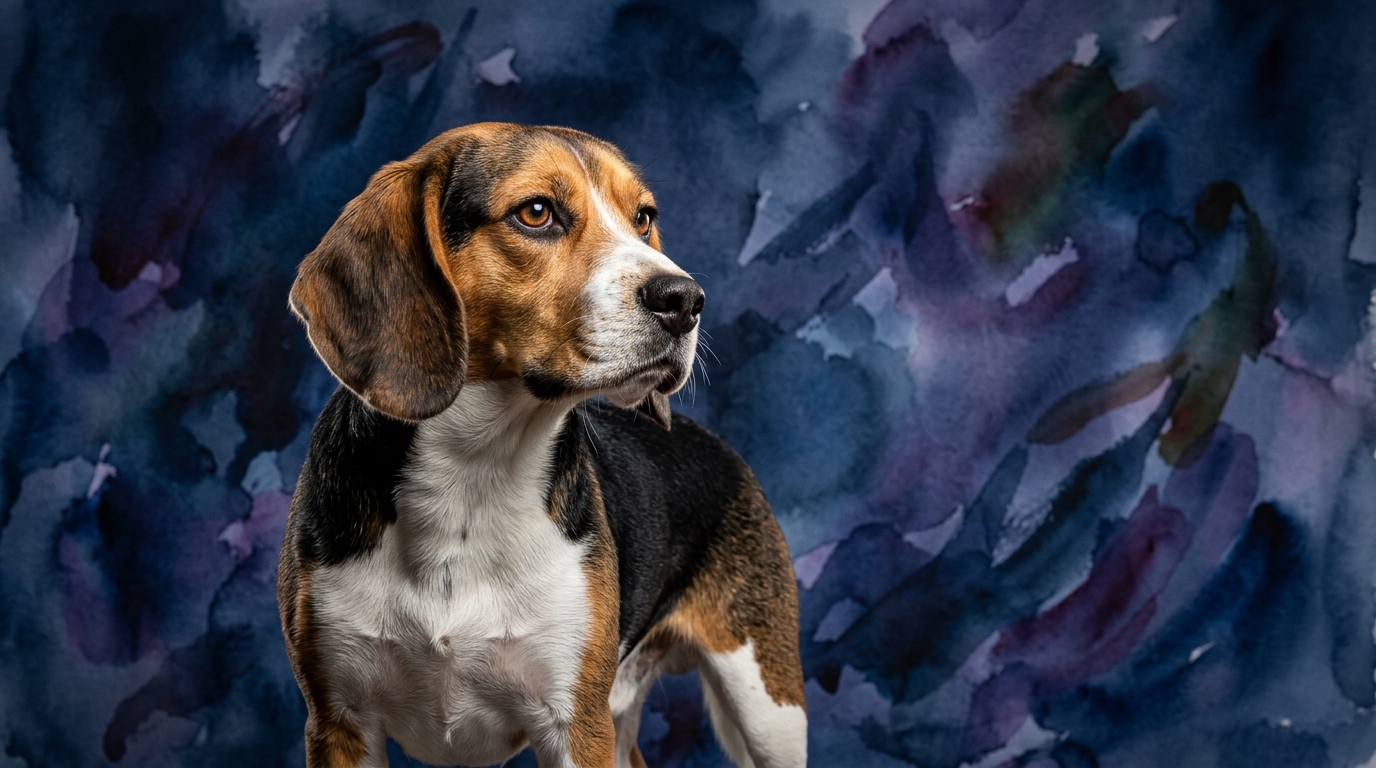
The Cosmic Pet Pet IQ Lab employs a five-dimensional framework to assess canine intelligence, moving beyond simple obedience to encompass a broader spectrum of cognitive abilities. For the Beagle, ranked #72 by Coren, its profile paints a picture of a specialized intellect: Problem Solving at 4/5, Training Speed at 2/5, Social Intelligence at 3/5, Instinctive Drive at 5/5, and Memory at 4/5. This suggests a breed adept at navigating complex sensory information and retaining vast amounts of environmental data, albeit with a deliberate approach to formal training. Their high instinctive drive is a defining characteristic, often directing their cognitive efforts.
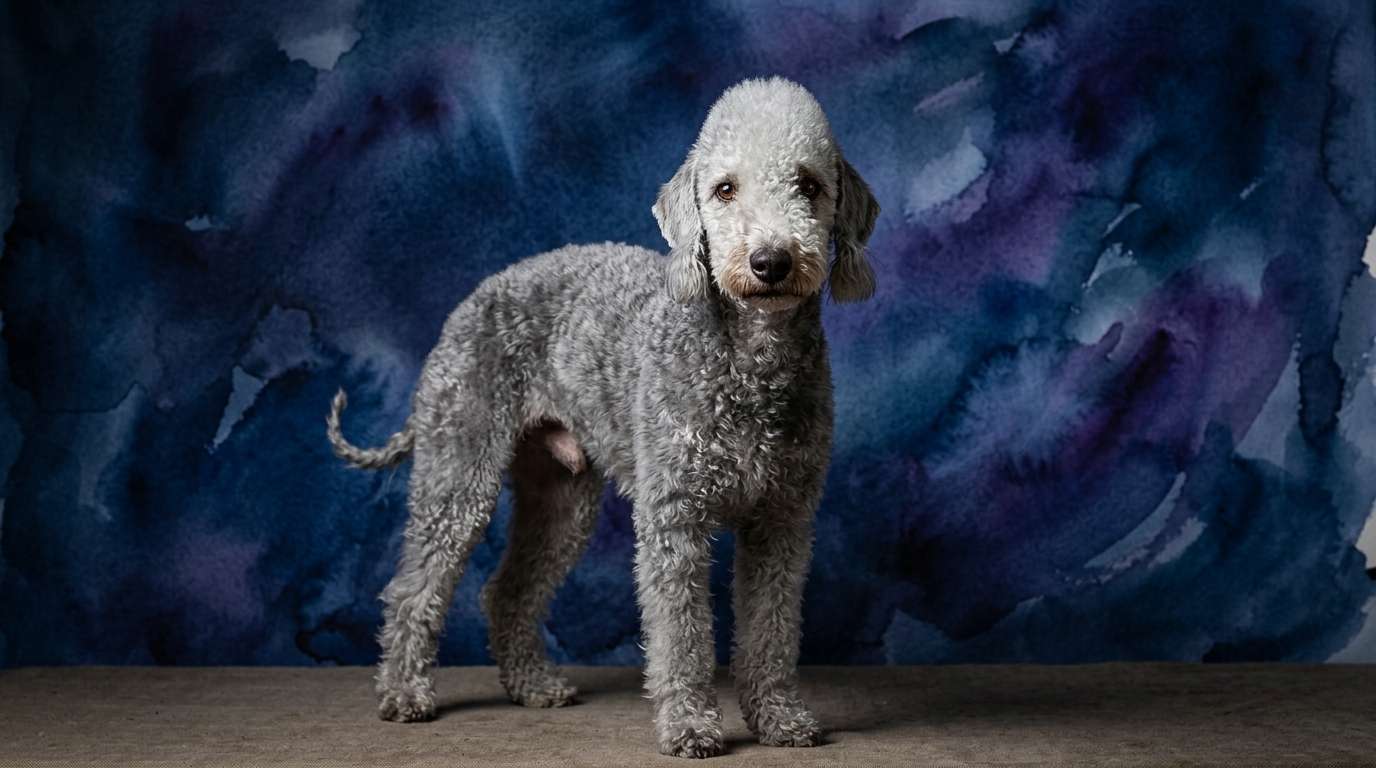
In contrast, the Bedlington Terrier, without a Coren ranking, presents a more balanced cognitive blueprint: Problem Solving at 3/5, Training Speed at 3/5, Social Intelligence at 3/5, Instinctive Drive at 3/5, and Memory at 3/5. This balanced profile indicates a versatile learner, capable across various tasks without the intense specialization seen in the Beagle. While not possessing the Beagle's extraordinary olfactory problem-solving or memory, the Bedlington's scores suggest a dog that can adapt to different learning scenarios with a moderate, manageable drive, making it a potentially more amenable partner for diverse activities beyond its inherent terrier instincts.
Where the Beagle's Cognition Shines Brightest
The Beagle's cognitive strengths are profoundly tied to its ancestral purpose: scent work. Its Problem Solving score of 4/5 is a testament to its exceptional ability to decipher and follow intricate scent trails, requiring complex spatial reasoning and the capacity to filter out irrelevant stimuli. This isn't just about 'following a nose'; it's about making decisions based on subtle olfactory cues, understanding scent gradients, and persisting through environmental challenges to locate a source. Their impressive Instinctive Drive of 5/5 fuels this problem-solving, providing an unwavering focus and determination that few breeds can match when engaged in a scenting task. A Beagle will meticulously work out a puzzle presented through scent, demonstrating remarkable dedication.
Furthermore, the Beagle's Memory, rated at 4/5, is particularly robust for olfactory information and spatial mapping related to their explorations. They can recall scent profiles and the pathways associated with them, allowing them to return to areas of interest or remember where specific scents were last detected. This memory, combined with their instinctive drive, makes them exceptionally good at what they were bred to do: tracking and trailing. While this intense focus can sometimes be a challenge in other contexts, it is undeniably a cognitive triumph within their specialized domain, showcasing a deep, almost obsessive, intellectual engagement with their sensory world.
Bedlington Terrier's Cognitive Edge: Adaptability and Balance
The Bedlington Terrier's cognitive advantages lie in its balanced and adaptable intellectual profile. While its Problem Solving score of 3/5 might not reach the Beagle's specialized heights, it indicates a capable mind that can approach a broader range of challenges without being solely fixated on one sensory input. This breed can think independently to solve problems related to vermin control, requiring quick assessments and strategic action, but can also pivot to learn new tasks that don't rely on innate drives. Their moderate Instinctive Drive (3/5) means they possess the terrier tenacity without the overwhelming, singular focus that can sometimes overshadow other cognitive functions in more specialized breeds.
Perhaps the most significant cognitive advantage for the Bedlington Terrier is its Training Speed, rated at 3/5, which is notably higher than the Beagle's 2/5. This suggests a greater readiness and ability to absorb and respond to human-directed instruction. Their social intelligence, also at 3/5, combined with this training speed, makes them more amenable to collaborative learning. They are less likely to be 'distracted' by an overpowering instinct, allowing them to process and integrate new commands more readily into their behavioral repertoire. This balanced intellectual toolkit means the Bedlington can be a more versatile and cooperative student, excelling in activities that require a blend of independent thought and responsiveness to human cues.
Training Dynamics: Beagle's Nose vs. Bedlington's Willingness
When it comes to ease of training, the Bedlington Terrier generally presents a less challenging experience for the average owner compared to the Beagle. The Bedlington's Training Speed of 3/5, coupled with a moderate Instinctive Drive of 3/5, means they are often more receptive to learning commands and performing tasks that align with human expectations. Their terrier drive is present, but it's typically more manageable; they can be motivated by praise, toys, or food without their instincts overriding all other stimuli. Real behavioral differences include a Bedlington's capacity to focus on a handler during a training session, even in moderately distracting environments, making foundational obedience more straightforward to establish.
The Beagle, with its Training Speed of 2/5 and an overwhelming Instinctive Drive of 5/5, presents a distinct set of training challenges. While their Problem Solving (4/5) and Memory (4/5) are strong, these are often directed by their nose. A Beagle's brain is constantly processing scent, and once a compelling trail is detected, their drive to follow it can become an almost insurmountable barrier to human commands. Teaching a Beagle reliable recall or loose-leash walking requires immense patience, consistency, and often specialized training techniques to compete with the allure of a captivating scent. Their natural inclination is to explore their olfactory world, and overriding this deep-seated behavior is a significant undertaking, making training feel like a constant negotiation with their instincts rather than a straightforward teaching process.
Matching Canine Cognition to Owner Lifestyles
The distinct cognitive profiles of the Beagle and Bedlington Terrier naturally align with different owner lifestyles. The Beagle, with its high Instinctive Drive (5/5), exceptional Problem Solving (4/5) for scent, and robust Memory (4/5) for trails, is an ideal companion for active owners who relish engaging with a dog's natural instincts. These are individuals who enjoy long, investigative walks where their dog can 'work' its nose, participate in scent work sports like K9 Nose Work, or dedicate time to managing a dog whose primary motivation is olfactory exploration. A relaxed owner who prefers short, structured walks and minimal engagement with dog sports might find the Beagle's persistent drive and need for mental stimulation overwhelming, leading to frustration for both dog and owner.
Conversely, the Bedlington Terrier, with its balanced IQ scores (3/5 across most dimensions), suits owners who appreciate an active dog but also value adaptability and a more cooperative nature. These could be moderately active owners who enjoy regular walks, some playful interaction, and perhaps dabble in various dog sports like agility, obedience, or earthdog trials without needing a breed singularly focused on one task. Their moderate Instinctive Drive (3/5) means they are less likely to be constantly 'on the hunt' compared to a Beagle, allowing for more relaxed indoor periods and a greater capacity to switch between activities. A relaxed owner who still enjoys daily engagement but doesn't want to manage an overwhelming drive would likely find the Bedlington Terrier a more harmonious fit for their lifestyle.
The Verdict
Choose the Beagle if you are an active, dedicated owner eager to channel a powerful scent drive into engaging activities like tracking or scent work, understanding their training will require patience and consistency to compete with their nose.
Opt for the Bedlington Terrier if you seek a versatile, moderately active companion who is generally more amenable to training and can adapt to a wider array of activities, offering a balanced intellectual partnership without overwhelming specialized instincts.
🧠 Find Your Pet's IQ Score
Our Pet IQ Lab assessment covers 25+ tests across 5 cognitive dimensions — personalized to your breed.
Take the Full IQ Test →Frequently Asked Questions
Is a Beagle difficult to train for basic obedience?
Due to their intense instinctive drive for scent (5/5) and lower training speed (2/5), Beagles can be challenging for basic obedience. Their nose often overrides commands, requiring consistent, patient, and highly motivating training techniques to achieve reliability.
Do Bedlington Terriers require a lot of mental stimulation?
Bedlington Terriers have a balanced cognitive profile (3/5 across most dimensions), meaning they benefit from regular mental stimulation but typically don't demand the same intensity or specialized outlet as a Beagle. They enjoy learning new tricks, puzzle toys, and varied activities.
Which breed is better for a first-time dog owner?
For a first-time dog owner, the Bedlington Terrier's more balanced cognitive profile, including a better training speed and moderate instinctive drive, generally makes them an easier and more forgiving choice compared to the highly specialized and scent-driven Beagle.