Side-by-Side IQ Profile: Beagle vs. Glen of Imaal Terrier
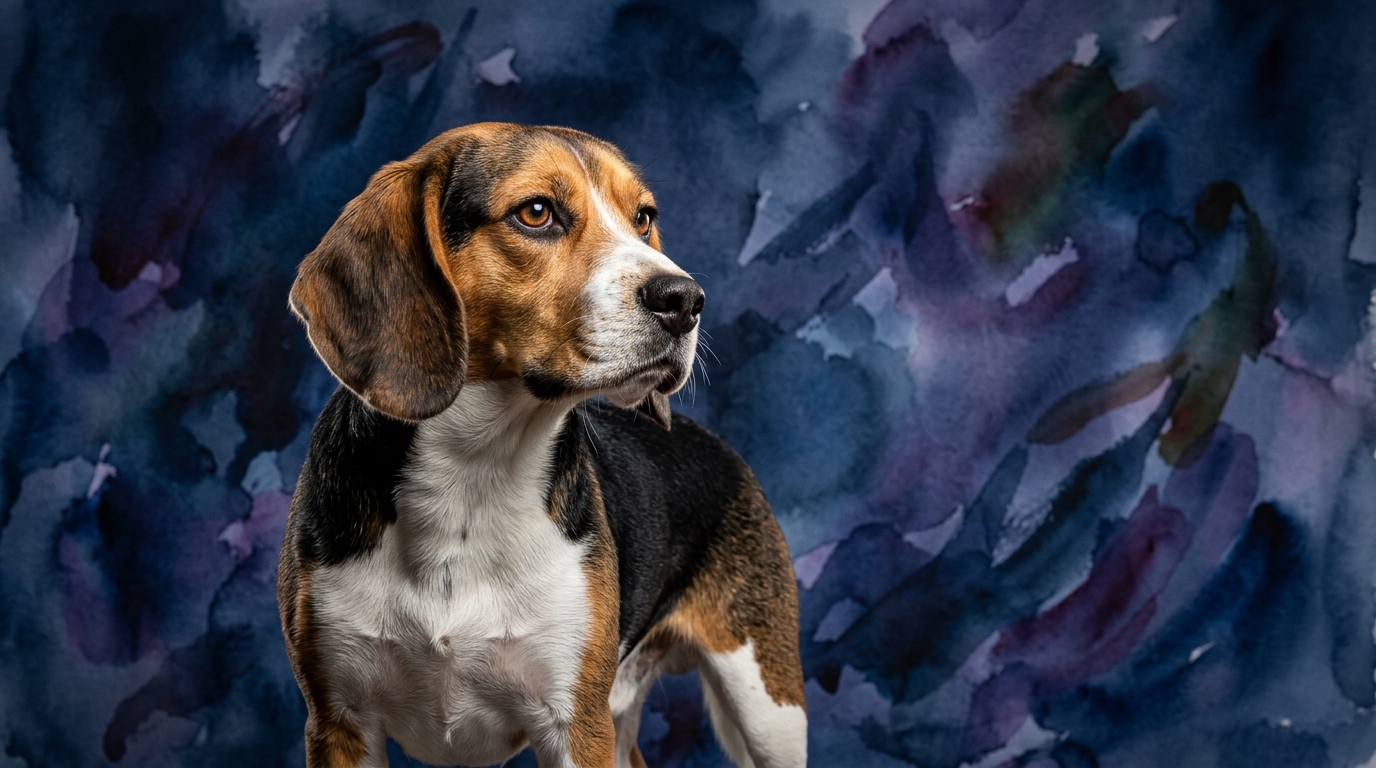
The Cosmic Pet Pet IQ Lab offers a nuanced look at canine cognition, moving beyond simple 'smart' labels. For the Beagle, a hound breed, its Coren ranking of #72 places it in the 'average working/obedience intelligence' category, reflecting its specialized skillset. Its Problem Solving is rated 4/5, indicating a strong capacity to strategize and overcome obstacles, particularly when driven by scent. Training Speed at 2/5 suggests a slower acquisition of new commands, often due to its singular focus on olfactory input rather than handler cues. Social Intelligence scores 3/5, meaning it can read human and canine signals adequately but might prioritize its own sensory world. Its Instinctive Drive is a commanding 5/5, almost entirely centered on scent tracking and pursuit, an unwavering, powerful impulse. Memory, at 4/5, is particularly robust for recalling complex scent trails and environmental layouts related to its hunting tasks.
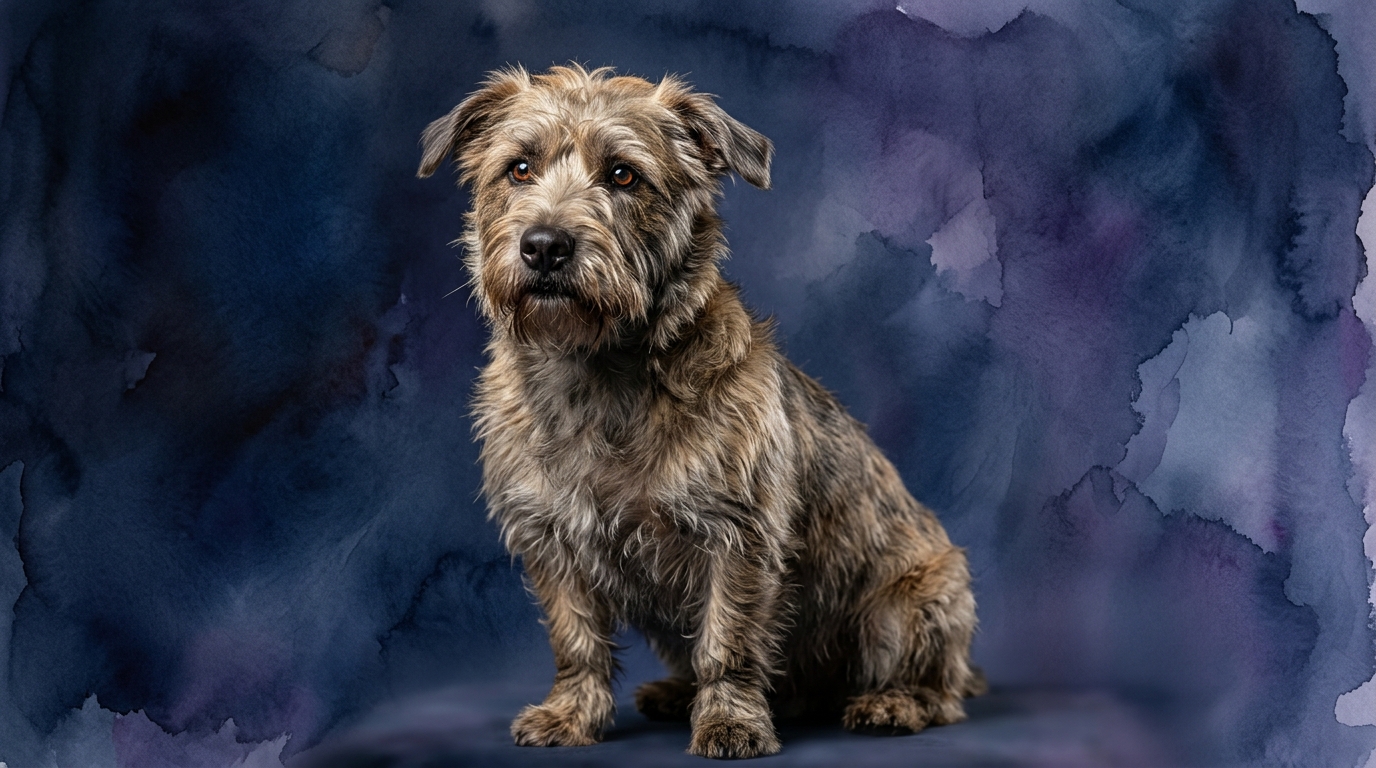
In contrast, the Glen of Imaal Terrier, a terrier breed unranked by Coren, presents a different cognitive profile. Its Problem Solving is 3/5, demonstrating a practical, often independent approach to challenges, typical of a dog bred to work alone underground. Training Speed is rated 3/5, suggesting a moderate pace of learning, potentially more amenable to varied tasks than the Beagle, though still possessing terrier stubbornness. Social Intelligence also stands at 3/5, indicating a balanced ability to interact, neither overly dependent nor entirely aloof. Its Instinctive Drive is 3/5, focused on digging, chasing, and dispatching vermin, present but less overwhelmingly single-minded than the Beagle's scent drive. Memory at 3/5 is solid for retaining learned routines and spatial awareness within its working environment, though perhaps not as specialized or extensive as the Beagle's olfactory memory.
Where the Beagle Wins Cognitively
The Beagle’s cognitive triumphs are deeply rooted in its olfactory prowess. Its 4/5 Problem Solving isn't about abstract puzzles, but rather about navigating intricate environments to locate a scent source. This involves sophisticated decision-making: discerning relevant odors from countless distractions, remembering complex crisscrossing trails, and adjusting its search pattern based on scent intensity. Its 5/5 Instinctive Drive fuels an unparalleled persistence; a Beagle will follow a scent line for hours, ignoring fatigue and environmental discomfort, a testament to its singular focus and internal motivation. Furthermore, its 4/5 Memory shines in retaining vast 'scent maps' – recalling specific locations, the age of a scent, and even the direction a quarry moved, allowing it to pick up a cold trail with remarkable accuracy. This specialized memory is a unique cognitive advantage, making it a master of scent-based detection and tracking far beyond most other breeds.
Where the Glen of Imaal Terrier Wins Cognitively
The Glen of Imaal Terrier, while not possessing the Beagle’s specialized scent memory, excels in a different domain of problem-solving, perfectly suited to its original purpose. Its 3/5 Problem Solving reflects a resilient, independent approach to challenges, particularly in confined, unpredictable environments. Bred to work underground, often out of sight from its handler, the Glen had to make quick, autonomous decisions when confronting vermin. This involves assessing a situation, strategizing how to corner or extract prey, and adapting to changing conditions within a burrow. Its 3/5 Instinctive Drive, while not as overwhelming as the Beagle's, is a tenacious force for digging and pursuit, allowing it to persist through physical discomfort or tight spaces. The Glen's cognitive strength lies in its grit and determination, combined with a practical intelligence that prioritizes efficacy in a challenging, solitary working context. It’s less about following a trail and more about confronting and resolving a direct, immediate problem.
Which is Easier to Train and Why
Comparing training ease reveals distinct challenges and rewards for each breed. The Beagle, with its 2/5 Training Speed, is often perceived as difficult due to its overwhelming 5/5 Instinctive Drive. A Beagle’s nose is its primary driver; once a compelling scent is detected, all other stimuli, including human commands, often fade into the background. This single-minded focus, while invaluable for its original purpose, means training requires immense patience, consistency, and creative methods to compete with olfactory distractions. Recall can be particularly challenging outdoors.
The Glen of Imaal Terrier, with a 3/5 Training Speed, offers a slightly different training dynamic. While it possesses the typical terrier independence and can be stubborn, its instinctive drive (3/5) is less all-consuming than the Beagle's. Glens are generally more responsive to positive reinforcement and varied training tasks, provided they see the value in cooperating. Their problem-solving skills mean they can learn quickly when motivated, but their independent nature means they may question commands rather than blindly obey. Therefore, while both require dedicated trainers, the Glen might be perceived as more adaptable to a wider range of obedience tasks, whereas the Beagle demands a trainer who deeply understands and respects its profound scent-driven nature.
Which Suits Active Owners vs. Relaxed Owners
The choice between a Beagle and a Glen of Imaal Terrier also hinges on an owner’s lifestyle and capacity for engagement. The Beagle, despite its moderate size, is fundamentally an active working dog. Its 5/5 Instinctive Drive for scent work means it requires significant mental and physical exertion to be content. Owners need to provide ample opportunities for sniffing, tracking games, long walks where they can explore scents, or even participation in scent work sports. A Beagle without an outlet for its primary cognitive function can become frustrated, vocal, and potentially destructive. They suit active owners who enjoy outdoor activities and are prepared to engage deeply with their dog’s inherent drive.
The Glen of Imaal Terrier, while still a working terrier, presents a more moderate energy profile. Its 3/5 Instinctive Drive translates to a need for regular exercise and mental stimulation, but not necessarily the relentless pursuit of scent that defines the Beagle. Glens enjoy walks, playtime, and opportunities to dig (perhaps in a designated sandpit), but they are also known for being more relaxed indoors, settling down after their needs are met. They can suit active owners who enjoy daily walks and engaging play, but also relaxed owners who appreciate a dog that can transition from outdoor activity to quiet companionship relatively smoothly, without the Beagle’s singular, overwhelming demand for olfactory engagement. They need mental challenges, but not necessarily the same intensity or specificity.
The Verdict
For those captivated by the profound world of scent and prepared to channel an unwavering, specialized drive, the Beagle offers unparalleled companionship.
For owners seeking a resilient, independent, and moderately active companion with a practical, problem-solving mind, the Glen of Imaal Terrier is an exceptional choice.
🧠 Find Your Pet's IQ Score
Our Pet IQ Lab assessment covers 25+ tests across 5 cognitive dimensions — personalized to your breed.
Take the Full IQ Test →Frequently Asked Questions
Are Beagles difficult to train because of their nose?
Beagles can present unique training challenges due to their powerful 5/5 instinctive drive for scent. Their profound olfactory focus often overrides other stimuli, making consistent recall and obedience difficult, especially when a compelling scent is present. Patience and creative, positive reinforcement focused on their scent drive are crucial for success.
Do Glen of Imaal Terriers need a lot of exercise?
Glen of Imaal Terriers require regular exercise to satisfy their moderate 3/5 instinctive drive, including daily walks and opportunities for play and digging. While they are active dogs, they are generally known for being able to settle down indoors after their physical and mental needs are met, making them less demanding than some other working breeds.
Which breed is better with children?
Both Beagles and Glen of Imaal Terriers can be wonderful family companions, each with their own considerations. Beagles, with their social intelligence of 3/5, are generally good-natured and tolerant but might follow their nose over child interaction. Glens, also with a 3/5 social intelligence, are sturdy and generally good-tempered, but their terrier independence means they appreciate respectful interactions. Supervision is always recommended with any dog and children.