A Side-by-Side Look at Cognitive Profiles
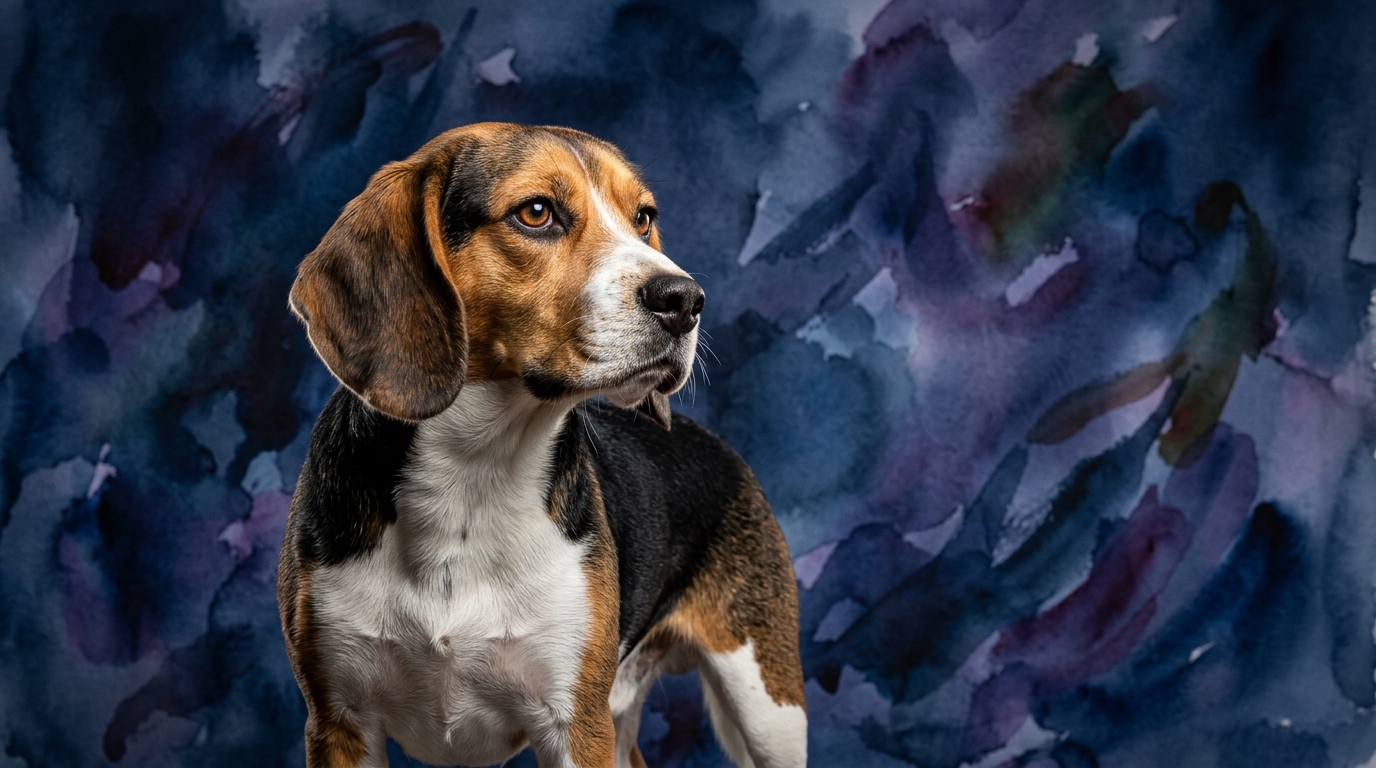
The Beagle, a Hound breed, registers a Coren rank of #72, indicating a specific type of working intelligence. Their cognitive profile shows a robust 4/5 in Problem Solving, particularly in navigating complex environments through scent. Training Speed is rated at 2/5, reflecting their independent nature and powerful distractions. Social Intelligence stands at 3/5, suggesting a capacity for understanding pack dynamics and human cues, while their Instinctive Drive is an unparalleled 5/5, primarily focused on olfactory pursuits. Memory is strong at 4/5, enabling them to recall intricate scent patterns and locations.
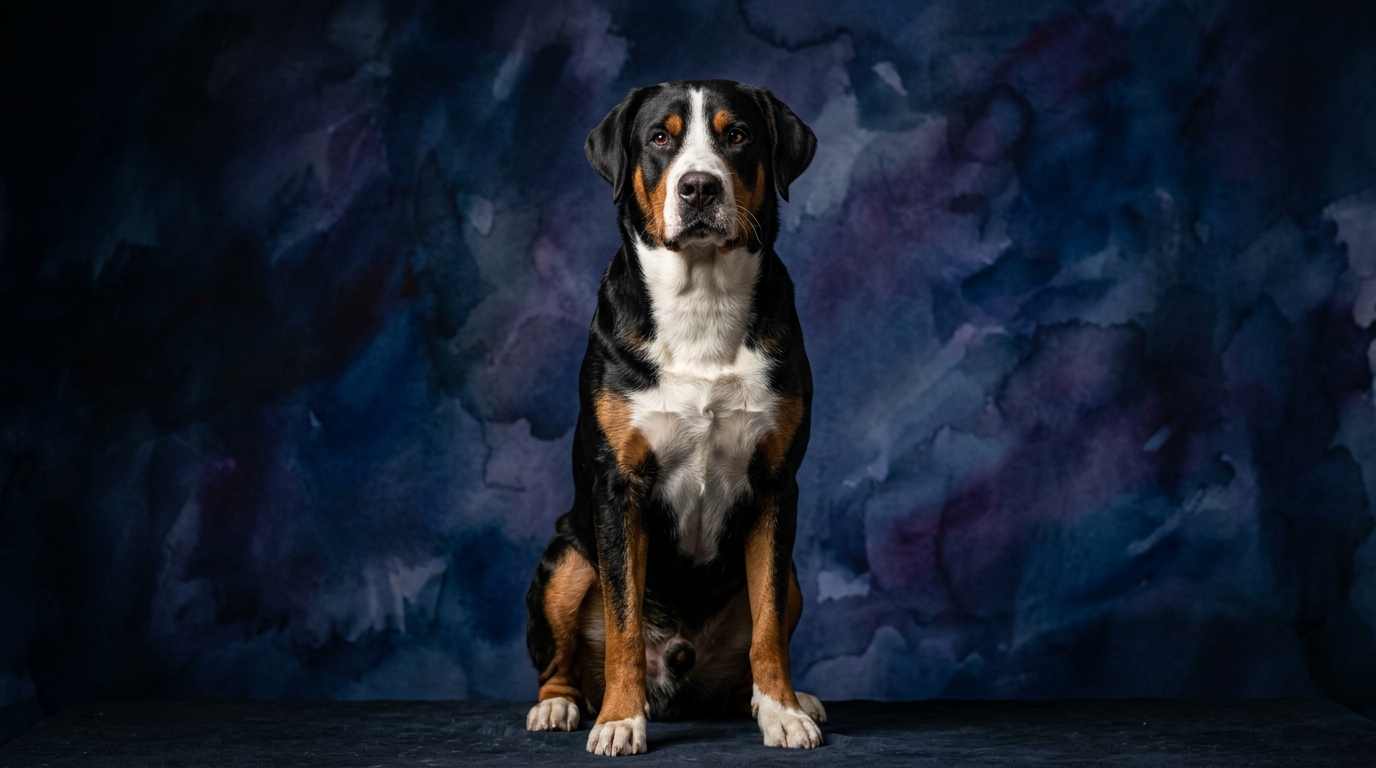
In contrast, the Greater Swiss Mountain Dog, a Working breed, is not Coren-ranked but displays a balanced cognitive profile. They exhibit a consistent 3/5 across all five dimensions: Problem Solving, Training Speed, Social Intelligence, Instinctive Drive, and Memory. This indicates a steady, practical approach to challenges, a moderate but consistent learning pace, a solid understanding of social structures, a manageable drive for working tasks, and reliable recall of routines and commands. Their intelligence is characterized by a well-rounded aptitude rather than extreme specialization.
Where the Beagle's Mind Shines Brighter
The Beagle's cognitive prowess is most evident in its specialized problem-solving (4/5) and extraordinary instinctive drive (5/5). Their ability to meticulously follow and interpret a complex scent trail, often reconstructing entire narratives from faint olfactory cues, is a testament to their unique mental architecture. This isn't merely instinct; it's a sophisticated form of environmental navigation and deduction that few other breeds possess. Their remarkable memory (4/5) further enhances this, allowing them to retain vast libraries of scent information and recall specific patterns over time. This singular focus, while sometimes challenging for obedience, represents a profound cognitive strength in their domain.
The Greater Swiss Mountain Dog's Distinct Cognitive Strengths
The Greater Swiss Mountain Dog's balanced cognitive profile (3/5 across the board) is its most significant strength. While they might not display the Beagle's extreme specialization in one area, their consistent aptitude across problem-solving, training speed, social intelligence, instinctive drive, and memory makes them highly adaptable and reliable. Their problem-solving tends towards practical, physical challenges, such as navigating varied terrain or understanding spatial relationships in their environment. This well-roundedness ensures they can engage effectively in a wider range of tasks and social situations without the overwhelming single-mindedness seen in breeds with higher specialized drives.
Training Dynamics: Patience vs. Persistence
When it comes to training, the Beagle's 2/5 Training Speed presents a unique challenge. This lower rating doesn't imply a lack of capacity to learn, but rather a powerful, overriding instinctive drive (5/5) that often prioritizes scent exploration over immediate human commands. Their single-minded pursuit of a compelling odor can make them appear stubborn or distracted, requiring owners to employ highly engaging, consistent, and reward-based methods to capture and maintain their focus. Training a Beagle demands significant patience and creativity to work with, rather than against, their innate inclinations, especially in environments rich with olfactory stimuli.
The Greater Swiss Mountain Dog, with a 3/5 Training Speed, generally offers a more straightforward training experience. They learn at a steady pace and are typically receptive to clear, consistent instruction. Their moderate instinctive drive (3/5) means they are less prone to becoming completely engrossed in external stimuli, allowing them to remain more attentive during training sessions. While they still benefit immensely from positive reinforcement and early socialization, the battle against overwhelming natural instincts is less pronounced compared to a Beagle, making them often more amenable to a wider variety of training regimens and environments.
Matching Minds to Lifestyles: Active Explorers vs. Steady Companions
Beagles are ideal for active owners who are prepared to embrace and channel their extraordinary instinctive drive and specialized cognitive strengths. Owners who enjoy long, exploratory walks, engage in scent work, or participate in competitive nose work will find a Beagle's 4/5 problem-solving and 5/5 instinctive drive align perfectly with their lifestyle. Their memory for intricate scent patterns means they require consistent mental engagement that satisfies their profound hound nature, thriving in environments where they can utilize their olfactory talents extensively.
The Greater Swiss Mountain Dog suits owners looking for a steadfast, reliable companion with a more balanced cognitive profile and energy level. While they appreciate regular exercise and mental stimulation, their consistent 3/5 ratings across all IQ dimensions mean they are content with established routines and family-centered activities. Owners seeking a dog for consistent, practical tasks, a watchful family member, or a steady presence that learns reliably will find the GSMD's well-rounded intelligence and predictable demeanor to be an excellent match.
The Verdict: When to Choose Each
The Verdict
Choose a Beagle if you are an enthusiastic owner ready to embrace and channel a powerful scent drive, valuing an independent problem-solver with exceptional memory for olfactory information and prepared for patient, creative training.
Opt for a Greater Swiss Mountain Dog if you seek a stable, well-rounded companion who learns consistently and integrates seamlessly into family life, appreciating their practical intelligence and steady demeanor for a variety of tasks.
🧠 Find Your Pet's IQ Score
Our Pet IQ Lab assessment covers 25+ tests across 5 cognitive dimensions — personalized to your breed.
Take the Full IQ Test →Frequently Asked Questions
Is the Beagle's lower training speed an indicator of limited intelligence?
Not at all; the Beagle's 2/5 training speed primarily reflects their profound instinctive drive to follow scent, which can make them less immediately responsive to commands. Their 4/5 problem-solving and memory ratings, especially in scent-related tasks, demonstrate a specialized cognitive strength rather than a general lack of capacity for learning.
How does the Greater Swiss Mountain Dog's balanced IQ profile affect their suitability as a family pet?
The GSMD's consistent 3/5 across problem-solving, training speed, social intelligence, instinctive drive, and memory makes them highly adaptable and reliable family members. Their moderate social intelligence means they are typically good with people and other pets, while their steady learning ability ensures they can be well-mannered companions with consistent effort and clear communication.
Which breed is better for complex obedience training?
For complex obedience, the Greater Swiss Mountain Dog generally presents an easier path due to their 3/5 training speed and moderate instinctive drive, allowing for more focused learning. Beagles, with their 2/5 training speed and dominant scent drive, can achieve high levels of obedience but often require more patience, creativity, and specialized motivation to overcome their strong natural inclinations.