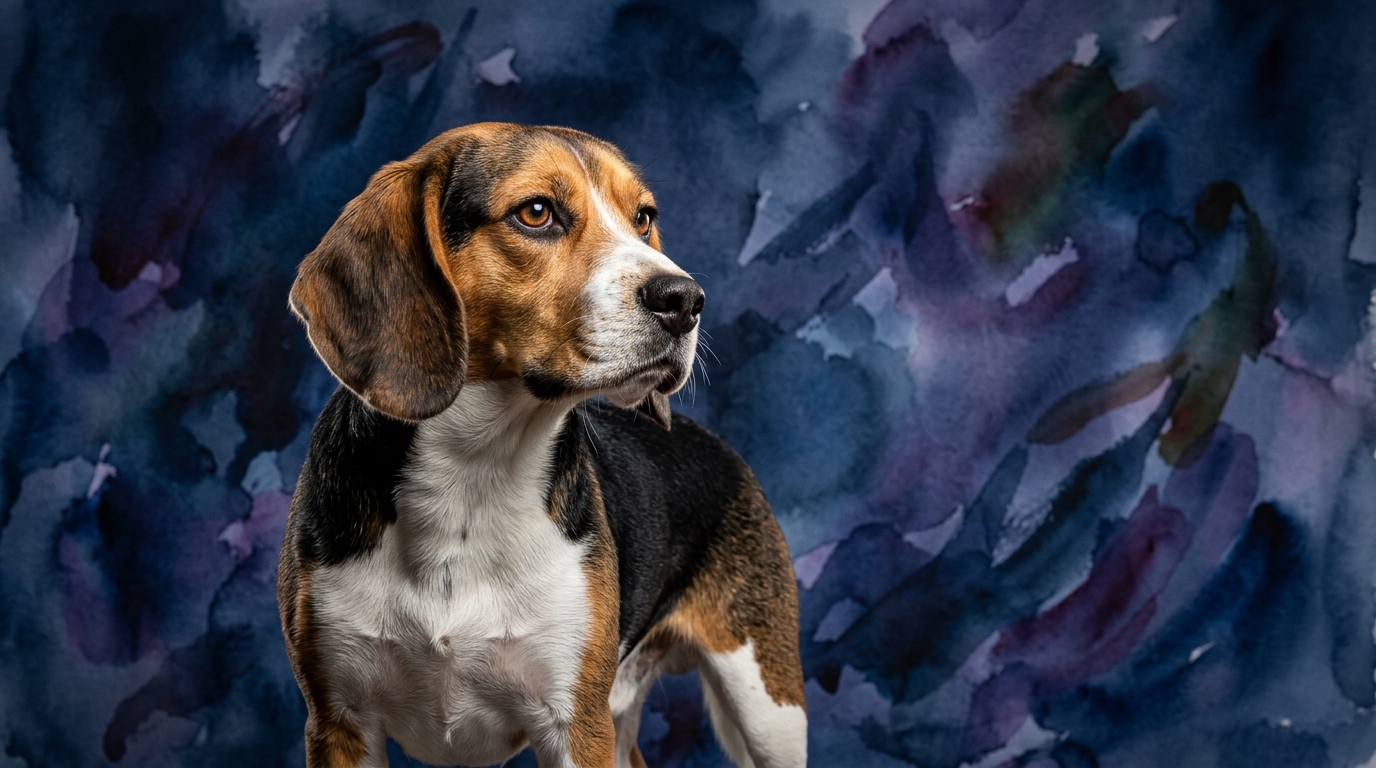
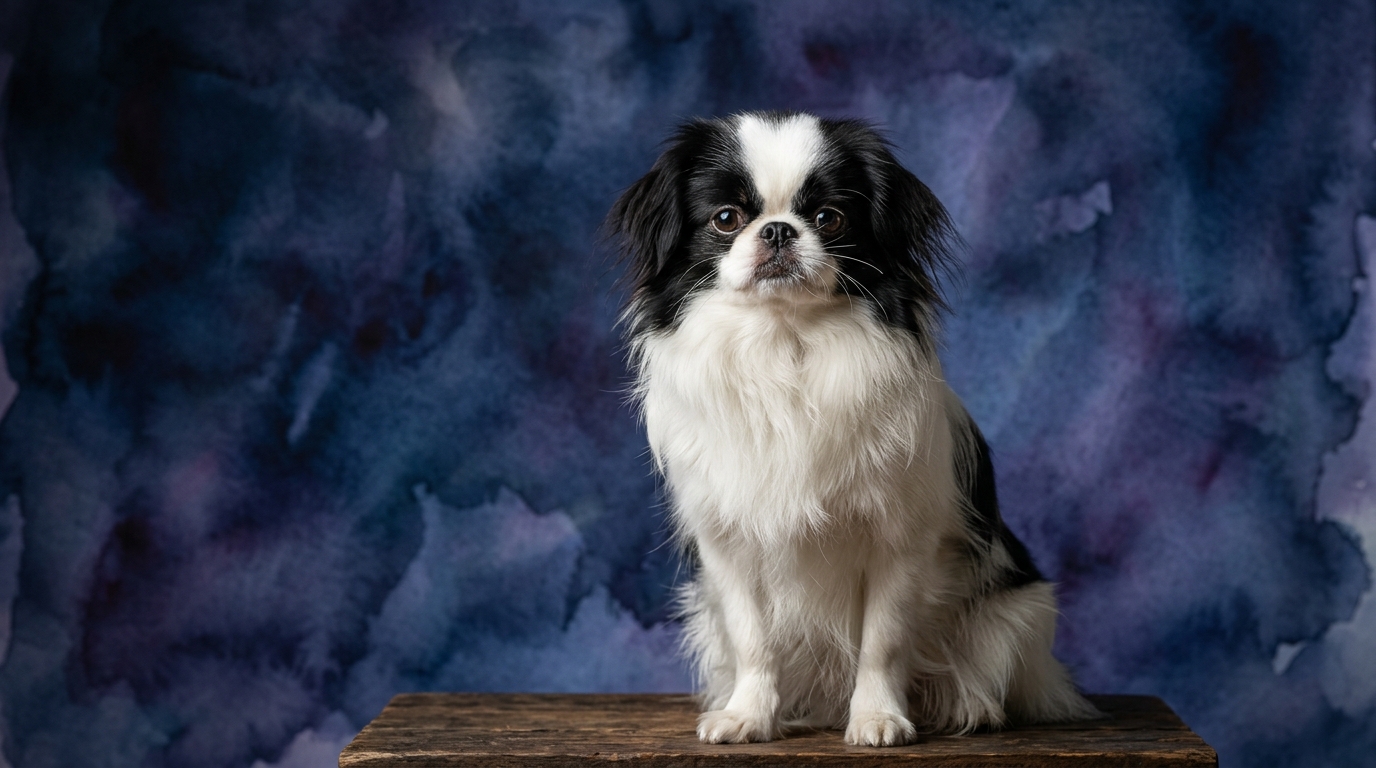
Side-by-Side IQ Profile: Beagle vs. Japanese Chin
The Cosmic Pet Pet IQ Lab employs a multi-faceted approach to evaluating canine intelligence, moving beyond simple obedience to explore five key cognitive dimensions. For the Beagle, a hound breed, its profile reflects a life historically dedicated to tracking: a problem Solving score of 4/5 highlights its ability to decipher complex scent puzzles, while an instinctive Drive of 5/5 underscores its relentless focus on following a trail. Its memory, rated at 4/5, supports its capacity to recall intricate routes and scent patterns, although its independent nature results in a training Speed of 2/5. Social Intelligence, at 3/5, indicates competence in pack dynamics but perhaps less emphasis on nuanced human-dog communication compared to breeds bred solely for companionship.
In contrast, the Japanese Chin, a toy breed, presents a more balanced cognitive profile, befitting its role as a cherished companion. Its problem Solving is rated 3/5, suggesting a moderate capacity for navigating challenges, while its training Speed of 3/5 indicates a more amenable approach to learning new commands than the Beagle. Social Intelligence, also 3/5, points to a satisfactory ability to interact with humans and other animals, focusing on harmonious coexistence. Its instinctive Drive is 3/5, reflecting a moderate, rather than overwhelming, internal motivation, and its memory, at 3/5, is adequate for daily routines and learned behaviors, without the specialized recall of a working hound.
Where the Beagle Wins Cognitively
The Beagle’s cognitive strengths are profoundly rooted in its olfactory prowess and sustained focus. Its 4/5 problem Solving score manifests most vividly in scenarios requiring persistent investigation, such as unraveling complex scent trails or locating hidden objects through smell alone. This isn't about solving abstract puzzles, but rather about a tenacious, methodical approach to sensory information, breaking down an environmental mystery piece by piece until the source is identified. This singular dedication, fueled by its 5/5 instinctive Drive, allows Beagles to maintain focus on a task long after other breeds might lose interest, making them exceptional at tasks requiring sustained, independent effort in scent detection.
Furthermore, the Beagle’s 4/5 memory is particularly robust for recalling specific locations, scent profiles, and the sequence of events encountered during a search. They can remember where a particular scent was strongest days later, or recall a specific route taken through varied terrain. This spatial and olfactory memory is a cornerstone of their hunting ability, allowing them to learn and adapt to different environments while efficiently pursuing a goal. For owners who engage in scent work or enjoy challenging their dog with hide-and-seek games that leverage their nose, the Beagle’s cognitive design is unparalleled.
Where the Japanese Chin Wins Cognitively
The Japanese Chin's cognitive advantages lie in its adaptability and balanced temperament, making it particularly suited for a companion role. Its 3/5 training Speed, while not exceptional, is notably higher than the Beagle's, indicating a greater willingness to engage with human instruction and less distraction from overpowering instincts. This translates to a dog that can pick up household rules, polite manners, and basic obedience cues with relative ease, especially when positive reinforcement is consistently applied. Their problem Solving at 3/5, while not as specialized as the Beagle's, allows them to navigate social dynamics and learn appropriate responses within a domestic setting, rather than focusing on external environmental challenges.
The Japanese Chin’s 3/5 social Intelligence, coupled with its moderate 3/5 instinctive Drive, often results in a more pliable and responsive companion. They are less likely to be driven by an overwhelming urge to explore or hunt, making them more attentive to their human counterparts. This balance allows them to excel in environments where close social bonding and consistent, gentle interaction are prioritized. Their cognitive makeup supports a life of thoughtful companionship, where understanding human cues and maintaining a harmonious household environment are paramount, rather than independent pursuit of external stimuli.
Which Is Easier to Train and Why?
When considering ease of training, the Japanese Chin generally presents a more straightforward experience than the Beagle. The Japanese Chin's training Speed of 3/5, combined with its moderate 3/5 instinctive Drive, means it is typically more attentive to human instruction and less prone to being sidetracked by environmental stimuli. They often respond well to positive reinforcement methods, motivated by praise, treats, and the desire to please their human companions. Their social intelligence, also 3/5, supports their ability to understand and respond to human communication, making the learning process a collaborative effort.
In contrast, the Beagle’s training Speed is rated at 2/5, a reflection of its strong independent streak and overwhelming 5/5 instinctive Drive. A Beagle encountering an interesting scent will prioritize following that scent over any human command, making recall and consistent obedience a significant challenge. Training a Beagle requires immense patience, creativity, and a deep understanding of their scent-driven motivation. While they are capable of learning, their inherent drive often makes them appear stubborn or easily distracted, requiring trainers to work with, rather than against, their powerful instincts by incorporating scent games into their training regimen.
Which Suits Active Owners vs. Relaxed Owners?
For owners with an active lifestyle, particularly those who enjoy outdoor adventures, hiking, or engaging in scent-related activities, the Beagle is an excellent match. Its 5/5 instinctive Drive means it thrives on physical and mental stimulation that taps into its natural hunting abilities. These dogs require substantial exercise and consistent opportunities to use their incredible noses, whether through long walks where they can sniff to their heart's content, or structured scent work games. An active owner who understands and can channel the Beagle's powerful drive will find a tireless and enthusiastic companion.
Conversely, the Japanese Chin is far better suited for more relaxed owners or those living in smaller spaces, such as apartments. Its moderate 3/5 instinctive Drive and balanced cognitive profile mean it is content with moderate daily exercise, such as short walks or indoor play sessions. These dogs appreciate comfort and close companionship, often preferring to be near their humans rather than embarking on extensive outdoor excursions. A relaxed owner who cherishes a gentle, attentive, and relatively low-maintenance cognitive companion will find the Japanese Chin’s demeanor and intellectual needs align perfectly with their lifestyle.
The Verdict
Choose the Beagle if you are an active, patient owner who relishes engaging with a dog's powerful scent drive and independent problem-solving abilities in dynamic outdoor environments.
Opt for the Japanese Chin if you seek a gentle, adaptable companion for a relaxed indoor lifestyle, valuing a dog that is amenable to training and thrives on close human interaction.
🧠 Find Your Pet's IQ Score
Our Pet IQ Lab assessment covers 25+ tests across 5 cognitive dimensions — personalized to your breed.
Take the Full IQ Test →Frequently Asked Questions
Are Beagles difficult to train due to their scent drive?
Beagles are not inherently difficult to train in terms of learning capacity, but their overwhelming 5/5 instinctive Drive and independence (2/5 training Speed) mean they are easily distracted by scents. This requires consistent, patient training methods that often incorporate their natural desire to sniff, making recall and focus challenging in scent-rich environments.
Do Japanese Chins require a lot of mental stimulation?
Japanese Chins have a moderate problem Solving score of 3/5 and a balanced instinctive Drive of 3/5, meaning they benefit from regular, but not intense, mental stimulation. Interactive toys, short training sessions, and social engagement with their owners are usually sufficient to keep their minds engaged and prevent boredom.
Which breed is better for first-time dog owners?
For first-time dog owners, the Japanese Chin's more balanced cognitive profile, including its 3/5 training Speed and moderate drive, generally makes it an easier breed to manage and train. Beagles, with their strong independent streak and powerful instincts, can be more challenging for those without prior experience handling a scent hound's unique needs.