Side-by-Side Cognitive Profile
To truly understand the mental makeup of these two breeds, The Cosmic Pet Pet IQ Lab employs a five-dimensional cognitive assessment. Let's examine how the Beagle and Norwegian Buhund measure up.
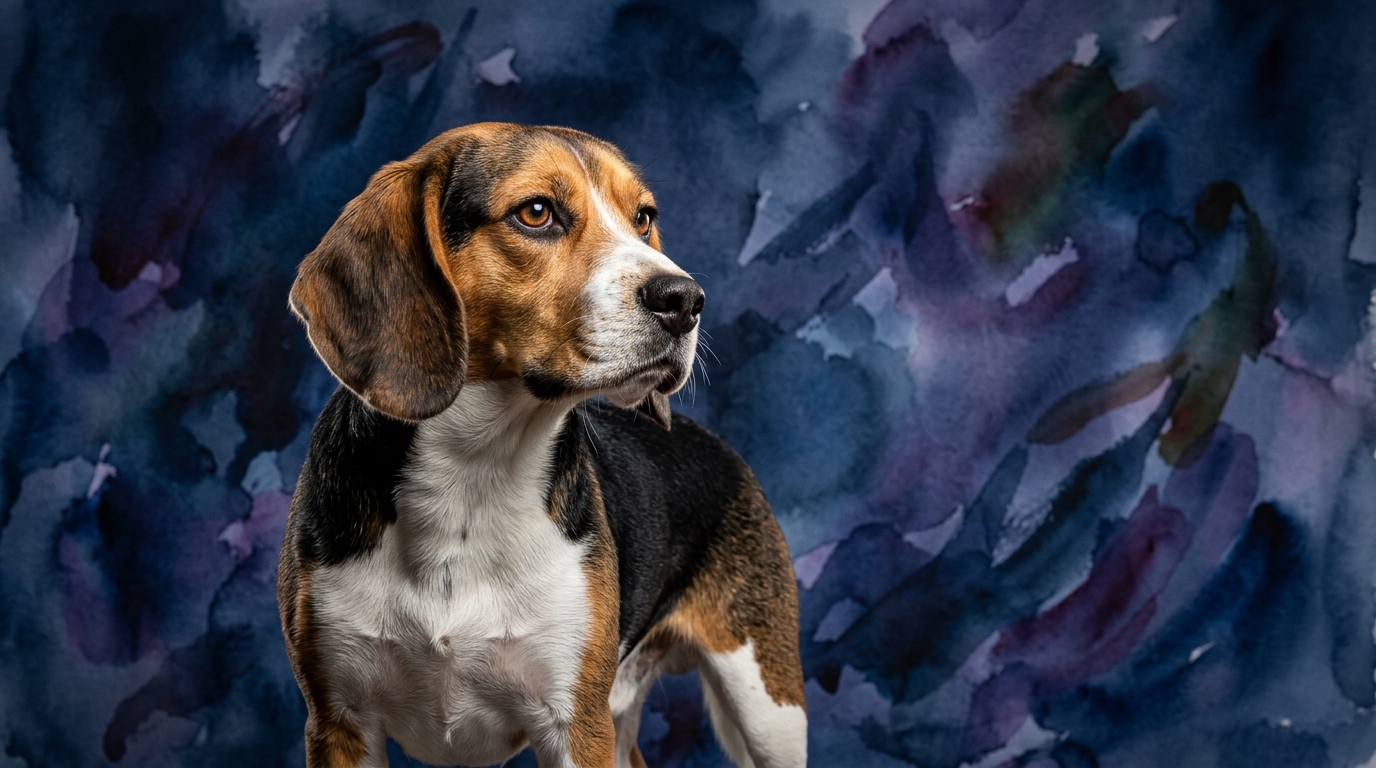
**Beagle (Hound, Coren Rank #72):**
**Problem Solving (4/5):** Beagles excel at solving problems rooted in their primary sense: olfaction. Their cognitive processes are heavily geared towards deciphering complex scent trails, navigating varied terrains to locate a source, and persisting through distractions. This isn't about abstract puzzles, but rather the practical, multi-sensory challenge of tracking, reflecting their exceptional ability to follow a scent and overcome obstacles.
**Training Speed (2/5):** This score reflects a relative challenge in rapid command acquisition. Beagles possess a strong independent streak, particularly when a compelling scent presents itself. Their focus on following their nose often overrides a desire to please or respond quickly to human directives, requiring consistent, patient effort and creative methods to maintain their attention amidst environmental stimuli.
**Social Intelligence (3/5):** As pack animals, Beagles generally interact well with other dogs and familiar humans, displaying a moderate capacity for social cues within their established group. However, their social intelligence is often secondary to their instinctive drive. When engrossed in a scent, their awareness of human social signals or requests can diminish significantly, prioritizing their olfactory mission over interpersonal communication.
**Instinctive Drive (5/5):** The Beagle's quintessential trait is their overwhelming instinctive drive for scent work. This isn't merely a preference; it's a profound, intrinsic motivation that dictates much of their behavior and cognitive function. Their entire being is wired to track, bay, and pursue, making them masters of their ancestral purpose and giving them an unparalleled focus in this domain.
**Memory (4/5):** Beagles demonstrate a robust memory, particularly concerning spatial information and scent recognition. They can recall complex scent trails over considerable periods and distances, effectively mapping their environment through olfaction. This strong memory underpins their tracking prowess, allowing them to re-trace steps or remember locations associated with specific odors.
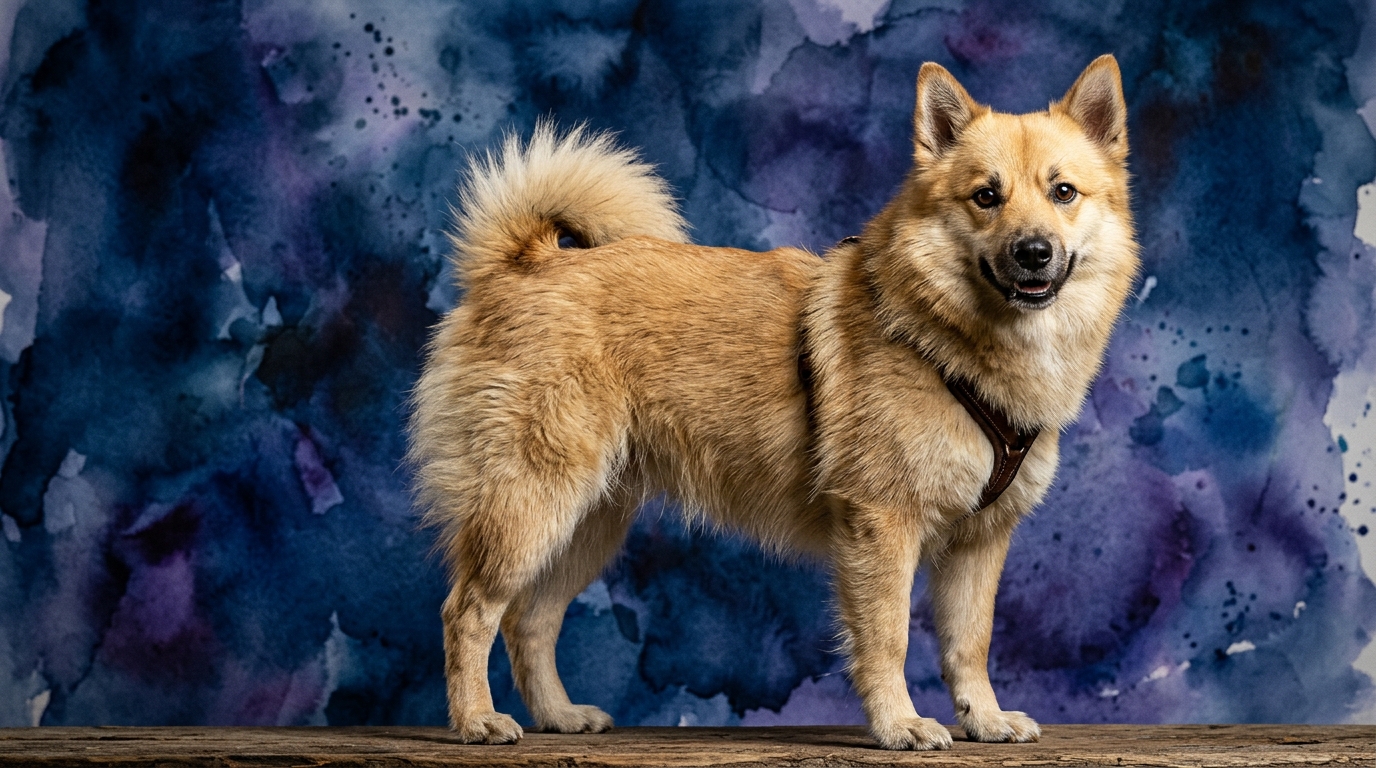
**Norwegian Buhund (Herding, Not Coren-Ranked):**
**Problem Solving (3/5):** Norwegian Buhunds display a practical problem-solving ability, particularly in scenarios involving their herding and guarding instincts. They can figure out how to move livestock, assess potential threats, and adapt to changing environmental conditions on a farm. Their intelligence is geared towards understanding and managing their immediate surroundings and the dynamics of a flock or family unit.
**Training Speed (3/5):** Buhunds generally pick up new commands at a moderate pace. They are often eager to engage with their handlers and possess a cooperative spirit, making them responsive to positive reinforcement. While not as rapid as some working breeds, their attentiveness and desire for interaction facilitate a steady learning curve, provided training is consistent and engaging.
**Social Intelligence (3/5):** Buhunds are family-oriented dogs, exhibiting a solid understanding of social dynamics within their human and canine families. They are watchful, communicate through various vocalizations, and are generally good at reading human moods and intentions, especially those of their primary caregivers. Their social interactions outside their immediate circle can be more reserved, reflecting their protective instincts.
**Instinctive Drive (3/5):** The Buhund's instinctive drives are centered around herding, guarding, and companionship. They possess an innate desire to keep their “flock” (human family) together and safe, often manifesting in watchful behavior, patrolling, and alert barking. While strong, these drives are generally more manageable and less singularly focused than the Beagle's scent obsession, allowing for greater versatility.
**Memory (3/5):** Buhunds have a good, functional memory for routines, learned commands, and familiar people and places. This allows them to effectively navigate their daily lives, remember training cues, and recall past interactions. Their memory supports their role as a vigilant companion and adaptable working dog, retaining information relevant to their family and environment.
Where the Beagle Wins Cognitively
The Beagle's cognitive superiority lies unequivocally in its unparalleled olfactory processing and the tenacity it brings to scent-based tasks. No other breed can rival its capacity for dissecting a complex tapestry of odors, isolating a target scent, and following it with unyielding focus. Their problem-solving in this domain is a masterclass in sensory interpretation and persistent navigation. They demonstrate exceptional long-term memory for scent trails, recalling paths and locations weeks or even months after the initial exposure, a feat few other breeds can consistently replicate. This specialized cognitive architecture makes them supreme detectives of the aromatic world.
Where the Norwegian Buhund Wins Cognitively
The Norwegian Buhund's cognitive edge manifests in its adaptable and proactive approach to managing its environment and social group. Unlike the Beagle's singular focus, the Buhund demonstrates a broader, more integrated intelligence applied to herding and guarding. They excel at reading situations, anticipating movements of livestock or family members, and making independent decisions to maintain order. Their cognitive strength lies in their attentive awareness of their surroundings and their ability to communicate effectively through varied vocalizations, signaling changes or concerns to their human companions. This makes them adept at cooperative problem-solving within a family structure.
Which is Easier to Train and Why
Between the two, the Norwegian Buhund generally presents a more straightforward training experience. Their “Training Speed 3/5” score, coupled with their inherent biddability and desire to engage with their human companions, means they are often more receptive to learning commands. Buhunds thrive on interaction and positive reinforcement, showing a willingness to cooperate that stems from their herding background where attentive communication with a handler is crucial. They are motivated by praise and play, making them relatively keen students.
The Beagle, with a “Training Speed 2/5,” often poses a greater challenge. Their profound “Instinctive Drive 5/5” for scent work frequently overrides their attention to human directives. A Beagle on a scent trail is notoriously difficult to recall, as their cognitive focus becomes singularly dedicated to tracking. This isn't a lack of ability to learn, but rather a powerful, intrinsic motivation that demands immense patience and creative, high-value rewards from the trainer to compete with the allure of a captivating odor. Their Coren rank of #72 further indicates they require many more repetitions to achieve reliable obedience compared to breeds with higher working intelligence.
Which Suits Active Owners vs. Relaxed Owners
Neither the Beagle nor the Norwegian Buhund is truly suited for a “relaxed owner” in the sense of minimal daily engagement. Both breeds require substantial mental and physical stimulation to thrive.
The Beagle is an ideal match for highly active owners who embrace outdoor adventures, especially those involving scent work or long, explorative walks. Their immense stamina and relentless drive mean they need consistent outlets for their tracking instincts, making them excellent companions for hiking, scent games, or even urban tracking. Owners who don't provide this engagement will likely contend with a bored, potentially destructive Beagle who finds their own (often inconvenient) ways to satisfy their nose.
The Norwegian Buhund also thrives with active owners, but their activity often centers around family involvement and purpose-driven tasks. They excel in activities like agility, obedience, or even casual “herding” games, where they can utilize their alertness and desire to work alongside their human. They are vigilant and enjoy being part of the family's daily routine, requiring consistent engagement and attention rather than just independent exercise. They are better suited for owners who enjoy interactive play and training sessions, providing mental stimulation through cooperative work.
The Verdict
Opt for a Beagle if your lifestyle allows for extensive, dedicated scent work, long exploratory walks, and you appreciate a dog whose primary joy is following its nose, even if it means a greater training commitment.
Select a Norwegian Buhund if you seek an attentive, cooperative companion for an active family life, one that thrives on interactive training, vigilance, and being an engaged participant in daily activities.
🧠 Find Your Pet's IQ Score
Our Pet IQ Lab assessment covers 25+ tests across 5 cognitive dimensions — personalized to your breed.
Take the Full IQ Test →Frequently Asked Questions
Is a Beagle stubborn when training?
Beagles aren't necessarily stubborn, but their profound instinctive drive for scent often makes them appear so. When a compelling odor presents itself, their cognitive focus shifts entirely to tracking, making it challenging for them to heed human commands. Training requires exceptional patience and high-value rewards to compete with their natural inclination.
Do Norwegian Buhunds bark a lot?
Norwegian Buhunds are known for being quite vocal, a trait stemming from their herding and guarding heritage. They use various barks, yips, and howls to communicate alerts, express excitement, or simply engage with their surroundings. Consistent training from a young age can help manage excessive barking.
Which breed is better with children?
Both breeds can be good with children, though their approach differs. Beagles are generally tolerant and playful, often viewing children as part of their pack. Norwegian Buhunds are typically watchful and protective of their family, often forming strong bonds with children and acting as gentle guardians, though their energy requires supervision with very young kids.