Side-by-Side Cognitive Profile: Beagle vs. Otterhound
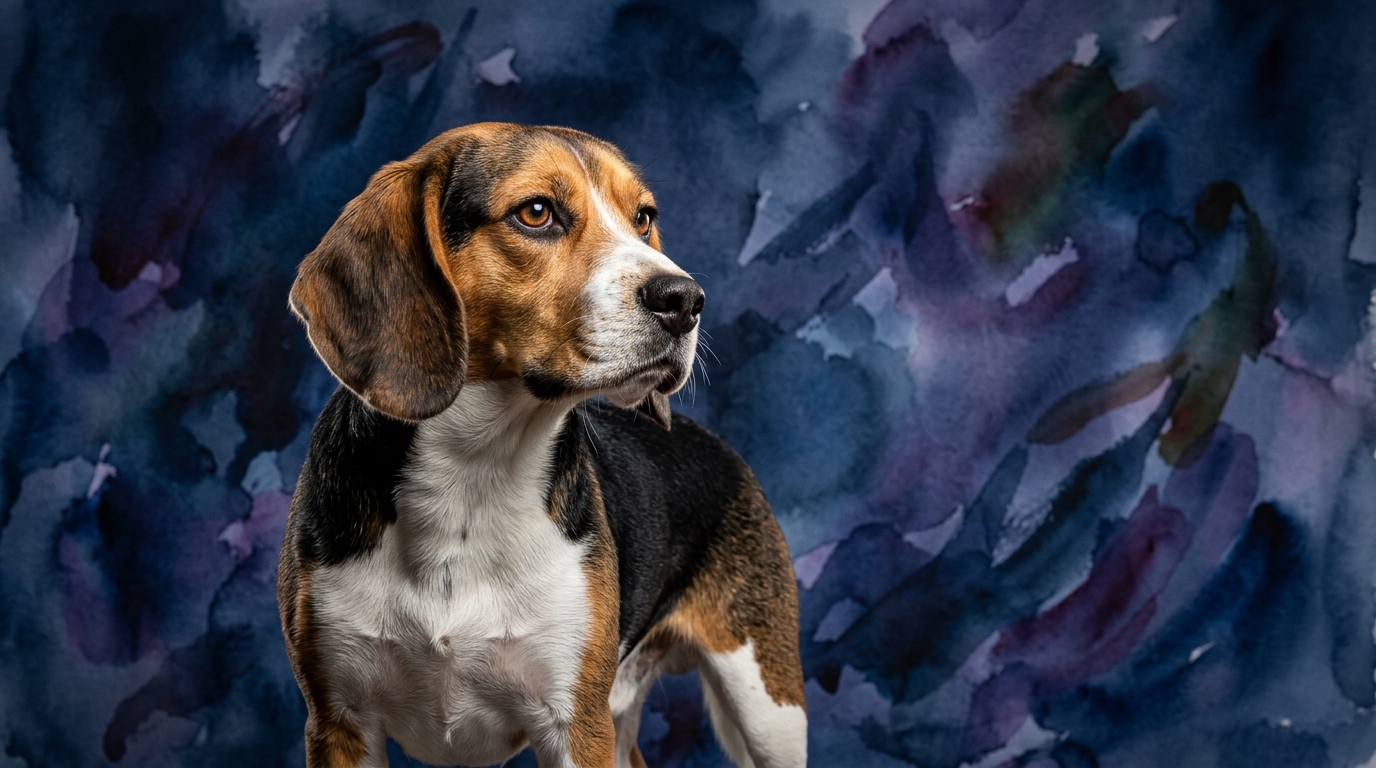
The Cosmic Pet Pet IQ Lab's assessment offers a detailed look at the cognitive strengths and tendencies of these two hound breeds, highlighting where their mental faculties diverge. For the Beagle, a breed ranked #72 in Coren's intelligence scale, we observe a robust problem-solving capacity at 4 out of 5, indicating a dog capable of ingenious solutions when motivated.
However, their training speed is a more modest 2 out of 5, suggesting that while they can learn, it often requires significant patience and consistency to overcome their inherent distractions. Beagles possess a social intelligence score of 3 out of 5, making them generally amenable companions, but their instinctive drive is exceptionally high at 5 out of 5, a powerful force that often dictates their behavior, especially when a compelling scent is present. This intense drive is supported by an excellent memory, rated 4 out of 5, allowing them to recall intricate scent trails and past experiences with remarkable accuracy, a cornerstone of their tracking prowess.
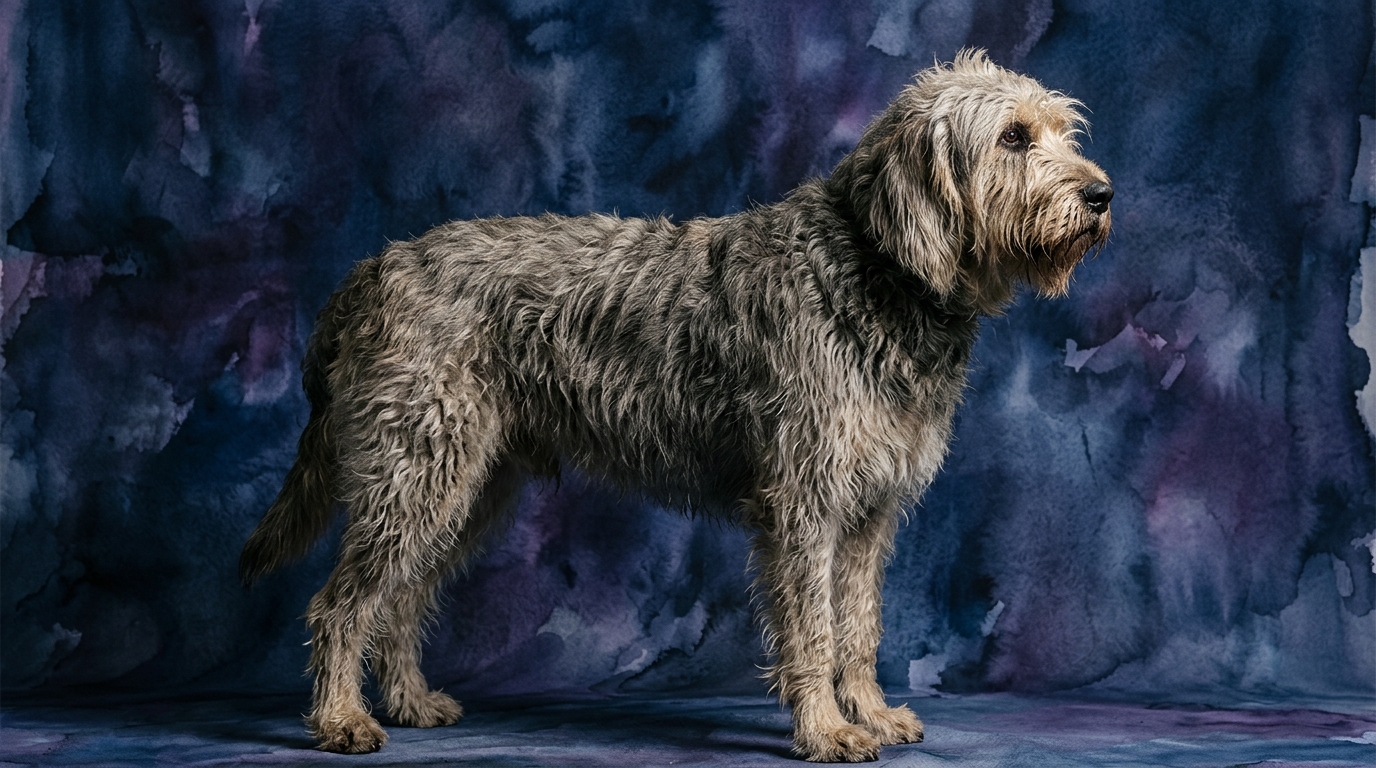
In contrast, the Otterhound, which is not Coren-ranked, presents a more uniformly balanced cognitive landscape across all five dimensions. Their problem-solving ability scores 3 out of 5, indicating a competent, if not overly cunning, approach to mental challenges.
Interestingly, their training speed is also 3 out of 5, suggesting a more cooperative and moderately paced learning curve compared to the Beagle, making them generally more receptive to instruction. The Otterhound's social intelligence also sits at 3 out of 5, portraying them as agreeable and generally good-natured companions who integrate well into family life. Their instinctive drive is a balanced 3 out of 5, reflecting their heritage as robust hunting dogs without the overwhelming intensity that can define other scent hounds, making their drive more manageable. Finally, their memory, also at 3 out of 5, supports their ability to retain learned behaviors and track scents effectively, though perhaps with less detailed recall than a Beagle.
This side-by-side view reveals that while both are hounds, the Beagle leans into specific cognitive peaks, particularly in problem-solving and instinctive drive, whereas the Otterhound exhibits a more harmonious and consistent distribution of its mental faculties.
Where the Beagle's Cognition Shines Brighter
The Beagle's cognitive profile showcases distinct advantages, most notably in its problem-solving abilities and powerful instinctive drive. With a 4/5 rating in problem-solving, Beagles frequently demonstrate a resourceful cunning, often figuring out complex scenarios to achieve their goals, whether that involves opening a gate to follow a scent or navigating intricate environments.
This high problem-solving score means a Beagle is adept at independent thinking when faced with a challenge, relying on its own ingenuity rather than solely on human direction. Their exceptional memory (4/5) further enhances this, allowing them to map out and recall complex scent patterns, remember past routes, or even recollect where a hidden treat might be stashed, making them formidable in any scent-based task.
The Beagle's 5/5 instinctive drive, while sometimes challenging for owners, is an undeniable cognitive strength in its original purpose. This intense, single-minded focus on scent allows them to persevere through distractions and physical obstacles, displaying an unwavering determination that few other breeds can match.
This drive, coupled with their sharp problem-solving and memory, makes them highly effective at tracking and provides a deep well of intrinsic motivation for engaging in scent work or similar activities that tap into their core being.
Where the Otterhound's Cognition Holds its Own
While the Otterhound's individual cognitive scores may not reach the Beagle's peak in specific areas, its strength lies in a more balanced and often more manageable cognitive profile. Their 3/5 training speed, for instance, is a distinct advantage over the Beagle's 2/5.
This indicates a more receptive and cooperative learner, capable of understanding and executing commands with greater consistency and less repetition, making the training process smoother for many owners. The Otterhound's balanced instinctive drive (3/5) is another cognitive 'win' in a domestic context.
Unlike the Beagle's overwhelming 5/5 drive, the Otterhound's moderate drive means they are still passionate about scent and exploration but are less likely to become completely fixated or 'deaf' to commands when on a trail. This balance allows them to engage their natural instincts without being entirely consumed by them, fostering a more adaptable and less single-minded approach to their environment.
Their consistent 3/5 across problem-solving, social intelligence, and memory suggests a well-rounded cognitive architecture. This means they are generally capable of understanding their environment, interacting appropriately, and learning new things without significant cognitive 'blind spots' or overwhelming tendencies that might complicate daily life, offering a more harmonious partnership for many households.
Trainability: Beagle vs. Otterhound
When it comes to trainability, the Otterhound generally presents an easier path for owners compared to the Beagle, a difference clearly reflected in their respective training speed scores. The Beagle's 2/5 training speed, combined with its overwhelming 5/5 instinctive drive, means that while they are certainly capable of learning, their primary motivation often defaults to following a compelling scent.
This behavioral difference means Beagles frequently require more consistent, patient, and creative training methods to keep them engaged and focused on human-directed tasks. Owners often report Beagles becoming 'selectively deaf' when a promising aroma crosses their path, making off-leash reliability a significant challenge and requiring extensive impulse control training.
In contrast, the Otterhound's 3/5 training speed indicates a more willing and attentive student. Their moderate 3/5 instinctive drive means they are less likely to be completely hijacked by environmental stimuli, allowing them to maintain focus on their human instructor for longer periods.
While still possessing a hound's independent spirit, Otterhounds are generally more amenable to learning basic obedience and house rules with fewer repetitions and less intense distraction management. This isn't to say Otterhounds are effortless, but their cognitive balance makes them a more straightforward training prospect for the average pet owner seeking a cooperative companion.
Lifestyle Match: Active Enthusiast vs. Balanced Companion
The distinct cognitive profiles of the Beagle and Otterhound naturally lend themselves to different owner lifestyles. For active owners who relish a spirited, mentally engaging companion, the Beagle is an excellent match. Their intense instinctive drive (5/5) means they thrive on consistent mental stimulation, particularly through scent work, tracking games, and long, sniff-filled walks.
Owners who enjoy hiking, participating in dog sports like agility or nose work, and are prepared to dedicate significant time to channeling their Beagle's sharp problem-solving skills and boundless energy will find a rewarding partnership. They require an owner who understands their profound need to explore with their nose and can provide outlets for this innate behavior, otherwise, their problem-solving might turn towards less desirable activities like escaping or counter-surfing.
Conversely, the Otterhound suits owners seeking a robust outdoor companion who also appreciates a more relaxed demeanor indoors. Their moderate instinctive drive (3/5) means they enjoy outdoor adventures, long walks, and exploring new environments, but they are generally less frantic and more capable of settling down at home.
While they still require regular exercise to stay healthy and happy, their energy levels are often more manageable than a Beagle's, making them suitable for owners who enjoy an active lifestyle but also value periods of calm. They are a good fit for families who can offer consistent outdoor activity but do not necessarily require a dog that is constantly 'on' or demands an extreme level of continuous mental engagement to prevent mischief.
The Verdict
Choose a Beagle if you are an active owner who relishes a spirited, scent-driven companion, enjoys engaging their dog's sharp problem-solving skills, and are prepared for consistent training challenges and extensive mental enrichment to channel their intense drive.
Opt for an Otterhound if you seek a more balanced hound, appreciating a moderate energy level, a slightly more cooperative training partner, and a robust companion for outdoor adventures without the Beagle's intense, often single-minded, focus.
🧠 Find Your Pet's IQ Score
Our Pet IQ Lab assessment covers 25+ tests across 5 cognitive dimensions — personalized to your breed.
Take the Full IQ Test →Frequently Asked Questions
Are Beagles truly difficult to train?
Beagles are capable of learning, but their strong instinctive drive (5/5) and lower training speed (2/5) mean they often require more patience, consistency, and creative methods to maintain focus. Their intense interest in scent can make them appear 'stubborn' or easily distracted, necessitating a dedicated approach to training.
What kind of mental stimulation do Otterhounds need?
Otterhounds, with a balanced 3/5 in problem-solving and instinctive drive, benefit from regular mental stimulation that engages their moderate scenting abilities. Activities like scent games, moderate walks in varied environments, and learning new tricks can keep them content without the overwhelming intensity a Beagle might demand.
How do their scenting abilities compare in daily life?
While both are scent hounds, a Beagle's 5/5 instinctive drive means their nose often dominates their daily experience, leading to relentless tracking and potential 'selective deafness' on walks. An Otterhound's 3/5 drive suggests they enjoy scenting but are generally more amenable to being redirected, offering a more balanced experience for owners during outdoor excursions.