Side-by-Side Cognitive Profiles
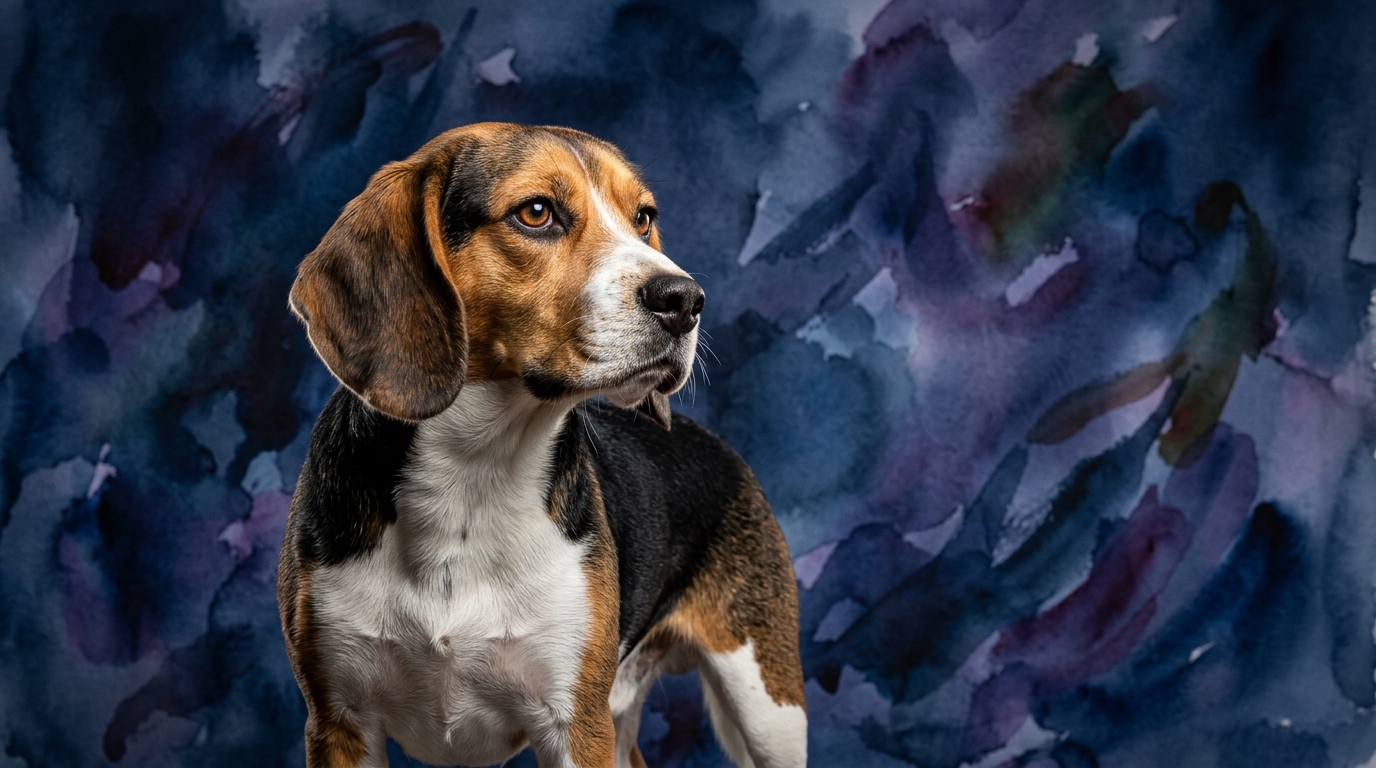
The Beagle's cognitive profile highlights its heritage as a trailing hound, excelling with a 4/5 in Problem Solving, particularly when tasks involve scent detection or navigating complex environments to locate a target. Its Instinctive Drive is a formidable 5/5, reflecting an almost unwavering focus on olfactory pursuits, while its Memory, rated 4/5, allows it to recall scent trails and past successful hunting strategies. However, this intense focus can contribute to a moderate 2/5 in Training Speed, as the breed's independent nature and sensory distractions can make consistent obedience a slower process. Social Intelligence stands at 3/5, indicating competence in group dynamics but often secondary to its primary sensory mission; the Beagle holds a Coren rank of #72.
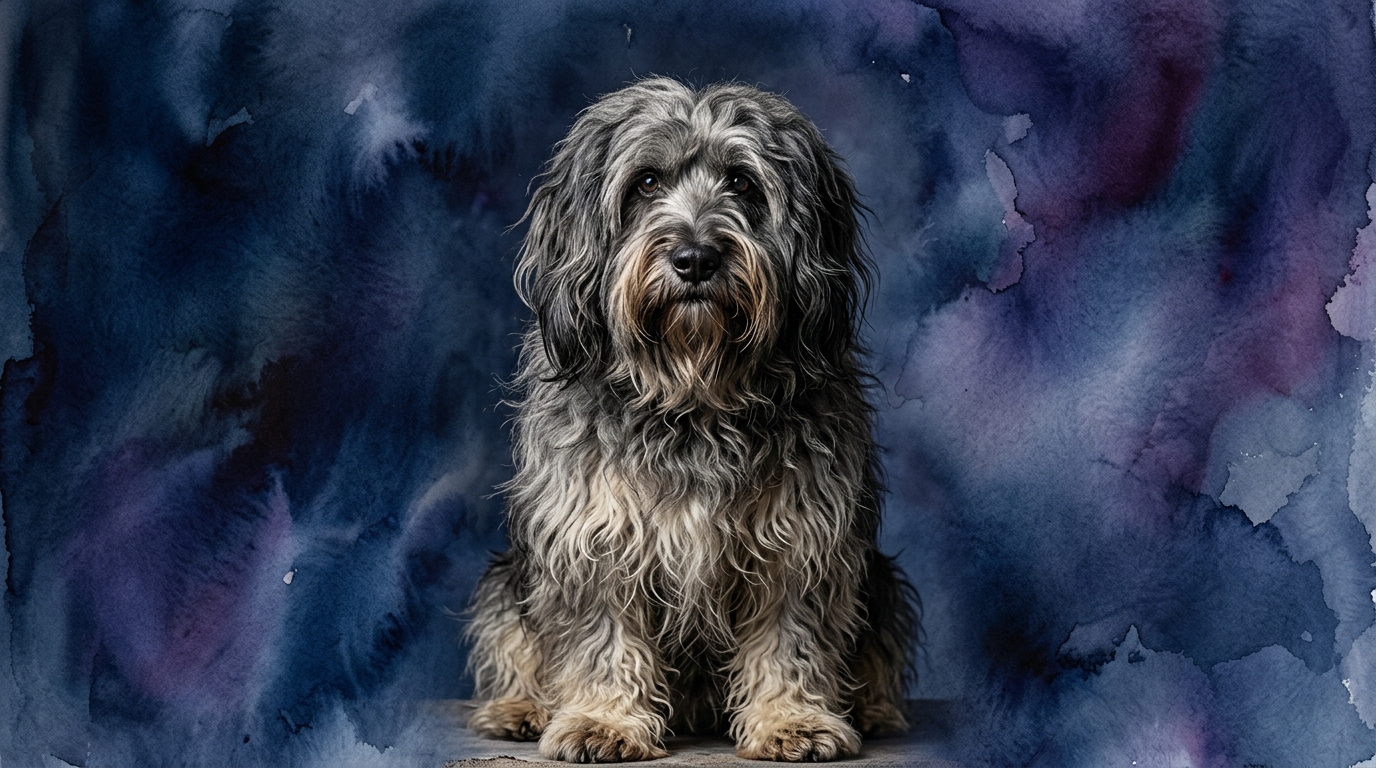
In contrast, the Polish Lowland Sheepdog presents a more uniformly balanced cognitive landscape, with all five dimensions rated at 3/5. Its Problem Solving, while not as singularly focused as the Beagle's, demonstrates a practical aptitude for navigating daily challenges and understanding routines. A 3/5 in Training Speed suggests a willingness to learn at a steady pace, without the strong independent streak that can challenge other breeds. Social Intelligence at 3/5 indicates a capable interaction with both humans and other animals, often forming strong bonds. Its Instinctive Drive, also 3/5, manifests as a moderate herding inclination and a general alertness, while its Memory, at 3/5, supports learning and recall sufficient for its companion and working roles; this breed is not Coren-ranked.
Where the Beagle's Cognition Excels
The Beagle's superior Problem Solving (4/5) truly shines in scenarios demanding focused, sequential thought, especially those rooted in sensory input. This isn't about abstract logic, but rather a sophisticated ability to unravel a scent puzzle, trace a path, or figure out how to access a hidden treat, often employing trial-and-error with persistent dedication. Their high Instinctive Drive (5/5) means they are profoundly motivated by these natural behaviors, turning what might be a simple task for another breed into an immersive cognitive exercise for the Beagle. This drive also fuels their impressive stamina for sustained mental engagement in activities like tracking or nose work.
Furthermore, the Beagle's Memory (4/5) is a significant asset, allowing them to retain complex information related to their environment and past experiences. They'll remember where an interesting scent was last found, the layout of a familiar park, or the routine that leads to a walk. This strong recall, paired with their problem-solving skills, means a Beagle can adapt and learn from its environment, making it adept at navigating its world independently. Their ability to remember specific scent signatures and the context in which they were encountered is a hallmark of their cognitive strength.
Where the Polish Lowland Sheepdog's Cognition Shines
While the Polish Lowland Sheepdog doesn't boast the extreme scores of the Beagle in specific areas, its balanced cognitive profile offers a distinct advantage in adaptability and cooperative learning. Its 3/5 in Training Speed, compared to the Beagle's 2/5, suggests a more consistent and less distracted approach to obedience lessons. This breed tends to be more receptive to cues and less prone to following an overwhelming sensory impulse, making the initial stages of training potentially smoother and more predictable. Their moderate Instinctive Drive (3/5) allows them to engage with tasks without being singularly consumed by one primary motivation, fostering a broader range of interests.
The Polish Lowland Sheepdog’s Social Intelligence, also rated at 3/5, combined with its balanced Problem Solving and Memory, supports a more integrated role within a family unit. They are often more attuned to human emotional states and social cues than a Beagle might be when deep in scent mode. This breed processes information and responds to its environment with a practical, cooperative mindset, which can translate into a more harmonious daily life. Their cognitive strengths lie in their overall equilibrium, allowing them to be versatile companions who are neither overly independent nor overly demanding, capable of understanding and responding to a variety of social situations effectively.
Training Dynamics: Which is Easier to Train?
When considering ease of training, the Polish Lowland Sheepdog generally presents a more straightforward path. Its Training Speed of 3/5, coupled with a moderate Instinctive Drive (3/5), means it is typically more attentive during training sessions and less likely to be sidetracked by external stimuli. Their herding background instills a desire to work with a handler and respond to commands, making them eager participants in structured learning. They process instructions steadily and are often motivated by praise and positive reinforcement, making the teaching of basic obedience and household manners a relatively consistent endeavor.
The Beagle, with its Training Speed of 2/5 and an overwhelming Instinctive Drive of 5/5, offers a different training challenge. Their powerful scent drive means that once a compelling odor is detected, it can override all other commands, making recall or focus difficult in distracting environments. While they are capable of learning and have good memory, their independent nature and single-minded pursuit of scent require immense patience, creativity, and highly rewarding motivators from their trainers. Training a Beagle often means learning to work *with* their instincts, rather than against them, by incorporating scent work into their training regimen to harness their natural inclinations.
Lifestyle Fit: Active vs. Relaxed Owners
For owners seeking a highly active companion who thrives on mental engagement centered around scent and exploration, the Beagle is an excellent fit. Their profound Instinctive Drive and Problem Solving skills mean they require consistent outlets for their formidable nose. Daily long walks, dedicated scent games, tracking, and engaging puzzle toys are not optional but essential for their mental well-being. A Beagle will make its own 'fun' if not sufficiently stimulated, which can manifest as vocalizations or unauthorized explorations, meaning an active owner willing to channel their drive is crucial.
The Polish Lowland Sheepdog, while certainly enjoying activity, is better suited for owners who appreciate a balanced dog that can adapt to varying levels of engagement. Their moderate Instinctive Drive and Problem Solving aptitude mean they enjoy regular walks, playtime, and mental challenges, but they aren't driven by an all-consuming instinct that demands constant attention. They can be content with a good daily exercise routine coupled with interactive play and training sessions, making them suitable for owners who are active but also enjoy periods of relaxed companionship. Their adaptable nature allows them to be equally happy on a hike or curled up near their family after sufficient exercise.
The Verdict
Opt for a Beagle if you are an active individual or family passionate about engaging a dog's extraordinary scenting abilities and are prepared to channel a powerful, independent drive with consistent, creative training. They thrive with owners who understand their need for olfactory work and can manage their occasional single-mindedness.
Select a Polish Lowland Sheepdog if you desire a balanced, cooperative companion with a steady temperament, who learns consistently and integrates well into family life without overwhelming single-minded drives. They suit owners who appreciate a versatile dog capable of both activity and calm companionship.
🧠 Find Your Pet's IQ Score
Our Pet IQ Lab assessment covers 25+ tests across 5 cognitive dimensions — personalized to your breed.
Take the Full IQ Test →Frequently Asked Questions
Do Beagles make good family pets despite their independent nature?
Yes, Beagles can be affectionate and loyal family pets, especially if their need for mental and physical stimulation is met. Their independent streak is often tied to their scent drive, so understanding and channeling this through activities like nose work will lead to a more harmonious household. They generally get along well with children and other pets, provided they are properly socialized from a young age.
Are Polish Lowland Sheepdogs prone to barking?
Polish Lowland Sheepdogs can be vocal, primarily due to their herding instincts which include alerting their family to perceived changes or intruders. Early training and socialization can help manage excessive barking, teaching them appropriate times to vocalize. Providing sufficient mental and physical exercise can also reduce boredom-induced barking.
How much exercise does each breed require daily?
Beagles typically require significant daily exercise, often 60-90 minutes, including vigorous walks and opportunities for off-leash exploration in secure areas to satisfy their strong scent drive. Polish Lowland Sheepdogs need moderate daily exercise, around 45-60 minutes, which can include walks, play, and mental stimulation, adapting well to a consistent routine without demanding the same intensity of olfactory work.