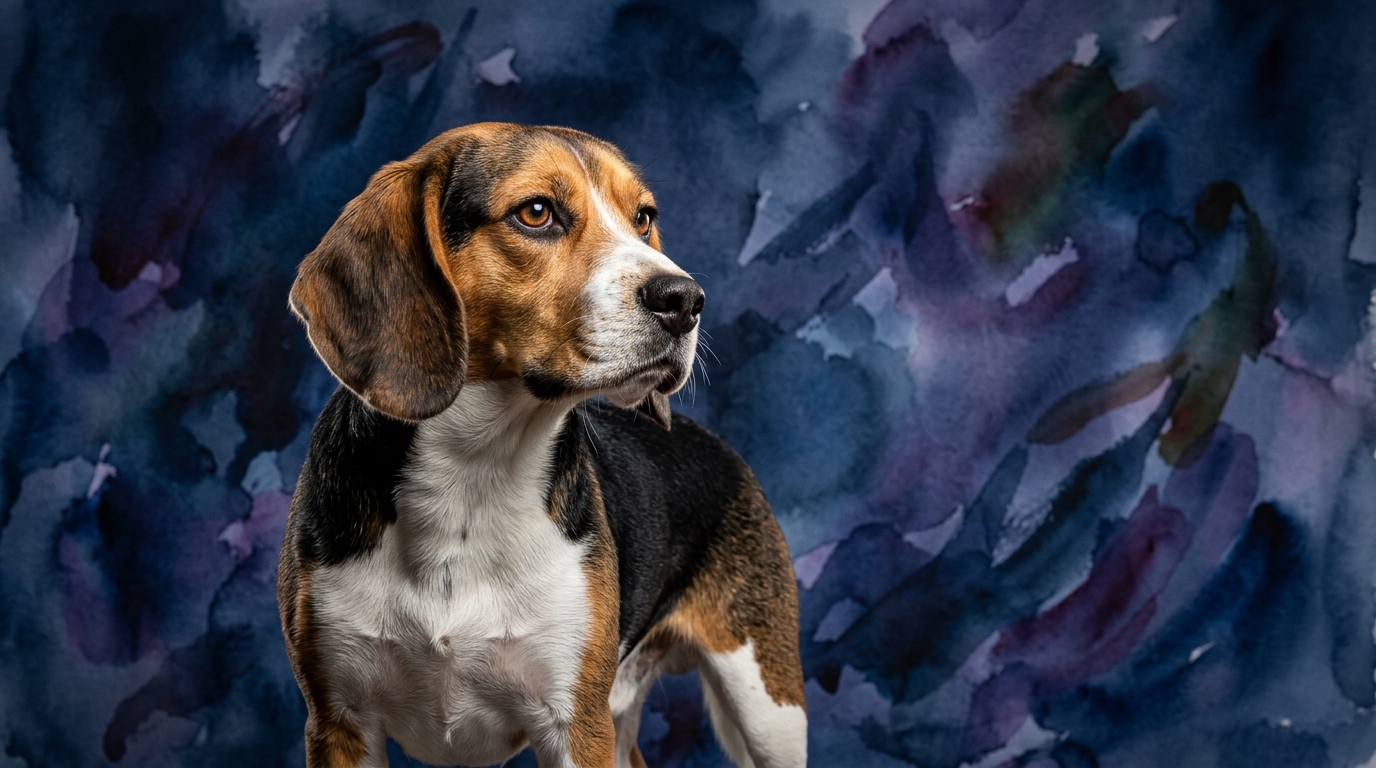
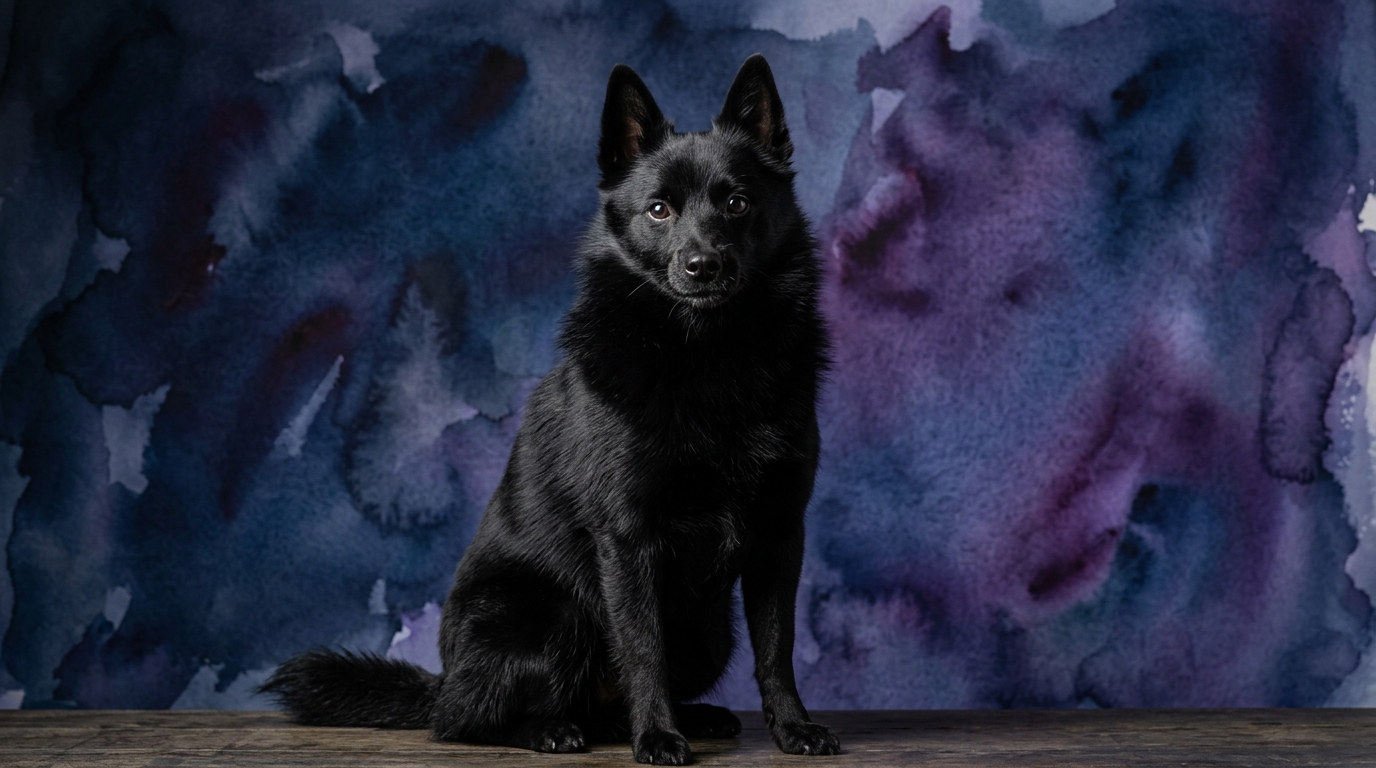
Side-by-Side IQ Profile: Beagle vs. Schipperke
The Cosmic Pet Pet IQ Lab employs a five-dimensional framework to assess canine cognition, providing a nuanced understanding beyond simple obedience. Let's delve into how Beagles and Schipperkes measure up across these specific dimensions.
**Beagle's Cognitive Landscape:** **Problem Solving (4/5):** Beagles excel at unraveling complex scent puzzles, navigating environments by following faint trails, and persisting until the source is found. Their solutions are almost exclusively scent-driven, making abstract, non-olfactory challenges less intuitive. **Training Speed (2/5):** Their independent spirit and formidable instinctive drive often prioritize a compelling scent over human commands, slowing obedience acquisition. Training demands immense patience, creative high-value rewards, and understanding their primary motivation. **Social Intelligence (3/5):** Generally amiable, Beagles thrive in pack environments and respond to social cues within their established group, especially during cooperative activities like a hunt. However, their scent focus can sometimes overshadow subtle human social signals. **Instinctive Drive (5/5):** This is their defining strength. Their world is dominated by odors, and their drive to investigate every one is unparalleled, making them tireless, single-minded trackers capable of sustained effort. **Memory (4/5):** They possess excellent memory for scent trails and associated rewarding finds. While they remember commands, their recall can be inconsistent if a compelling scent distracts, requiring consistent reinforcement.
**Schipperke's Cognitive Landscape:** **Problem Solving (5/5):** Exceptionally resourceful and clever, Schipperkes analyze situations and devise solutions to environmental challenges, like manipulating objects or gaining access. Their solutions are often creative and adaptable. **Training Speed (5/5):** This breed quickly grasps new commands and routines, eager to engage with their handler and highly responsive to positive reinforcement. Their keen desire to learn makes them excellent for various dog sports and advanced obedience. **Social Intelligence (3/5):** Watchful and discerning, Schipperkes form strong bonds with family and are attuned to their moods. While reserved with strangers, they excel at reading social dynamics within their circle, often acting as diligent guardians. **Instinctive Drive (3/5):** They possess a notable prey drive for small vermin and a strong territorial instinct, manifesting as an alert, protective nature. This drive is more generalized than a pure scent drive. **Memory (5/5):** Schipperkes demonstrate exceptional memory for commands, complex sequences, and past experiences. This robust memory contributes significantly to their ease of training and adaptability across a vast behavioral repertoire.
Where the Beagle Wins Cognitively
The Beagle’s cognitive triumphs are rooted in its olfactory genius. Their unparalleled instinctive drive (5/5) allows for feats of detection and tracking unmatched by many breeds. This involves sophisticated cognitive processing to discriminate odors, follow faint trails, and filter distractions. Their problem-solving (4/5) in this specialized domain is extraordinary, requiring a unique 'olfactory mapping' and unwavering persistence. A Beagle remembers the nuances of a scent and its trajectory with remarkable precision (Memory 4/5), building a mental database of odors. Their social intelligence (3/5) also shines within a working pack, coordinating efforts and maintaining focus on a shared objective.
Where the Schipperke Wins Cognitively
Conversely, the Schipperke’s cognitive strengths lie in its versatile, generalist intelligence. With a perfect score in Problem Solving (5/5), they are natural strategists, adept at analyzing situations and devising clever solutions to environmental challenges, like opening gates. Their exceptional Training Speed (5/5) and Memory (5/5) combine for a highly adaptable and rapid learner. They quickly form associations and retain lessons with impressive longevity, mastering complex tricks and routines with ease. Unlike the Beagle’s specialized memory, the Schipperke’s is broadly applied, enabling recall of diverse information and application of past experiences to novel situations, showcasing broad, adaptable thinking.
Which Is Easier to Train and Why
The Schipperke (Training Speed 5/5) holds a distinct advantage in ease of training. They exhibit a strong desire to engage with handlers, quickly grasping new commands and routines. Their high memory score (5/5) ensures consistent retention, requiring fewer repetitions. Schipperkes are attentive and eager, making training efficient and rewarding. Teaching a complex multi-step trick might take only a few sessions, with reliable execution following swiftly.
The Beagle (Training Speed 2/5), however, presents a greater challenge. Their formidable instinctive drive (5/5) to follow scent often overrides commands, leading to 'selective deafness.' When a Beagle's nose is down, their cognitive focus is on olfactory processing, making redirection difficult. This independent mindset demands exceptional patience, consistency, and high-value rewards to compete with environmental allure. While capable, their training speed is slower, and maintaining attention, especially outdoors, requires constant vigilance.
Which Suits Active Owners vs. Relaxed Owners
Beagles, with their intense instinctive drive (5/5) and need for olfactory engagement, are best for active owners prepared to provide extensive opportunities for scent work and secure outdoor exploration. An owner must understand their profound need to follow their nose and channel this energy positively, perhaps through nose work games. They are not ideal for relaxed owners unable to commit to consistent, stimulating activity, as unfulfilled Beagles may resort to baying or destructive chewing.
Schipperkes, while energetic, are more adaptable. Their high problem-solving (5/5) and training speed (5/5) mean they thrive on mental stimulation through training and varied activities. They suit active owners who enjoy interactive play and teaching new skills. Their smaller size and slightly lower instinctive drive (3/5) mean they adapt better to indoor activity periods, provided needs are met. They are less prone to the single-minded wanderlust of a Beagle.
The Verdict
If you appreciate a dog driven by an extraordinary sense of smell, are prepared for an independent mind focused on scent, and can provide ample opportunities for nose work and outdoor exploration, the Beagle might be your ideal companion.
Conversely, if you seek a quick-witted, highly trainable companion eager to learn, enjoy interactive problem-solving, and value a dog that excels in diverse cognitive challenges, the Schipperke is likely a better match.
🧠 Find Your Pet's IQ Score
Our Pet IQ Lab assessment covers 25+ tests across 5 cognitive dimensions — personalized to your breed.
Take the Full IQ Test →Frequently Asked Questions
Are Beagles difficult to train?
Beagles present a unique training challenge due to their powerful scent drive and independent nature. While they are capable of learning, their focus can be easily diverted by interesting smells, requiring extra patience, consistency, and high-value rewards to keep their attention on commands.
What makes Schipperkes good at problem-solving?
Schipperkes excel in problem-solving due to their innate curiosity, resourcefulness, and quick thinking. They are adept at strategizing to achieve goals, whether it's figuring out how to open a door or master a complex trick, often applying their intelligence to manipulate their environment.
How do the memory capabilities differ between the two breeds?
Schipperkes possess superior memory for learned behaviors and commands, allowing them to retain a vast repertoire of skills over time. Beagles have excellent memory for scent trails and associated locations, but their recall of human commands can be more context-dependent, especially when a compelling scent takes precedence.