Side-by-Side IQ Profile: Unpacking Canine Cognition
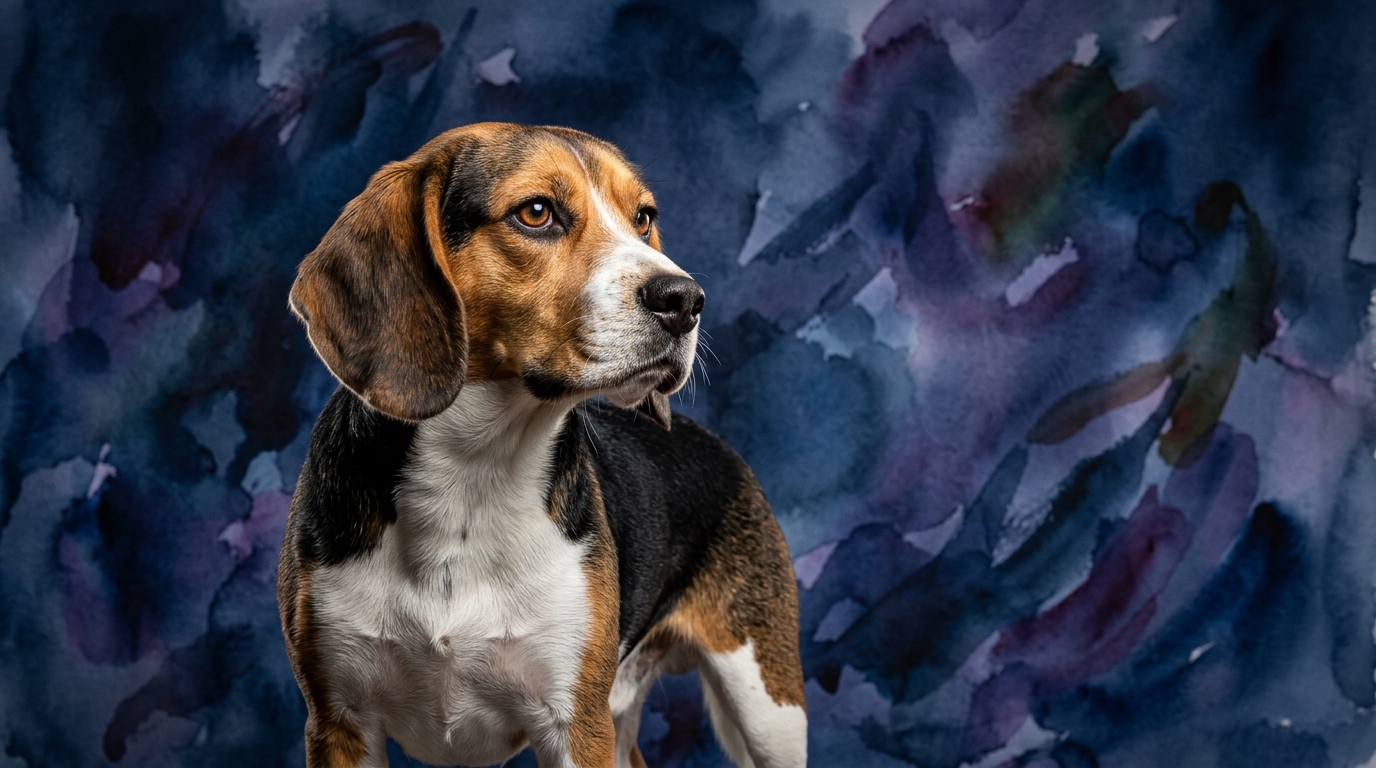
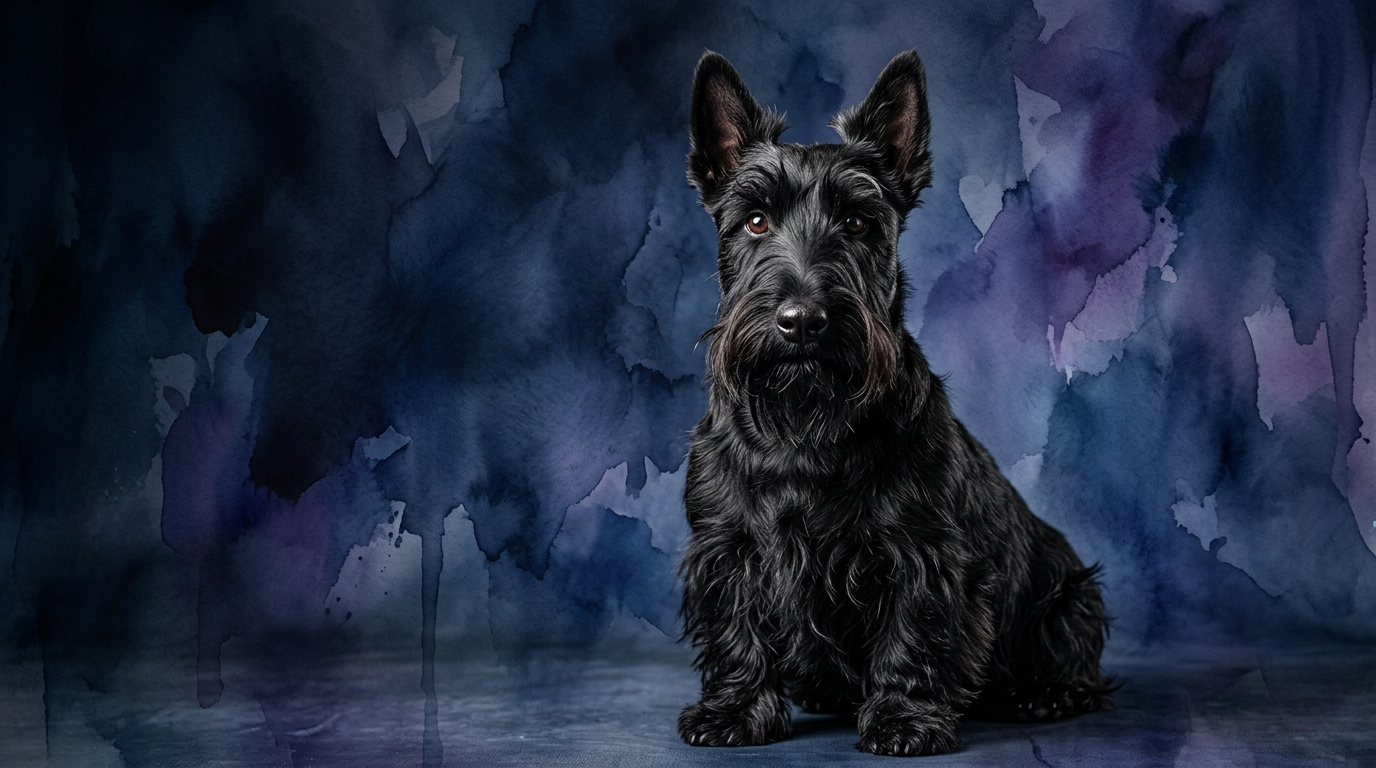
At The Cosmic Pet Pet IQ Lab, we analyze canine intelligence across five key dimensions, offering a nuanced view beyond simple obedience. The Beagle, a scent hound, holds a Coren rank of #72, while the Scottish Terrier, a tenacious terrier, ranks slightly higher at #65.
For the Beagle, Problem Solving scores 4/5, reflecting their adeptness at navigating complex scent trails and figuring out how to access enticing smells, often requiring persistent, multi-step actions. Their Training Speed is 2/5, indicating a slower pace in acquiring and reliably performing new commands, often challenged by their primary sensory focus. Social Intelligence stands at 3/5, meaning they are generally aware of human cues and group dynamics but can be independently driven. Their Instinctive Drive is a powerful 5/5, almost exclusively dominated by their incredible olfactory capabilities, compelling them to follow scents relentlessly. Memory is rated 4/5, showcasing an impressive ability to recall specific scent locations, routes, and experiences over time.
In contrast, the Scottish Terrier exhibits a Problem Solving score of 3/5, suggesting they are capable of overcoming obstacles but often through direct, sometimes stubborn, methods rather than intricate planning. Their Training Speed is 3/5, a moderate pace that allows for consistent learning when properly motivated, though their independent streak can make consistency a challenge. Social Intelligence also scores 3/5, indicating they understand social structures but often prefer to interact on their own terms. Their Instinctive Drive is 3/5, primarily focused on hunting small prey and demonstrating a moderate but focused persistence. Memory is 3/5, allowing them to retain routines and basic commands, but perhaps with less detail or duration than a scent-oriented breed.
Where the Beagle Wins Cognitively
The Beagle's cognitive strengths shine brightest in areas deeply intertwined with their ancestral purpose. Their Problem Solving score of 4/5 isn't about solving abstract puzzles, but rather about their exceptional ability to decipher and follow complex scent puzzles. This translates into an impressive capacity to track, navigate intricate environments, and overcome physical barriers to reach a scent source, often demonstrating creative persistence that other breeds might lack. If a Beagle needs to get to a smell, they will methodically work through various approaches until successful, showcasing a practical, goal-oriented intellect.
Furthermore, the Beagle's perfect 5/5 in Instinctive Drive is a cognitive superpower. This isn't just a physical urge; it's a profound mental focus that allows them to filter out distractions and concentrate on a single, compelling scent. This intense, almost obsessive, drive makes them unparalleled in tasks requiring sustained attention to olfactory cues, a form of specialized intelligence. Their 4/5 Memory score complements this by enabling them to recall specific scent profiles and associated locations, allowing them to learn and re-trace complex scent paths with impressive accuracy, remembering where certain interesting smells were detected days or weeks prior.
Where the Scottish Terrier Wins Cognitively
While the Beagle excels in olfactory-driven tasks, the Scottish Terrier demonstrates cognitive advantages in areas reflecting its terrier heritage. Their Training Speed, at 3/5, is a notable step above the Beagle's 2/5. This indicates a relatively quicker grasp of new commands and a greater inclination to respond to human instruction, making the initial stages of obedience training potentially smoother. While still possessing a terrier's independent spirit, they often show a more direct willingness to engage in structured learning activities than a Beagle might when a compelling scent is present.
The Scottie's Problem Solving at 3/5, though lower than the Beagle's, is applied differently. It's often seen in their determined approach to tasks like digging out a perceived pest or navigating their home environment to find a comfortable spot, relying on a pragmatic, self-sufficient intellect. Their moderate Instinctive Drive of 3/5 means they are less likely to become singularly fixated on a scent or task to the exclusion of all else, offering a more balanced cognitive focus. This can make them more amenable to redirection and less prone to 'tuning out' their human companions compared to a Beagle overwhelmed by an interesting smell.
Which is Easier to Train and Why
When assessing trainability, the Scottish Terrier generally presents a more straightforward path than the Beagle, primarily due to their respective Training Speed scores. The Scottie's 3/5 Training Speed indicates they can learn new commands at a reasonable pace, provided methods are engaging and consistent. Their independence, while sometimes perceived as stubbornness, can be channeled with positive reinforcement, as they often seek to understand and comply when the reward is clear and the motivation is present. They are less likely to be entirely consumed by external stimuli during a training session.
The Beagle's 2/5 Training Speed, however, points to a more challenging training experience. Their exceptional 5/5 Instinctive Drive means that any captivating scent can instantly override learned commands or human requests. This isn't a lack of understanding, but rather a profound biological imperative that makes sustained focus on human-centric tasks difficult, especially outdoors. While they possess good Problem Solving and Memory, these are often applied to their scenting work rather than obedience. Training a Beagle requires immense patience, creativity to make training more rewarding than a scent trail, and a deep understanding of their primary drive to manage distractions effectively.
Which Suits Active Owners vs. Relaxed Owners
The cognitive profiles of these two breeds naturally align with different owner lifestyles. The Beagle, with its 5/5 Instinctive Drive and 4/5 Problem Solving, thrives with active owners who can provide ample mental and physical stimulation, particularly through scent-based activities. Owners who enjoy long walks, hiking, or structured scent work (like tracking or nose work) will find a highly engaged and satisfied companion in a Beagle. Their intelligence is best utilized when given opportunities to follow their nose and solve environmental puzzles, which requires an owner committed to providing such outlets.
The Scottish Terrier, with its more moderate Instinctive Drive (3/5) and Training Speed (3/5), can suit owners with a more relaxed lifestyle, provided they still offer consistent mental engagement and regular, moderate exercise. While they enjoy walks and play, their independent nature means they don't constantly demand intense activity in the same way a Beagle might. They are often content with a comfortable routine, a few engaging play sessions, and opportunities to patrol their territory. Owners who appreciate a self-possessed companion, willing to engage but also happy to rest nearby, might find the Scottie a better fit, though regular mental challenges are still crucial to prevent boredom.
The Verdict
Choose a Beagle if you are an active individual or family eager to channel a dog's profound scenting abilities into engaging activities like tracking or nose work, and are prepared for a persistent, scent-driven companion requiring patient, creative training.
Opt for a Scottish Terrier if you appreciate an independent, resilient companion who learns at a moderate pace, thrives on consistent routines, and offers a balanced blend of companionship and self-sufficiency, fitting well into a home that provides regular mental and physical engagement without constant, high-intensity demands.
🧠 Find Your Pet's IQ Score
Our Pet IQ Lab assessment covers 25+ tests across 5 cognitive dimensions — personalized to your breed.
Take the Full IQ Test →Frequently Asked Questions
Do Beagles truly struggle with training, or are they just easily distracted?
Beagles don't lack the capacity to learn, as evidenced by their problem-solving and memory scores. Their primary challenge in training stems from their overwhelming 5/5 instinctive drive for scent, which makes external stimuli incredibly distracting and often more rewarding than human commands, requiring dedicated focus management from owners.
Is the Scottish Terrier's independence a sign of lower social intelligence?
Not necessarily. The Scottie's 3/5 social intelligence indicates they understand social cues but often prefer to interact on their own terms, which is distinct from a lack of comprehension. Their independence reflects a self-reliant nature, not an inability to connect or recognize their human companions.
How does a higher Coren rank for the Scottish Terrier (65) compare to the Beagle (72) impact daily life?
The Coren rank reflects working and obedience intelligence, suggesting the Scottish Terrier might generally grasp and execute novel commands slightly more readily than the Beagle. In daily life, this could mean the Scottie might pick up household rules or basic obedience cues with a bit less repetition, though individual personalities always play a significant role.