Side-by-Side IQ Profile: Unpacking Cognitive Dimensions
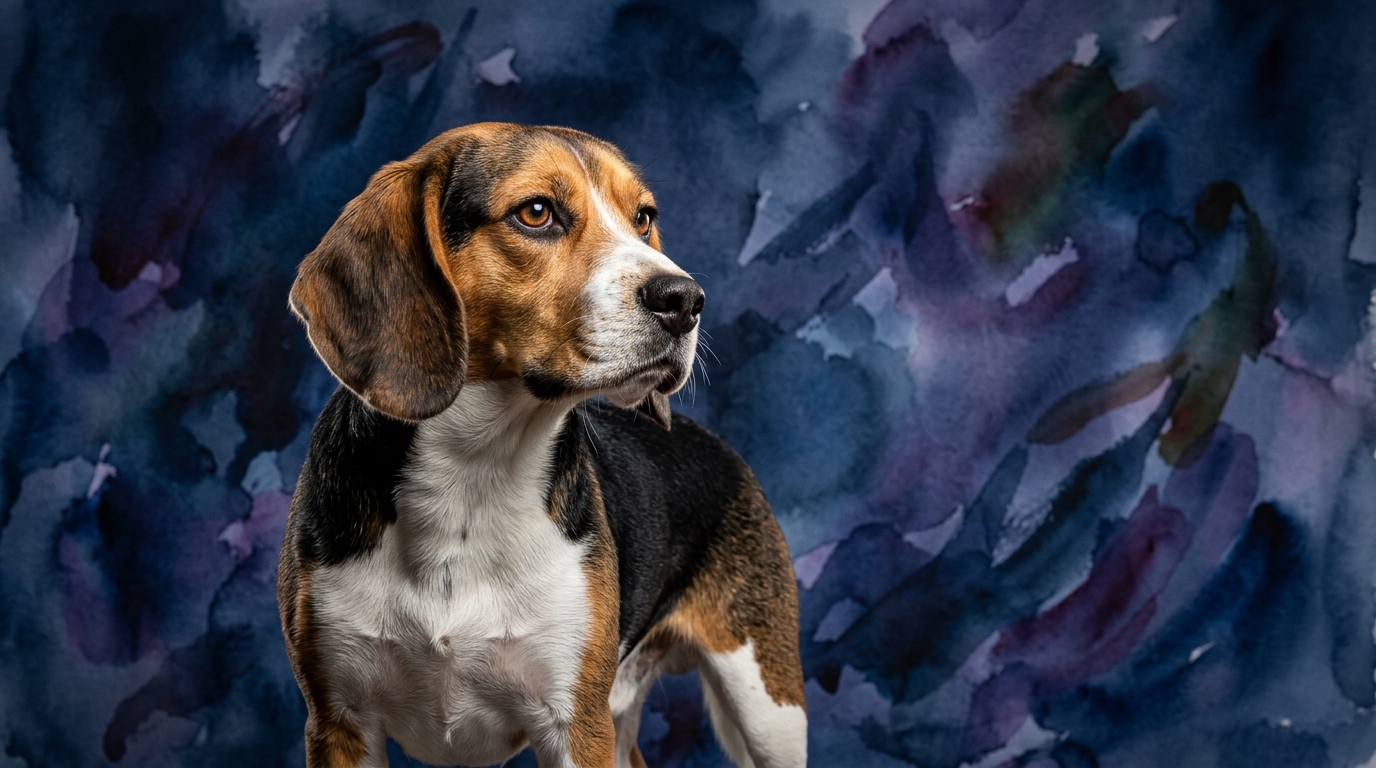
The Cosmic Pet Pet IQ Lab employs a five-dimensional framework to assess canine intelligence, offering a nuanced view beyond simplistic rankings. For the Beagle, ranked #72 by Coren, its Problem Solving scores 4/5, indicating a strong capacity to figure out complex tasks, particularly those involving sensory input. However, its Training Speed is 2/5, suggesting a need for significant patience and consistency. Social Intelligence is 3/5, reflecting decent interaction skills, but its defining characteristic is an unparalleled Instinctive Drive at 5/5, dictating much of its cognitive focus. Memory stands strong at 4/5, especially for environmental and olfactory cues.
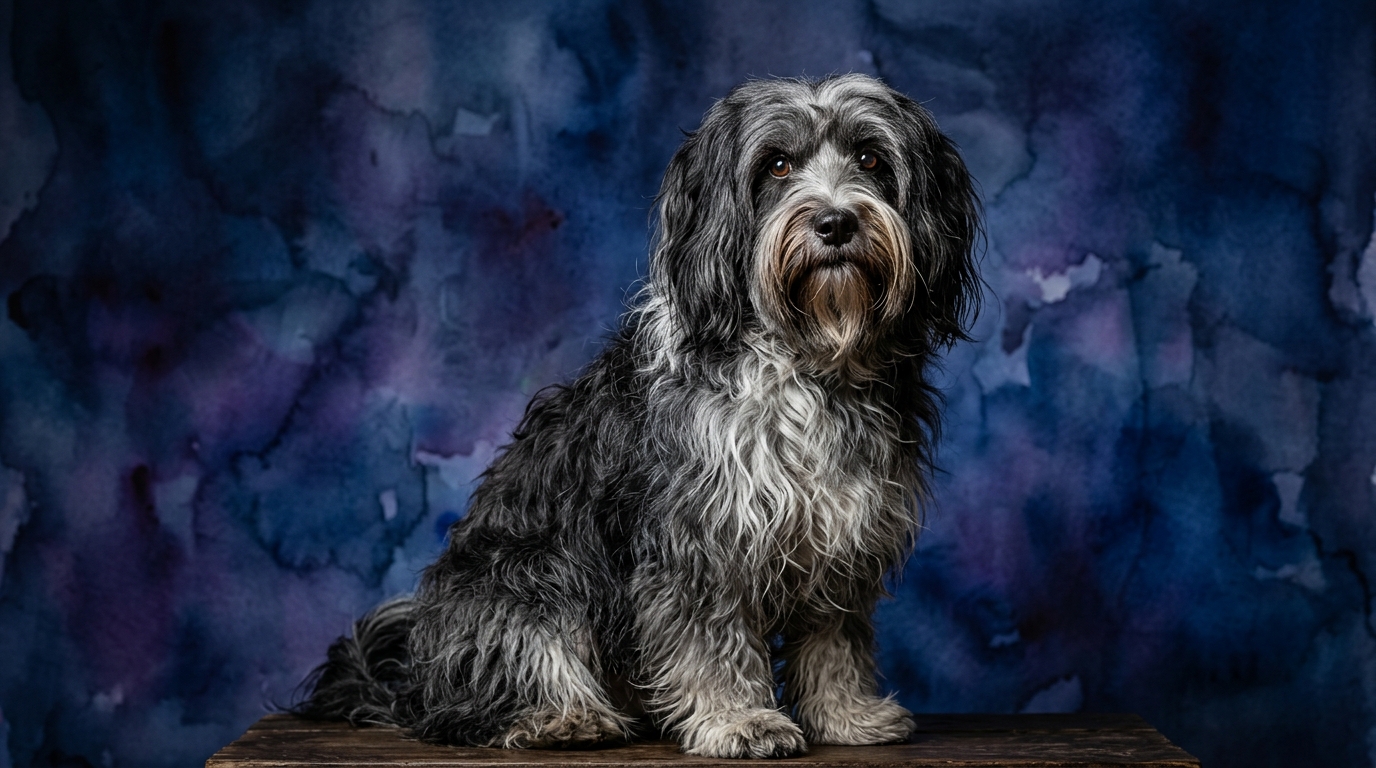
The Tibetan Terrier, with a slightly higher Coren rank of #63, presents a more balanced cognitive profile. Its Problem Solving is 3/5, showing moderate ability to navigate challenges. Training Speed is 3/5, indicating a more receptive learner compared to the Beagle. Social Intelligence matches the Beagle at 3/5, signifying a similar capacity for understanding social dynamics. Its Instinctive Drive is also a balanced 3/5, not dominated by a single overwhelming urge. Memory scores 3/5, providing a solid foundation for retaining learned behaviors and routines.
Where the Beagle Excels Cognitively
The Beagle's cognitive strengths are deeply rooted in its specialized heritage. Its 4/5 Problem Solving prowess shines when challenges align with its formidable sensory capabilities. For instance, presented with a multi-step puzzle that requires sniffing out specific mechanisms to release a reward, a Beagle will exhibit remarkable persistence and ingenuity. This isn't mere trial-and-error; it's the application of sophisticated olfactory processing to navigate complex environments and achieve a goal.
The 5/5 Instinctive Drive is the Beagle's cognitive cornerstone. When a compelling scent is present, its entire mental architecture prioritizes that information. Distractions fade, and the Beagle's brain dedicates itself to analyzing the scent's trajectory and formulating a strategy to follow it. This singular, intense focus, while presenting training challenges, signifies a highly specialized and potent cognitive function.
Complementing this is a 4/5 Memory, particularly adept at retaining spatial and olfactory information. A Beagle can recall intricate scent trails over extended periods, demonstrating a sophisticated form of environmental mapping. They remember which routes lead to interesting smells or where certain game animals frequent, showcasing a practical, context-dependent recall vital for their original purpose.
Where the Tibetan Terrier Holds a Cognitive Edge
The Tibetan Terrier's cognitive advantage stems from its balanced and adaptable intelligence, rather than a singular, overwhelming drive. Its 3/5 Training Speed, a noticeable improvement over the Beagle's 2/5, signifies a greater readiness to engage with human instruction. This breed is less prone to external distractions during learning sessions, making them generally more receptive to commands and routines. Their adaptability means they can pivot between tasks more easily.
This adaptability is further supported by a moderate 3/5 Instinctive Drive. Unlike the Beagle, where a powerful scent drive can monopolize cognitive resources, the Tibetan Terrier's drives are more evenly distributed across different behaviors. This allows for a more versatile application of their problem-solving (3/5) and memory (3/5) skills. They excel in environments where consistent, varied interaction and a willingness to learn diverse tasks are valued, capable of applying learned behaviors to new situations with reasonable success due to their less specialized focus.
Ease of Training: A Tale of Two Temperaments
Training ease starkly differentiates these two breeds. The Tibetan Terrier, with its 3/5 Training Speed, generally offers a more straightforward experience. They often display an eagerness to please and their moderate instinctive drive (3/5) means they are less likely to become completely engrossed by environmental stimuli during training. They respond well to consistent positive reinforcement, showing good capacity to learn and retain commands without the profound stubbornness sometimes seen in scent hounds. Their social intelligence (3/5) also aids in tuning into their trainer's intentions.
The Beagle, conversely, scores 2/5 in Training Speed, indicating a more challenging training journey. Its formidable 5/5 instinctive drive, particularly for scent, is both its greatest cognitive asset and its primary training obstacle. While capable of learning (4/5 memory), their brain is constantly processing olfactory information, making sustained attention difficult when a compelling scent is present. They demand immense patience, creative motivation, and highly consistent methods to overcome their natural inclination to follow their nose. Off-leash reliability is a significant challenge for Beagles due to this overpowering drive, whereas a Tibetan Terrier might achieve it with dedicated practice. Their problem-solving (4/5) can sometimes manifest as figuring out ways to get what they want, rather than complying with a command, if not carefully managed.
Owners: Active Explorers vs. Engaged Companions
The ideal owner for each breed aligns closely with their distinct cognitive profiles. For active owners who relish outdoor exploration and appreciate a dog with a powerful, specialized drive, the Beagle is an excellent choice. These owners must be prepared to channel their Beagle's profound scent drive through structured activities like scent work, tracking games, or long, secure exploratory walks. "Active" for a Beagle means deep mental engagement with their nose as much as physical exertion. Owners who embrace training challenges and commit to consistent, positive reinforcement to manage their Beagle's independent, scent-driven nature will find immense satisfaction in their partnership.
In contrast, the Tibetan Terrier suits owners seeking an engaged, adaptable companion who enjoys varied activities but doesn't require a singular, intense focus. Their balanced cognitive profile makes them suitable for diverse pursuits, from agility to being a devoted family member. Owners who appreciate a dog that is generally more responsive to training cues (3/5 Training Speed) and less prone to bolting after a scent will find the Tibetan Terrier a rewarding partner. They still require regular exercise and mental enrichment but are often more content with indoor puzzle toys and interactive play alongside their humans, fitting well into a home that values consistent companionship and a moderately paced life.
The Verdict
Choose a Beagle if you are an active owner passionate about engaging a dog's incredible scent drive and are prepared for a challenging yet rewarding training journey focused on managing their independent nature. They thrive with owners who can provide ample opportunities for their nose to lead, understanding that their profound instinctive drive defines their cognitive world.
Opt for a Tibetan Terrier if you seek a versatile, adaptable companion who responds well to consistent training and enjoys a balanced mix of mental and physical engagement. They are an ideal choice for owners looking for a devoted family member who is generally more compliant and less prone to single-minded fixations, fitting smoothly into a moderately active lifestyle.
🧠 Find Your Pet's IQ Score
Our Pet IQ Lab assessment covers 25+ tests across 5 cognitive dimensions — personalized to your breed.
Take the Full IQ Test →Frequently Asked Questions
Is a Beagle or a Tibetan Terrier better for apartment living?
A Tibetan Terrier might adapt more readily to apartment life due to its more moderate instinctive drives and generally lower propensity to bark excessively out of boredom. While both need exercise, the Tibetan Terrier's cognitive balance allows for more varied indoor mental stimulation without the Beagle's overwhelming need to follow a scent outdoors.
Do Beagles or Tibetan Terriers get along better with other pets?
Both breeds generally possess good social intelligence (3/5) and can co-exist peacefully with other pets if properly socialized from a young age. A Beagle's strong pack instinct often makes them good with other dogs, while a Tibetan Terrier's adaptable nature allows them to integrate well into multi-pet households. Individual personality, however, always plays a significant role.
Which breed requires more mental stimulation?
The Beagle, with its 4/5 problem-solving and 5/5 instinctive drive, demands more targeted mental stimulation, primarily through scent-based activities, to prevent boredom and destructive behaviors. The Tibetan Terrier, with its balanced 3/5 scores across most cognitive dimensions, thrives on varied mental enrichment like puzzle toys, obedience training, and interactive games, but without the Beagle's singular, intense focus.