Side-by-Side IQ Profile: Beagle vs. Treeing Walker Coonhound
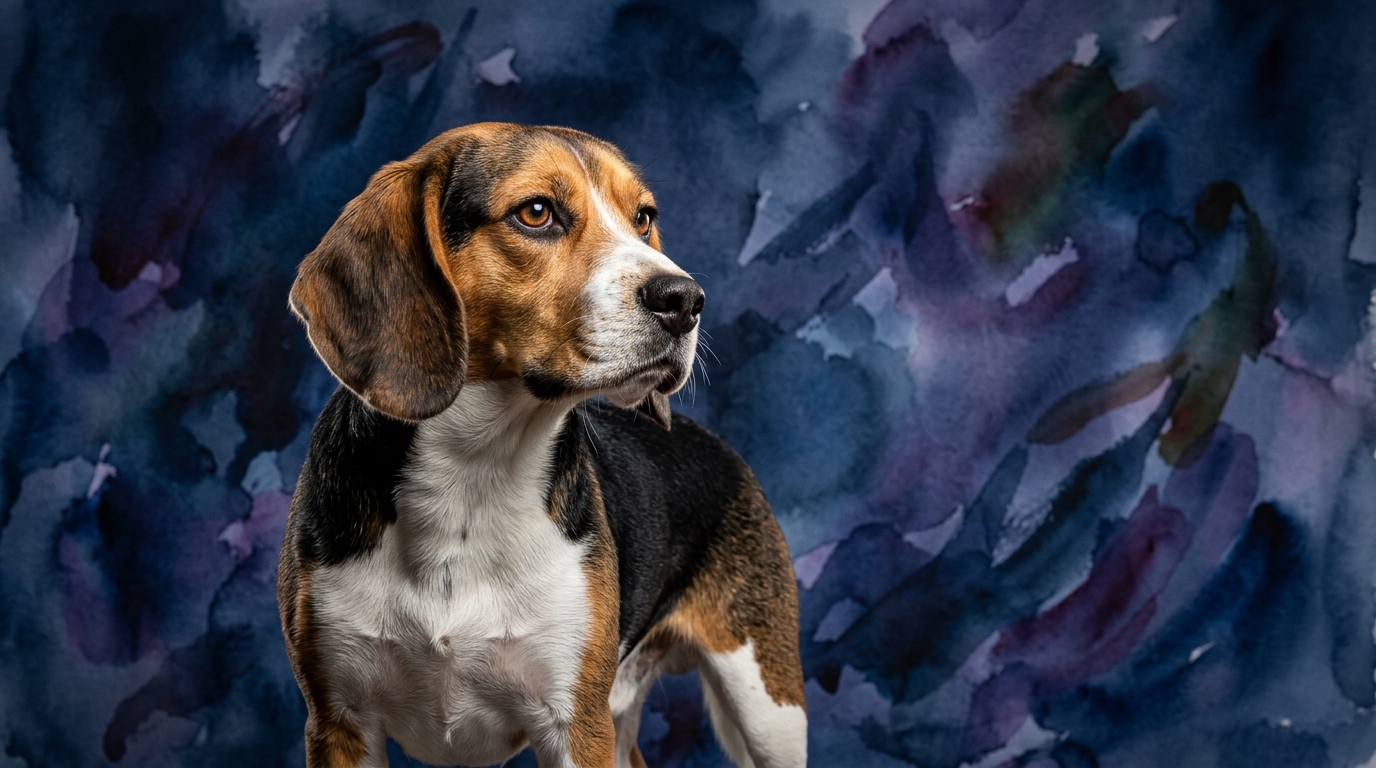
The Beagle, a compact hound ranked #72 by Coren, presents a distinct cognitive profile based on The Cosmic Pet Pet IQ Lab metrics. Their Problem Solving rates a strong 4/5, primarily driven by their exceptional ability to unravel complex scent puzzles. However, their Training Speed scores a modest 2/5, reflecting an independent nature often more attuned to following a captivating scent trail than human instruction. Social Intelligence sits at 3/5, indicating an amiable but not overly people-dependent disposition, while their Instinctive Drive is a powerful 5/5, almost entirely focused on scent. Their Memory, at 4/5, is particularly robust for recalling intricate scent patterns and locations.
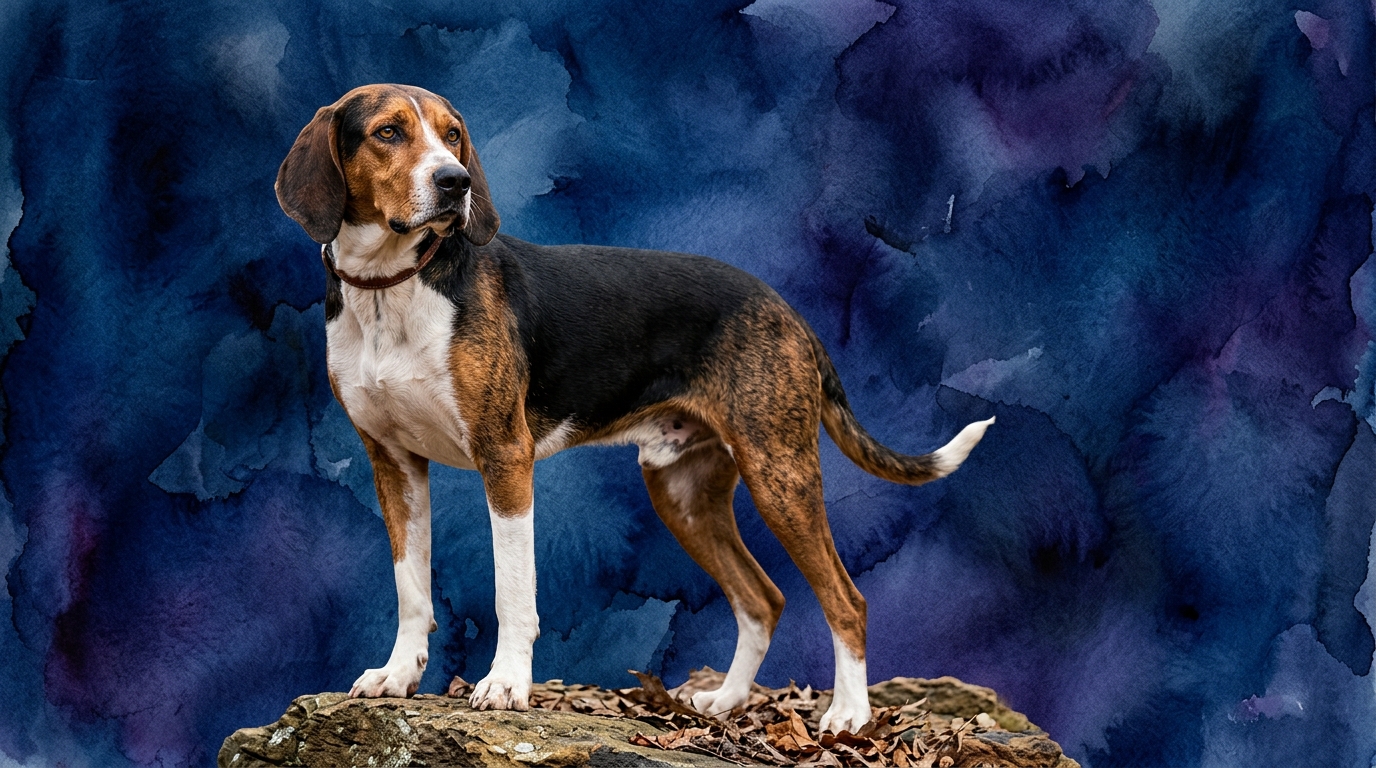
The Treeing Walker Coonhound, though not Coren-ranked, showcases a more balanced cognitive spread. Their Problem Solving is a respectable 3/5, often applied to tracking and locating quarry in varied terrain. Training Speed is a moderate 3/5, suggesting a more cooperative temperament than the Beagle when it comes to learning commands. Social Intelligence matches the Beagle at 3/5, indicating a sociable but independent spirit. Their Instinctive Drive is also a balanced 3/5, specifically geared towards 'treeing' game, which involves a sequential problem-solving process. Memory scores a 3/5, adequate for remembering hunting routes and learned behaviors, contributing to their effectiveness in their specialized role.
Where the Beagle Wins Cognitively
The Beagle's cognitive prowess shines brightest in the realm of scent detection and tracking, a specialized form of problem-solving where they excel with a 4/5 rating. Their superior olfactory processing allows them to differentiate and follow incredibly faint scent trails, making them masters of intricate olfactory puzzles. This isn't merely about following a line; it involves sophisticated pattern recognition and memory to reconstruct a path over varied surfaces and through distracting environments.
Their 4/5 memory score is largely dedicated to retaining these complex scent maps, enabling them to return to a starting point or identify a specific scent even after significant time has passed. This deep specialization in scent work gives them a distinct advantage in tasks requiring persistent, detail-oriented olfactory investigation, making them invaluable for tasks like truffle hunting or scent detection games. Their unwavering 5/5 instinctive drive, while making them challenging to train in other areas, is a profound cognitive strength when channeled into their primary purpose, allowing them to maintain focus on a scent trail for extended periods where other breeds might falter.
Where the Treeing Walker Coonhound Wins Cognitively
The Treeing Walker Coonhound exhibits a more generalized, yet equally effective, cognitive flexibility compared to the Beagle. While their problem-solving score is 3/5, it reflects a broader application of their intellect beyond just scent. They demonstrate adaptability in navigating diverse terrains and strategizing to 'tree' game, which involves a series of independent decisions from tracking to cornering. Their 3/5 training speed, notably higher than the Beagle's 2/5, suggests a greater willingness to engage with human instruction and a more pliable mindset for learning various commands and tasks.
This makes them more amenable to diverse training regimens and activities outside of traditional hunting. Furthermore, their instinctive drive, rated at 3/5, is less singularly focused than the Beagle's, allowing for a more balanced engagement with their environment and handlers. This means their cognitive resources aren't solely consumed by scent, enabling them to process other cues and adapt to novel situations more readily. Their moderate memory score of 3/5 is sufficient for remembering training cues, routines, and the locations of familiar resources, contributing to their overall adaptability in varied environments.
Which Is Easier to Train and Why
When evaluating ease of training, the Treeing Walker Coonhound generally presents a more straightforward experience than the Beagle. The Coonhound's training speed rating of 3/5, compared to the Beagle's 2/5, indicates a greater receptiveness to learning and a stronger desire to cooperate with their human companions. This isn't to say Treeing Walkers are effortless, but their moderate instinctive drive (3/5) means they are less likely to be completely consumed by a scent trail, allowing them to maintain focus on their handler's commands. For example, a Treeing Walker Coonhound might be more consistently recallable in an open field because their drive to follow a scent is not as overwhelming as a Beagle's.
Beagles, with their intense 5/5 instinctive drive and lower training speed, often find the pull of an interesting scent far more compelling than any human directive. Their singular focus on olfactory exploration means that once they've locked onto a smell, recalling them can be an immense challenge, requiring extensive, consistent, and creative training to overcome their innate drive. Therefore, for an owner prioritizing biddability and a dog that consistently responds to commands, the Treeing Walker Coonhound offers a less demanding training journey.
Suitability for Active vs. Relaxed Owners
The choice between a Beagle and a Treeing Walker Coonhound largely depends on an owner's lifestyle and their capacity to meet specific cognitive and physical needs. The Beagle, despite its powerful scent drive, can often suit owners who prefer a moderately active lifestyle, provided they can offer consistent mental stimulation through scent games and short, focused training sessions. While they do require regular walks and opportunities to explore with their nose, their smaller size means they don't demand the same expansive physical exertion as a larger hound. They can be content curling up indoors after their 'work' is done, making them suitable for owners who enjoy a mix of outdoor exploration and relaxed indoor time, but who are prepared for their independent streak and occasional vocalizations.
In contrast, the Treeing Walker Coonhound is unequivocally better suited for highly active owners. Their history as endurance hunters means they possess significant stamina and a need for substantial physical exercise to remain content and well-behaved. These dogs thrive on long hikes, runs, and activities that allow them to stretch their legs and engage their keen senses over expansive areas. A relaxed owner who cannot provide daily, vigorous activity will likely find a Treeing Walker Coonhound becoming restless, vocal, and potentially destructive due to unfulfilled energy and mental stimulation needs. Their more cooperative nature, however, means they can be excellent companions for owners who enjoy outdoor adventures and want a partner for activities like trail running or extensive exploring.
The Verdict
If you are captivated by the profound world of scent, appreciate an independent, focused tracker in a compact package, and are prepared for a dog whose primary motivation is its nose, the Beagle will be an enriching companion.
However, if you seek a more biddable, high-energy partner for extensive outdoor adventures, who offers a more balanced cognitive profile and is generally more responsive to cooperative training, the Treeing Walker Coonhound is likely the better fit for your active lifestyle.
🧠 Find Your Pet's IQ Score
Our Pet IQ Lab assessment covers 25+ tests across 5 cognitive dimensions — personalized to your breed.
Take the Full IQ Test →Frequently Asked Questions
Are Beagles difficult to train?
Beagles can be challenging to train due to their intense instinctive drive (5/5) for scent and a lower training speed (2/5). Their nose often overrides human commands, requiring consistent, patient, and creative methods to keep them engaged and responsive.
Do Treeing Walker Coonhounds bark a lot?
Treeing Walker Coonhounds are known for their distinctive "bay" or bark, especially when tracking or "treeing" game. While they aren't constantly vocal, they will use their voice to communicate excitement, alerts, or when they've found something interesting, making them less suitable for quiet urban living.
Which breed is better with children?
Both breeds can be good with children, demonstrating a social intelligence of 3/5. Beagles are generally amiable and sturdy playmates, while Treeing Walker Coonhounds are often patient and tolerant. Early socialization and supervision are crucial for either breed to ensure positive interactions.