Side-by-Side IQ Profile: Beagle vs. Yorkshire Terrier
The Cosmic Pet Pet IQ Lab employs a five-dimensional framework to assess canine cognitive abilities, providing a nuanced understanding beyond simple obedience. For the Beagle (Coren rank #72) and the Yorkshire Terrier (Coren rank #27), these dimensions illuminate their distinct mental strengths and predispositions.
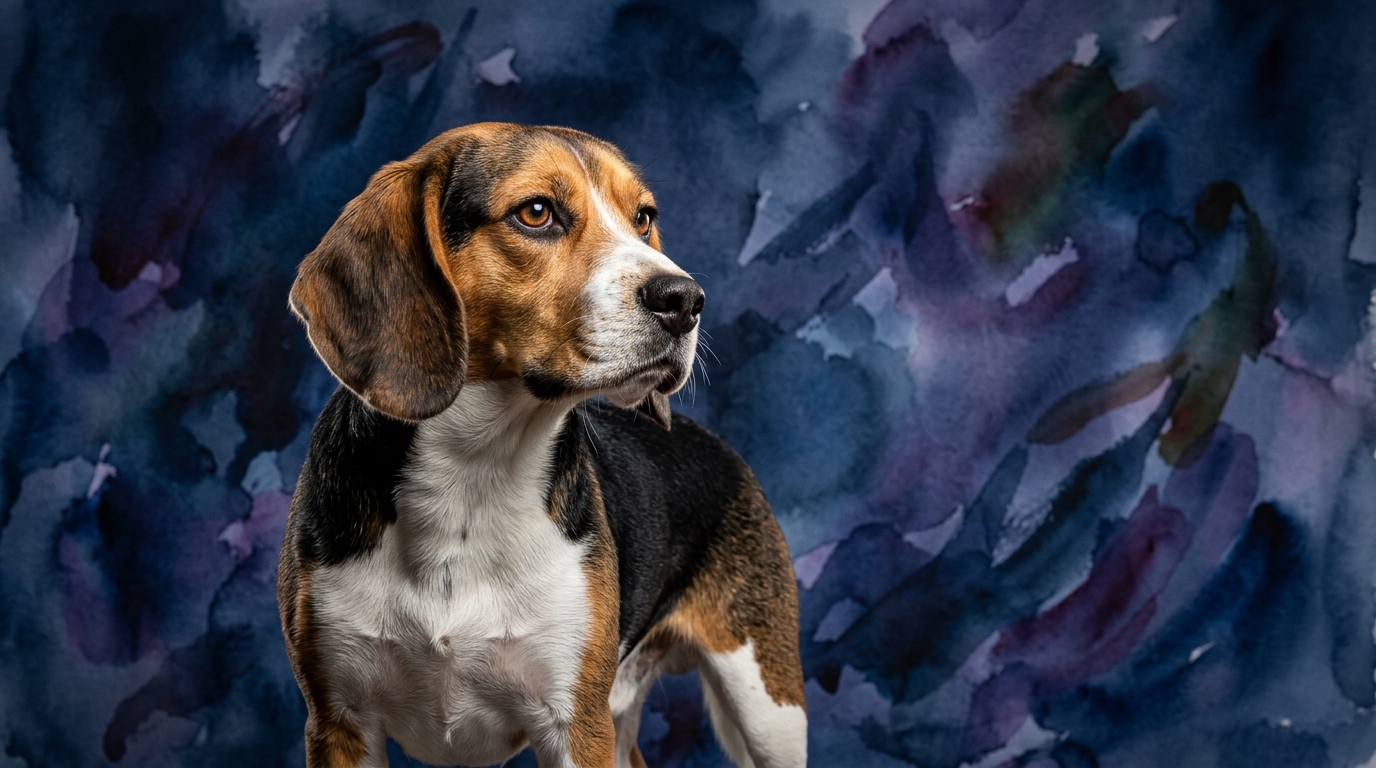
**Beagle (Hound):** Problem Solving 4/5, Training Speed 2/5, Social Intelligence 3/5, Instinctive Drive 5/5, Memory 4/5. Beagles excel at figuring out complex scent trails and navigating physical obstacles to reach a desired smell, showcasing strong problem-solving skills tied to their primary sensory input. Their independent nature and overwhelming drive, however, can make consistent, rapid obedience training a patient endeavor. While generally affable, their social focus often leans more towards fellow canines or the pursuit of a scent than on intricate human social cues. Their unparalleled olfactory capabilities drive their entire being, making them tireless trackers and enthusiastic explorers of the scent world. Beagles possess an excellent memory, particularly for scents and the locations associated with them, recalling complex patterns over long periods.
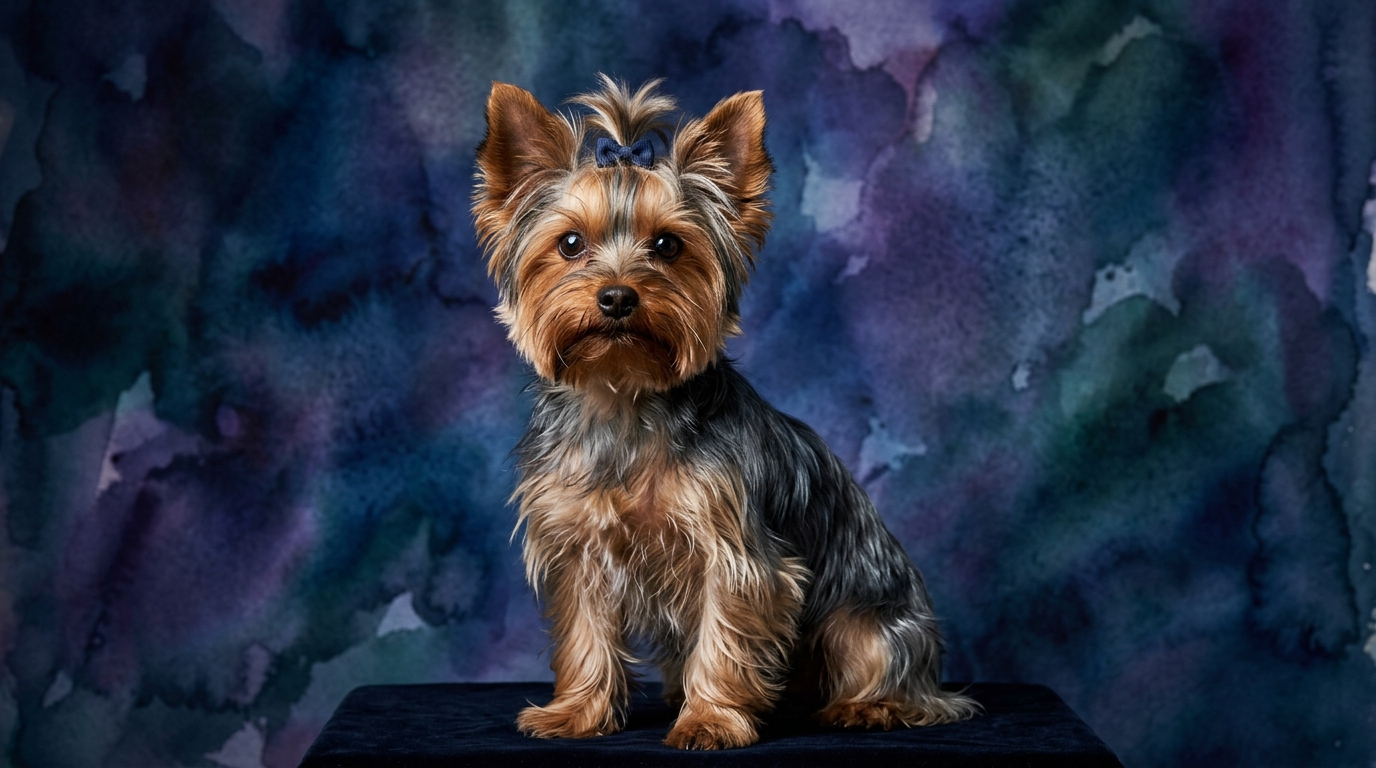
**Yorkshire Terrier (Terrier):** Problem Solving 3/5, Training Speed 4/5, Social Intelligence 4/5, Instinctive Drive 4/5, Memory 4/5. Yorkies display a cleverness in navigating their environment, often finding creative ways to get what they want, whether it's a treat from a high shelf or attention. They are generally quick learners, eager to please their primary caregivers and responsive to positive reinforcement, making them receptive to new commands. These terriers are highly attuned to human emotions and social dynamics within their household, forming strong bonds and demonstrating acute awareness of their owner's mood. While not scent hounds, Yorkies retain a strong terrier instinct for hunting small prey and guarding their territory, manifesting as a determined spirit and keen watchfulness. Yorkies have a good memory for routines, learned commands, and the people and places they interact with regularly.
Where the Beagle Wins Cognitively
The Beagle's cognitive strengths are deeply intertwined with its sensory world, particularly olfaction. Its Problem Solving at 4/5 far outstrips the Yorkie's 3/5 when the challenge involves unraveling a scent puzzle or navigating a complex environment using only its nose. For instance, a Beagle can meticulously follow a faint, winding trail for miles, mentally mapping the path and filtering out distracting smells, a feat of sustained cognitive focus that the Yorkie, with its different sensory priorities, wouldn't typically attempt or achieve. Their Instinctive Drive, rated 5/5, is a dominant cognitive force, enabling them to pursue a goal with unparalleled determination and single-mindedness, making them superior in tasks requiring sustained, instinct-driven focus. This drive, combined with a 4/5 Memory for relevant sensory information, allows Beagles to recall and utilize vast libraries of scent data, demonstrating a specialized form of long-term cognitive retention geared towards their primary purpose.
Where the Yorkshire Terrier Wins Cognitively
The Yorkshire Terrier's cognitive prowess shines in its adaptability and social acumen. Its 4/5 Training Speed surpasses the Beagle's 2/5, indicating a faster uptake of new commands and a greater eagerness to engage in structured learning activities. This rapid learning is often fueled by their 4/5 Social Intelligence, which allows them to quickly interpret human cues, understand household dynamics, and adapt their behavior to elicit desired responses from their owners. While the Beagle's social focus can be broader, the Yorkie’s is intensely personal, leading to a nuanced understanding of their specific human companions. Their Problem Solving, though rated 3/5, often manifests as clever, situation-specific solutions within a domestic setting, such as figuring out how to get attention or manipulate objects to their advantage, rather than the Beagle's outdoor, scent-based problem-solving. This makes them particularly adept at navigating the social complexities of a human household.
Which is Easier to Train and Why
Between the two, the Yorkshire Terrier generally presents as the easier companion to train, largely due to its superior Training Speed (4/5) and Social Intelligence (4/5). Yorkies are often highly motivated by human interaction and praise, making them receptive to learning new commands and tricks. Their desire to be part of the family's activities means they are more inclined to pay attention to human directives rather than getting sidetracked by external stimuli. For instance, teaching a Yorkie "stay" or "come" in a busy park might be challenging, but they are more likely to focus on their owner's voice amidst distractions than a Beagle.
In contrast, the Beagle's Training Speed (2/5) is hampered by its dominant Instinctive Drive (5/5). A Beagle's nose is its world; once a compelling scent is detected, its focus narrows intensely on tracking it, often rendering human commands secondary. This behavioral difference means that while a Yorkie might pause its play for a treat, a Beagle might ignore the treat (and its owner) to follow a fascinating smell, requiring far more patience and consistent, high-value rewards to achieve reliable obedience. Their independent spirit, while charming, necessitates a more creative and persistent training approach to overcome their innate drive for scent exploration.
Which Suits Active Owners vs. Relaxed Owners
The choice between a Beagle and a Yorkshire Terrier depends significantly on an owner's lifestyle energy. A Beagle, with its 5/5 Instinctive Drive and 4/5 Problem Solving focused on exploration, is an ideal match for active owners who enjoy long walks, hiking, or participating in scent work and tracking activities. Their boundless energy and need to follow their nose mean they thrive on consistent physical and mental stimulation outdoors. A Beagle is not content with short strolls around the block; they require opportunities to engage their powerful olfactory senses, making them perfect for owners who embrace an active, outdoor-oriented routine and can provide outlets for their strong drive.
Conversely, a Yorkshire Terrier, with its 4/5 Social Intelligence and 4/5 Training Speed, often suits owners who prefer a more relaxed, but still interactive, indoor lifestyle. While they possess a lively spirit and enjoy playtime, their exercise needs are generally met with indoor games, short walks, and companionship. Their strong bond with their primary caregiver means they thrive on close human interaction and being involved in daily household activities. They are excellent companions for those who appreciate a clever, devoted lapdog that enjoys being the center of attention and can be easily integrated into a less demanding daily schedule, provided they receive ample mental engagement through training and social interaction.
The Verdict
Choose a Beagle if you are an active, patient owner who wants a scent-driven companion for outdoor adventures and can commit to consistent, engaging training to manage their powerful instincts.
Choose a Yorkshire Terrier if you seek a quick-to-learn, socially attuned companion for a more home-centric lifestyle, valuing their devotion and responsiveness.
🧠 Find Your Pet's IQ Score
Our Pet IQ Lab assessment covers 25+ tests across 5 cognitive dimensions — personalized to your breed.
Take the Full IQ Test →Frequently Asked Questions
Do Beagles get along well with other dogs?
Beagles, with their pack origins, generally exhibit good social intelligence (3/5) towards other canines, often enjoying the company of fellow dogs. Proper socialization from a young age helps ensure they are well-adjusted and friendly with canine companions.
Are Yorkshire Terriers prone to barking?
Yorkshire Terriers, possessing a 4/5 Instinctive Drive that includes guarding their territory, can be prone to barking as an alert system. Their keen social intelligence also means they often use vocalizations to communicate their needs or express excitement.
How much exercise does a Beagle need daily?
A Beagle's 5/5 Instinctive Drive and energetic nature necessitate significant daily exercise, typically requiring at least 60-90 minutes of vigorous activity, ideally including opportunities for off-leash exploration in a secure area or engaging in scent-based games.