Side-by-Side Cognitive Profiles
At The Cosmic Pet Pet IQ Lab, we assess canine intelligence across five key dimensions. For both the Bedlington Terrier and the Affenpinscher, these assessments reveal a consistent rating of 3/5 across the board, suggesting a moderate but capable cognitive aptitude in each area. However, the *application* of this intelligence varies significantly due to their distinct breed histories and inherent temperaments.
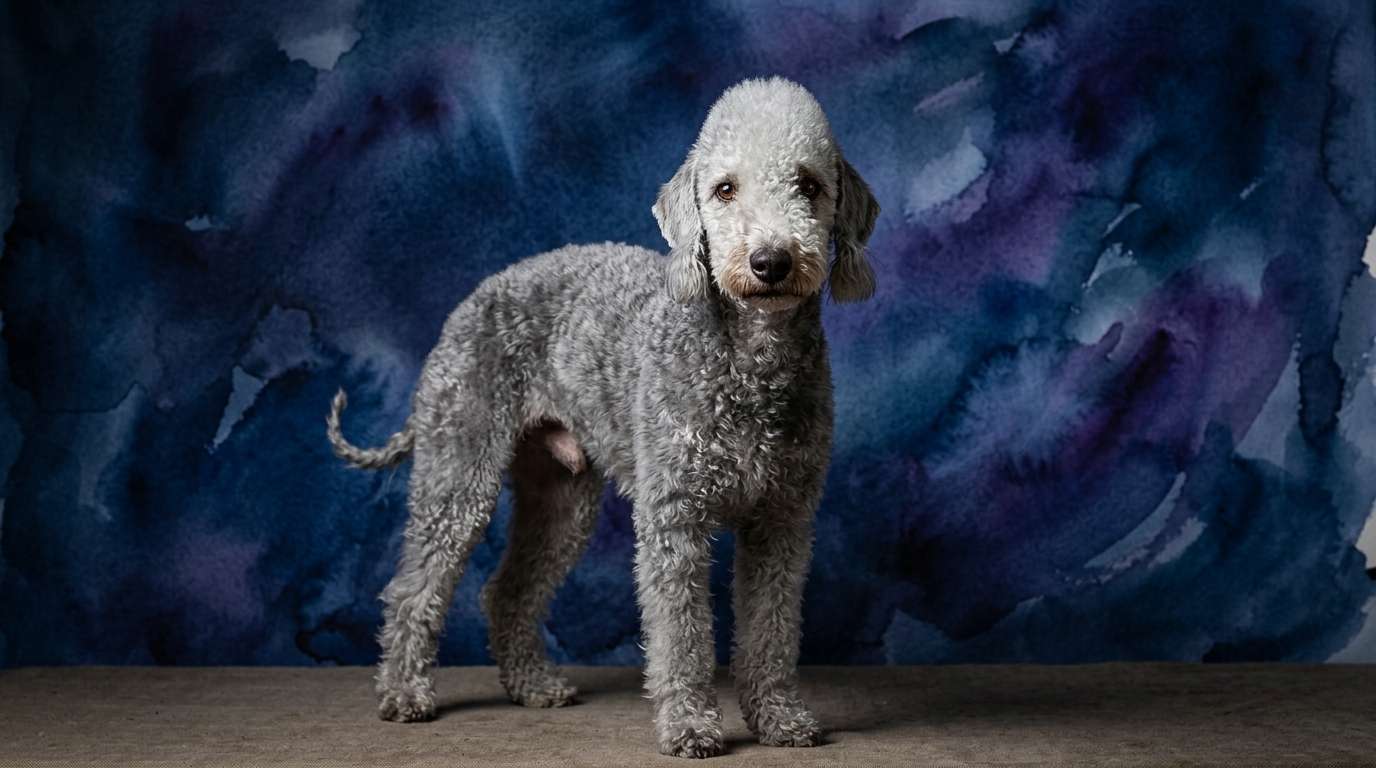
The Bedlington Terrier, a breed from the Terrier group, demonstrates a Problem Solving score of 3/5, often manifesting as a practical tenacity in navigating physical environments, typical of a vermin hunter. Their Training Speed, also 3/5, indicates they learn at a moderate pace, but their independent streak means consistency is paramount. Social Intelligence (3/5) allows them to form deep bonds with their family, though they can be reserved with strangers. Their Instinctive Drive (3/5) is strongly oriented towards chasing and investigating scents, fueling their curious nature. Lastly, their Memory (3/5) is reliable, allowing them to retain learned routines and boundaries effectively.
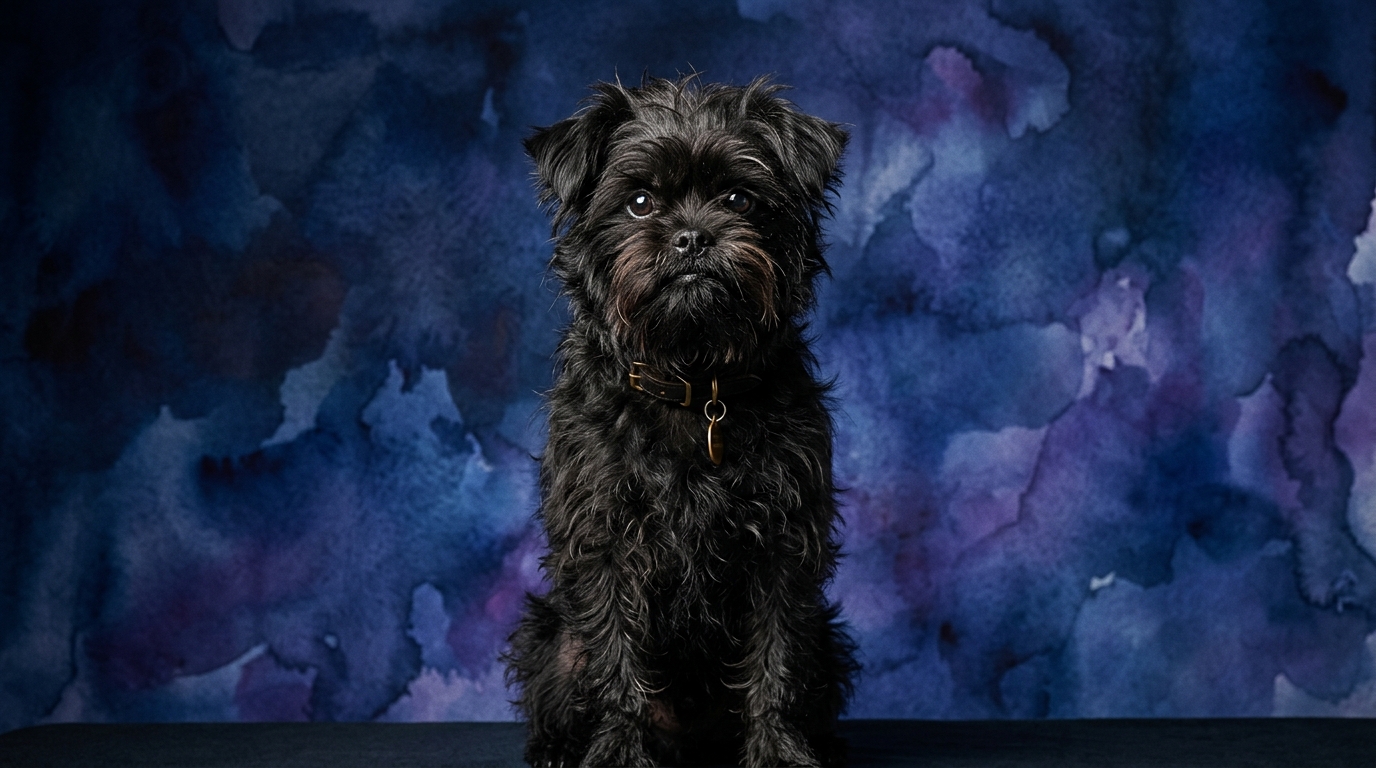
The Affenpinscher, a member of the Toy group, also achieves a Problem Solving score of 3/5, but this is often directed at social manipulation and clever ways to interact with their human companions. Their Training Speed (3/5) is moderate, with their charming, sometimes mischievous personality influencing their willingness to comply based on engagement. Social Intelligence (3/5) is a hallmark, as they are highly attuned to human emotions and thrive on being the center of attention. Their Instinctive Drive (3/5) is primarily expressed as a companion drive and a 'big dog' attitude towards perceived threats, rather than prey pursuit. Their Memory (3/5) is strong for routines, household rules, and the people they cherish, influencing their future interactions.
Where the Bedlington Terrier Excels Cognitively
While both breeds share a 3/5 rating in problem-solving, the Bedlington Terrier often demonstrates a particular tenacity when faced with physical challenges. Originating as vermin hunters, their cognitive strength lies in their ability to methodically work through obstacles that impede a goal, such as finding a way around a barrier or persistently digging to uncover a scent. This isn't about complex abstract thought, but rather a practical, goal-oriented persistence rooted in their breed history. Their instinctive drive, though also rated 3/5, is channeled into a more outward, explorative pursuit, making them particularly adept at tasks requiring sustained focus on a physical target, such as scent work or agility courses that mimic natural terrain challenges.
Where the Affenpinscher Excels Cognitively
The Affenpinscher, despite sharing the same 3/5 problem-solving score, shines in a different cognitive arena. Their intelligence is often directed towards understanding and influencing their human companions. They excel at figuring out subtle cues to gain attention, secure a desired treat, or initiate play. This social acuity, while rated 3/5, manifests as a keen ability to 'read the room' and adapt their behavior to elicit specific responses from people. Their problem-solving isn't typically about hunting prey, but rather about navigating the complexities of human-dog communication and optimizing their position within the family unit. This cleverness in social maneuvering often makes them highly engaging and entertaining companions.
Training Dynamics: Bedlington Terrier vs. Affenpinscher
Comparing training ease, both breeds have a 3/5 training speed, indicating a moderate learning curve. However, their behavioral differences profoundly influence the *experience* of training. The Bedlington Terrier's independent Terrier spirit means they understand commands but might not always comply if a more interesting scent or perceived 'job' presents itself. Training requires patience, consistency, and making sessions more rewarding than their inherent drive to explore; they can be prone to 'selective hearing' when their instinctive drive is engaged.
In contrast, the Affenpinscher, while equally capable of learning, can be more motivated by social interaction and positive reinforcement from their human. Their 'big dog' personality in a small package means they can be charmingly stubborn, but their desire for companionship often makes them more eager to please, especially if training is presented as a fun, engaging game. They are less likely to be distracted by a strong prey scent but might lose focus if they feel the session is repetitive or boring. Therefore, the Affenpinscher might *feel* easier to train for owners who prioritize social bonding and fun, while the Bedlington Terrier demands a more structured, persistent approach to overcome their inherent independence.
Matching Breeds to Owner Lifestyles
For active owners, the Bedlington Terrier is often a more suitable match. Their background as working Terriers means they possess a sustained energy level and a natural inclination for physical activity. They thrive on long walks, opportunities to run in a secure area, and engaging in dog sports like agility or earthdog trials that tap into their instinctive drives. An owner who enjoys outdoor adventures and can provide consistent mental and physical challenges will find a willing and capable companion in a Bedlington.
Conversely, the Affenpinscher, while certainly playful and energetic in bursts, is generally better suited for more relaxed owners. Their exercise needs are met with daily walks and indoor play, and they are content to be lap companions for much of the day. They enjoy being involved in household activities and appreciate a cozy spot next to their human. While they can participate in dog sports like obedience or rally, their primary need is companionship and being an integral part of family life, making them ideal for those seeking a charming, interactive indoor companion.
The Verdict
Choose a Bedlington Terrier if you seek an independent, physically robust companion for outdoor adventures and structured training challenges that engage their tenacious spirit.
Opt for an Affenpinscher if you desire a charming, socially savvy house companion who thrives on interaction and brings lively, albeit sometimes mischievous, energy to domestic life.
🧠 Find Your Pet's IQ Score
Our Pet IQ Lab assessment covers 25+ tests across 5 cognitive dimensions — personalized to your breed.
Take the Full IQ Test →Frequently Asked Questions
Do Bedlington Terriers bark a lot?
Bedlington Terriers can be vocal, especially if their guarding instincts are triggered or they are bored. Consistent training from a young age can help manage excessive barking, but their terrier nature means they will alert you to novel stimuli.
Are Affenpinschers good with children?
Affenpinschers can be good with older, respectful children who understand how to interact gently with a small dog. Due to their compact size and sometimes feisty personality, they may not tolerate rough play from very young children, so supervision is always recommended.
What are the main differences in grooming needs?
The Bedlington Terrier has a unique lamb-like coat that requires regular professional grooming every 6-8 weeks to maintain its distinctive shape and prevent matting, along with daily brushing. The Affenpinscher has a wiry, shaggy coat that needs weekly brushing to prevent tangles and occasional stripping or trimming to maintain its characteristic appearance.