Side-by-Side Cognitive Profiles
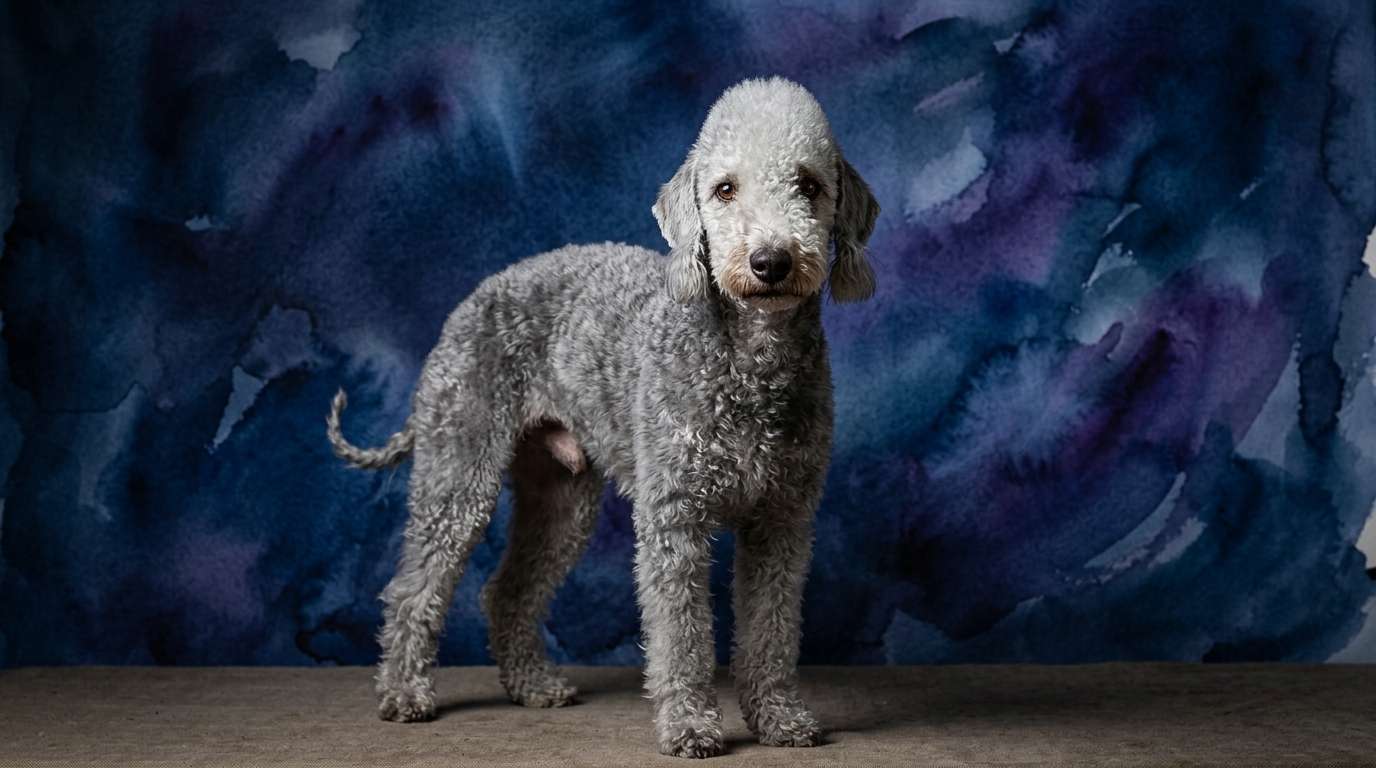
The Bedlington Terrier, a breed hailing from Northumberland, England, was historically bred for its agility and tenacity in hunting vermin. This background profoundly influences its cognitive makeup, even with its consistent 3/5 rating across all IQ dimensions. Their Problem Solving (3/5) is driven by a terrier's persistent curiosity; they excel at figuring out how to access interesting scents or perceived 'prey' items, such as navigating a complex garden or discerning how to retrieve a hidden toy. This isn't about abstract reasoning, but rather tenacious, goal-oriented strategizing rooted in instinct. Training Speed (3/5) for a Bedlington can appear moderate; while they quickly grasp new commands, their independent nature and occasional stubborn streak mean consistent execution might vary, especially if a more stimulating distraction is present. They understand what's asked but may weigh compliance against their own immediate desires. Their Social Intelligence (3/5) is adept within their primary family unit, forming deep bonds and often anticipating needs, yet they can be reserved or assertive with strangers or unfamiliar dogs, reflecting protective instincts rather than a lack of social understanding. The Bedlington's Instinctive Drive (3/5) is strongly tied to their heritage: a powerful prey drive, an urge to chase, and a desire to 'work' through digging or energetic play, fueling their alertness and curiosity. Finally, their Memory (3/5) is solid for routines, learned commands, and both positive and negative experiences, making consistent training crucial.
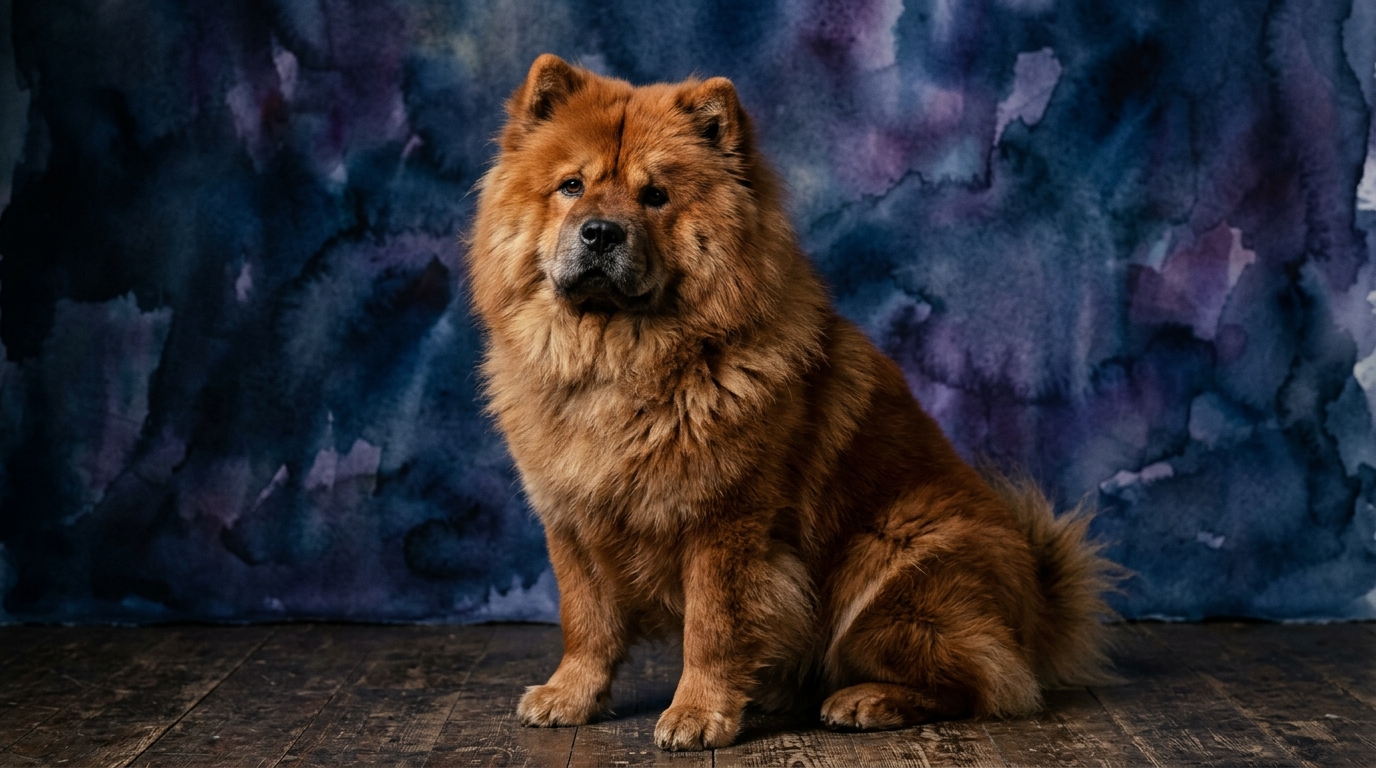
In stark contrast, the Chow Chow, originating from northern China, served as an all-purpose dog for hunting, herding, guarding, and pulling, instilling a dignified and independent character. Despite sharing the same 3/5 IQ scores, their cognitive expression differs significantly. Their Problem Solving (3/5) is often internally focused, aimed at maintaining comfort, independence, or personal boundaries. They might subtly position themselves to avoid unwanted interaction or cleverly secure a preferred resting spot, demonstrating efficient, self-serving solutions without overt effort. Training Speed (3/5) in a Chow Chow is moderate, but their profound independence and self-possessed nature mean their *willingness* to perform learned behaviors can be inconsistent. They comprehend commands but often choose whether to comply based on their own assessment of the situation, making patience and understanding their unique motivations paramount. Their Social Intelligence (3/5) is nuanced, primarily focused on their immediate family and home territory. They read subtle cues from trusted humans but are generally less interested in extensive interactions with outsiders. Their ability to discern friend from foe and their quiet communication of boundaries showcases a distinct form of social awareness, though not through effusive displays. The Chow Chow's Instinctive Drive (3/5) is profoundly shaped by their guarding and working heritage, manifesting as strong territoriality, a protective instinct towards family, and an innate sense of dignity and independence. Their drive is steady and watchful, less about frantic activity and more about vigilant self-sufficiency. Their Memory (3/5) is excellent for routines, boundaries, and individuals within their trusted circle, distinctly recalling past interactions, which influences future responses to people and situations.
Where the Bedlington Terrier Wins Cognitively
The Bedlington Terrier typically demonstrates a cognitive advantage in areas demanding sustained, interactive engagement with human direction, especially when tasks align with their innate drives. Their terrier tenacity, while sometimes perceived as stubbornness, simultaneously fuels a persistent curiosity and a strong desire to participate in activities alongside their people. For instance, in complex scent discrimination games or agility courses that require rapid, sustained decision-making and responsiveness to handler cues, the Bedlington's inherent drive for interaction and pursuit can give them an edge. They are often more motivated by the 'game' aspect and the thrill of the chase, making them more proactive in problem-solving that involves active collaboration with their owner. Their social intelligence, though selective, allows for a more fluid, reciprocal communication with their family, enabling them to anticipate and react to subtle shifts in human mood or intention that a more self-contained Chow Chow might overlook or disregard.
Where the Chow Chow Wins Cognitively
The Chow Chow's cognitive strengths shine in situations demanding independent judgment, acute environmental awareness, and dignified self-possession. They often excel in scenarios requiring calm, calculated observation rather than immediate, enthusiastic action. Their problem-solving is adept at discovering efficient, low-effort solutions that preserve their comfort or autonomy, such as subtly positioning themselves to avoid unwanted attention or identifying the optimal vantage point for monitoring their territory without explicit instruction. Their social intelligence, while not outwardly demonstrative, enables them to be exceptionally discerning about trustworthiness and potential threats, making them superb natural guardians. This keen discernment, coupled with a strong memory for past interactions, means they quickly learn who belongs and who doesn't, allowing them to effectively fulfill their historical role of protection without constant human oversight. Their ability to maintain composure and make independent decisions without continuous human validation is a distinct cognitive advantage.
Which is Easier to Train and Why
When considering ease of training, the Bedlington Terrier generally presents a more straightforward path, though they are not without their specific challenges. Their moderate training speed is often balanced by their intrinsic desire to engage with their human companions and their innate curiosity. While they possess a strong will and can be distracted by their potent prey drive, they are typically more motivated by praise, play, and food rewards offered by their owners. Their social intelligence encourages them to pay attention to human cues, and their problem-solving skills are frequently directed towards understanding and executing what their owner desires, especially within structured training environments. Successful training with a Bedlington requires consistency, positive reinforcement, and transforming the learning process into an engaging, fun game to keep their energetic terrier spirit fully invested.
The Chow Chow, in contrast, tends to be more demanding to train for the average owner. Despite their moderate training speed score, their profound independence and inherent self-assured nature mean they are often less driven by a desire to please. They are capable of understanding commands but may choose whether or not to perform them based on their own assessment of the situation or if they perceive a direct personal benefit. Their social intelligence is less about eager cooperation and more about discerning and maintaining boundaries. This characteristic can often be mistaken for stubbornness, but it is more accurately a reflection of their self-reliant and dignified temperament. Training a Chow Chow necessitates immense patience, unwavering consistency, and a deep understanding of their unique motivations, often relying on positive reinforcement and framing training as mutually beneficial from *their* perspective, rather than expecting enthusiastic and immediate compliance.
Which Suits Active Owners vs Relaxed Owners
The Bedlington Terrier is an ideal companion for active owners who relish engaging with their dogs in a variety of stimulating activities. Their moderate instinctive drive and problem-solving capabilities thrive when provided with outlets such as long walks, structured playtime, agility training, or scent work. Owners who appreciate a dog with a playful spirit, a keen interest in exploring, and a desire to be actively involved in family activities will find the Bedlington's energy and interactive nature profoundly rewarding. Their social intelligence makes them receptive to family dynamics, but they also require consistent mental and physical stimulation to prevent boredom-induced behaviors. An active owner can effectively channel their curiosity and moderate energy levels into productive and enjoyable pursuits.
Conversely, the Chow Chow is far better suited to relaxed owners who value a dignified, independent companion and are comfortable with a dog that doesn't constantly demand attention or extensive physical exertion. While they do require regular, moderate exercise to stay healthy, their historical role as guardians means their instinctive drive is more about watchful presence and territorial awareness than frantic activity. Their problem-solving often involves observant, independent decision-making, which aligns perfectly with an owner who appreciates a self-possessed pet. Owners who prefer a calm, quiet presence and are prepared to respect a dog's need for personal space will find a Chow Chow a fitting and loyal companion. They are not typically a dog for spontaneous, high-energy adventures, thriving instead in a stable, predictable home environment.
The Verdict
Choose the Bedlington Terrier if you seek an interactive companion eager for shared activities and willing to engage actively in training, embracing their tenacious spirit. They thrive with owners who provide consistent mental and physical stimulation, channeling their moderate energy and curiosity.
Opt for the Chow Chow if you prefer a dignified, independent companion who offers quiet companionship and is content with a more relaxed pace, valuing their self-possessed nature. They suit owners who understand and respect their need for personal space and consistent, calm guidance.
🧠 Find Your Pet's IQ Score
Our Pet IQ Lab assessment covers 25+ tests across 5 cognitive dimensions — personalized to your breed.
Take the Full IQ Test →Frequently Asked Questions
Are Bedlington Terriers good with children?
Bedlington Terriers can be good with older, respectful children who understand how to interact gently with dogs. Their playful nature can make them fun companions, but their terrier temperament means they might not tolerate rough play from very young children. Early socialization and supervision are key to harmonious living.
Do Chow Chows require a lot of grooming?
Yes, Chow Chows require significant grooming due to their dense double coat, which sheds heavily twice a year. Regular brushing, ideally several times a week, is essential to prevent matting and keep their coat healthy. Professional grooming appointments may also be necessary for optimal coat care.
How do Bedlington Terriers and Chow Chows react to strangers?
Bedlington Terriers can be reserved or wary with strangers initially but generally warm up once they perceive no threat, especially if properly socialized. Chow Chows are typically aloof and highly discerning with strangers; they are not inclined to make new friends easily and will maintain a dignified distance, embodying their guardian instincts.