A Side-by-Side Look at Cognitive Profiles
While both the Bedlington Terrier and the German Pinscher register a consistent 3/5 across the Cosmic Pet Pet IQ Lab's five core dimensions, the manifestation of these scores is deeply rooted in their breed-specific drives and historical roles. Understanding these underlying applications is key to appreciating their distinct cognitive styles.
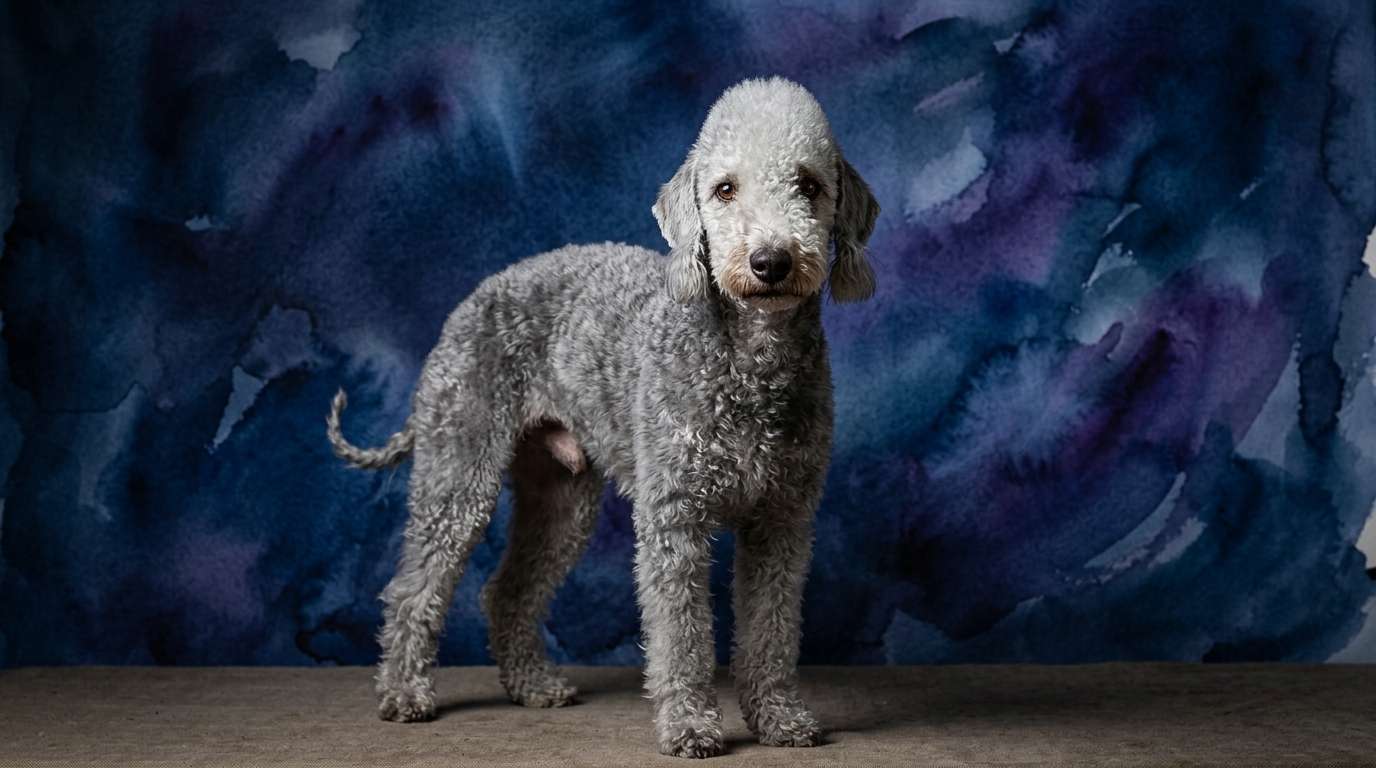
For the Bedlington Terrier, a breed developed for hunting vermin, their **Problem Solving (3/5)** often manifests as independent, persistent strategizing. This might involve figuring out how to navigate complex underground tunnels to flush out prey, or devising methods to access confined spaces. Their cognitive energy is frequently directed towards self-initiated challenges, demonstrating cleverness in achieving their own objectives rather than always seeking human direction. When it comes to **Training Speed (3/5)**, Bedlingtons can grasp new concepts efficiently, but their terrier independence means their willingness to comply is often tied to the perceived value or fun of the task. They learn quickly when motivated by a game or a high-value reward, but may choose to ignore commands if their attention is elsewhere. Their **Social Intelligence (3/5)** allows them to read human cues and understand household dynamics, yet they often maintain a somewhat aloof or self-possessed demeanor. They adapt well to various social settings but retain a strong sense of self and can be discerning in their interactions. The Bedlington's **Instinctive Drive (3/5)** is powerfully expressed through their strong prey drive, keen scenting ability, and inherent desire to dig and chase. This drive is a central engine for their cognitive activity, fueling their persistence and focus. Finally, their **Memory (3/5)** is robust, allowing them to recall learned commands, routines, and past experiences, whether positive or negative, which influences their future interactions and problem-solving attempts.
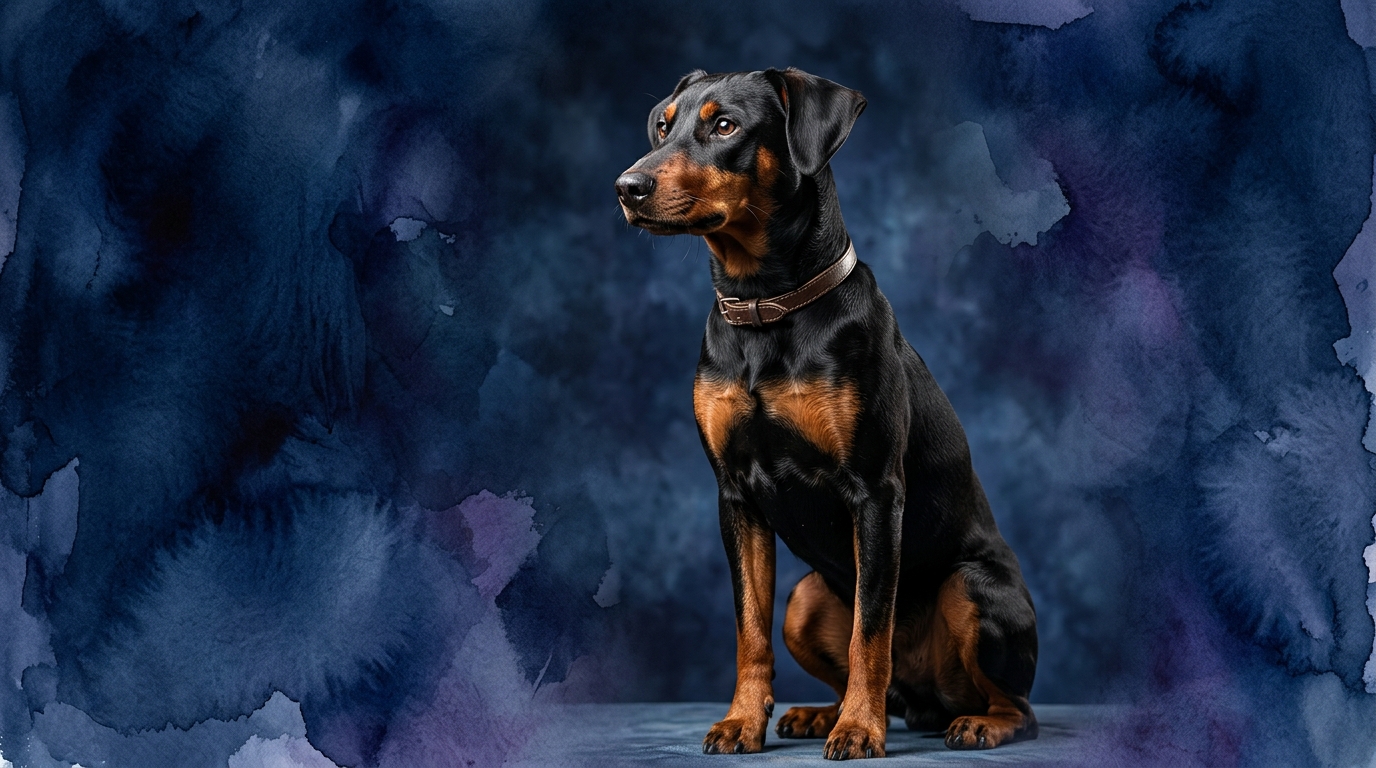
The German Pinscher, originating as a versatile farm dog and guardian, approaches the same cognitive scores with a different emphasis. Their **Problem Solving (3/5)** is typically more geared towards practical, handler-oriented tasks or environmental management. This might involve assessing potential threats in their territory, learning complex multi-step agility sequences, or figuring out how to manipulate objects to achieve a goal set by their human. Their intelligence is often applied in a more collaborative context. In terms of **Training Speed (3/5)**, German Pinschers are generally eager pupils, quick to pick up new commands and behaviors due to their desire to work alongside their people. They thrive on consistency and positive reinforcement, often demonstrating a focused attention span during training sessions. Their **Social Intelligence (3/5)** is highly attuned to their human family, allowing them to read subtle emotional cues and anticipate needs. They form strong bonds and are often very protective, understanding intricate social hierarchies within their home environment. The German Pinscher's **Instinctive Drive (3/5)** is characterized by strong territoriality, guarding instincts, and a historical aptitude for vermin control. This drive translates into alertness and a readiness to act in protective capacities, often serving as a diligent watchdog. Their **Memory (3/5)** is excellent for retaining training, routines, and specific individuals or situations, enabling them to recall past lessons and adapt swiftly to changes in their environment or social group.
Where the Bedlington Terrier Demonstrates Unique Cognitive Strengths
The Bedlington Terrier's cognitive strengths truly shine in scenarios demanding independent thought and tenacious persistence. While both breeds score 3/5 in problem-solving, the Bedlington's historical role has cultivated a specific type of ingenuity. They excel at self-directed tasks, demonstrating a remarkable ability to find solutions to obstacles that are personally motivating, often without explicit human instruction. This breed's problem-solving often involves a trial-and-error approach driven by their innate curiosity and strong prey drive, making them adept at navigating complex physical environments or outsmarting small critters. Their memory, also a 3/5, is particularly effective in recalling successful self-initiated strategies, reinforcing their independent learning loop.
Where the German Pinscher Demonstrates Unique Cognitive Strengths
The German Pinscher's cognitive advantages become apparent in their cooperative learning and practical application of intelligence within a human partnership. Despite both scoring 3/5 in training speed, the Pinscher's eagerness to engage with their handler often translates into a more focused and enthusiastic learning experience for tasks that involve teamwork. Their social intelligence, while numerically equal, manifests as a deeper attunement to human intentions and a strong desire to participate in family activities, which can make them more receptive to complex, multi-step commands. Their problem-solving is often applied to safeguarding their territory or excelling in structured activities like obedience or agility, where their memory for sequences and routines is a significant asset.
Training Dynamics: Bedlington Terrier vs. German Pinscher
When considering ease of training, the distinction between these two breeds, despite their identical 3/5 training speed, lies in their primary motivators and inherent independence. The German Pinscher generally presents as the more straightforward student for many owners. Their working breed background fosters a strong desire to please and a natural inclination towards partnership. They are typically keen to engage with their handler, respond well to clear, consistent instruction, and thrive on positive reinforcement, making them highly receptive to learning obedience commands and advanced tasks. Their social intelligence contributes to their ability to quickly understand what is expected of them and adapt their behavior accordingly, often forming strong, cooperative bonds with their trainers.
The Bedlington Terrier, conversely, while equally capable of learning quickly, often requires a more nuanced approach. Their terrier independence means they can be more selective in their compliance. Training success with a Bedlington hinges on making lessons engaging, fun, and highly rewarding, often leveraging their natural curiosity and prey drive through games and puzzles. They are quick to grasp concepts but may choose to apply them only when it suits their immediate interest or if the motivation is compelling enough. This isn't a lack of cognitive ability, but rather a strong self-determination. Owners might encounter moments of 'selective deafness' if the Bedlington perceives a task as tedious or if a more interesting scent or sight captures their attention. Therefore, while both learn at a similar pace, the German Pinscher's inherent desire to collaborate can make the training journey feel more effortless and consistently rewarding for the average owner.
Matching Breeds to Lifestyles: Active vs. Relaxed Owners
The energy and mental stimulation requirements of these breeds, while both generally active, cater to subtly different owner lifestyles. The German Pinscher, with its working heritage and guarding instincts, thrives with active owners who can provide consistent physical exercise and ample mental engagement. They require daily opportunities to run, play, and engage in structured activities like obedience, agility, or even trick training to satisfy their sharp minds and energetic bodies. Owners who enjoy hiking, running, or dog sports will find a willing and capable partner in the German Pinscher. Their social intelligence means they also need to be an integral part of family life, participating in activities rather than being left alone for extended periods. A relaxed owner who cannot commit to this level of interaction and activity may find a German Pinscher becomes bored, potentially leading to destructive behaviors or excessive barking.
The Bedlington Terrier also possesses a good deal of energy and needs regular exercise, but their activity often manifests differently. While they enjoy a good run and play, their historical role as a vermin hunter means their mental stimulation is often satisfied through activities that tap into their natural instincts: digging, exploring, and engaging in puzzle toys. They are adaptable and can be content with a brisk walk and some interactive play, followed by a quiet cuddle on the couch. Their independence means they can sometimes entertain themselves, though they still cherish companionship. Owners who enjoy a moderate level of activity, perhaps preferring long walks and engaging in mind games rather than high-intensity sports, might find the Bedlington a more suitable companion. A truly relaxed owner who offers minimal engagement might find a Bedlington becomes restless, but their energy is often more manageable than the Pinscher's intense drive for purpose and partnership.
The Verdict
Choose the Bedlington Terrier if you appreciate an independent, clever companion who excels at self-directed problem-solving and can be satisfied with varied daily activities, including quiet time.
Opt for the German Pinscher if you seek an eager-to-please, cooperative partner for active pursuits and enjoy a strong, protective bond rooted in shared purpose and consistent mental engagement.
🧠 Find Your Pet's IQ Score
Our Pet IQ Lab assessment covers 25+ tests across 5 cognitive dimensions — personalized to your breed.
Take the Full IQ Test →Frequently Asked Questions
Do Bedlington Terriers bark a lot?
Bedlington Terriers can be prone to barking, particularly if they are bored, feel their territory is threatened, or are left alone for extended periods. Consistent training and mental stimulation can help manage this tendency.
Are German Pinschers good with children?
German Pinschers can be good with older, respectful children, especially if raised with them. Their protective instincts mean they may be wary of boisterous young children or strangers, requiring careful supervision and early socialization.
Which breed is more prone to separation anxiety?
While both breeds can develop separation anxiety, German Pinschers, due to their strong bond with their family and desire for companionship, may be slightly more prone to it if left alone for long durations without sufficient mental and physical outlets.