Side-by-Side IQ Profile
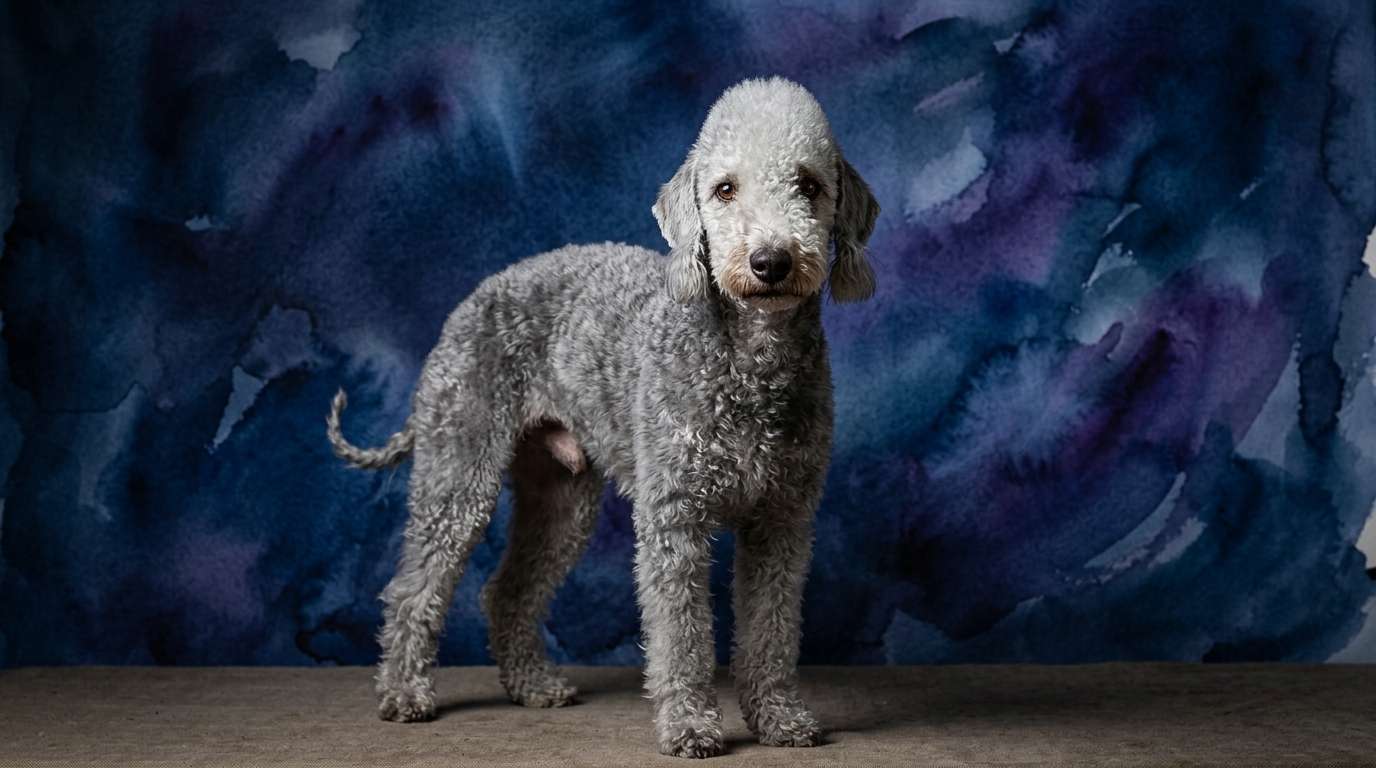
For the Bedlington Terrier, a 3/5 in Problem Solving suggests a moderate capacity for independent thought and finding solutions, often applied to practical tasks like navigating varied terrain or figuring out how to access a desired object. Their terrier heritage implies a persistence in solving challenges, particularly if it involves a 'prey drive' or a puzzle that engages their senses; they are not prone to overthinking, but rather to practical, trial-and-error approaches. Their Training Speed of 3/5 means they learn at a steady pace, capable of grasping new commands and routines within a reasonable timeframe, responding best to engaging methods, positive reinforcement, and clear, consistent communication. Social Intelligence at 3/5 indicates a balanced understanding of social cues, forming strong bonds with family and interpreting human moods, though often reserved with strangers. An Instinctive Drive of 3/5 translates to an inherent desire for chasing, digging, and exploring, which forms a significant part of their personality and influences their play. Finally, their Memory at 3/5 reflects a solid retention of commands, routines, and experiences, contributing to their ability to build upon training and maintain consistent habits.
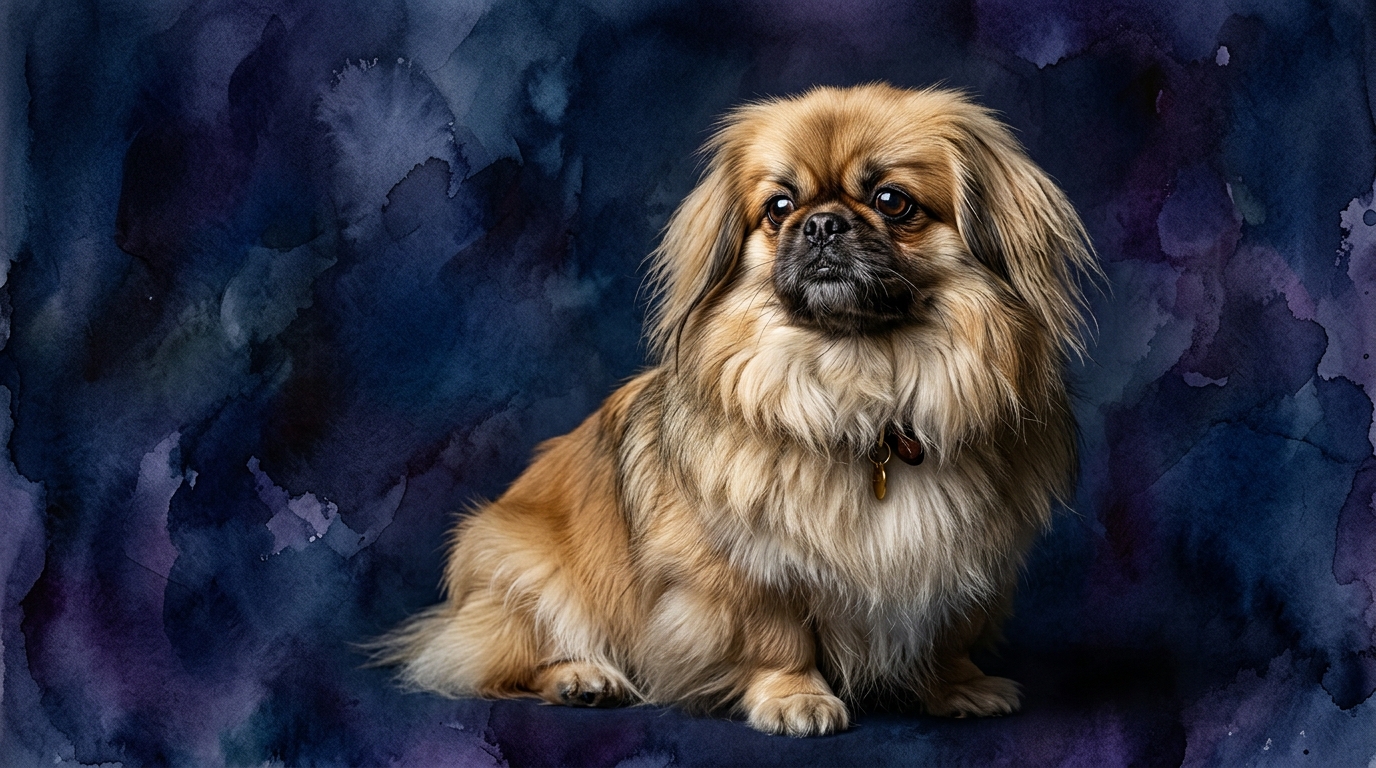
The Pekingese also scores 3/5 across all dimensions, but their application of these cognitive traits is distinct. Their Problem Solving (3/5) often manifests in navigating their domestic environment to maximize comfort or achieve a desired outcome, such as finding the sunniest nap spot or subtly communicating a need; their approach is less about physical prowess and more about strategic communication or manipulating their surroundings to their advantage. Training Speed at 3/5 means they learn consistently, but their motivation often stems from comfort, routine, or a desire for attention, requiring patience and creative incentives. Their Social Intelligence (3/5) is highly refined within their chosen family circle, where they are adept at reading human emotions and can be deeply empathetic companions, though they may appear aloof to strangers. An Instinctive Drive of 3/5 is primarily centered around companionship, alerting their household to perceived threats, and maintaining personal space. Their Memory at 3/5 is good for routines, favored people, and specific events, helping them anticipate daily activities and maintain their preferred lifestyle.
Where Bedlington Terrier Wins Cognitively
While both breeds share a 3/5 rating across all cognitive dimensions, the Bedlington Terrier's historical role as a working dog imbues its intelligence with a distinct practical edge. Their problem-solving, rated 3/5, often translates into a more physically engaged and persistent approach to challenges, particularly those involving exploration or mild physical obstacles. For example, a Bedlington might more readily devise a method to retrieve a toy from under furniture by pawing and nudging, driven by their inherent terrier tenacity, whereas a Pekingese might wait for human intervention. Their instinctive drive, also 3/5, is geared towards independent action and a certain resilience in varied environments, allowing them to adapt their cognitive strategies to a broader range of outdoor scenarios. This means their memory (3/5) is perhaps more adept at recalling complex scent trails or navigating new territories, reflecting a different application of their cognitive capacity compared to a companion breed.
Where Pekingese Wins Cognitively
Conversely, the Pekingese's cognitive strengths, also uniformly rated 3/5, shine brightest in the realm of domestic interaction and refined social maneuvering. Their problem-solving, while numerically identical, is often applied with greater subtlety in a home environment. A Pekingese might excel at 'training' their owners through strategic vocalizations or positioning to achieve a desired outcome, such as getting a treat or securing a prime spot on the couch, showcasing a sophisticated understanding of household dynamics. Their social intelligence (3/5) is acutely tuned to human emotional states, allowing them to offer comfort or solicit attention with remarkable precision, a skill honed over centuries of close companionship. This manifests as a nuanced ability to read facial expressions and body language, often predicting human actions or moods before they are explicitly communicated. Their memory (3/5) is particularly strong for personal preferences, routines, and the emotional context of past interactions within their family unit.
Which is Easier to Train and Why
Both the Bedlington Terrier and the Pekingese share a 3/5 rating for training speed, indicating they are neither exceptionally quick nor particularly slow learners. However, the *process* of training them diverges significantly due to their inherent temperaments and motivations. The Bedlington Terrier, with its terrier instincts, can be independent and possess a spirited resolve. This means they are capable of learning quickly when engaged in activities that appeal to their drive, like agility or scent work, but may display a selective hearing if a task seems repetitive or lacks immediate interest. Their training benefits from positive reinforcement that channels their energy and offers mental stimulation. Consistency and making training feel like a game are key to harnessing their moderate training speed.
The Pekingese, while equally capable of learning new commands at a 3/5 speed, often presents a different challenge. Their historical role as regal companions has fostered a somewhat opinionated and self-assured nature. They are not inherently eager to please in the way some breeds are; instead, they learn best when training offers a clear benefit to *them*, whether it's a comfortable routine, a desired treat, or focused attention from their beloved human. Their social intelligence (3/5) can be leveraged, as they understand the 'rules' of the house, but their independent streak means they require patience and creative motivation. A Pekingese might learn a trick quickly if it results in a coveted lap perch, but might ignore a command if they perceive no immediate personal gain. Therefore, while their learning speed is similar, their *trainability* in terms of cooperation can differ, with the Bedlington responding to engagement and the Pekingese to persuasion and personal incentive.
Which Suits Active Owners vs Relaxed Owners
The distinction between these two breeds becomes clearer when considering owner lifestyles. The Bedlington Terrier, despite its moderate instinctive drive (3/5), possesses the energetic and curious nature typical of a terrier. They thrive with owners who enjoy an active lifestyle, offering daily opportunities for physical exercise and mental engagement. Long walks, varied outdoor adventures, or participation in dog sports like earthdog trials or agility would be well-suited to their temperament. Their problem-solving (3/5) and memory (3/5) are best utilized when given tasks that require them to think and move, making them excellent companions for owners who appreciate an interactive and spirited partner. An owner who prefers a relaxed, sedentary lifestyle might find a Bedlington Terrier's need for stimulation challenging, potentially leading to boredom-induced behaviors.
In contrast, the Pekingese is an ideal match for more relaxed owners. Their moderate instinctive drive (3/5) is primarily directed towards companionship and maintaining a comfortable, predictable home environment. While they appreciate short, leisurely strolls and gentle playtime, their physical needs are considerably lower than a terrier's. Their social intelligence (3/5) means they are content to spend much of their time close to their human companions, observing and participating in quiet domestic life. Owners who enjoy lounging, reading, or simply having a devoted presence nearby will find the Pekingese's temperament perfectly aligned with their preferences. Their problem-solving (3/5) is more often applied to domestic comfort than physical exertion, making them excellent companions for those seeking a charming, low-key, yet deeply bonded canine friend.
The Verdict
Select a Bedlington Terrier if you are an active individual or family seeking a spirited, engaging dog that enjoys varied physical activities and mental challenges, and you appreciate a companion with an independent streak and a playful, persistent approach to life.
Opt for a Pekingese if you desire a devoted, calm, and charming companion for a more relaxed, home-centric lifestyle, and you value a dog with a strong personality and a nuanced understanding of social dynamics within its immediate family.
🧠 Find Your Pet's IQ Score
Our Pet IQ Lab assessment covers 25+ tests across 5 cognitive dimensions — personalized to your breed.
Take the Full IQ Test →Frequently Asked Questions
Do Bedlington Terriers bark a lot?
Bedlington Terriers can be vocal, using their barks to alert owners or express excitement, reflecting their terrier nature and moderate instinctive drive to communicate. Consistent training from an early age can help manage their barking habits effectively.
Are Pekingese good with children?
Pekingese can tolerate older, respectful children who understand how to interact gently with a small dog, but their preference for a calm environment and personal space means they are generally better suited to homes with older children or adults. Early socialization is crucial.
How much exercise does a Pekingese need daily?
A Pekingese requires minimal exercise, typically satisfied with a couple of short, leisurely walks daily and some indoor playtime, aligning with their more relaxed temperament and lower physical energy needs. Over-exertion should be avoided due to their brachycephalic nature.