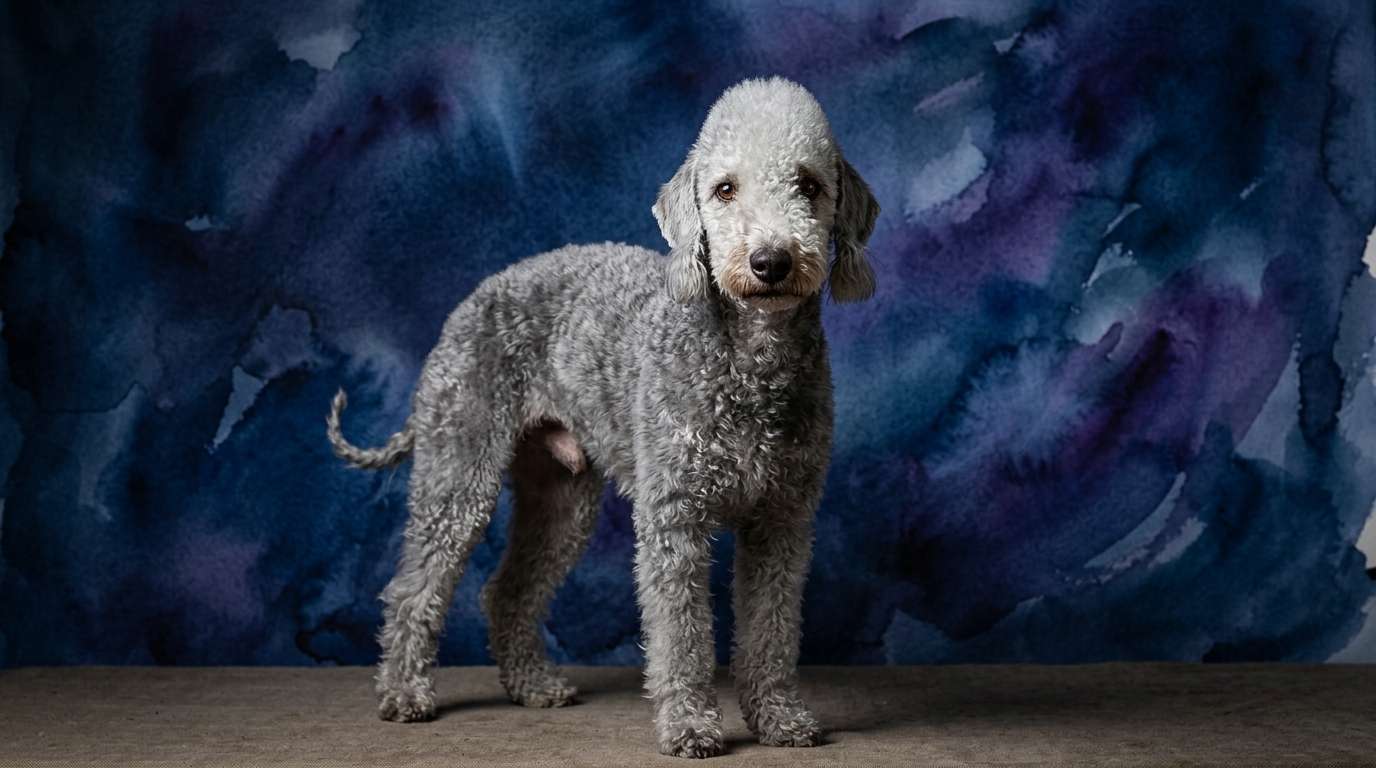
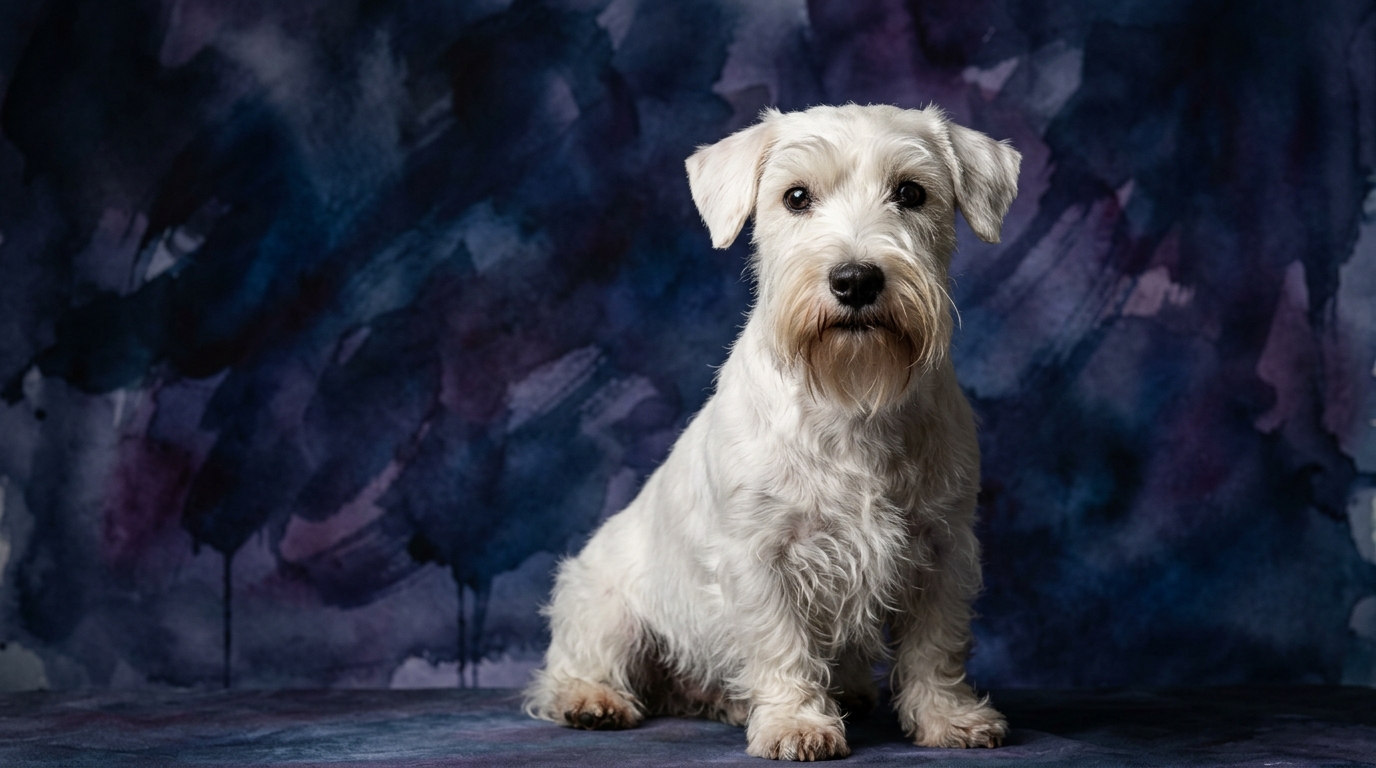
Side-by-Side IQ Profile: A Closer Look
Both the Bedlington Terrier and the Sealyham Terrier register a consistent 3/5 across The Cosmic Pet Pet IQ Lab's five cognitive dimensions, suggesting a moderate, balanced intellectual capacity. However, the manifestation of these scores is deeply rooted in their individual breed histories and temperaments, offering a rich tapestry for observation. We must delve into how this 3/5 rating plays out specifically for each breed, understanding that 'moderate' does not equate to 'generic' when it comes to canine minds.
For the **Bedlington Terrier**, their Problem Solving score of 3/5 often reflects an agile, adaptable mind, capable of figuring out environmental challenges like opening latches or navigating complex spaces to reach a desired object or person. Their Training Speed, also 3/5, indicates they can learn new commands and routines with consistent, positive reinforcement, though their independent terrier spirit means they aren't always eager to comply without clear motivation. Social Intelligence at 3/5 suggests they are typically discerning, forming strong bonds with their immediate family while often being reserved or cautious with strangers, observing social cues within their trusted circle. An Instinctive Drive of 3/5 is characteristic of their vermin-hunting heritage, manifesting as a keen interest in small, quick movements and a desire to chase. Their Memory, scoring 3/5, allows them to retain learned behaviors, routines, and significant past experiences, both positive and negative, which influences their future interactions and responses.
The **Sealyham Terrier**, with identical 3/5 scores, displays these cognitive traits through a different lens, shaped by their robust, determined nature. Their Problem Solving at 3/5 frequently involves persistent, focused efforts, such as digging relentlessly to uncover a perceived burrow or finding ingenious ways to overcome physical barriers. A Training Speed of 3/5 means they are perfectly capable of learning, but their strong will and independent streak necessitate patient, firm, and highly motivating training methods to ensure compliance. Social Intelligence at 3/5 often presents as a confident, sometimes boisterous, engagement with their family, coupled with a bold and sometimes challenging approach to new people or dogs, requiring careful socialization. Their Instinctive Drive, a 3/5, is particularly potent for a terrier, geared towards tenacious pursuit and engagement with quarry, reflecting their history as robust hunters of badger and otter. Lastly, their Memory at 3/5 is robust, enabling them to recall past successes in 'the hunt' (even if it's just finding a buried toy) and remember the locations of interesting scents or previous interactions.
Where the Bedlington Terrier Wins Cognitively
While both breeds share a 3/5 rating across the board, the Bedlington Terrier often demonstrates a slight cognitive edge in areas requiring more nuanced adaptability and sensitivity. Their Problem Solving, for example, can lean towards elegant solutions, such as carefully manipulating objects rather than brute force, or observing human behavior to predict outcomes. This might manifest in a Bedlington quickly learning the sounds associated with different household activities (e.g., the jingle of keys meaning a walk) and adjusting their behavior accordingly. Their Social Intelligence, while scoring 3/5, can appear more refined; they are often adept at reading subtle shifts in their owner's mood or tone, allowing for a more responsive and less confrontational interaction style. This makes them particularly attuned to their human companions' emotional states, fostering a deeper, more empathetic bond. Furthermore, their Memory, combined with this sensitivity, means they are likely to remember specific positive reinforcement cues and respond reliably, especially when training methods are consistent and gentle, avoiding harsh corrections which they might remember as negative experiences.
Where the Sealyham Terrier Wins Cognitively
Conversely, the Sealyham Terrier's cognitive strengths shine in domains demanding tenacity, resilience, and a singular focus. Their Problem Solving, also 3/5, is characterized by a relentless drive to achieve a goal, even if it requires repeated attempts or considerable effort. A Sealyham might spend an hour trying to excavate a particular scent from under a bush, demonstrating a profound dedication to the task. This unwavering determination is a hallmark of their instinctive drive, which, at 3/5, is channeled into a persistent pursuit of perceived 'prey' or objectives, making them incredibly effective in their original working role. Their Social Intelligence, while 3/5, can be seen as a robust confidence, allowing them to assert themselves and navigate new social situations with a bold, self-assured demeanor, rather than relying on subtlety. This confidence, coupled with their strong Memory, means they are less likely to be deterred by past failures and will remember successful strategies for overcoming obstacles, whether it's finding a way through a fence or getting to a favorite toy.
Which is Easier to Train and Why?
When considering ease of training, the Bedlington Terrier and Sealyham Terrier, both with a 3/5 Training Speed, present distinct challenges and rewards. The Bedlington Terrier, with their greater sensitivity and potential for a more responsive social intelligence, can often appear 'easier' to train initially, especially with positive reinforcement. They tend to form strong attachments and may be more inclined to please their primary caregiver, responding well to praise and gentle guidance. However, their independent terrier nature still requires consistency, and they can become stubborn if training is inconsistent or overly repetitive. Their memory for both positive and negative experiences means that harsh corrections can create lasting aversion to training.
The Sealyham Terrier, on the other hand, often requires a more robust and persistent approach to training. Their inherent determination and strong instinctive drive, combined with a confident social intelligence, mean they are less likely to simply comply without understanding the 'why' or being sufficiently motivated. Training a Sealyham demands patience, creativity in motivation (often involving food or play), and unwavering consistency. While they learn commands at a moderate pace (3/5), their independent streak means owners must establish clear leadership and make training engaging to hold their attention. Their memory ensures they recall commands, but their strong will dictates whether they choose to execute them, making motivation key.
Which Suits Active Owners vs. Relaxed Owners?
The cognitive profiles of these terriers offer insights into which might better suit different owner lifestyles. The Bedlington Terrier, despite its hunting heritage, can adapt well to both active and moderately relaxed owners. Their Problem Solving and Social Intelligence, combined with their moderate instinctive drive, allow them to enjoy brisk walks and engaging play, but they are also content to be calm companions indoors, especially if their daily mental and physical stimulation needs are met. An owner who enjoys varied activities, from leisurely strolls to puzzle games, and who appreciates a sensitive, attentive companion, would likely find a Bedlington an excellent fit. Their moderate energy levels make them suitable for owners who are active but also enjoy periods of quiet companionship.
The Sealyham Terrier, with its powerful instinctive drive and tenacious problem-solving, is generally a better match for more active and engaged owners. Their robust confidence and determination mean they thrive on consistent mental and physical challenges. They require regular, vigorous exercise to satisfy their hunting instincts and prevent boredom, which can lead to destructive behaviors. Owners who enjoy structured training, canine sports, long walks, or activities that engage a dog's natural drive will find the Sealyham a rewarding companion. Their persistent nature means they need an owner who can match their enthusiasm and provide consistent mental stimulation, making them less ideal for a truly relaxed, low-activity household.
The Verdict: When to Choose Each
The Verdict
Choose the Bedlington Terrier if you seek a moderately active, sensitive companion who appreciates nuanced interactions and can adapt to varied home environments, provided their intelligence is gently stimulated. They thrive with owners who offer consistent, positive guidance and value a dog's emotional attunement.
Opt for the Sealyham Terrier if you are an active, confident owner prepared to engage a tenacious, determined dog with consistent training and ample mental and physical challenges. They excel with those who appreciate a bold, independent spirit and can channel their strong instinctive drives productively.
🧠 Find Your Pet's IQ Score
Our Pet IQ Lab assessment covers 25+ tests across 5 cognitive dimensions — personalized to your breed.
Take the Full IQ Test →Frequently Asked Questions
Do Bedlington Terriers and Sealyham Terriers need a lot of mental stimulation?
Both breeds, scoring 3/5 in problem-solving and instinctive drive, benefit significantly from mental stimulation. For Bedlingtons, this might involve puzzle toys or learning new tricks, while Sealyhams thrive on activities that engage their determined nature, such as scent work or structured play.
Are Bedlington Terriers or Sealyham Terriers better with other pets?
Their social intelligence (3/5) and instinctive drive (3/5) mean early and consistent socialization is key for both. Bedlingtons can be more reserved but generally tolerate other pets if introduced properly, while Sealyhams' bolder nature requires careful management, especially with smaller animals due to their stronger prey drive.
How do their memory scores (3/5) influence their behavior?
A 3/5 memory score indicates both breeds remember routines, commands, and past experiences well. This means positive training methods are crucial, as they will recall both rewarding and negative interactions, influencing their willingness to cooperate in the future and their overall trust in their owner.