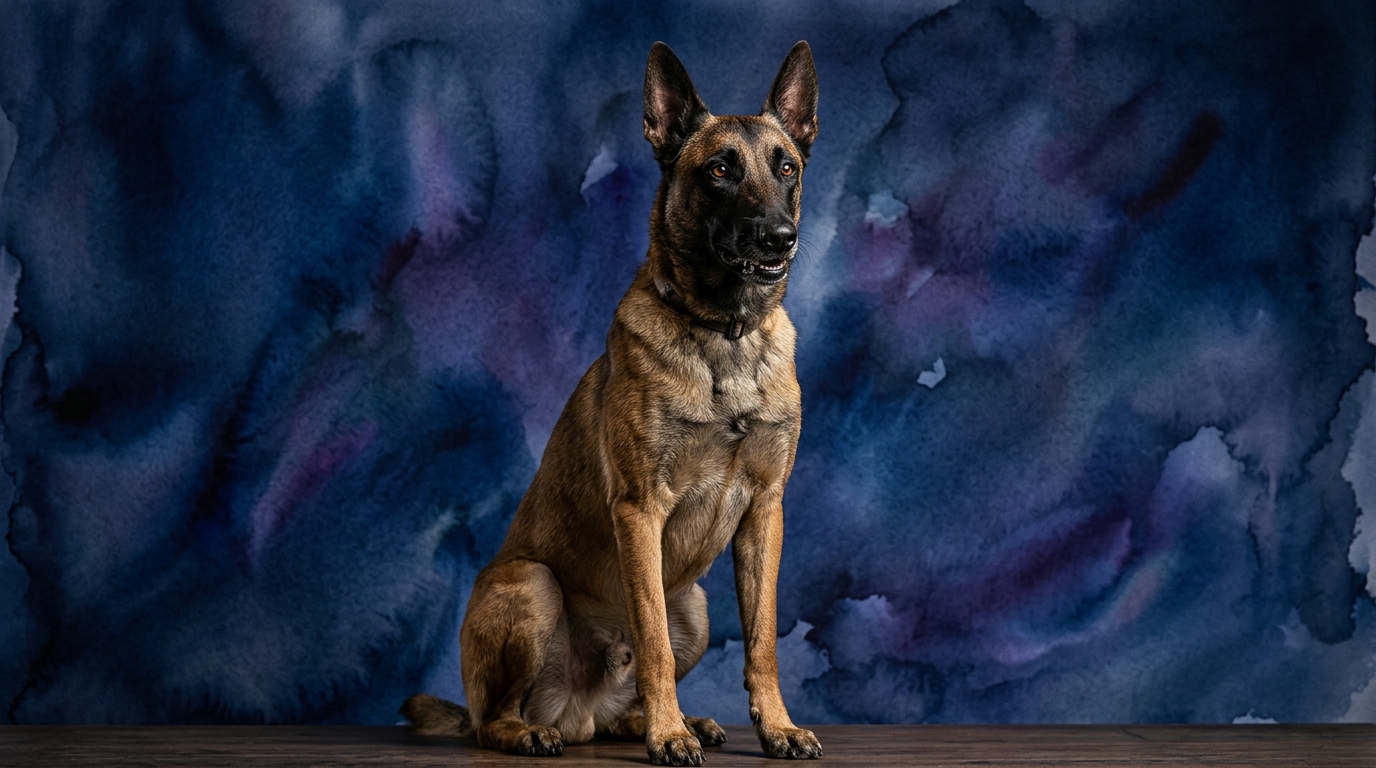
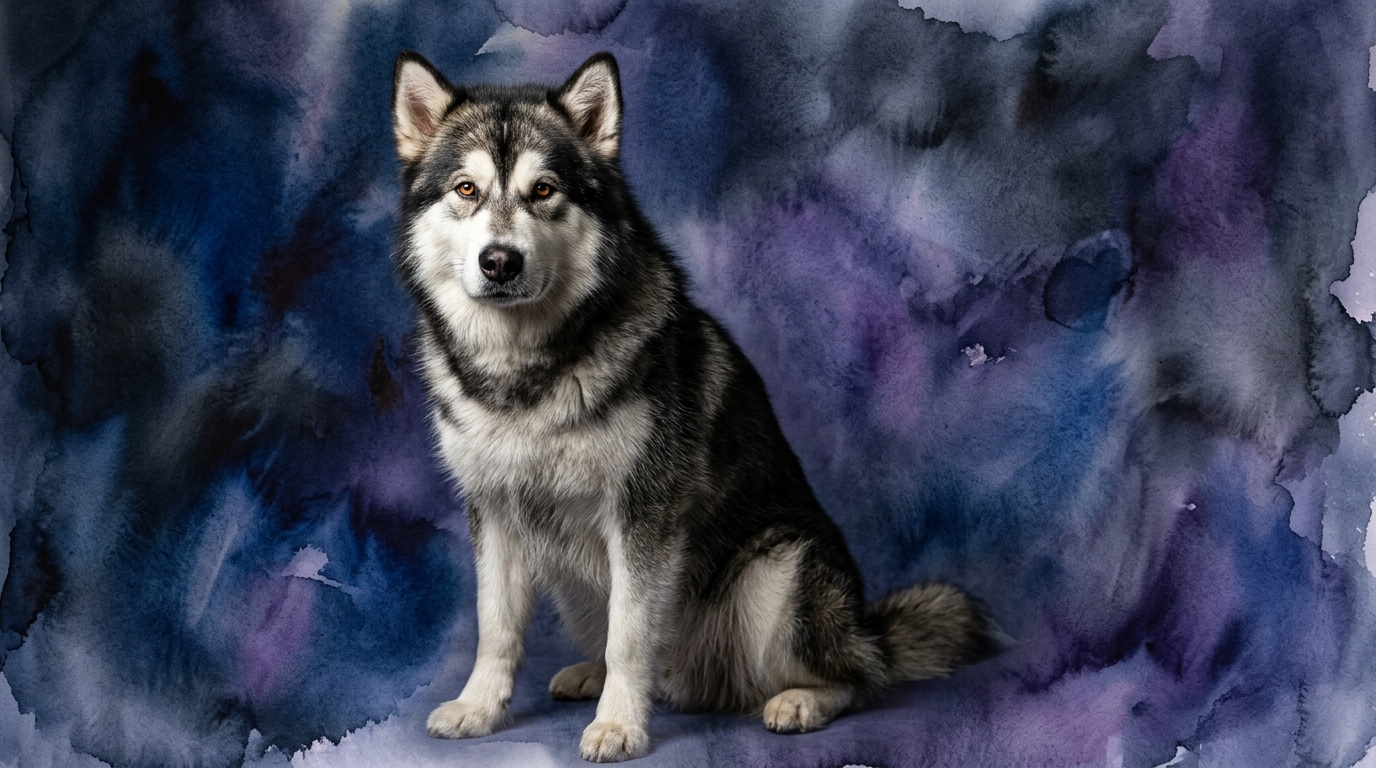
Side-by-Side Cognitive Profiles: Malinois vs. Malamute
At The Cosmic Pet Pet IQ Lab, we evaluate canine intelligence across five key dimensions, revealing the nuanced strengths of each breed. The Belgian Malinois, a Herding breed, consistently demonstrates a drive for structured tasks and rapid assimilation of new information. Its Coren rank of #22 reflects a capacity for quick learning and strong handler focus.
In contrast, the Alaskan Malamute, a Working breed, possesses a different cognitive architecture, rooted in self-reliance and endurance. With a Coren rank of #50, this breed excels in tasks requiring physical fortitude and independent decision-making rather than strict obedience.
For the Belgian Malinois, Problem Solving scores 5/5, indicating an exceptional ability to analyze situations and devise effective solutions, particularly in complex, multi-step tasks. Training Speed is also 5/5, meaning new commands are grasped almost immediately and retained with minimal repetition. Social Intelligence, at 4/5, shows a strong attunement to human cues and social hierarchies, though perhaps less overt emotional expression than some companion breeds. Instinctive Drive is 5/5, reflecting an intense motivation to work and fulfill a purpose, whether herding, protection, or sport. Memory is likewise 5/5, allowing for recall of extensive command sets and complex routines.
The Alaskan Malamute's profile paints a picture of rugged self-sufficiency. Its Problem Solving is 4/5, indicating a strong capacity to overcome environmental challenges and find solutions for survival or resource acquisition, often independently. Training Speed is 2/5, suggesting a more deliberate learning pace and a need for consistent, motivating reinforcement. Social Intelligence scores 3/5, showing an awareness of social dynamics but often prioritizing pack structure over individual human directives. Instinctive Drive is 5/5, fueled by an intrinsic motivation for pulling, exploring, and enduring harsh conditions. Memory is 4/5, allowing for retention of crucial routes, resource locations, and established routines within their environment.
Where the Belgian Malinois Wins Cognitively
The Belgian Malinois excels in areas demanding swift, precise execution and a profound partnership with a human handler. Their 5/5 Problem Solving score translates into an unparalleled aptitude for intricate scent detection, agility courses requiring quick decision changes, or protection work involving complex bite scenarios. They don't just solve problems; they anticipate them.
The Malinois's 5/5 Training Speed means they absorb and apply new commands with astonishing efficiency. A Malinois can learn a multi-step sequence of behaviors in a fraction of the time it would take many other breeds, making them exceptional candidates for advanced obedience, competitive sports, and demanding service roles. Their 5/5 Memory ensures these learned behaviors are not forgotten, even after long periods.
Furthermore, their high Social Intelligence (4/5) combined with their intense Instinctive Drive (5/5) means they are highly motivated by working alongside their handler, often displaying a focused intensity that few breeds can match. This cognitive synergy allows them to operate as true extensions of their human partners, understanding subtle cues and executing tasks with unwavering dedication.
Where the Alaskan Malamute Wins Cognitively
The Alaskan Malamute's cognitive strengths lie in resilience, endurance, and independent decision-making tailored for demanding environments. Their 4/5 Problem Solving score shines in scenarios requiring resourcefulness and persistence without constant human direction. This could involve finding the safest path through deep snow, locating a cached food supply, or navigating back to camp over long distances.
Their 5/5 Instinctive Drive is a profound cognitive asset, fueling their capacity for sustained physical effort and their inherent desire to pull and travel. This drive isn't just physical; it’s a mental fortitude that allows them to push through discomfort and maintain focus on a long-term goal, like completing a sledding journey. This intrinsic motivation is less about pleasing a handler and more about fulfilling an ancient purpose.
While their Social Intelligence is 3/5, it reflects a deep understanding of pack dynamics and territory, vital for their ancestral roles. Their memory, at 4/5, is particularly strong for spatial recall and environmental navigation, enabling them to remember complex routes and the location of critical resources across vast landscapes. This differs from the Malinois's memory for structured commands, emphasizing practical, survival-oriented recall.
Which Is Easier to Train and Why
Based on their cognitive profiles, the Belgian Malinois is unequivocally easier to train for traditional obedience and complex tasks. Their 5/5 Training Speed means they learn new commands almost instantly, and their strong Social Intelligence (4/5) combined with their high Instinctive Drive (5/5) means they are inherently motivated to work collaboratively with a handler. They thrive on structure, clear directives, and the opportunity to engage their keen intellect in purposeful activity, often seeking to please and earn their handler's approval.
The Alaskan Malamute, with a Training Speed of 2/5, presents a greater challenge for conventional training. Their independent nature and historical role as self-sufficient working dogs mean they often evaluate a command's utility before complying. They are not as driven by a desire to please and may exhibit a 'what's in it for me?' attitude. Training a Malamute requires immense patience, creativity, and a deep understanding of their innate motivations. Repetition must be engaging, and rewards must be highly valued by the dog, often involving food or opportunities for their inherent drives like pulling or exploring. Their lower Social Intelligence score, relative to the Malinois, means they may also be less attuned to subtle human cues, requiring more explicit communication.
Which Suits Active Owners vs. Relaxed Owners
The Belgian Malinois is an ideal match for highly active and experienced owners who are prepared to dedicate significant time to physical exercise and mental engagement. Their intense Instinctive Drive (5/5) and need for purposeful work mean they require daily outlets for their energy and intellect, such as advanced obedience, agility, protection sports, or extensive training sessions. An owner who enjoys structured activities and wants a canine partner for demanding pursuits will find the Malinois a rewarding companion. They thrive when given a 'job' and can become destructive or anxious without sufficient mental and physical stimulation.
The Alaskan Malamute suits active owners who appreciate an independent spirit and enjoy outdoor adventures, particularly in cooler climates. While they require substantial exercise to satisfy their 5/5 Instinctive Drive, their cognitive makeup means they are less suited for highly structured, repetitive obedience work and more for long hikes, sledding, or exploring natural environments. Owners must understand that a Malamute will often make independent decisions and may not always be eager to please. They are not a breed for relaxed owners seeking a low-maintenance companion; they require consistent stimulation and a firm, fair leader who respects their self-reliant nature, but their exercise can be less about precision and more about endurance and exploration.
The choice between a Belgian Malinois and an Alaskan Malamute hinges entirely on an owner's lifestyle, experience, and expectations for a canine companion. These breeds represent two distinct pinnacles of canine cognitive evolution, each magnificent in its own right.
The Malinois offers a partnership built on intense focus, rapid learning, and unwavering dedication to shared tasks, requiring an owner who can match their mental and physical intensity. The Malamute provides companionship rooted in resilience, independent thought, and a love for enduring outdoor adventures, best suited for an owner who appreciates and can manage a strong, self-reliant spirit.
The Verdict
Choose the Belgian Malinois if you are an experienced, active owner seeking a highly trainable, focused partner for advanced sports, service work, or demanding activities that require precision and quick problem-solving. This breed thrives on constant mental and physical engagement from a dedicated handler.
Choose the Alaskan Malamute if you are an active, patient owner who values an independent, resilient companion for long outdoor adventures, sledding, or exploring, and are prepared for a dog that learns at its own pace and often prioritizes its own motivations.
🧠 Find Your Pet's IQ Score
Our Pet IQ Lab assessment covers 25+ tests across 5 cognitive dimensions — personalized to your breed.
Take the Full IQ Test →Frequently Asked Questions
Can a Belgian Malinois live in an apartment?
While physically adaptable, a Malinois requires immense mental and physical stimulation daily. An apartment environment would only be suitable if the owner provides multiple hours of rigorous exercise, training, and enrichment outside the home every single day to prevent boredom and destructive behaviors.
Are Alaskan Malamutes good with other pets?
Alaskan Malamutes possess a strong prey drive and their social intelligence often prioritizes pack dynamics, meaning they may not always be suitable for homes with small pets like cats or smaller dogs without extensive, careful socialization from a young age. Their independent nature also means introductions to other dogs must be managed thoughtfully.
Do Belgian Malinois make good family pets?
Belgian Malinois can be devoted family members, but their intense drive, protective instincts, and need for structure mean they are best suited for families experienced with demanding working breeds. They require consistent training, early socialization, and clear boundaries to ensure they are well-adjusted and safe around children and visitors.