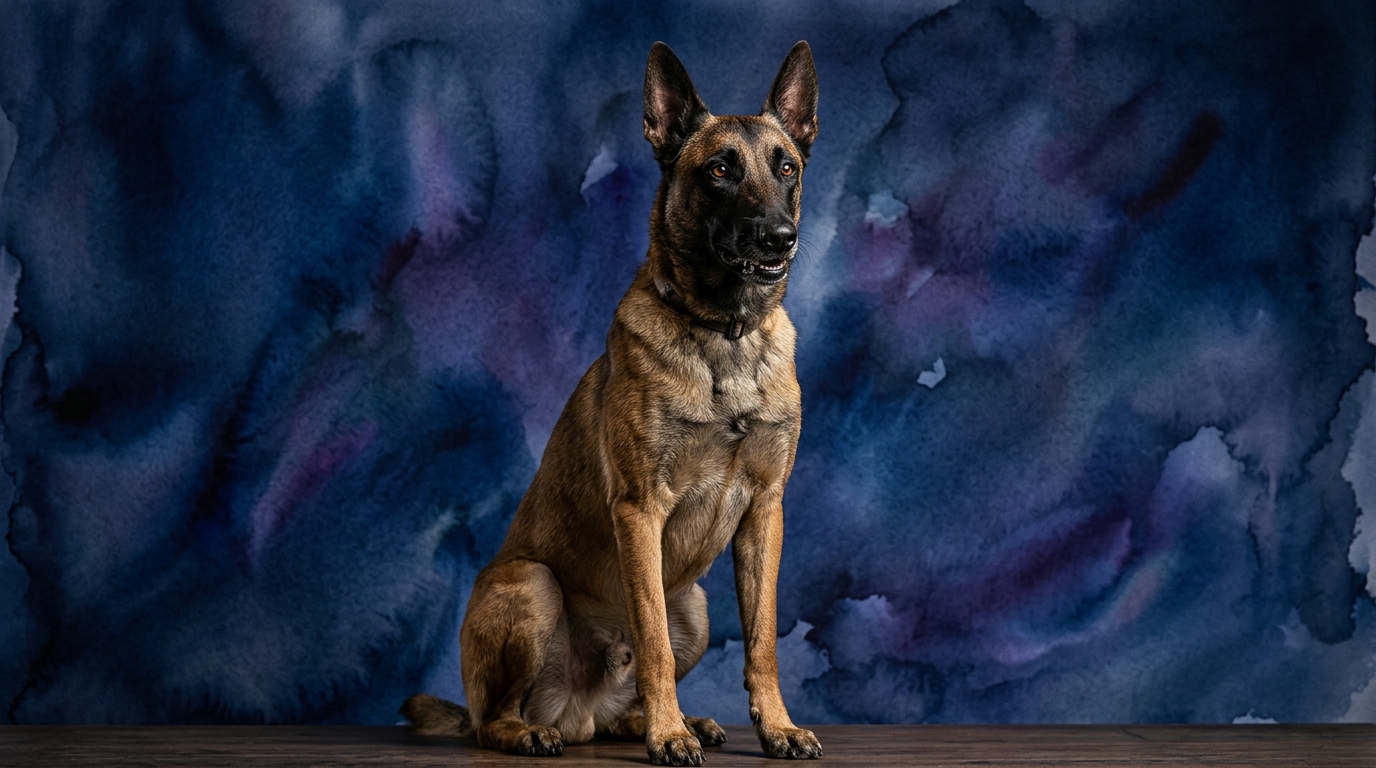
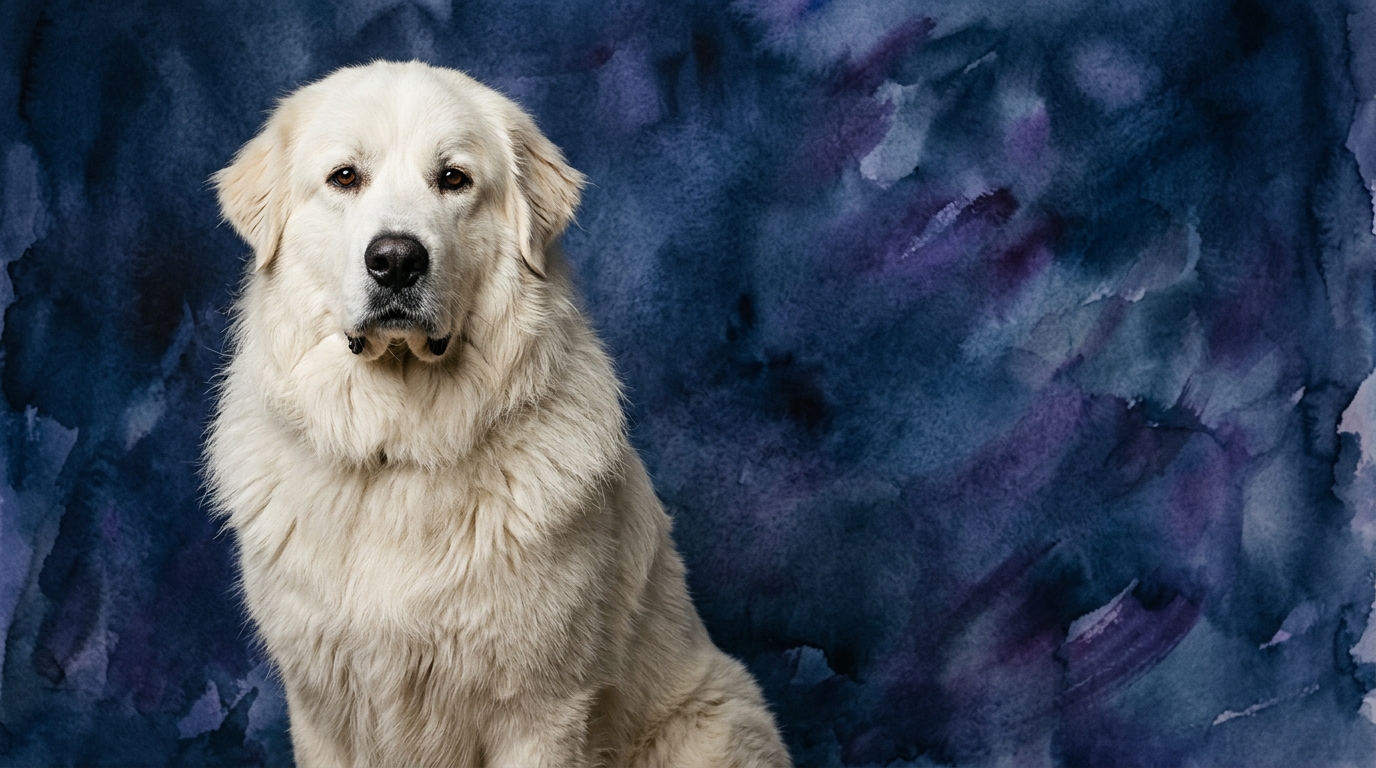
Side-by-Side IQ Profile: Herder vs. Guardian
At The Cosmic Pet Pet IQ Lab, we evaluate canine intelligence across five critical dimensions. The Belgian Malinois, a Herding breed, ranks #22 on the Coren scale, while the Great Pyrenees, a Working breed, is placed at #64. These rankings hint at foundational differences in how each breed processes information and interacts with their environment.
For the **Belgian Malinois**, their cognitive profile is sculpted for peak performance and partnership:
**Problem Solving (5/5):** These dogs rapidly assess complex situations, quickly formulating and executing solutions. They don't just react; they strategize, making them adept at tasks requiring quick thinking, like navigating intricate obstacle courses or tracking scent trails under varying conditions. Their mental agility allows them to adapt swiftly to novel challenges.
**Training Speed (5/5):** The Malinois absorbs new commands and concepts with remarkable efficiency, often requiring only a few repetitions to solidify a behavior. Their intense focus and eagerness to engage contribute significantly to this rapid learning curve, allowing for the mastery of complex multi-step tasks.
**Social Intelligence (4/5):** While highly attuned to human cues and eager to work in partnership, their social intelligence is geared towards understanding and responding to their handler's directives. They form deep, working bonds, primarily channeling this connection into task execution and anticipating human needs within a working context.
**Instinctive Drive (5/5):** Their drives are intense and purpose-driven, rooted deeply in their herding heritage. This manifests as a powerful urge to chase, retrieve, and control, making them exceptionally motivated for structured work, sports, and activities that channel these inherent urges.
**Memory (5/5):** Malinois retain information over extended periods, remembering complex command sequences, learned tasks, and even specific environmental cues. This robust, long-term memory underpins their advanced training capabilities and ability to perform intricate, multi-stage routines flawlessly.
Conversely, the **Great Pyrenees** exhibits a cognitive style honed for independent guardianship:
**Problem Solving (3/5):** Pyrenees approach problems with a measured, independent perspective. They are capable of assessing threats and devising protective strategies, often relying on observation and past experiences rather than rapid, novel solutions. Their problem-solving is primarily context-specific, focused on their guarding role and the safety of their charges, which can appear as deliberation rather than urgency.
**Training Speed (3/5):** Learning new commands takes more patience and repetition for a Great Pyrenees. Their independent nature means they process information and decide on action based on their own assessment of utility, rather than an inherent eagerness to comply immediately for human approval. They are not slow, but rather discerning and self-directed in their learning.
**Social Intelligence (3/5):** Their social intelligence is geared towards understanding their flock (be it sheep or family) and discerning threats. While affectionate with their inner circle, they are less concerned with constant human direction and more focused on their protective duties. They are not as outwardly responsive to subtle human cues as a breed bred for close partnership.
**Instinctive Drive (3/5):** The primary drive of a Great Pyrenees is guardianship. This manifests as a strong territorial instinct, a watchful demeanor, and an innate understanding of predator-prey dynamics. Their drives are less about active pursuit or control and more about passive, vigilant protection, maintaining a perimeter and assessing potential dangers.
**Memory (3/5):** Pyrenees remember important people, places, and established routines, particularly those related to their guarding responsibilities. However, their memory for intricate command sequences or rapidly changing tasks may require more consistent reinforcement compared to a breed with higher scores, as their focus is less on memorizing complex human directives and more on environmental awareness.
Where the Belgian Malinois Excels Cognitively
The Belgian Malinois' cognitive strengths lie in their unparalleled capacity for rapid acquisition of complex tasks and their intense focus on handler interaction. Their 5/5 scores in problem-solving, training speed, and memory mean they can quickly grasp new concepts, remember extensive command repertoires, and apply learned behaviors to dynamic situations. For instance, a Malinois can be taught an intricate obedience routine involving dozens of commands, execute it perfectly, and then immediately transition to a complex scent detection task, maintaining precision throughout. Their exceptional instinctive drive, also rated 5/5, fuels their relentless pursuit of goals, making them incredibly effective in roles requiring sustained effort and intricate skill sets, such as police work, search and rescue, or competitive dog sports. They thrive on mental challenges that demand quick analysis and decisive action, demonstrating an intrinsic motivation to engage with and master their environment under human guidance.
Where the Great Pyrenees Excels Cognitively
The Great Pyrenees' cognitive advantages manifest in their independent judgment and profound environmental awareness, tailored for their role as guardians. While their problem-solving and social intelligence scores are 3/5, this reflects a different cognitive priority: the ability to make sound decisions without constant human input. A Pyrenees excels at assessing subtle environmental changes, distinguishing between harmless visitors and potential threats, and acting protectively on their own initiative. Their instinctive drive, also 3/5, is specifically oriented towards vigilance and territorial defense, rather than active obedience. This allows them to patrol their boundaries, monitor their flock, and respond appropriately to perceived dangers with a calm, deliberate presence. Their memory, while not geared for intricate commands, is robust for remembering safe zones, familiar faces, and the routines of their guarded territory, ensuring consistent, reliable protection. Their cognitive strengths are in their self-sufficiency and their nuanced understanding of their specific protective domain.
Trainability: A Tale of Two Temperaments
The ease of training for these two breeds is a direct reflection of their distinct cognitive profiles and historical roles. The Belgian Malinois, with its 5/5 training speed and 4/5 social intelligence, is generally considered easier to train in traditional obedience and complex task work. They possess an inherent eagerness to please their handler and a remarkable ability to connect human cues with desired actions, making them highly responsive to positive reinforcement. Their robust memory ensures that once a concept is learned, it is retained, allowing for rapid progression through advanced training levels. Real behavioral differences include their intense focus, their 'work ethic,' and their desire for interaction and guidance, which makes them highly amenable to structured learning.
The Great Pyrenees, with 3/5 scores in both training speed and social intelligence, presents a different training experience. They are not 'unintelligent,' but rather 'independent' in their approach. Their primary motivation isn't to please a human in the same way a Malinois's is; instead, they operate on their own assessment of what is necessary for their guarding duties. Training a Pyrenees requires immense patience, consistency, and an understanding that they will often weigh a command against their own instincts. For example, a Malinois will 'sit' on command almost instinctively, while a Pyrenees might pause, consider if 'sitting' is truly the most logical action in that moment, and then perhaps comply, or choose to remain standing if they deem it more appropriate for their watch. Their independent nature means they require more repetition and motivation tailored to their intrinsic drives, often responding best when they perceive the training as benefiting their 'flock' or territory.
Matching Canine Cognition to Lifestyle: Active vs. Relaxed Owners
The cognitive makeup of these breeds dictates vastly different ideal living situations and owner types. A Belgian Malinois is unequivocally suited for active owners who can provide consistent mental and physical engagement. Their 5/5 instinctive drive and problem-solving demand an owner who enjoys rigorous training, competitive sports, or demanding work, such as protection work, agility, or advanced obedience. Owners must be prepared to channel their dog's intense focus and energy into constructive outlets daily, as a bored Malinois with unfulfilled cognitive needs can become destructive or develop problematic behaviors. They thrive with owners who are confident, experienced, and dedicated to a working partnership, actively participating in their dog's mental development.
Conversely, the Great Pyrenees is better suited for relaxed owners who appreciate independence and a calm, watchful presence. Their lower scores in training speed and social intelligence, coupled with their guardian-centric instinctive drive, mean they are not designed for high-octane activities or constant human direction. They require a spacious environment where they can survey their territory and fulfill their protective instincts. Owners should be patient, understanding of their self-reliant nature, and prepared for a dog that makes its own decisions. While they enjoy affection, they are not dogs that demand constant interaction or structured activity. They are ideal for individuals or families seeking a devoted, watchful companion who is content with a more laid-back lifestyle, provided their core need for guarding is met through appropriate boundaries and a sense of purpose.
The Verdict
Choose a Belgian Malinois if you are an experienced, active owner seeking a highly trainable, focused partner for demanding work, sports, or intricate obedience challenges.
Opt for a Great Pyrenees if you value an independent, watchful guardian with a calm demeanor, suitable for a more relaxed lifestyle, appreciating a self-reliant companion.
🧠 Find Your Pet's IQ Score
Our Pet IQ Lab assessment covers 25+ tests across 5 cognitive dimensions — personalized to your breed.
Take the Full IQ Test →Frequently Asked Questions
Can a Great Pyrenees be trained for agility or complex sports?
While a Great Pyrenees can learn basic commands, their independent nature and lower training speed score (3/5) mean they are not naturally inclined towards the rapid, intricate sequences required for agility or complex sports. Their physique and temperament are better suited for watchful guardianship rather than high-speed obedience.
Is a Belgian Malinois suitable for a first-time dog owner?
A Belgian Malinois is generally not recommended for a first-time dog owner due to their intense drives (5/5), high energy, and need for consistent, experienced handling. Their cognitive capabilities demand an owner who can confidently provide extensive training and mental stimulation to prevent behavioral issues.
How do their social intelligence scores impact their family life?
A Malinois's 4/5 social intelligence means they are highly attuned to their family, forming strong, responsive bonds, often seeking to engage in activities with them. A Pyrenees's 3/5 social intelligence means they are affectionate with their family but maintain a more independent presence, often observing from a distance while still being protective and present.