A Side-by-Side Cognitive Blueprint
The Cosmic Pet Pet IQ Lab's assessment offers a detailed look at the mental architecture of these two distinct breeds, highlighting where their cognitive strengths lie. Understanding these profiles is key to appreciating their individual capabilities and needs.
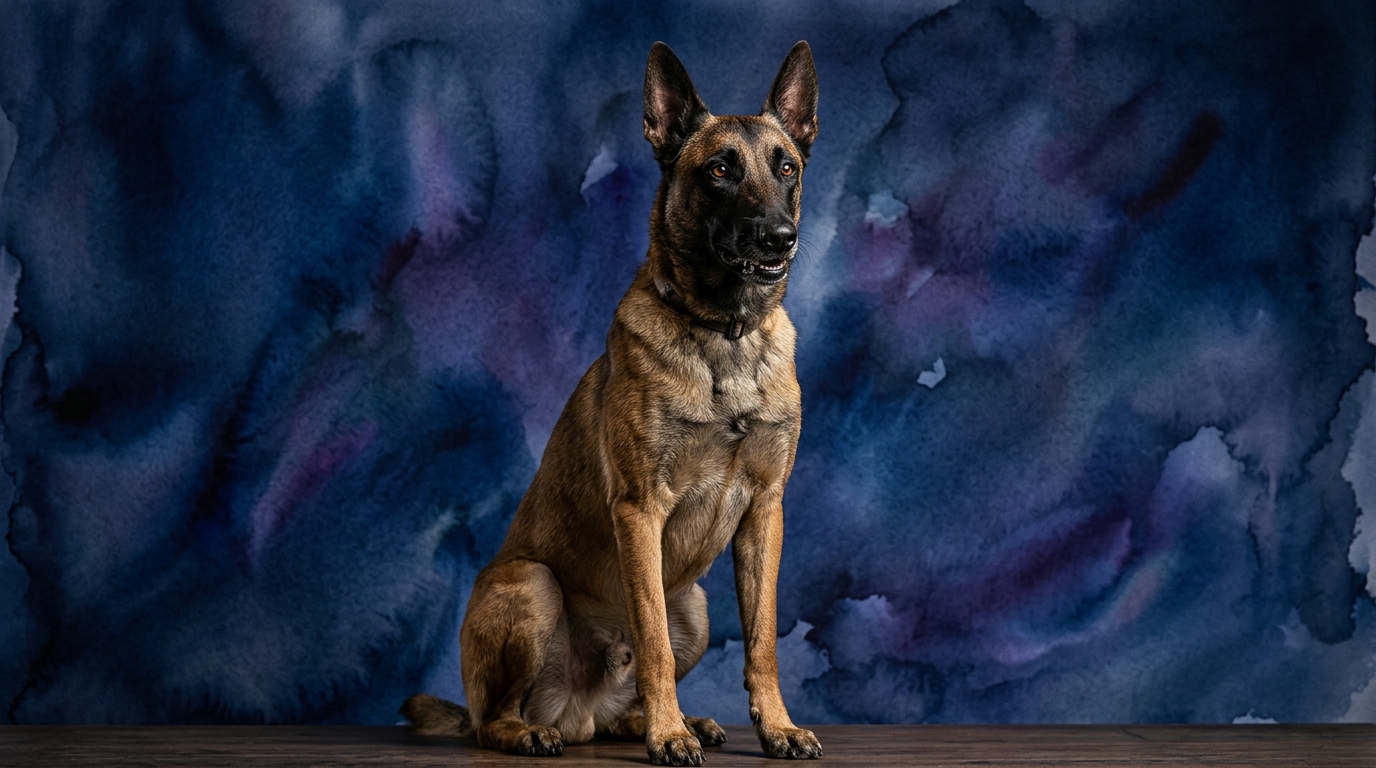
For the **Belgian Malinois**, a herding dog with a Coren rank of #22, its cognitive profile is indicative of a breed engineered for demanding, collaborative work:
**Problem Solving (5/5)**: The Malinois excels at rapidly analyzing complex scenarios and devising effective solutions, showcasing remarkable ingenuity in overcoming obstacles or mastering intricate tasks. Their minds are wired for analytical thought, quickly processing information and adapting strategies on the fly.
**Training Speed (5/5)**: This breed absorbs new commands and routines with exceptional velocity, often grasping concepts in just a few repetitions. Their intense focus and eagerness to learn make them incredibly quick studies, allowing for a vast repertoire of behaviors to be built efficiently.
**Social Intelligence (4/5)**: Malinois exhibit a robust capacity for understanding human cues and intentions, making them highly attuned partners in collaborative work. They adeptly read body language and vocal tones, anticipating commands and responding appropriately in dynamic social contexts, forging strong working bonds.
**Instinctive Drive (5/5)**: Their inherent drives for prey, protection, and work are extraordinarily powerful, fueling relentless pursuit of goals. This intense motivation makes them tireless and persistent, whether tracking, herding, or engaging in protection work, providing the energy for sustained effort.
**Memory (5/5)**: The Malinois demonstrates an outstanding ability to retain learned behaviors, complex sequences, and environmental details over long periods. Once skills are acquired, they are deeply ingrained, allowing for reliable recall even after extended breaks, contributing to their problem-solving prowess.
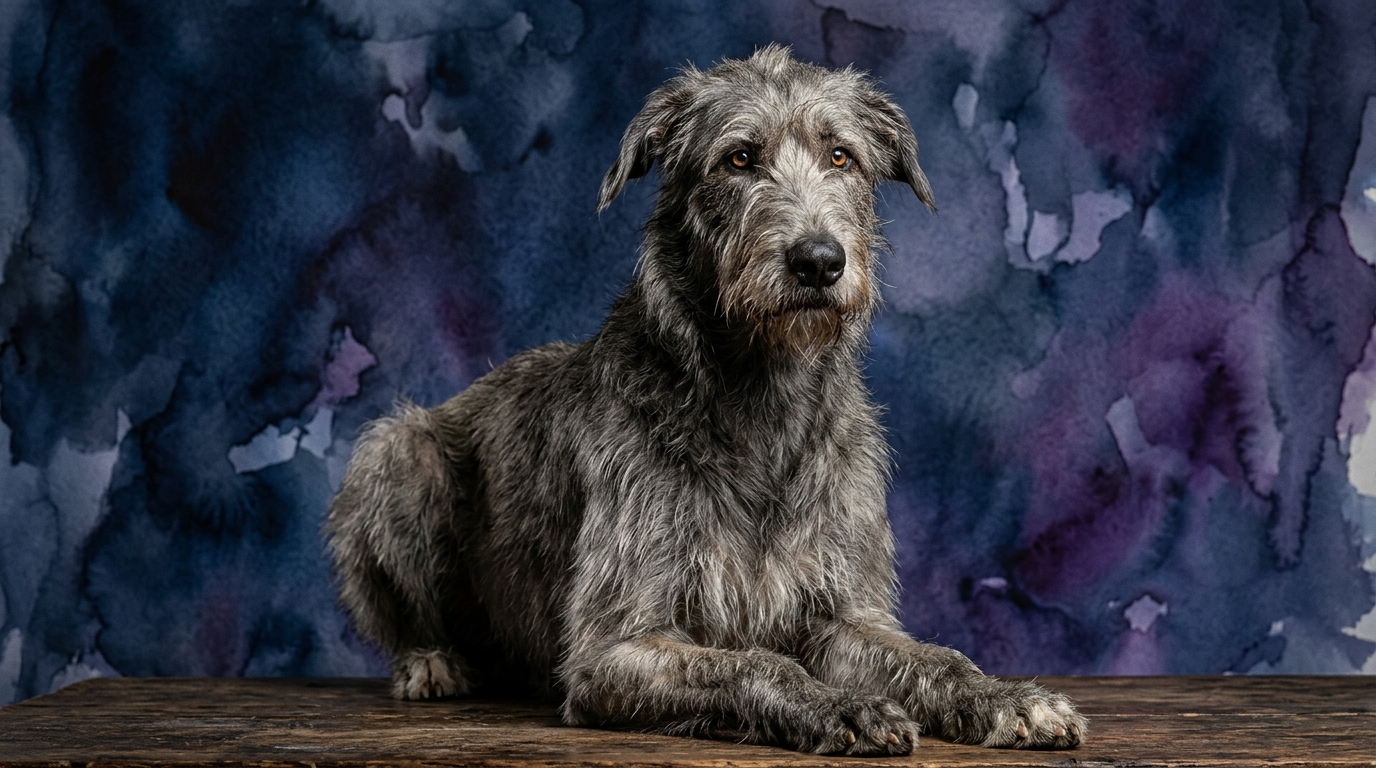
In contrast, the **Irish Wolfhound**, a hound breed not Coren-ranked, presents a different cognitive landscape, reflecting its historical role as a sighthound and companion:
**Problem Solving (3/5)**: The Irish Wolfhound approaches problems with a thoughtful, often independent, perspective, capable of finding solutions, especially those involving spatial reasoning or navigating terrain. They may not exhibit rapid, analytical problem-solving, favoring practical, direct solutions rather than intricate ones.
**Training Speed (3/5)**: While capable learners, Wolfhounds typically require more repetition and patience in training compared to intensely driven breeds. Their learning style is more reflective, processing information at their own pace, and benefiting from consistent, positive reinforcement and engaging methods.
**Social Intelligence (3/5)**: Irish Wolfhounds form deep, affectionate bonds, displaying gentle understanding of human emotions within their immediate family. Their social intelligence focuses on companionship and emotional connection, making them sensitive and intuitive to the moods of their close human companions.
**Instinctive Drive (3/5)**: Their primary instinctive drive, rooted in sighthound heritage, involves the pursuit of moving objects with bursts of speed and a keen eye. This drive is less about sustained, directed work and more about independent action, coupled with natural curiosity and a desire for exploration.
**Memory (3/5)**: Wolfhounds possess a good memory for routines, familiar people, and places, comfortably navigating their home environment. While they retain information, their recall may not be as immediate or precise as a Malinois, especially for complex or less frequently practiced behaviors, yet they remember experiences and relationships vividly.
Where the Malinois's Cognition Shines
The Belgian Malinois's cognitive strengths make them exceptionally suited for roles demanding precision, speed, and sustained mental effort. Their exceptional problem-solving ability, combined with a relentless drive, means they can master intricate tasks ranging from advanced obedience routines and agility courses to complex scent detection and protection work. For instance, a Malinois can quickly learn to differentiate between dozens of scents, navigate an obstacle course with split-second timing, or execute a multi-part command sequence flawlessly with minimal prompting. Their superior training speed allows for rapid progression through demanding curricula, meaning they can acquire and perfect new skills in a fraction of the time it might take other breeds. This efficiency is critical in high-stakes environments where immediate and accurate responses are paramount. Furthermore, their powerful memory ensures that once a skill is acquired, it remains readily accessible, making them reliable partners in any endeavor requiring consistent, high-level performance. This breed's robust social intelligence enables them to form incredibly strong, responsive working partnerships, understanding and anticipating their handler's every cue.
The Distinct Cognitive Strengths of the Irish Wolfhound
While not designed for the same rapid-fire, task-oriented work as the Malinois, the Irish Wolfhound possesses a unique cognitive profile that excels in different arenas. Their problem-solving, though rated lower in terms of speed and complexity, is often characterized by a thoughtful, independent approach, particularly when it comes to navigating their environment or understanding social dynamics within their family. They might not quickly solve an intricate puzzle feeder, but they are adept at understanding the nuances of household routines or sensing a family member's distress with quiet intuition. Their social intelligence, rated 3/5, manifests as deep emotional sensitivity and an intuitive understanding of human companionship, making them profoundly empathetic companions. They excel at "reading the room" in a different sense, contributing to a calm and reassuring presence. Their instinctive drive, while not for complex tasks, is powerfully expressed in their natural sighthound abilities—a keen eye for distant movement and an explosive burst of speed. This makes them exceptionally adept at scanning horizons and reacting to visual stimuli, a specialized form of environmental awareness. Their good memory, though not encyclopedic for commands, allows them to remember people, places, and routines with remarkable clarity, fostering a sense of security and familiarity crucial for their gentle nature.
Training Approaches: Drive vs. Deliberation
Training a Belgian Malinois is generally a faster and more intense experience due to their unparalleled training speed and relentless instinctive drive. They thrive on structured work, clear direction, and the mental challenge of learning new commands. Their high problem-solving ability means they often anticipate what's expected, and their powerful memory ensures lessons stick. However, this intensity requires a handler who can match their drive, provide consistent mental stimulation, and channel their energy constructively; without it, their cognitive strengths can manifest as destructive behaviors and anxiety. Conversely, training an Irish Wolfhound requires a different approach, emphasizing patience, positive reinforcement, and understanding their more independent nature. While they learn, their training speed is more deliberate, and their lower instinctive drive means they are less compelled by constant "work." They respond best to gentle encouragement and methods that feel collaborative rather than demanding. Their social intelligence, focused on connection, means they want to please their loved ones, but they also possess a hound's independence, requiring consistent, fair methods to build trust and cooperation without overwhelming them.
Matching Canine Cognition to Lifestyle: Active vs. Relaxed Owners
The stark differences in their cognitive profiles directly influence which breed suits an active versus a relaxed owner. The Belgian Malinois is unequivocally suited for active owners who are prepared to engage deeply with their dog's mental and physical needs. Their 5/5 ratings in problem-solving, training speed, instinctive drive, and memory demand an owner who can provide daily, rigorous training sessions, participate in demanding dog sports like agility or protection work, and offer consistent mental challenges. An owner seeking a highly engaged, responsive partner for demanding activities will find the Malinois an exceptional match. On the other hand, the Irish Wolfhound, with its more moderate cognitive ratings and a focus on companionship, is better suited for owners who appreciate a more relaxed, though still active, lifestyle. While they require regular exercise due to their size, their cognitive needs lean more towards thoughtful companionship and gentle interaction rather longer periods of intense, continuous work. Owners who enjoy long, leisurely walks, a calm presence in the home, and who appreciate a dog with a gentle, independent spirit will find the Wolfhound a wonderful companion. They thrive on a predictable routine and the quiet comfort of their family, rather than constant, high-octane stimulation.
The Verdict
Choose the Belgian Malinois if you are an experienced, active owner seeking a demanding canine partner for high-level training, dog sports, or working roles, prepared to dedicate significant time to their intense mental and physical needs.
Choose the Irish Wolfhound if you desire a gentle, thoughtful giant for companionship, appreciate a more independent spirit, and can provide a calm home environment with regular, but not intense, physical activity.
🧠 Find Your Pet's IQ Score
Our Pet IQ Lab assessment covers 25+ tests across 5 cognitive dimensions — personalized to your breed.
Take the Full IQ Test →Frequently Asked Questions
Can an Irish Wolfhound be trained for complex tasks like a Malinois?
While an Irish Wolfhound can certainly learn, their training speed and instinctive drive are not geared for the same level of complex, rapid-fire task acquisition as a Malinois. They excel at different types of learning, often preferring thoughtful, independent problem-solving over highly structured, repetitive commands for intricate tasks.
How does the Malinois's social intelligence impact family life?
The Malinois's social intelligence, while high, is often task-focused; they are adept at understanding handler cues for work. In a family setting, this means they are highly observant of routines and can be very responsive to family members, though their primary drive may still be to find a "job" within the household structure, requiring consistent engagement.
Is the Irish Wolfhound's "lower" instinctive drive a disadvantage?
Not at all; it simply means their drives are different. Their instinctive drive is primarily for sighthound pursuits and companionship, not continuous work. This makes them less demanding in terms of constant mental stimulation and more inclined to be gentle, thoughtful companions, which is a desirable trait for many owners seeking a serene presence.