Side-by-Side IQ Profile: Malinois vs. Min Pin
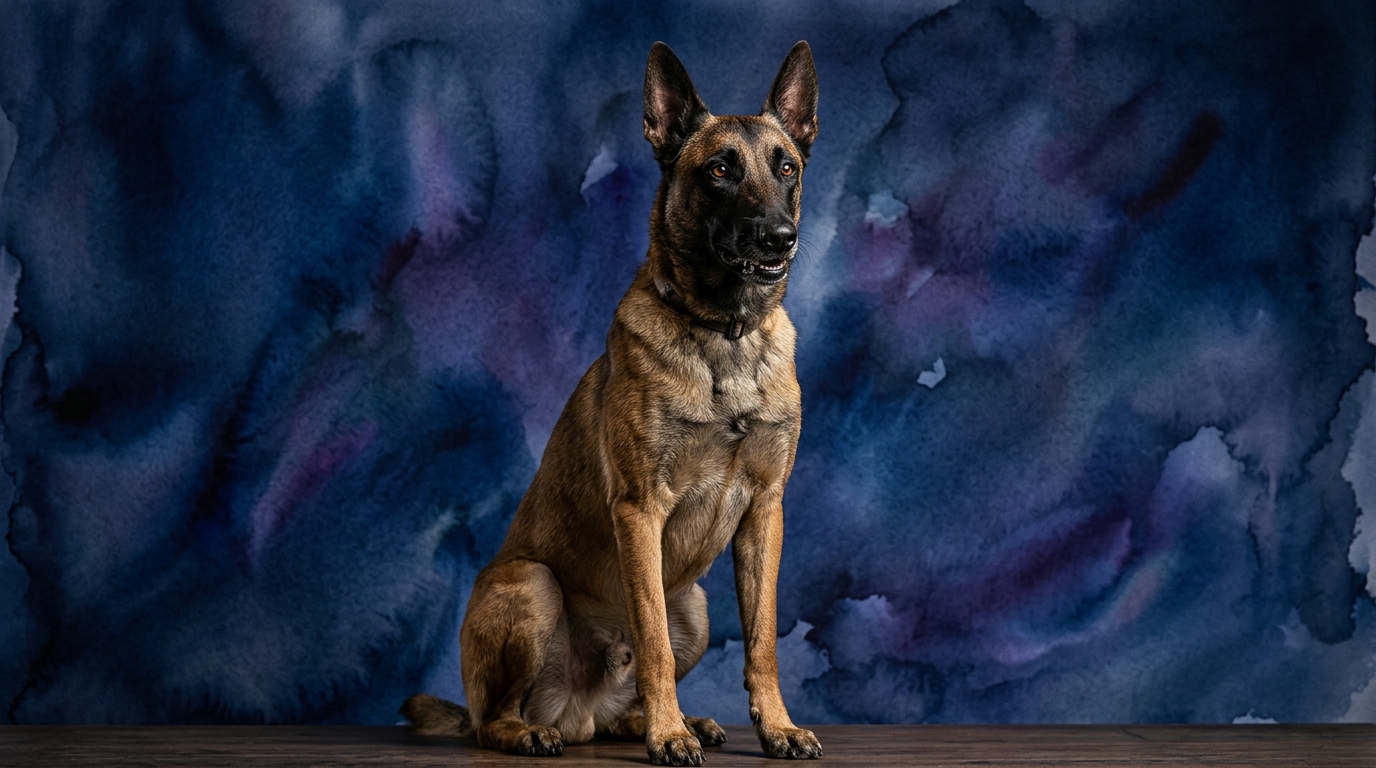
The Cosmic Pet Pet IQ Lab employs a multi-dimensional approach to assess canine intelligence, moving beyond simple obedience to encompass problem-solving, training speed, social intelligence, instinctive drive, and memory. For the Belgian Malinois, a revered working breed, these metrics paint a picture of exceptional cognitive prowess. Their Problem Solving is rated 5/5, indicating an outstanding capacity to analyze novel situations and devise effective solutions, often under pressure. Training Speed also sits at a perfect 5/5, reflecting their rapid acquisition of complex commands and multi-step tasks, demonstrating an eagerness to learn and retain information. Social Intelligence, at 4/5, points to a strong ability to interpret human cues and intentions, though perhaps with a focus on task-oriented communication rather than subtle emotional nuance. An Instinctive Drive of 5/5 highlights their profound innate motivations for protection, herding, and prey drive, which fuels their work ethic. Finally, Memory at 5/5 ensures they retain vast amounts of learned behaviors, environmental details, and experiences over time, crucial for their demanding roles.
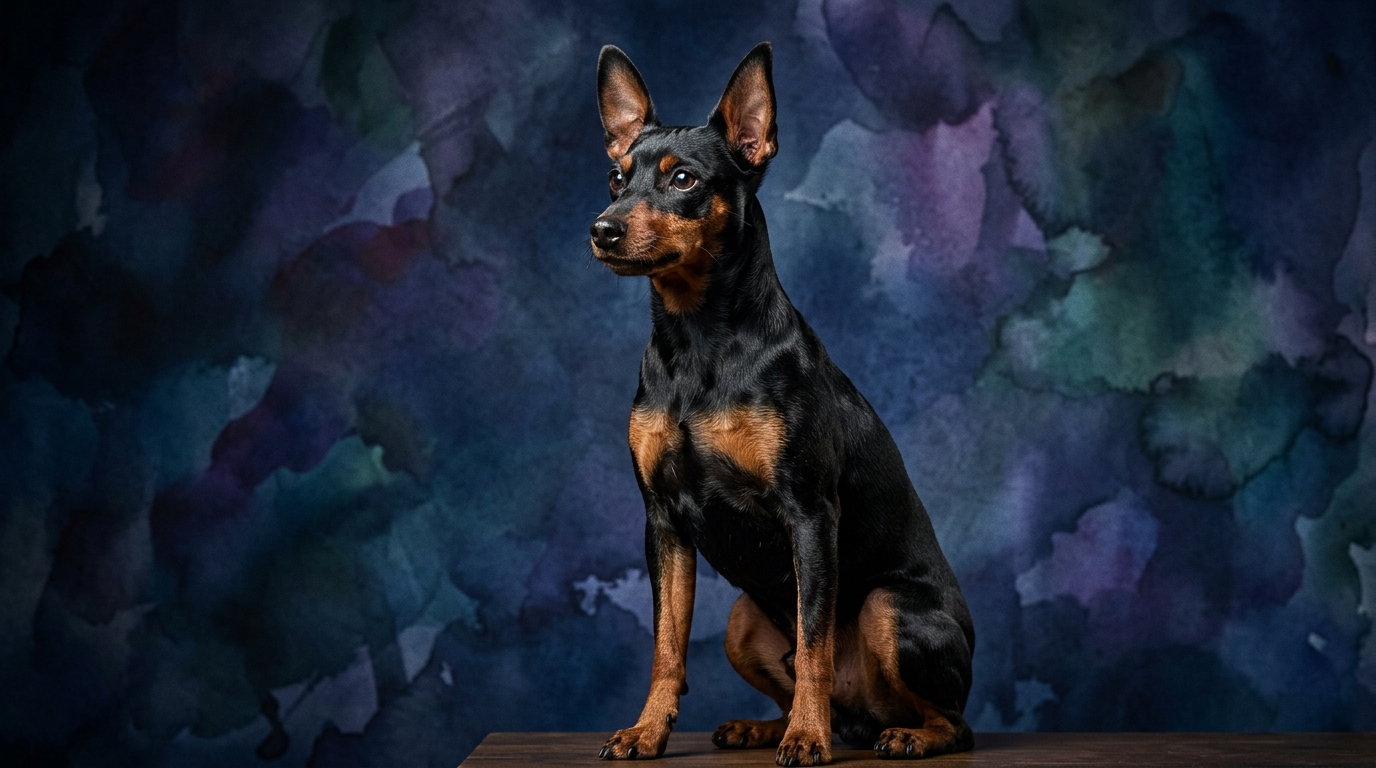
In contrast, the Miniature Pinscher, a lively toy breed, presents a different cognitive landscape tailored to its companion role. Their Problem Solving is rated 3/5, suggesting a moderate ability to tackle new challenges, often relying on learned patterns or trial-and-error rather than intricate analysis. Training Speed also registers at 3/5, indicating that while trainable, they require more consistent repetition and patience to master commands, occasionally displaying a charming independence that can be perceived as stubbornness. Social Intelligence, at 3/5, implies a functional understanding of human interaction, capable of forming bonds but perhaps less attuned to complex emotional states or subtle directives than their working counterparts. Instinctive Drive, similarly at 3/5, reflects a moderate level of innate urges, such as a desire to chase or a territorial alertness, but these are typically less intense and focused than in a high-drive working breed. Their Memory, at 3/5, suggests a moderate retention capacity, meaning previously learned commands or experiences might require occasional refreshers to remain sharp.
Where the Belgian Malinois Wins Cognitively
The Belgian Malinois demonstrably excels in scenarios demanding high-stakes cognitive function and precision. Their 5/5 Problem Solving shines in complex scent detection tasks, where they must differentiate specific odors amidst countless distractions, or in protection work requiring split-second decisions to assess threats and respond appropriately. This isn't just about following commands; it's about adaptive reasoning within a dynamic environment. Their 5/5 Training Speed and Memory combine to allow for the mastery of intricate obedience routines, multi-stage obstacle courses, and specialized service tasks that would overwhelm many other breeds. They can learn and execute long sequences of commands, demonstrating a remarkable capacity for sequential processing and recall. Furthermore, their 4/5 Social Intelligence, when paired with their high Instinctive Drive, allows them to form exceptionally strong working partnerships with their handlers, interpreting subtle body language and verbal cues to perform critical tasks, often anticipating the next instruction. This cognitive synergy makes them unparalleled in roles requiring sustained focus, rapid learning, and the ability to operate under intense pressure, such as search and rescue, police, or military work.
Where the Miniature Pinscher Wins Cognitively
While the Miniature Pinscher's cognitive profile differs significantly from the Malinois, they possess distinct strengths tailored to their lifestyle. Their 3/5 Problem Solving, rather than indicating a deficiency, often manifests as a resourceful independence, allowing them to cleverly navigate domestic environments. For example, a Min Pin might excel at figuring out how to access a favorite sunbeam on a high couch, or how to manipulate a toy to get a hidden treat, demonstrating a practical, self-serving ingenuity. Their moderate Instinctive Drive (3/5) translates into a manageable level of alertness and territoriality, making them excellent, self-appointed guardians of their home without the overwhelming intensity of a high-drive working dog. This focused vigilance, often expressed through their characteristic 'big dog in a small body' attitude, is a cognitive advantage for their role as a companion and alarm system. Furthermore, their 3/5 Social Intelligence, though not as nuanced for complex tasks, is perfectly adequate for forming deep, affectionate bonds within a family unit, interpreting basic emotions and responding with charming assertiveness. They are adept at communicating their desires and boundaries clearly, often with a directness that leaves little room for misinterpretation, which can be a cognitive win in terms of clear communication within their social group.
Which is Easier to Train and Why
When considering ease of training, the Belgian Malinois holds a clear advantage, primarily due to their exceptional 5/5 Training Speed and 5/5 Memory, coupled with a powerful 5/5 Instinctive Drive. This combination means they grasp new commands almost instantly, remember them long-term, and are intrinsically motivated by the opportunity to work and please their handler. They thrive on structure and challenges, eagerly seeking to understand and execute tasks, making them highly responsive to positive reinforcement and clear direction. A Malinois’s inherent desire to perform and their remarkable focus mean they can learn complex sequences and generalize behaviors across different environments with minimal repetition, making advanced training a relatively smooth and rewarding process for an experienced handler. Their cognitive architecture is simply wired for rapid, high-volume learning and precision execution.
The Miniature Pinscher, with its 3/5 ratings across Problem Solving, Training Speed, and Memory, presents a different training experience. While certainly trainable, they require more consistent patience, shorter training sessions to maintain engagement, and creative motivation. Their moderate Instinctive Drive means they might not possess the same innate desire to work for extended periods, and their independent streak can sometimes be perceived as stubbornness. Training a Min Pin often involves finding what truly motivates them – whether it's a specific treat, toy, or praise – and using it consistently. They may take longer to generalize learned behaviors to new environments and might require more frequent refreshers. Their capacity for problem-solving is sufficient for household manners, but they won't typically excel at the intricate, multi-stage commands a Malinois masters effortlessly. Success with a Min Pin hinges on understanding their spirited nature and adapting training methods to their attention span and independent personality.
Which Suits Active Owners vs. Relaxed Owners
The Belgian Malinois is unequivocally suited for highly active and dedicated owners who can provide a lifestyle commensurate with their demanding cognitive and physical needs. Their 5/5 Instinctive Drive requires constant outlets, meaning daily rigorous exercise, advanced training, and engaging mental challenges are not optional but essential for their well-being. Owners must be prepared to invest significant time in structured activities like obedience, agility, protection sports, or scent work to channel their immense problem-solving capacity and drive. A relaxed owner attempting to integrate a Malinois into a sedentary lifestyle would quickly find themselves overwhelmed by a dog prone to destructive behaviors or anxiety stemming from unfulfilled mental and physical requirements. They thrive with handlers who are confident, consistent, and view dog ownership as an active partnership.
Conversely, the Miniature Pinscher is a better fit for owners who appreciate a lively companion but may not have the capacity or desire for intense, structured daily activities. While they are energetic and enjoy play, their moderate Instinctive Drive (3/5) means their exercise needs are generally met with regular walks, playtime in a secure yard, and indoor games. They are adaptable to apartment living, provided they receive sufficient mental stimulation through puzzle toys and short training sessions to engage their 3/5 Problem Solving. A Min Pin’s confident and sometimes assertive personality requires consistent leadership, but their overall cognitive demands are far less intensive than a Malinois. They are ideal for individuals or families seeking a spirited, independent companion who enjoys being part of daily life without requiring a full-time job for their mental and physical fulfillment. They can enjoy a more relaxed pace, provided they still receive consistent attention and basic training.
The Verdict
Choose a Belgian Malinois if you are an experienced, highly active owner seeking a driven, capable partner for demanding training, work, or sport, prepared for significant daily mental and physical engagement. They thrive in structured environments where their exceptional cognitive abilities are constantly challenged and utilized.
Opt for a Miniature Pinscher if you desire a spirited, independent, and confident companion who offers lively interaction and moderate activity, suitable for a home that values personality and alertness over intense working drive. They require consistent, patient training tailored to their charmingly assertive nature.
🧠 Find Your Pet's IQ Score
Our Pet IQ Lab assessment covers 25+ tests across 5 cognitive dimensions — personalized to your breed.
Take the Full IQ Test →Frequently Asked Questions
Can a Miniature Pinscher perform complex tasks like a Belgian Malinois?
While Miniature Pinschers are clever and can learn many commands, their 3/5 Problem Solving and Training Speed mean they typically won't achieve the same level of complex task mastery or precision as a Belgian Malinois. Malinois are bred and wired for high-level working roles, whereas Min Pins excel as vigilant, spirited companions.
Is a Belgian Malinois suitable for a first-time dog owner?
Generally, a Belgian Malinois is not recommended for first-time dog owners due to their extreme 5/5 Instinctive Drive and cognitive demands. Their intense need for mental and physical stimulation, combined with their strong will, requires an owner with significant experience in dog training and behavior management to channel their abilities constructively.
How do their social intelligence scores impact household dynamics?
The Malinois's 4/5 Social Intelligence makes them highly attuned to their handler's cues, fostering a strong working bond but requiring consistent direction. The Min Pin's 3/5 Social Intelligence means they understand basic interactions but might be more independent, requiring clear boundaries and consistent communication to integrate smoothly into a family without becoming overly assertive.