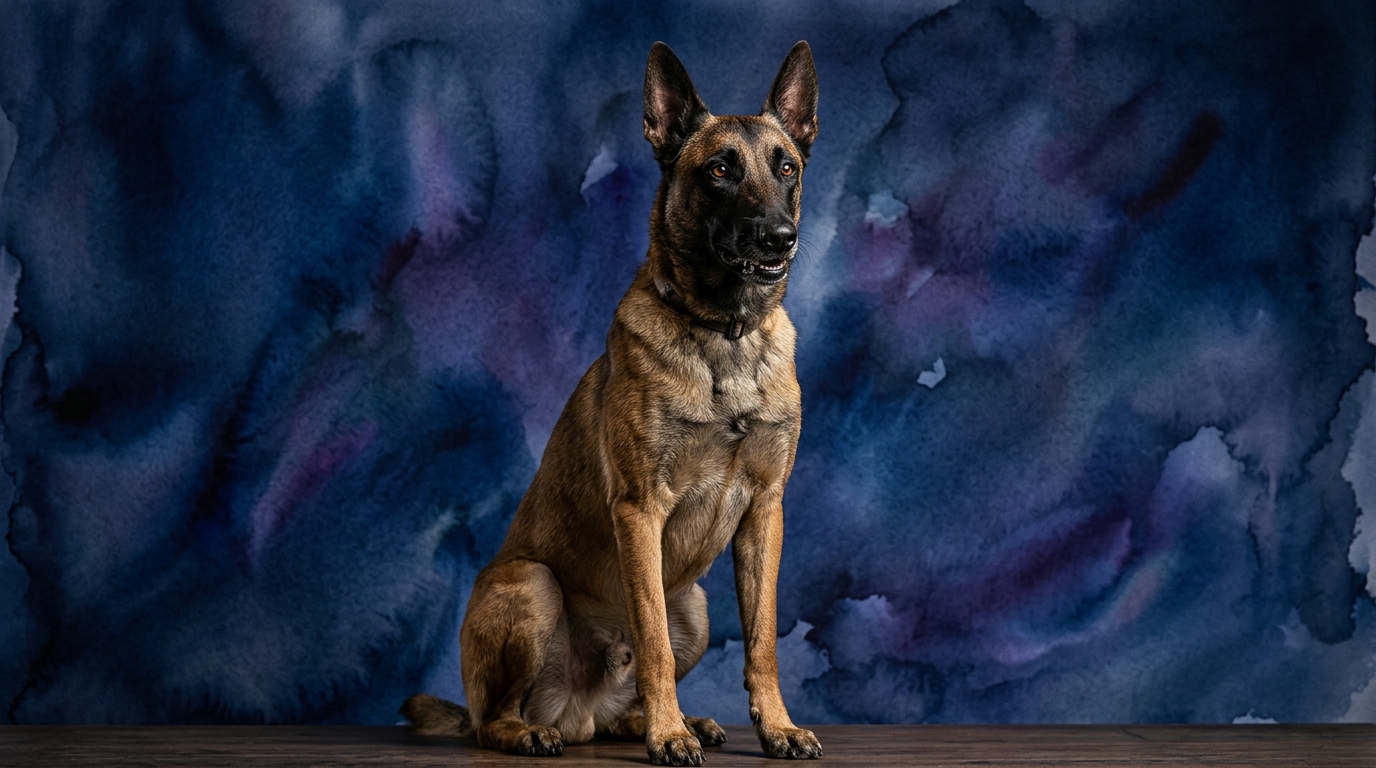
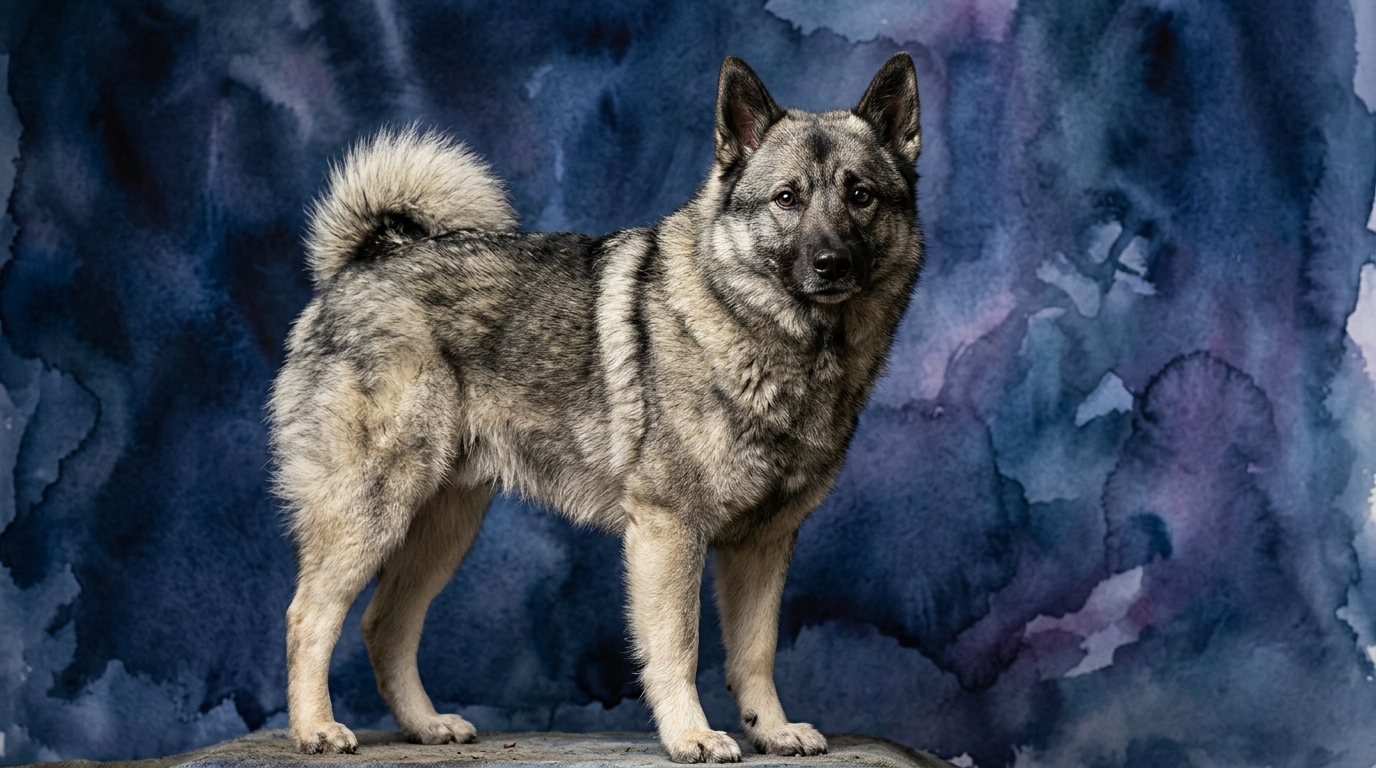
Side-by-Side IQ Profile: Belgian Malinois vs. Norwegian Elkhound
The Cosmic Pet Pet IQ Lab's assessment offers a granular view into the minds of these two distinct breeds, highlighting their strengths across five key cognitive dimensions. Understanding these scores helps demystify their behavioral tendencies and potential in various roles.
For the Belgian Malinois, an agile Herding breed with a Coren rank of #22, their scores paint a picture of a mind built for intense, directed work. Their Problem Solving is rated 5/5, indicating an exceptional capacity to dissect complex tasks, identify patterns, and formulate efficient solutions, making them adept at intricate sequences and multi-stage operations. Training Speed also scores a perfect 5/5, reflecting their remarkable learning agility; they absorb new commands and behaviors with minimal repetitions, solidifying understanding rapidly. Social Intelligence, at 4/5, points to an intense, often singular focus on their human partner, particularly in a working context, where they are perceptive to subtle cues. Their Instinctive Drive is a powerful 5/5, fueling a relentless pursuit of goals with enduring energy and determination. Finally, Memory, also 5/5, showcases a superior capacity for retaining complex chains of commands, intricate routines, and detailed environmental information over extended periods.
The Norwegian Elkhound, a robust Hound breed ranked #36 by Coren, presents a cognitive profile geared towards independence and environmental mastery. Their Problem Solving capability is a solid 4/5, demonstrating a resourceful mind adept at navigating environments and overcoming obstacles, often relying on their own judgment rather than constant handler guidance. Training Speed, rated 4/5, indicates they learn new concepts efficiently, though they may require more varied motivation and a slightly greater number of repetitions compared to breeds with higher scores. Social Intelligence comes in at 3/5, suggesting a more reserved and self-sufficient nature; while they form strong family bonds, their focus is less intensely handler-centric, often prioritizing their immediate environment and sensory input. Their Instinctive Drive is 3/5, a pronounced, yet often self-directed, urge for tracking and scent work, deeply rooted in their history as big-game hunters. Memory, at 4/5, shows a good capacity for established routines, commands, and familiar routes, allowing them to recall significant environmental details and scent trails crucial for their hunting capabilities.
Where the Belgian Malinois Wins Cognitively
The Belgian Malinois’s cognitive profile is overwhelmingly optimized for directed, high-stakes work, granting it distinct advantages in several areas. Their perfect 5/5 scores in Problem Solving, Training Speed, Instinctive Drive, and Memory underscore a mind built for precision and purpose, particularly when that purpose is guided by a human partner. This breed excels at rapidly acquiring and executing complex sequences, such as those found in competitive obedience, agility, or protection sports, where intricate routines demand flawless performance and swift learning.
Their ability to dissect multi-step commands, quickly learn new patterns, and commit them to memory with unparalleled fidelity allows them to perform intricate routines with fluid accuracy. The Malinois's intense, handler-centric social intelligence, rated 4/5, means they are constantly seeking and interpreting human cues, translating into a seamless partnership in working environments where split-second decisions and precise execution are paramount. This breed's unrelenting instinctive drive ensures they maintain focus and motivation through strenuous, repetitive, or challenging tasks, making them exceptional candidates for roles demanding sustained mental and physical effort, such as search and rescue or police work.
Where the Norwegian Elkhound Wins Cognitively
While the Norwegian Elkhound’s cognitive scores might appear lower in comparison, their intelligence is uniquely tailored for independent, self-reliant tasks, offering distinct advantages within their specific domain. Their 4/5 Problem Solving score reflects a resourceful mind adept at navigating complex natural environments without constant human intervention. For instance, an Elkhound excels at independently tracking game over varied terrain, making decisions based on scent and environmental cues rather than waiting for a direct command.
Their social intelligence, rated 3/5, while less handler-focused, allows them to maintain a degree of self-sufficiency crucial for long hunts where immediate human feedback isn't always available. This independent streak isn't a deficit; it's a cognitive asset for a breed designed to work autonomously. Their 4/5 memory is particularly strong for scent trails and geographical layouts, enabling them to remember intricate paths and return to starting points, a vital skill for a hunting companion. The Elkhound's instinctive drive, at 3/5, is specifically tuned for endurance and persistence in following a trail, rather than the intense, directed drive of a herding dog, making them superior in sustained, independent scent work and exploration.
Which is Easier to Train and Why
Based on their respective IQ profiles, the Belgian Malinois is demonstrably easier to train for obedience and complex, handler-directed tasks than the Norwegian Elkhound. The Malinois boasts a perfect 5/5 in Training Speed, reflecting their exceptional ability to quickly grasp new concepts and behaviors with minimal repetition. Their profound desire to work and strong handler focus (Social Intelligence 4/5) means they are constantly seeking direction and eager to please, making them highly responsive to positive reinforcement and structured training. They internalize commands rapidly, executing them with precision due to their excellent memory (5/5) and intense instinctive drive (5/5) to perform.
In contrast, the Norwegian Elkhound, with a Training Speed of 4/5, learns effectively but requires a more patient and nuanced approach. Their independent nature (Social Intelligence 3/5) means they are less inclined to blindly follow commands and might prioritize environmental stimuli, particularly compelling scents, over handler directives. While intelligent, an Elkhound might exhibit a 'what’s in it for me?' attitude, necessitating more creative motivation and a deeper understanding of their independent behavioral tendencies to maintain engagement and consistency in training. They respond well to fairness and consistency, but their learning curve for repetitive, precise obedience might be longer than that of a Malinois.
Which Suits Active Owners vs. Moderately Active Owners
The choice between a Belgian Malinois and a Norwegian Elkhound hinges significantly on an owner's lifestyle and their capacity for canine engagement. An owner defined by their willingness and ability to provide consistent, high-intensity mental and physical stimulation will find the Belgian Malinois an unparalleled partner. This breed demands a purpose; without daily structured activities like advanced obedience, agility, or scent work, their potent instinctive drive (5/5) and problem-solving mind (5/5) can lead to boredom, anxiety, and destructive behaviors. They thrive when given a job and require an owner who can match their tireless energy and cognitive demands, dedicating several hours daily to their engagement.
Conversely, for an owner seeking a moderately active companion, the Norwegian Elkhound might be a more suitable, though still demanding, choice. While they are not for truly 'relaxed' owners, their independence (Social Intelligence 3/5) means they don't require the same constant, directed interaction as a Malinois. Elkhounds need regular, vigorous exercise, such as long hikes or runs, and opportunities for scent exploration to satisfy their innate drives. They are content with exploring their environment and can be less insistent on constant handler engagement, making them a better fit for active individuals who appreciate a dog with a strong sense of self and an adventurous spirit, without the extreme intensity of a dedicated working breed. They can be satisfied with a good hour or two of focused activity daily, alongside general family interaction.
The Verdict
Choose the Belgian Malinois if you are an experienced, dedicated owner prepared to provide immense mental and physical stimulation, seeking a highly trainable partner for advanced sports or working roles.
Opt for the Norwegian Elkhound if you desire an independent yet affectionate companion for outdoor adventures, understanding they require consistent exercise and patient training to harness their resourceful nature.
🧠 Find Your Pet's IQ Score
Our Pet IQ Lab assessment covers 25+ tests across 5 cognitive dimensions — personalized to your breed.
Take the Full IQ Test →Frequently Asked Questions
Can a Norwegian Elkhound be trained for advanced obedience like a Belgian Malinois?
While an Elkhound possesses the intelligence to learn advanced commands (Problem Solving 4/5), their independent nature (Social Intelligence 3/5) means they generally won't achieve the same level of precision or speed as a Malinois. Training will require greater patience, creative motivation, and an understanding of their self-reliant tendencies.
Are Belgian Malinois good family dogs considering their intense drives?
Belgian Malinois can be devoted family members, but their intense drives (5/5) and need for constant engagement require significant commitment. They are best suited for experienced owners who can provide consistent training, a structured environment, and ample opportunities to channel their energy positively to prevent problematic behaviors.
What kind of mental stimulation do Norwegian Elkhounds need?
Norwegian Elkhounds benefit greatly from activities that engage their strong sense of smell and independent problem-solving abilities. Scent work, tracking games, exploring new environments on long hikes, and puzzle toys are excellent ways to provide the mental stimulation they crave, satisfying their innate hunting instincts.