Side-by-Side Cognitive Profiles
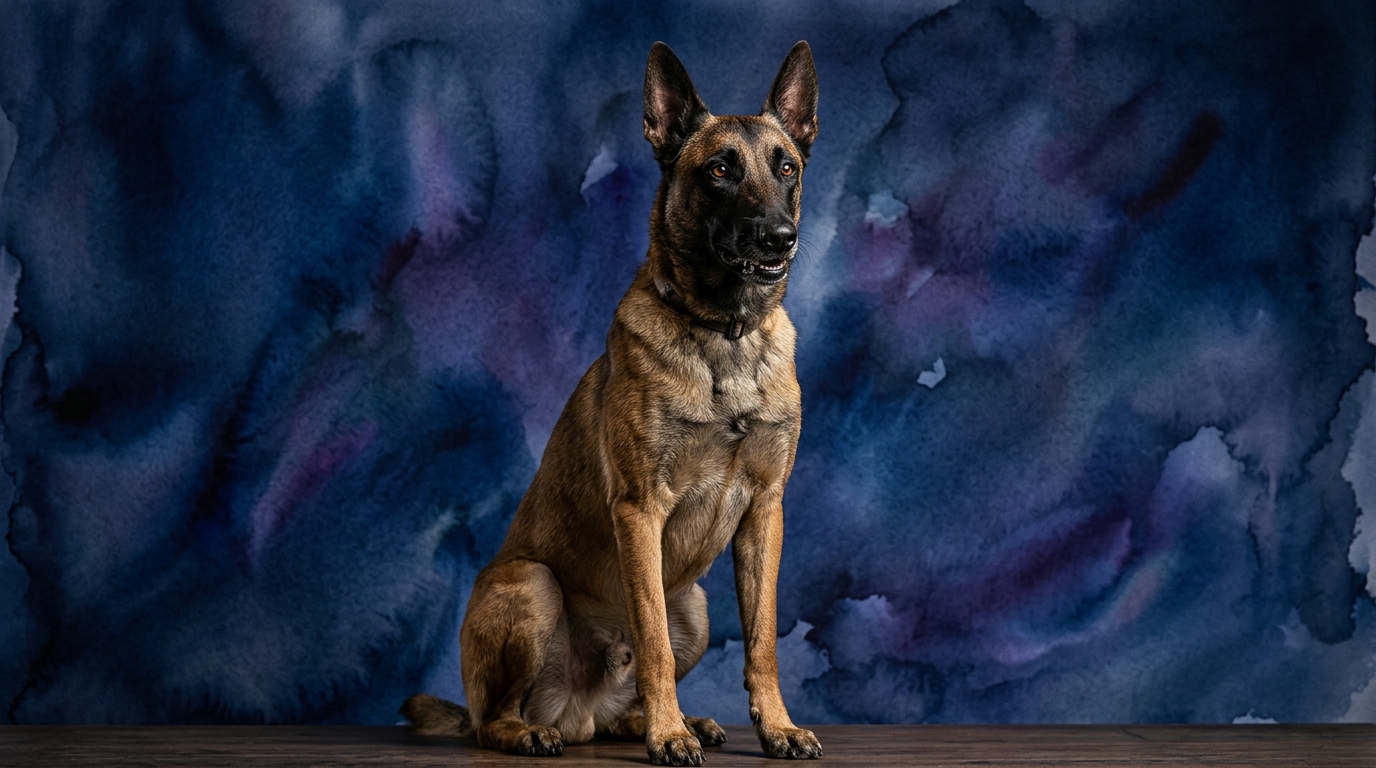
The Belgian Malinois, a breed often seen in demanding working roles, exhibits a cognitive profile tailored for high-performance tasks. Ranked #22 by Coren for working intelligence, their Problem Solving is exceptional at 5/5, indicating a profound ability to independently navigate complex situations and strategize solutions. Their Training Speed, also 5/5, highlights a remarkable aptitude for rapid command acquisition and the swift understanding of intricate sequences. Social Intelligence stands strong at 4/5, reflecting their capacity to keenly interpret human cues and engage in highly cooperative endeavors. An Instinctive Drive of 5/5 underpins their relentless need for purpose and structured activity, while their Memory, a perfect 5/5, ensures long-term retention of learned behaviors and experiences.
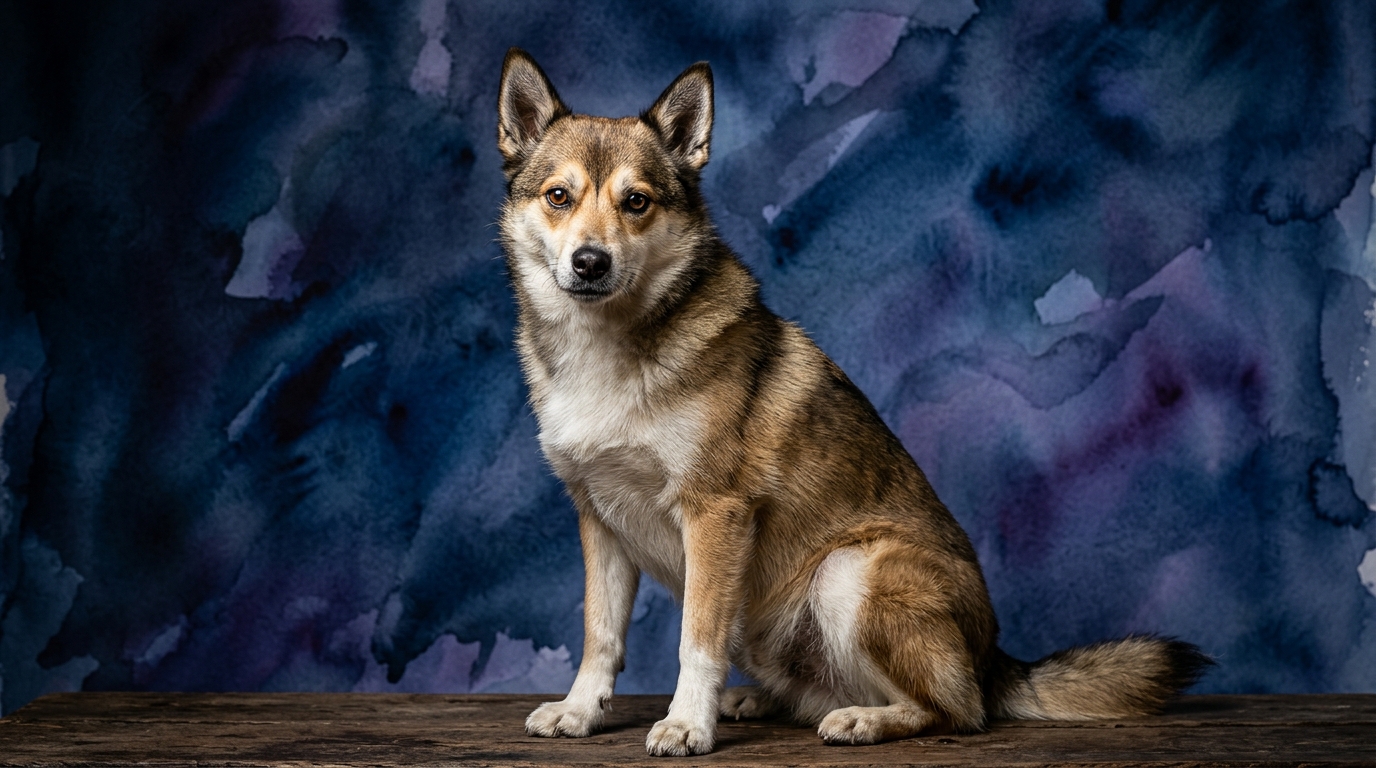
In contrast, the Norwegian Lundehund, a unique breed with a specialized history of puffin hunting on treacherous cliffs, presents a more independent and moderately paced cognitive makeup. Not appearing on Coren's traditional ranking, their Problem Solving is rated 3/5, suggesting they can figure things out but may require more time or trial-and-error than their Malinois counterpart. Their Training Speed also sits at 3/5, indicating a moderate learning pace that benefits from consistent, patient instruction. Social Intelligence is 3/5, implying they are capable of forming bonds but might be less intensely focused on human direction, preferring a degree of autonomy. An Instinctive Drive of 3/5 points to a persistent, exploratory nature, historically geared towards navigating difficult terrain rather than intense obedience work. Their Memory, at 3/5, implies that skills will need regular reinforcement to stay sharp.
Where the Belgian Malinois Wins Cognitively
The Malinois's cognitive strengths make them unparalleled in scenarios requiring precision, speed, and unwavering focus. Their 5/5 Problem Solving and Training Speed mean they not only learn new tasks incredibly quickly but can also adapt those learnings to novel, high-pressure situations, making them ideal for roles like police work, search and rescue, or advanced competitive dog sports. They process information and execute commands with remarkable efficiency.
Furthermore, their superior Social Intelligence (4/5) combined with perfect Memory (5/5) fosters an exceptionally tight working relationship with their handler. A Malinois is deeply attuned to their human partner's intentions and commands, remembering extensive chains of behaviors and responding with intense dedication. This makes them profoundly collaborative, thriving on structured tasks where their powerful Instinctive Drive (5/5) can be channeled into productive, goal-oriented work.
Where the Norwegian Lundehund Wins Cognitively
While not possessing the Malinois's intensity, the Lundehund's cognitive profile offers unique advantages suited to different environments and lifestyles. Their 3/5 Problem Solving and Instinctive Drive, though moderate, were perfectly adapted for their original, highly specialized role: independently navigating treacherous coastal cliffs to hunt puffins. This required individual initiative, persistent exploration, and a self-reliant approach to overcoming environmental challenges, rather than constant human direction or rapid obedience. Their cognition supports a dog capable of making independent decisions in a complex natural setting.
The Lundehund's moderate scores across the board mean they generally do not demand the same relentless, high-intensity mental and physical engagement as a Malinois. Their 3/5 Instinctive Drive translates into a dog that appreciates regular activity and exploration but is also content with periods of rest and less structured interaction. Their independence, stemming from a 3/5 Social Intelligence, can be a 'win' for owners who value a dog with a distinct personality and a less demanding need for constant, directed attention, making them a charmingly unique companion.
Training Ease: Malinois vs. Lundehund
Training ease heavily favors the Belgian Malinois due to their exceptional cognitive attributes. With a 5/5 in Training Speed, they grasp new commands and complex sequences with remarkable efficiency, often requiring only a few repetitions to solidify a behavior. Their 5/5 Memory ensures these lessons are retained long-term, and their 5/5 Problem Solving allows them to quickly generalize learned skills to new contexts. This inherent drive to learn and work, coupled with their high social intelligence, makes them highly responsive and eager to engage in structured training sessions.
The Norwegian Lundehund, with 3/5 in Training Speed, Problem Solving, and Memory, requires a different approach. While certainly trainable, they will necessitate significantly more patience, repetition, and consistency from their owner. Lessons may take longer to absorb, and skills might need regular reinforcement to prevent fading. Their more independent nature and moderate social intelligence mean they might not possess the same inherent drive to please through obedience, often requiring creative, positive reinforcement methods to maintain engagement and make training a rewarding experience for both dog and handler.
Suitability for Active vs. Relaxed Owners
The choice between these two breeds largely depends on an owner's lifestyle and commitment to canine engagement. The Belgian Malinois is an ideal match for highly active owners who thrive on providing intense, structured activities and a clear purpose for their dog. Their exceptional instinctive drive, problem-solving abilities, and training speed demand constant mental and physical stimulation, making them suitable for individuals dedicated to advanced training, competitive sports, or working roles.
Conversely, the Norwegian Lundehund is better suited for owners who appreciate a unique, independent companion with a more moderate activity level. While they enjoy regular walks, exploration, and scent work, their 3/5 instinctive drive means they do not possess the same relentless need for high-intensity, structured work as the Malinois. They are content with a balance of activity and downtime, fitting well with relaxed owners who can offer consistent, patient training and enjoy a dog with distinct periods of playful energy and quiet companionship.
The Verdict
Choose the Belgian Malinois if you are an experienced, active owner seeking a highly collaborative, task-oriented canine partner capable of excelling in demanding roles or competitive sports, and who can commit to intensive daily training and mental stimulation.
Opt for the Norwegian Lundehund if you appreciate a unique, independent companion with a moderate activity level, a curious nature, and are patient with training, valuing a dog that blends periods of activity with relaxed companionship without requiring constant intense direction.
🧠 Find Your Pet's IQ Score
Our Pet IQ Lab assessment covers 25+ tests across 5 cognitive dimensions — personalized to your breed.
Take the Full IQ Test →Frequently Asked Questions
Is the Norwegian Lundehund difficult to train?
Not inherently difficult, but Lundehunds require more patience and consistent positive reinforcement than many breeds. Their moderate training speed and independent nature mean lessons may take longer to solidify and require regular practice to maintain proficiency.
Can a Belgian Malinois live happily in a family setting?
Yes, a Belgian Malinois can thrive in a family setting with proper socialization, consistent training, and sufficient outlets for their intense energy and cognitive needs. They are loyal and protective, flourishing when given a clear role and consistent structure within the family unit.
What unique physical traits of the Lundehund relate to its cognition?
While physical, the Lundehund's exceptionally flexible joints and extra toes were crucial for navigating treacherous puffin nesting sites. This physical adaptation complements their moderate, persistent instinctive drive and problem-solving, enabling them to independently pursue their historical hunting task in challenging, confined environments.