Side-by-Side IQ Profile: A Cognitive Blueprint
At The Cosmic Pet Pet IQ Lab, we evaluate canine cognition across five crucial dimensions: Problem Solving, Training Speed, Social Intelligence, Instinctive Drive, and Memory. These metrics offer a granular view into how different breeds process information, interact with their environment, and learn from experience, painting a detailed picture of their inherent capabilities.
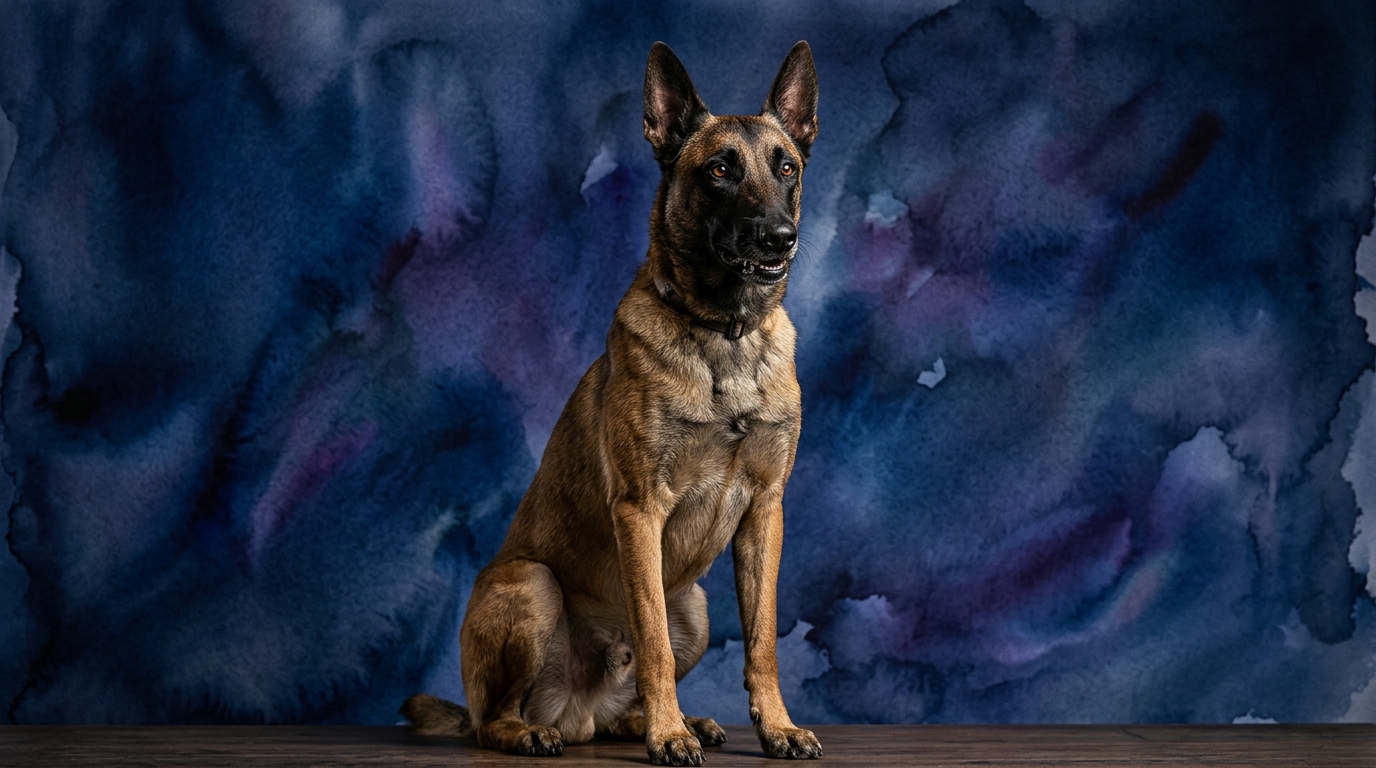
The Belgian Malinois, a Herding breed, presents a formidable cognitive profile, reflected in its Coren rank of 22. It scores an impressive 5/5 in Problem Solving, indicating a strong capacity for analytical thought and overcoming obstacles. Its Training Speed is also 5/5, suggesting rapid command acquisition and retention. Social Intelligence stands at 4/5, showing adeptness in understanding human cues and social dynamics. Instinctive Drive is a perfect 5/5, highlighting an intense, purposeful motivation for tasks. Finally, its Memory is 5/5, underscoring excellent recall and long-term retention of learned behaviors and experiences.
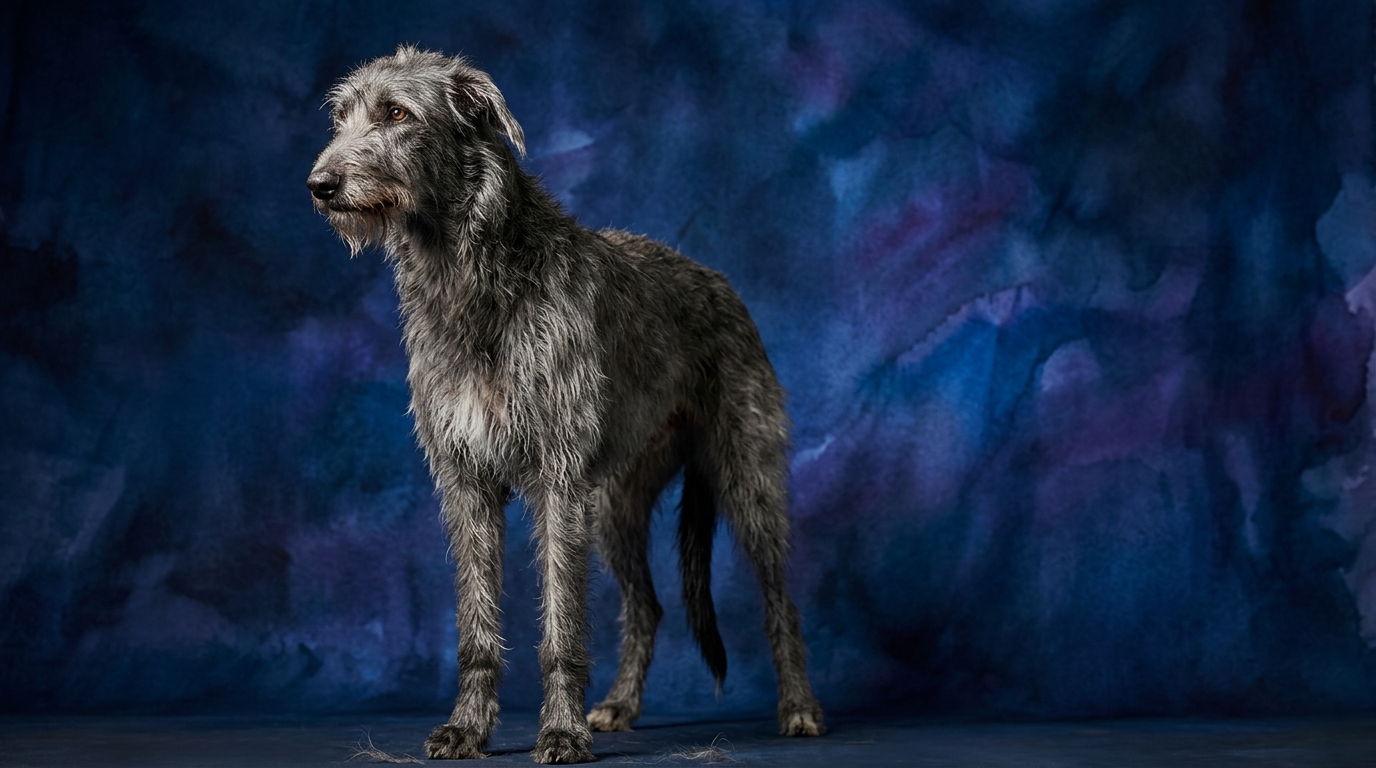
In contrast, the Scottish Deerhound, a Hound breed, exhibits a distinctly different cognitive makeup and is not included in Coren's rankings, which primarily focus on obedience and working intelligence. Its scores are consistently 3/5 across all categories: Problem Solving, Training Speed, Social Intelligence, Instinctive Drive, and Memory. These scores don't imply a lack of mental capacity but rather a different prioritization of cognitive functions, often geared towards independent action and less towards human-directed tasks, reflecting its heritage as a sight hound.
Where the Belgian Malinois Excels Cognitively
The Belgian Malinois demonstrates unparalleled cognitive prowess in areas demanding rapid assimilation of information and proactive engagement. Its 5/5 Problem Solving score means it doesn't just react to situations; it actively seeks solutions, often anticipating outcomes and adjusting its approach. Coupled with a 5/5 Training Speed, this breed absorbs new commands and complex sequences with remarkable quickness, making it an exceptional candidate for advanced obedience, protection work, and intricate task learning. Their cognitive framework is built for efficiency and precision, allowing them to excel in dynamic, structured environments.
Furthermore, the Malinois's 5/5 Instinctive Drive fuels its cognitive efforts, providing an intense internal motivation to perform and achieve. This drive, combined with a 5/5 Memory, means that once a task or command is learned, it is deeply ingrained and reliably recalled. They remember intricate patterns, long sequences of commands, and specific environmental cues with clarity, making them consistently dependable in demanding roles. Their 4/5 Social Intelligence allows them to interpret handler expectations with nuance, forming a tight, responsive working partnership.
Where the Scottish Deerhound Shines Cognitively
While the Scottish Deerhound's scores of 3/5 across the board might seem modest compared to the Malinois, they represent a different kind of cognitive strength, perfectly suited to its original purpose. Its 3/5 Problem Solving isn't about rapid, human-directed solutions but rather independent judgment in field conditions. A Deerhound might take longer to process a novel puzzle, but its approach is often considered and self-reliant, reflecting a breed that historically made decisions far from direct human guidance, like tracking game through varied terrain.
The Deerhound's 3/5 Instinctive Drive, while not as constant or intense as a Malinois's, is acutely focused on its sighthound heritage – the thrill of the chase. This drive is not about seeking constant human direction but about engaging with its environment in bursts of focused activity. Its 3/5 Social Intelligence manifests as a dignified, often reserved demeanor, interacting politely but without the Malinois's intense desire for constant engagement. Similarly, its 3/5 Memory is entirely sufficient for recalling familiar routines, secure running paths, and the general layout of its home territory, without the need for perfect recall of complex, multi-step commands.
Training Dynamics: A Tale of Two Approaches
Training a Belgian Malinois is an experience defined by intensity and responsiveness. Their 5/5 Training Speed means they pick up commands almost immediately, often anticipating the next step. Their 5/5 Instinctive Drive translates into a profound eagerness to work and a desire to please, making them highly receptive to consistent, positive reinforcement-based training methods. They thrive on structure, clear expectations, and challenging tasks, quickly mastering complex sequences and demonstrating remarkable precision in execution. A Malinois left without adequate mental stimulation will often invent its own 'work,' which can manifest as destructive or undesirable behaviors, highlighting the need for proactive engagement.
Conversely, training a Scottish Deerhound requires a different set of expectations and a patient, understanding approach. Their 3/5 Training Speed means commands are absorbed at a more leisurely pace, requiring repetition and consistency over longer periods. Their 3/5 Instinctive Drive is less about constant human-directed activity and more about self-initiated bursts of energy, often for chasing. They respond best to gentle, positive reinforcement, and attempts at harsh correction are likely to result in withdrawal or a refusal to engage. Deerhounds can appear 'stubborn' not because they lack capacity, but because their independent nature means they may not always see the immediate value in a human-imposed task, preferring to follow their own inclinations. Their training is more about building a respectful partnership than imposing strict obedience.
Matching Minds to Lifestyles: Active vs. Relaxed Owners
For owners with an active, structured lifestyle, the Belgian Malinois is an ideal match. Their relentless energy, 5/5 Instinctive Drive, and profound need for mental engagement demand an owner committed to providing daily, rigorous physical exercise and consistent, advanced training. These dogs excel with owners who enjoy competitive dog sports, protection work, or have a job for their canine companion to do. They require an environment where their cognitive abilities are constantly challenged, whether through agility courses, scent work, or complex obedience routines, ensuring their sharp minds remain constructively occupied.
The Scottish Deerhound, on the other hand, suits owners who appreciate a more relaxed, dignified companion, with specific needs for exercise. While they require ample space for occasional bursts of full-speed running in a secure area, their general demeanor indoors is calm and serene. Owners who enjoy long, quiet walks and then appreciate a large, gentle presence lounging by their side will find a Deerhound rewarding. Their 3/5 Instinctive Drive does not translate into a constant demand for human-directed activity, making them a good fit for individuals or families who prefer a less 'on-demand' canine companion and can provide a peaceful home environment.
The Verdict: When to Choose Each
The Verdict
Choose the Belgian Malinois if you are an experienced, dedicated owner seeking a driven, highly trainable partner for advanced activities like protection work, agility, or competitive obedience, thriving on constant engagement and mental challenges.
Opt for the Scottish Deerhound if you appreciate a calm, dignified, and independent companion, willing to invest patience in training and providing ample space for their bursts of energy, then enjoying their serene presence.
🧠 Find Your Pet's IQ Score
Our Pet IQ Lab assessment covers 25+ tests across 5 cognitive dimensions — personalized to your breed.
Take the Full IQ Test →Frequently Asked Questions
Are Belgian Malinois good family dogs?
With consistent training and extensive socialization, Belgian Malinois can be loyal family members, but their intensity and high energy require careful management, especially around young children, to ensure a harmonious household.
Do Scottish Deerhounds require a lot of exercise?
Scottish Deerhounds need regular opportunities for full-speed running in a securely fenced area to satisfy their sighthound instincts, but outside these bursts, they are generally calm and enjoy relaxing indoors, making them less demanding than some other large breeds.
How do their Coren ranks compare?
The Belgian Malinois is ranked 22nd in Coren's list, indicating a strong capacity for obedience and working intelligence, while the Scottish Deerhound is not on Coren's list, reflecting its more independent, less human-directed cognitive style, which prioritizes self-reliance over immediate obedience.