Side-by-Side Cognitive Profiles
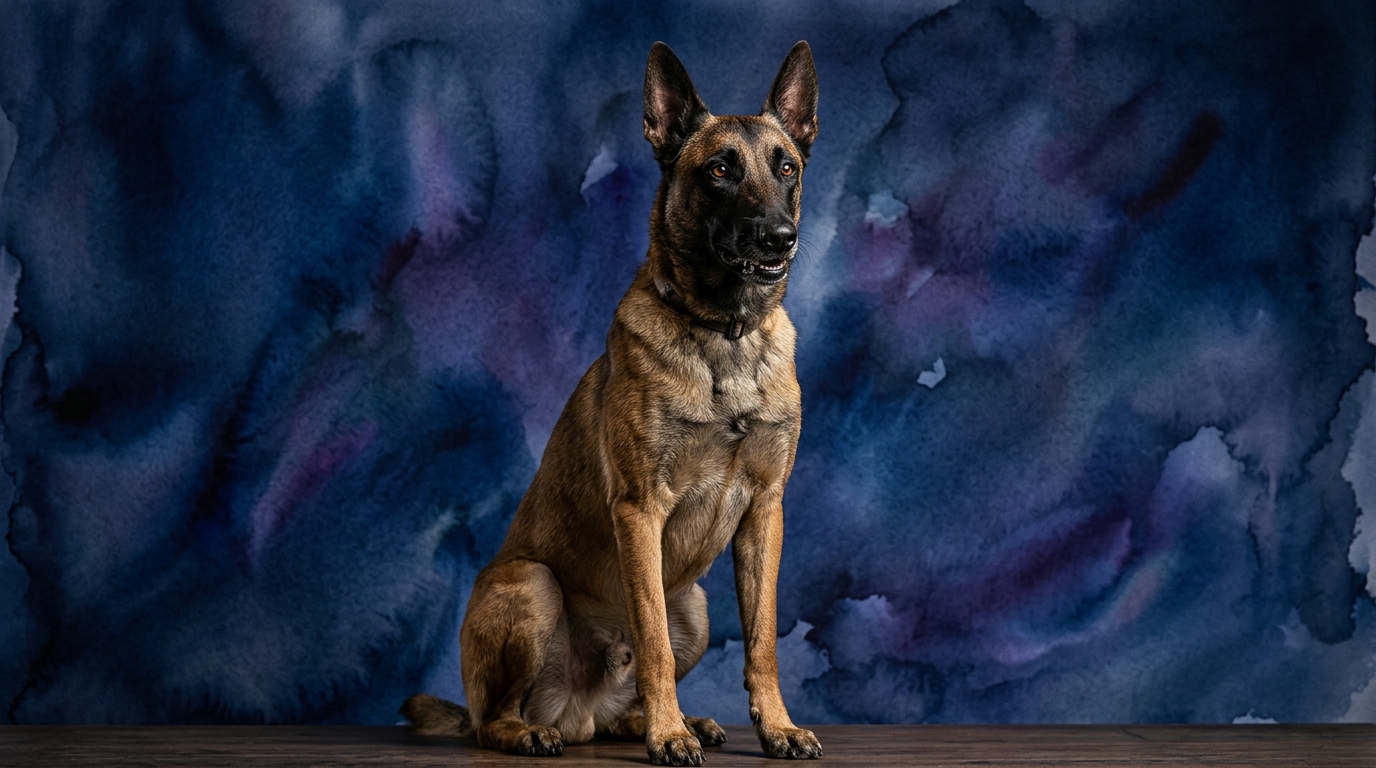
The Belgian Malinois, a Herding Group canine, stands at Coren rank #22, indicating a remarkable capacity for understanding and executing commands. Our Cosmic Pet IQ Lab scores reveal its Problem Solving at 5/5, reflecting an exceptional ability to analyze situations and devise effective solutions, often under pressure. Its Training Speed is also 5/5, meaning new commands are grasped and retained with minimal repetition. Social Intelligence, at 4/5, points to a strong awareness of human cues and pack dynamics, though sometimes tempered by intense focus on tasks. An Instinctive Drive of 5/5 underscores its profound motivation for work and purpose, while Memory at 5/5 ensures long-term retention of learned behaviors and complex sequences.
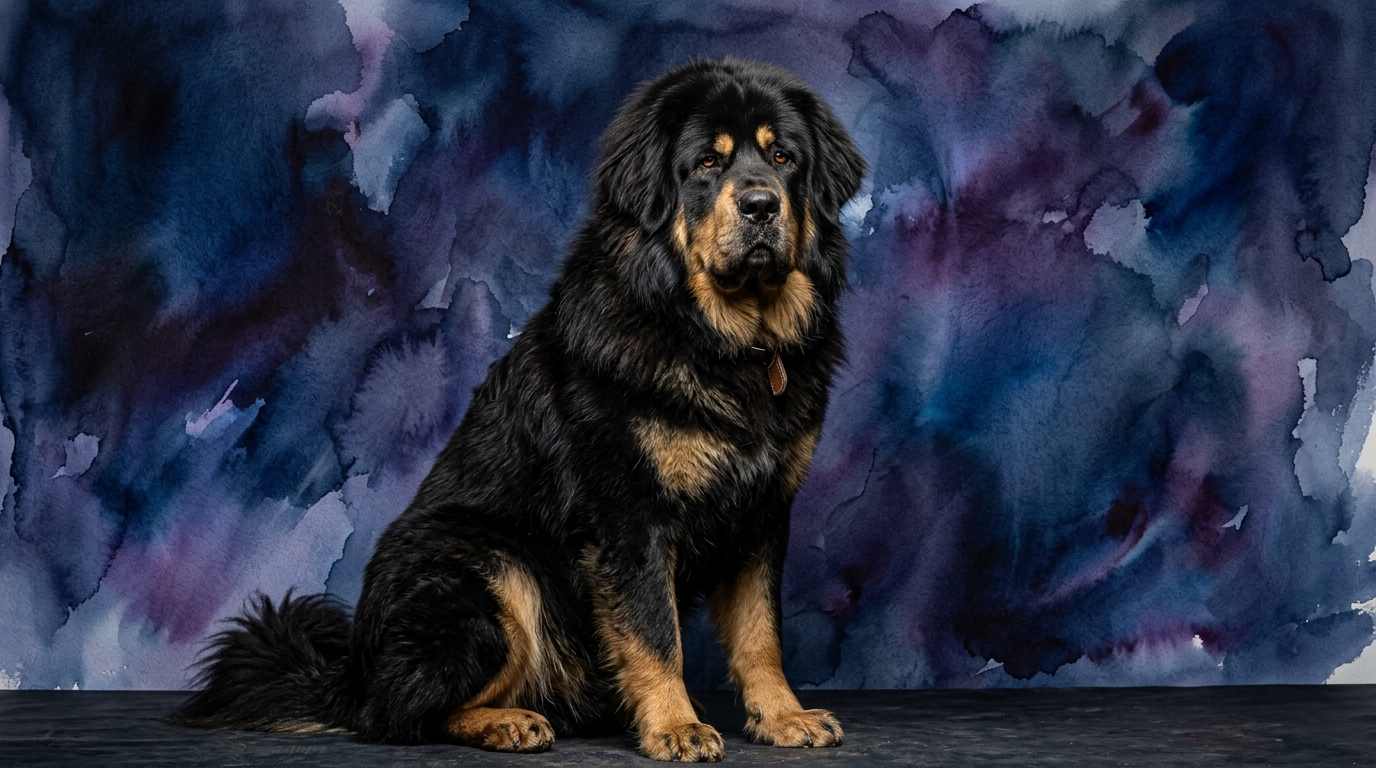
In contrast, the Tibetan Mastiff, a member of the Working Group, is not listed on Coren's rankings, which often reflects breeds with a more independent, less handler-dependent cognitive style. Our IQ Lab assessment places its Problem Solving at 3/5, suggesting a practical, situation-specific approach rather than generalized abstract problem-solving. Training Speed is 3/5, indicating that learning new tasks requires more patience and repetition, as these dogs often weigh commands against their own judgment. Social Intelligence is 3/5, meaning they are observant but not always eager to engage in complex social interplay, preferring a more reserved demeanor. Their Instinctive Drive, at 3/5, is primarily focused on guarding and territorial protection, rather than active cooperation, and Memory at 3/5 supports their ability to recall important boundaries and routines, though perhaps less detail-oriented than the Malinois.
Where the Belgian Malinois Excels Cognitively
The Belgian Malinois demonstrably excels in areas demanding rapid cognitive processing and intricate learning. Its 5/5 Problem Solving manifests in an unparalleled ability to adapt to novel situations, quickly assessing variables and implementing learned strategies, whether tracking a scent through varied terrain or navigating an agility course with precision. This breed's 5/5 Training Speed means it not only learns a vast vocabulary of commands swiftly but also understands the nuanced context of their application, allowing for complex, multi-stage tasks. Their exceptional Memory (5/5) allows them to retain extensive command sequences and previous experiences, building upon past successes to master new challenges, making them adept at advanced obedience, detection work, and protection roles that require precise recall and execution under pressure.
Where the Tibetan Mastiff Excels Cognitively
While the Tibetan Mastiff's cognitive strengths differ, they are no less significant, particularly in their specialized role as a guardian. Their 3/5 Problem Solving, though not about complex obedience, shines in their ability to independently assess threats within their territory, discerning between harmless visitors and genuine intruders without constant human direction. This involves a nuanced understanding of environmental cues and established routines. Their Social Intelligence, also 3/5, manifests as a profound discernment for strangers versus family, offering a reserved yet protective presence. They possess an instinctive drive (3/5) for territorial vigilance, which is a highly focused cognitive function involving constant environmental monitoring and a strong memory (3/5) for who belongs where and when, creating a highly effective, self-sufficient security system.
Training Dynamics: Ease and Approach
The training experience between these two breeds presents a stark contrast due to their inherent cognitive profiles. The Belgian Malinois, with its 5/5 Training Speed and 5/5 Instinctive Drive, is profoundly eager to engage and learn, viewing training as a collaborative activity and a core aspect of its existence. They thrive on clear structure, consistent repetition, and the opportunity to work alongside their handler, absorbing new commands and complex behaviors with remarkable alacrity. Their high Social Intelligence (4/5) further facilitates this, as they are attuned to human body language and vocal cues, often anticipating the next instruction.
In contrast, the Tibetan Mastiff's 3/5 Training Speed and 3/5 Instinctive Drive mean that training requires immense patience and a different approach. They are independent thinkers, often weighing the utility of a command against their own judgment or innate guarding instincts. They may comply, but often at their own pace and only if they perceive the command as logical or beneficial. Their social intelligence is less about eager cooperation and more about discerning interaction, meaning they respond best to calm, confident leadership that respects their self-assured nature, rather than forceful demands. Training a Malinois feels like teaching a keen student; training a Mastiff feels like negotiating with a wise, self-possessed elder.
Matching Canine Cognition to Owner Lifestyles
The choice between these breeds heavily depends on an owner's lifestyle and capacity for engagement. The Belgian Malinois is undeniably suited for active owners who can match its relentless physical and mental energy. Its 5/5 Instinctive Drive and 5/5 Problem Solving capabilities mean it requires constant mental stimulation and a clear 'job' to perform, whether that's advanced obedience, protection sports, agility, or scent work. An owner who enjoys daily intense exercise, structured training sessions, and integrating their dog into a demanding, purpose-driven routine will find the Malinois an unparalleled partner. For a relaxed owner seeking a low-maintenance companion, the Malinois would be a mismatch, likely developing undesirable behaviors from under-stimulation and boredom.
The Tibetan Mastiff, conversely, aligns well with more relaxed owners who appreciate a calm, observant, and independent presence. While they require consistent socialization and adequate space, their cognitive makeup (3/5 Instinctive Drive, 3/5 Social Intelligence) doesn't demand constant interactive play or complex training. They are content to patrol their territory, observe their surroundings, and offer a quiet, steadfast companionship, making them suitable for owners who value a discerning guardian and a less 'needy' canine presence, provided their foundational needs for space and security are met.
The Verdict
Choose the Belgian Malinois if you seek an intensely engaged, highly trainable partner for demanding sports, protection work, or a dynamic lifestyle that can fulfill its profound drive for purpose and collaboration.
Choose the Tibetan Mastiff if you desire an independent, discerning guardian with a calm, watchful presence, appreciating a dog that thinks for itself and offers steadfast, self-reliant companionship.
🧠 Find Your Pet's IQ Score
Our Pet IQ Lab assessment covers 25+ tests across 5 cognitive dimensions — personalized to your breed.
Take the Full IQ Test →Frequently Asked Questions
Does the Tibetan Mastiff's lower IQ score mean it's not smart?
Not at all. The IQ scores reflect a difference in cognitive style and priorities, not a lack of intelligence. The Tibetan Mastiff's intelligence is geared towards independent problem-solving for guarding and territorial awareness, which requires a specific set of cognitive skills distinct from the handler-oriented intelligence of a Malinois.
Which breed is better for a first-time dog owner?
Neither breed is typically recommended for first-time owners due to their unique cognitive and behavioral demands. However, if forced to choose, the Malinois's intensity and need for constant engagement can be overwhelming, while the Mastiff's independence and guarding instincts require an owner experienced in confident leadership and managing a self-assured giant breed.
How does the 'Instinctive Drive' score impact daily life with each breed?
The Malinois's 5/5 Instinctive Drive means it has an innate, powerful urge to work, chase, and engage, requiring daily outlets for this energy through structured activities and training. The Mastiff's 3/5 Instinctive Drive is focused more on territorial surveillance and protection, meaning they are less driven by active play or handler-directed tasks, preferring to observe and patrol their domain, which translates to a more reserved but vigilant presence.