Side-by-Side IQ Profile
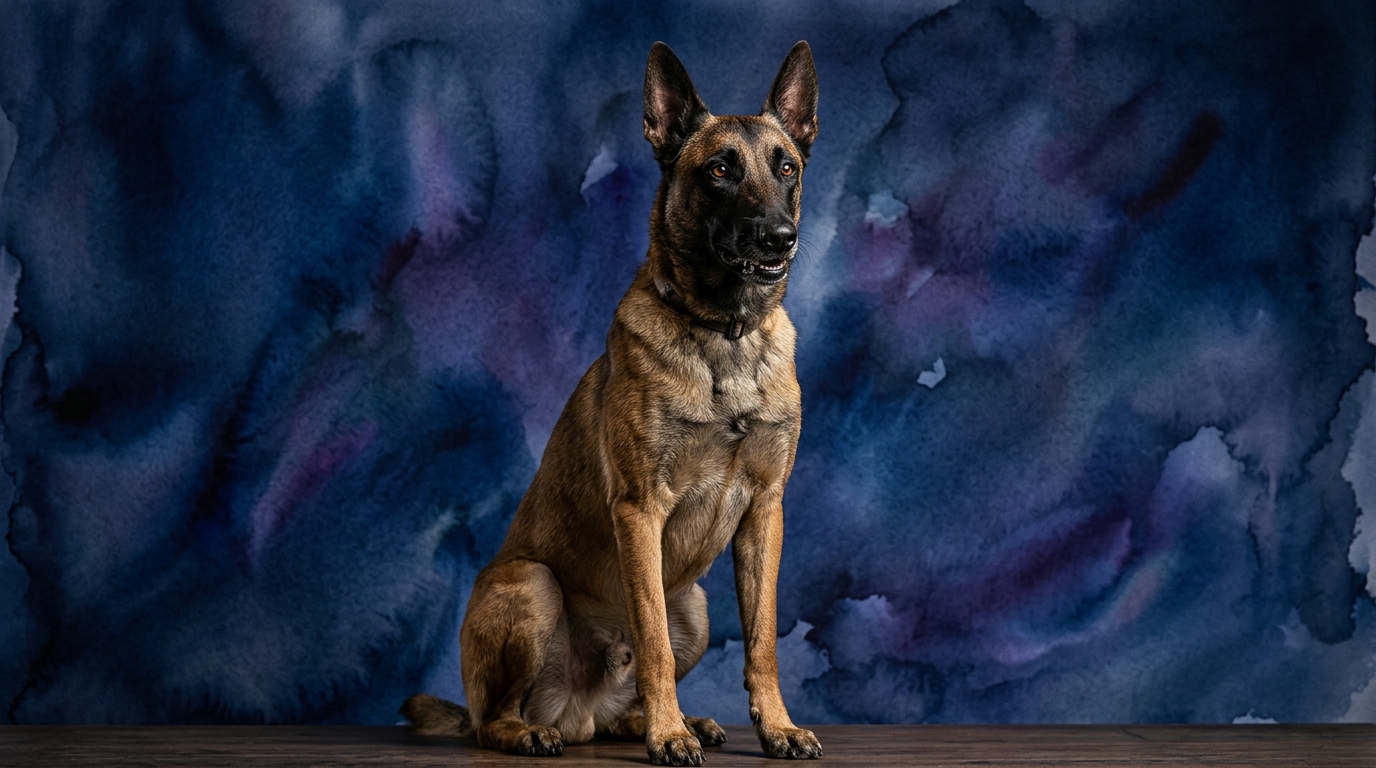
The Cosmic Pet Pet IQ Lab's data provides a clear framework for understanding the cognitive strengths of each breed. For the Belgian Malinois, a Herding group dog ranked #22 by Coren, its IQ profile is marked by exceptional scores across the board. Problem Solving stands at 5/5, indicating an outstanding capacity to dissect complex scenarios and devise effective solutions, whether tracking a scent or executing intricate obedience sequences. Training Speed also registers 5/5, reflecting their rapid assimilation of new commands and routines, often requiring fewer repetitions than many other breeds. Social Intelligence, at 4/5, points to a strong ability to interpret human cues and intentions, crucial for their collaborative working roles. Instinctive Drive is a perfect 5/5, highlighting an inherent, powerful urge to perform tasks, pursue goals, and engage with their environment with intense focus. Finally, Memory, also 5/5, allows them to retain vast amounts of information, from complex command chains to specific environmental details, over long periods.
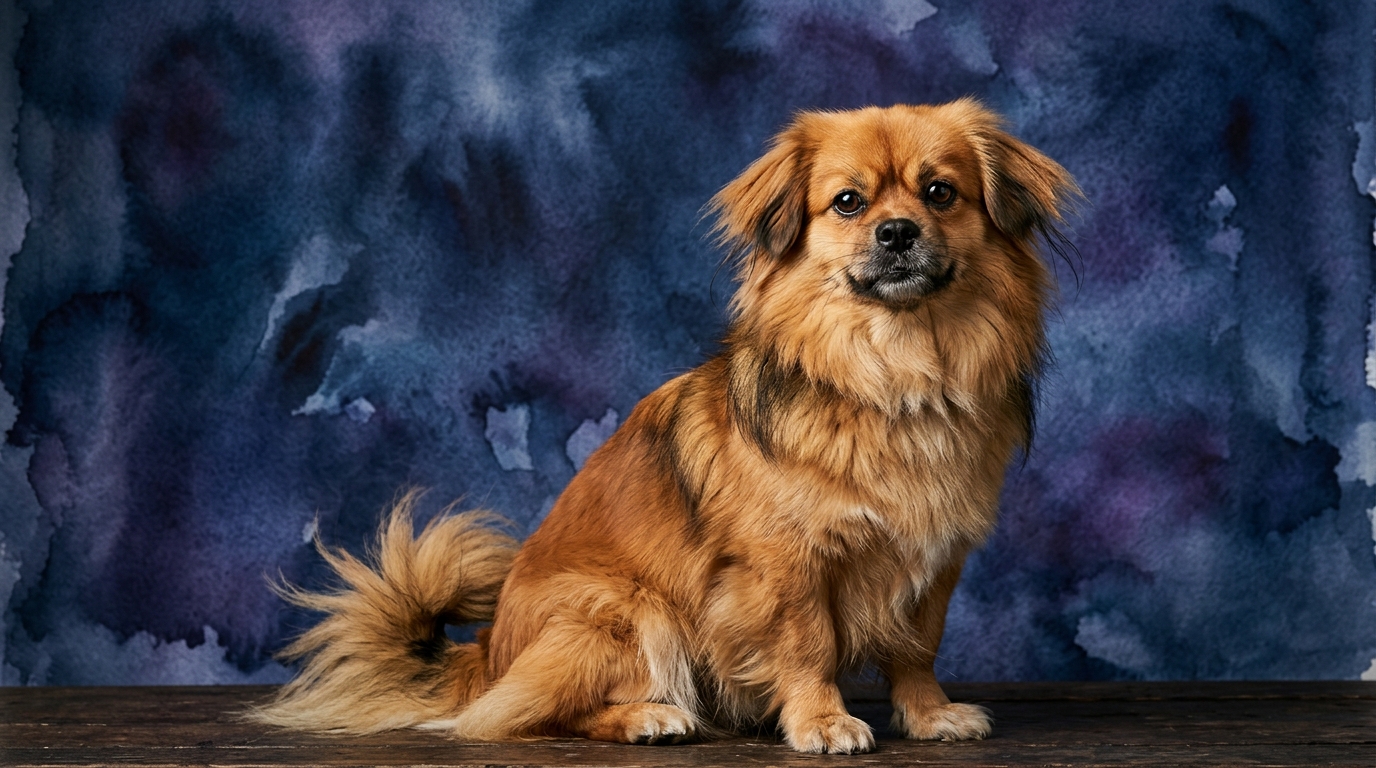
In contrast, the Tibetan Spaniel, a Non-Sporting breed without a specific Coren ranking, presents a more moderate, yet equally fitting, cognitive profile for its companion role. Their Problem Solving is rated 3/5, suggesting a practical ability to navigate everyday challenges and figure out how to achieve desired outcomes, such as opening a cabinet or getting attention, without the need for highly abstract thought. Training Speed also sits at 3/5, meaning they are capable of learning basic commands and routines at a reasonable pace, though they may require more patience and positive reinforcement compared to breeds bred for intensive work. Social Intelligence, at 3/5, indicates a solid understanding of family dynamics and human emotional states, allowing them to be affectionate and responsive companions without being overly demanding. Their Instinctive Drive is 3/5, reflecting a moderate motivation for play and exploration, but without the intense, persistent drive seen in working breeds. Memory, rated 3/5, allows them to recall routines and familiar faces reliably, contributing to their steady companionship.
Where Belgian Malinois Wins Cognitively
The Belgian Malinois demonstrably excels in areas demanding sustained mental rigor and precision. Their 5/5 Problem Solving score translates into an unparalleled ability to analyze and execute multi-step tasks, such as navigating an agility course with precision or performing search and rescue operations that require intricate decision-making under pressure. This is not merely about following commands, but about understanding the overall objective and adapting their approach. Their 5/5 Training Speed means they absorb complex command sequences at a pace few other breeds can match, making them ideal for specialized roles where rapid learning of extensive repertoires is critical. The Malinois's perfect 5/5 Instinctive Drive fuels their relentless pursuit of tasks, providing the internal motivation to overcome obstacles and maintain focus on a goal, whether it's herding livestock or detecting specific scents. Coupled with a 5/5 Memory, they can recall vast libraries of learned behaviors and environmental cues, ensuring consistency and reliability in demanding situations, far beyond what a companion breed typically requires.
Where Tibetan Spaniel Wins Cognitively
While the Belgian Malinois's cognitive strengths lie in task execution, the Tibetan Spaniel's cognitive advantages are rooted in adaptability for domestic life and self-sufficiency. Their 3/5 Social Intelligence, while not as high as a Malinois, often manifests as a discerning and appropriate interaction style; they are affectionate without being overly clingy, observing family dynamics rather than needing to participate in every activity. This balance means they can be content with their own company for periods, a valuable trait for owners who aren't constantly engaging them in complex tasks. Their moderate 3/5 Instinctive Drive means they possess enough curiosity and playfulness to be engaging companions, but without the intense, persistent drive that can become destructive if not channeled daily into demanding work. This lower drive can be a cognitive "win" for owners seeking a dog less predisposed to create its own intense activities when under-stimulated, making for a more relaxed home environment. Their Problem Solving, rated 3/5, is geared towards navigating a human household effectively, figuring out comfortable spots or subtle ways to request attention, rather than solving intricate puzzles, a practical intelligence for domestic harmony.
Which is Easier to Train and Why
Assessing ease of training between these two breeds requires understanding their inherent motivations and cognitive styles. The Belgian Malinois, with its 5/5 Training Speed and 5/5 Instinctive Drive, learns new commands with astonishing rapidity and an eager willingness to perform. They thrive on clear direction, consistency, and the challenge of mastering complex tasks. However, this ease of *learning* new commands does not equate to being *easy* for an inexperienced owner; their intense drive means that any inconsistency or lack of appropriate mental and physical stimulation can quickly lead to undesirable behaviors. Training a Malinois demands an owner who is equally driven, knowledgeable in positive reinforcement, and capable of channeling their powerful work ethic into productive outlets. In contrast, the Tibetan Spaniel, with 3/5 ratings for Training Speed and Instinctive Drive, learns at a more moderate pace. They are not as inherently driven to please or to work as the Malinois, often displaying an independent streak. This means training requires greater patience, creative motivation, and a focus on making learning fun and rewarding. While they may take longer to grasp a concept, their lower drive makes them less likely to become destructive or overly anxious if training isn't perfectly executed or if they miss a session. They are "easier" in the sense that their less intense nature is more forgiving of owner imperfections, but "harder" if an owner expects instant mastery or high-level obedience without consistent, gentle effort.
Which Suits Active Owners vs Relaxed Owners
The choice between these breeds profoundly depends on an owner's lifestyle and energy levels. The Belgian Malinois is unequivocally suited for highly active owners who seek a canine partner for demanding pursuits. Their 5/5 Instinctive Drive and 5/5 Problem Solving mean they require extensive daily physical exercise, alongside rigorous mental engagement through training, dog sports, or a working role. Owners must be prepared to dedicate significant time to their Malinois's development, providing structure, challenges, and an outlet for their abundant energy and sharp intellect. This breed thrives in environments where they have a "job" to do, making them ideal for individuals involved in K9 work, advanced obedience, agility, or competitive protection sports. Conversely, the Tibetan Spaniel is a superb match for more relaxed owners. Their moderate 3/5 Instinctive Drive and 3/5 Problem Solving mean they enjoy regular walks, playtime, and mental stimulation through puzzle toys or short training sessions, but they do not demand the relentless activity or complex tasks of a Malinois. They are content to be cherished companions, happy to cuddle on the sofa after a pleasant stroll, and their social intelligence allows them to adapt well to a quieter household rhythm. They appreciate companionship without requiring constant, high-intensity interaction.
The Verdict
Choose a Belgian Malinois if you are an experienced, highly active individual seeking a dedicated working partner eager for complex tasks, intense training, and sustained mental engagement. This breed thrives with an owner who can consistently channel their exceptional drive and cognitive abilities into productive activities.
Opt for a Tibetan Spaniel if you desire a charming, moderately active companion who values affectionate company and possesses an independent spirit, fitting seamlessly into a relaxed home environment. They are an excellent choice for owners who appreciate a dog that is self-sufficient yet responsive to gentle guidance.
🧠 Find Your Pet's IQ Score
Our Pet IQ Lab assessment covers 25+ tests across 5 cognitive dimensions — personalized to your breed.
Take the Full IQ Test →Frequently Asked Questions
Is a Belgian Malinois suitable for a first-time dog owner?
Generally, a Belgian Malinois is not recommended for first-time dog owners due to their intense drive, high energy, and demand for consistent, experienced training and socialization. Their cognitive prowess requires an owner who understands how to channel their abilities effectively from puppyhood.
How much exercise does a Tibetan Spaniel need daily?
A Tibetan Spaniel typically needs about 30-60 minutes of moderate exercise daily, which can include walks, playtime in a secure yard, or short games indoors. While they enjoy activity, they don't require the intense, prolonged physical exertion of working breeds.
Can a Tibetan Spaniel participate in dog sports like agility?
Yes, a Tibetan Spaniel can certainly participate in dog sports like agility, though they may not reach the same competitive speeds or precision as breeds with higher training speeds and drives. They often enjoy the mental and physical stimulation, and it's an excellent way to bond and provide enrichment.