Side-by-Side IQ Profiles: Groenendael vs. Greater Swiss
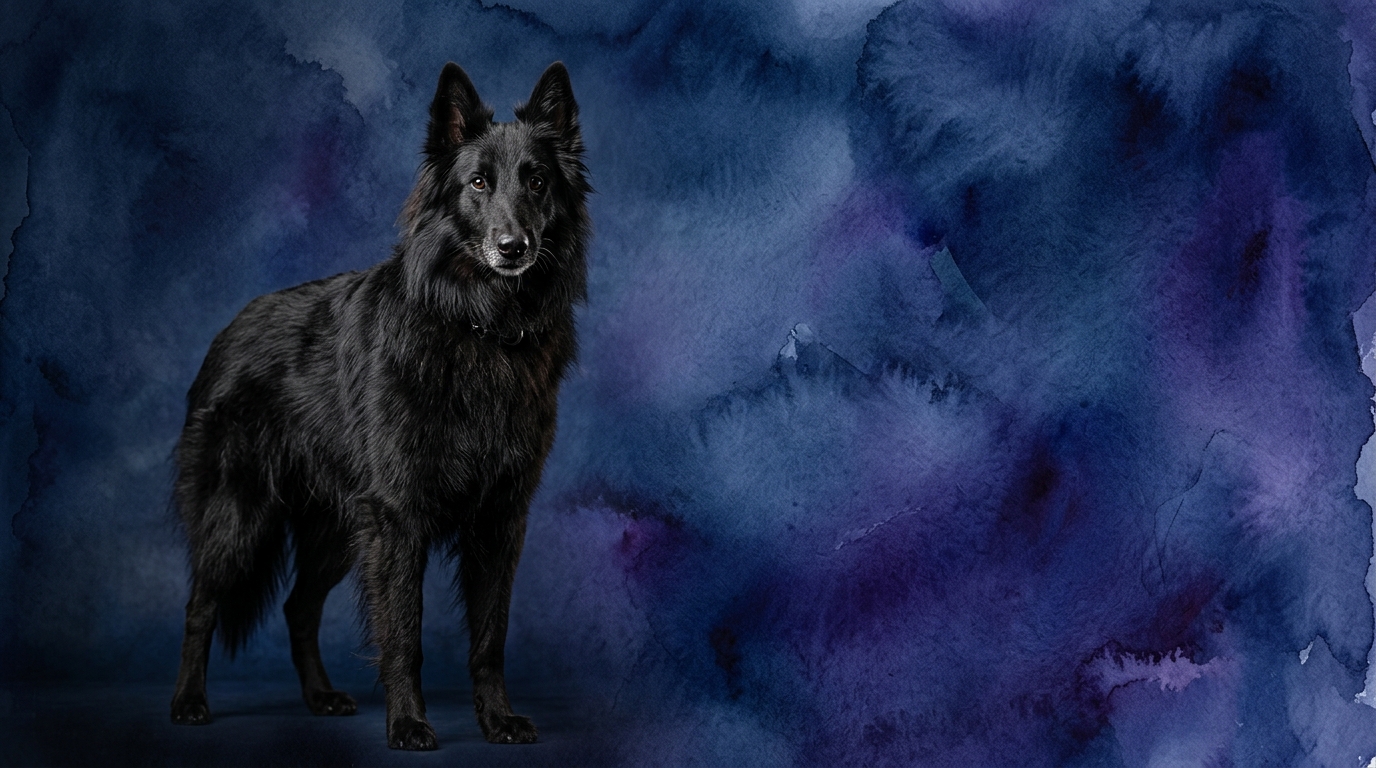
The Cosmic Pet Pet IQ Lab employs a five-dimensional framework to evaluate canine cognition, providing a nuanced understanding beyond simple ranking. For the Belgian Sheepdog (Groenendael), a breed often found near the top of traditional intelligence lists (Coren rank #15), its profile is marked by exceptional mental agility. Its Problem Solving score of 5/5 indicates a profound capacity to analyze novel situations and devise effective solutions, often with minimal human intervention. Coupled with a Training Speed of 5/5, this breed absorbs new commands and routines with remarkable rapidity, requiring fewer repetitions than most. Memory, also rated at 5/5, means learned behaviors and associations are retained over long periods, making advanced training highly cumulative. Its Social Intelligence, at 3/5, suggests a balanced ability to interpret human cues and social dynamics without being overly people-dependent, while an Instinctive Drive of 3/5 points to inherent working instincts that are present but manageable, not overwhelming.
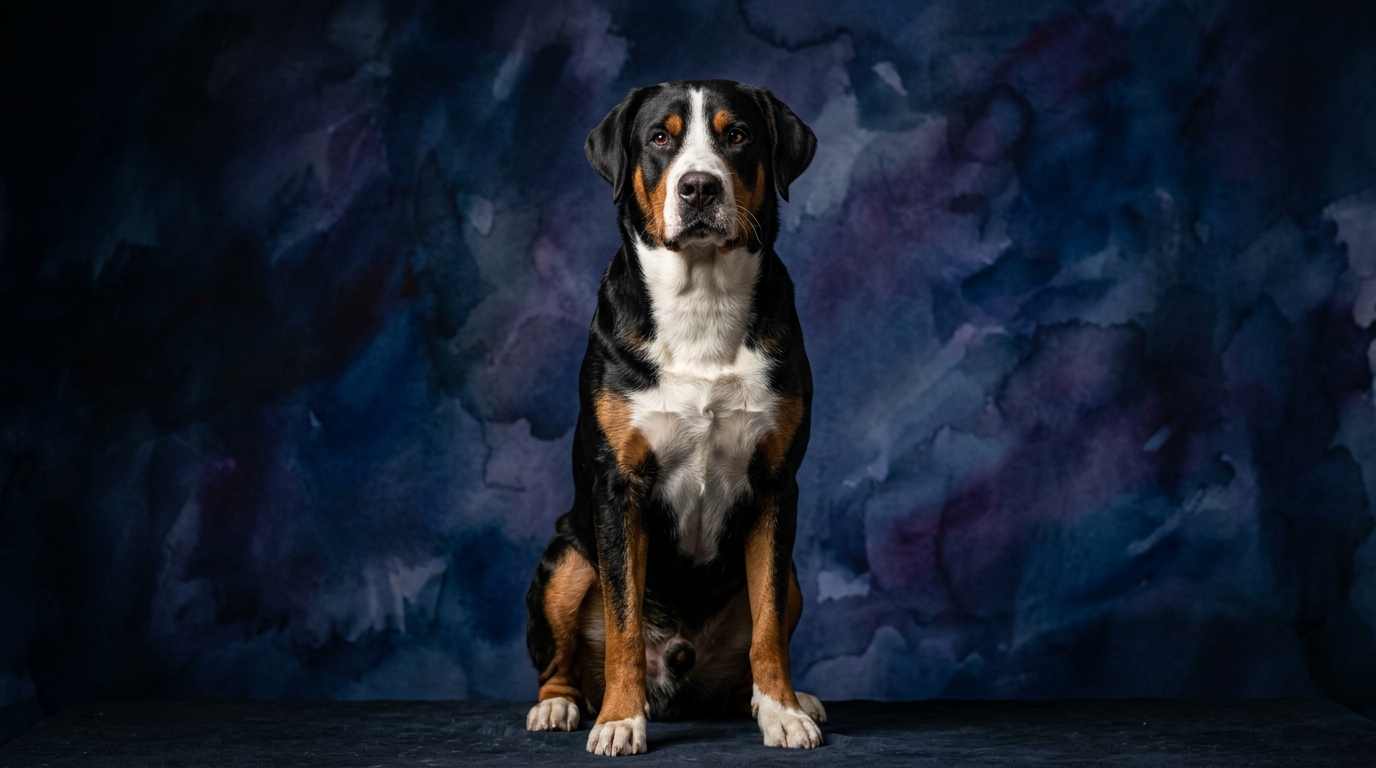
In contrast, the Greater Swiss Mountain Dog, unranked by Coren, presents a profile of consistent, deliberate capability. Across all five dimensions – Problem Solving, Training Speed, Social Intelligence, Instinctive Drive, and Memory – this breed scores a steady 3/5. This does not signify a lack of ability, but rather a more methodical and stable approach to cognitive tasks. A Problem Solving score of 3/5 means they can navigate challenges, though perhaps not with the lightning-fast innovation of a Groenendael. Their Training Speed of 3/5 implies they learn effectively, but benefit from patient, consistent instruction and more repetitions to solidify new commands. Similarly, a Memory score of 3/5 ensures they retain what they learn, but perhaps not with the extensive detail or immediate recall of their Groenendael counterpart. Their Social Intelligence at 3/5 suggests they are capable of forming strong bonds and understanding social cues, while an Instinctive Drive of 3/5 reflects their historical working roles without an overly intense or singular focus, prioritizing dependability and a calm presence.
Where the Belgian Sheepdog (Groenendael) Excels Cognitively
The Groenendael's standout cognitive strengths lie in its triumvirate of top scores: Problem Solving (5/5), Training Speed (5/5), and Memory (5/5). This combination makes them exceptionally adept at complex, multi-stage tasks. For instance, a Groenendael can quickly learn an intricate agility course, remembering the precise sequence of obstacles and executing them flawlessly after only a few practice runs. Their capacity for problem-solving means they often anticipate owner intentions or figure out how to manipulate their environment to achieve a goal, such as opening a gate or finding a hidden treat. This isn't just about following commands; it's about understanding the underlying logic of a task. Their rapid training speed allows them to master advanced obedience routines, protection work, or intricate herding patterns where precision and quick reactions are paramount. The enduring memory ensures that once a skill is learned, it's rarely forgotten, allowing for continuous progression in training without constant review of basics. This breed thrives on mental challenges, readily absorbing new information and applying past learning to novel situations, making them excellent candidates for competitive dog sports or demanding roles requiring adaptability and quick thinking.
Where the Greater Swiss Mountain Dog Excels Cognitively
While the Greater Swiss Mountain Dog's cognitive profile is characterized by consistent moderation (3/5 across the board), their strengths lie in their steadfastness and balanced nature, which can be a cognitive advantage in specific contexts. Their moderate Problem Solving score means they are not prone to overthinking or becoming overly anxious in new situations; they approach challenges with a calm, deliberate assessment rather than frantic innovation. This translates into a reliable, predictable demeanor. Their 3/5 Social Intelligence, combined with their working heritage, suggests an innate understanding of their role within a family unit, making them stable companions who can interpret household routines and emotional states without being overly sensitive or demanding. The 3/5 Instinctive Drive is particularly beneficial for owners who appreciate a working breed's capabilities without the intense, sometimes overwhelming, drives of certain herding or hunting breeds. This allows them to be versatile without specializing in a single, high-intensity activity. Their cognitive profile supports a balanced temperament, making them less likely to invent their own 'problems' out of boredom or excessive mental energy, preferring a settled routine and the comfort of companionship over constant mental puzzles. This consistent, even-keeled cognitive approach makes them dependable and reassuring companions, excelling in roles where calm strength and reliability are more valued than lightning-fast intellectual output.
Ease of Training: Groenendael vs. Greater Swiss
When considering ease of training, the Belgian Sheepdog (Groenendael) generally presents a quicker learning curve due to its 5/5 Training Speed and 5/5 Memory. They assimilate new commands and concepts with remarkable efficiency, often grasping an exercise after only a few repetitions. This makes them highly rewarding for owners who enjoy advanced training, competitive obedience, or dog sports, as they can progress rapidly through skill levels. However, this cognitive agility comes with a caveat: their high Problem Solving ability means they require consistent mental engagement. If under-stimulated, a Groenendael might apply its problem-solving skills to undesirable behaviors, such as figuring out how to open cabinets or escape enclosures. Their moderate Social Intelligence means they are capable of cooperation but might not possess the intense 'eagerness to please' seen in some breeds, requiring an owner who can provide clear, consistent leadership and engaging training methods to harness their mental capacity.
The Greater Swiss Mountain Dog, with its 3/5 Training Speed and 3/5 Memory, requires a more patient and consistent approach to training. They are not slow learners, but rather deliberate ones, benefiting from more repetitions and a clear, positive reinforcement strategy to solidify commands. Owners should be prepared for a longer initial learning phase for new behaviors, but once learned, their moderate memory ensures retention. Their moderate Instinctive Drive means they possess a willingness to work without being overly intense, often preferring comfort and routine. This can manifest as a calm, cooperative attitude in training, but also a tendency towards stubbornness if they don't see the value in a task. Unlike the Groenendael, a Swissy is less likely to become destructive purely out of mental boredom, preferring to relax if not actively engaged, though they still benefit from consistent training and mental stimulation to prevent sluggishness and maintain a good bond with their owner. Their reliability stems from their steady learning rather than rapid absorption.
Suitability for Active vs. Relaxed Owners
For owners with an active lifestyle and a desire for a deeply engaged canine partner, the Belgian Sheepdog (Groenendael) is an ideal match. Their demanding cognitive profile – marked by high Problem Solving, Training Speed, and Memory – means they thrive when given a 'job' and consistent mental challenges. They excel in activities like agility, obedience, protection sports, or even complex trick training, requiring owners who can dedicate significant time to physical exercise and intellectual stimulation. A Groenendael in a relaxed, low-activity home would likely become bored, potentially developing destructive behaviors or anxiety from under-stimulation, as their quick minds are constantly seeking engagement.
Conversely, the Greater Swiss Mountain Dog is better suited for owners who appreciate a more relaxed pace and a steadfast, confident companion. While they still require daily exercise and consistent training, their moderate cognitive demands mean they are less prone to intense mental frustration if not constantly challenged with complex tasks. They are content with a comfortable routine, regular walks, and quality time with their family. Their balanced temperament and consistent cognitive scores make them excellent companions for individuals or families seeking a large, dependable dog that offers calm companionship without the need for constant, high-intensity mental work. They are a good fit for homes that enjoy outdoor activities but aren't necessarily seeking a dog for competitive dog sports.
The Verdict
Choose the Belgian Sheepdog (Groenendael) if you are an experienced, active owner seeking a highly responsive, quick-witted partner for advanced training, dog sports, or a demanding working role, and can commit to extensive mental stimulation. This breed thrives on intellectual challenge and rapid learning.
Choose the Greater Swiss Mountain Dog if you desire a steadfast, reliable companion who learns at a steady, deliberate pace, offers calm companionship, and is less prone to intense mental demands, suitable for a comfortable, routine-oriented lifestyle.
🧠 Find Your Pet's IQ Score
Our Pet IQ Lab assessment covers 25+ tests across 5 cognitive dimensions — personalized to your breed.
Take the Full IQ Test →Frequently Asked Questions
Are Belgian Sheepdogs good for first-time owners?
Due to their high cognitive demands and need for consistent mental engagement, Belgian Sheepdogs can be challenging for first-time owners. They require an owner who understands their need for structured training and ample stimulation to prevent behavioral issues.
Do Greater Swiss Mountain Dogs need a lot of exercise?
Greater Swiss Mountain Dogs require moderate daily exercise to stay healthy and content, such as brisk walks or playtime. While not as intensely demanding as the Groenendael, consistent activity is essential for their physical and mental well-being.
How do their guarding instincts compare?
Both breeds possess guarding instincts, but they manifest differently. The Groenendael's alertness and quick reactions, stemming from its herding background, make it a vigilant sentinel, while the Greater Swiss Mountain Dog's guarding is more rooted in its historical role as a farm guardian, offering a calm, watchful, and imposing presence.