
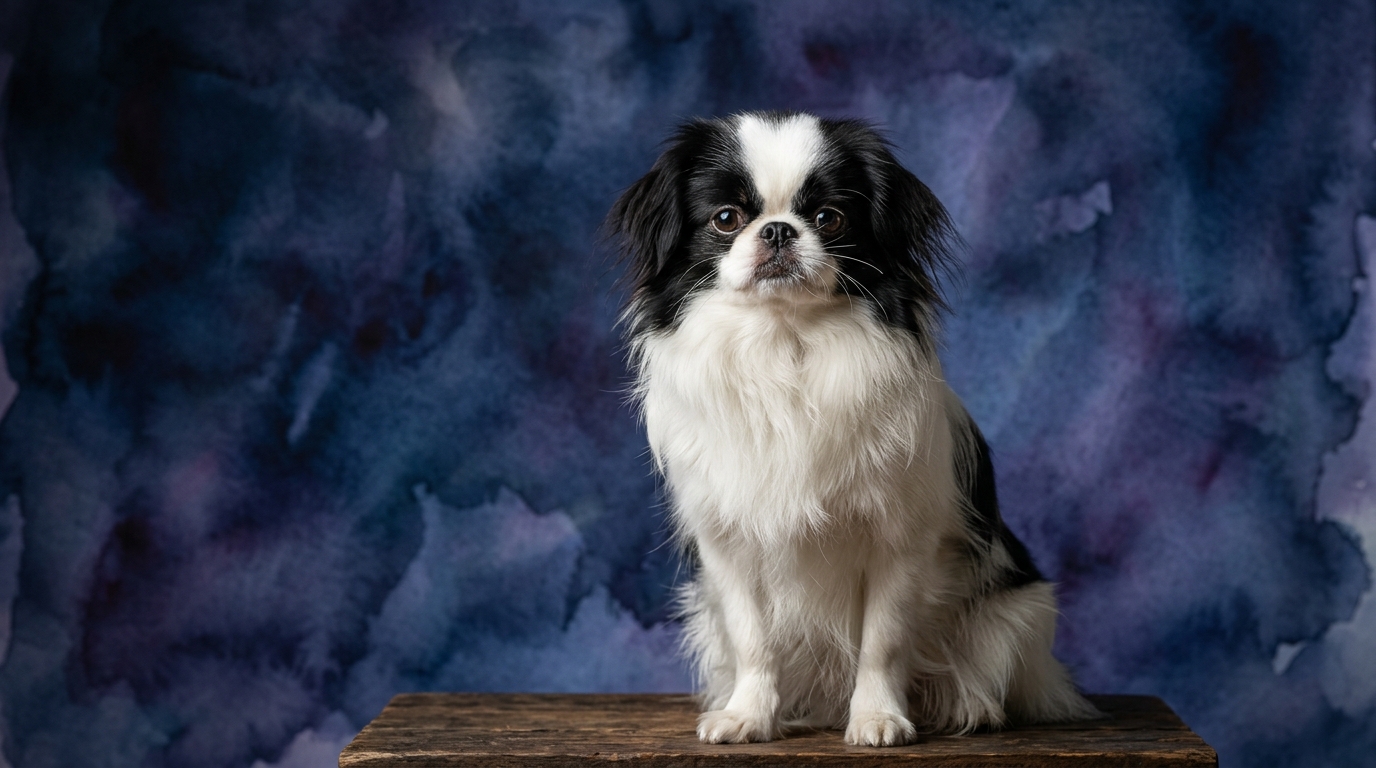
Side-by-Side IQ Profile: Groenendael vs. Japanese Chin
To truly understand the cognitive makeup of these two distinct breeds, we delve into five key dimensions of canine intelligence, as measured by The Cosmic Pet Pet IQ Lab. The Belgian Sheepdog (Groenendael), a Herding group member, consistently demonstrates strengths honed for demanding work, while the Japanese Chin, a Toy breed, exhibits capabilities perfectly suited for its role as a cherished companion.
For the Belgian Sheepdog (Groenendael), problem-solving registers at an impressive 5/5. This reflects their innate capacity to quickly assess and interpret dynamic situations, such as anticipating livestock movements or navigating complex environments. Their training speed is equally exceptional at 5/5, indicating a rapid grasp of new commands and an eagerness to learn intricate routines. Social intelligence for the Groenendael is rated 3/5, suggesting they form deep bonds and understand their primary handler's intentions, though they might not possess the universal gregariousness of some breeds. Their instinctive drive stands at 3/5, channeled purposefully into vigilance, herding, or protection rather than undirected energy. Finally, their memory is outstanding at 5/5, allowing them to retain complex sequences, past experiences, and vast repertoires of learned behaviors over extended periods.
The Japanese Chin presents a different, yet equally valid, cognitive profile. Their problem-solving ability is rated 3/5, meaning they are adept at navigating their immediate domestic world, figuring out how to gain attention, or finding the most comfortable spot, rather than excelling in multi-step, task-oriented challenges. Training speed for the Chin is 3/5; they are certainly trainable, but may require more patient repetition and positive reinforcement compared to a working breed. Social intelligence, also at 3/5, highlights their superb ability to attune to human emotions and needs, making them excellent at providing comfort and companionship. Their instinctive drive, also 3/5, leans towards seeking comfort, exploring their immediate surroundings, and engaging in playful interactions rather than intense work. Memory for the Japanese Chin is rated 3/5, sufficient for remembering routines, familiar faces, and preferred locations, but not designed for the recall of extensive, complex command sets.
Where the Belgian Sheepdog (Groenendael) Excels Cognitively
The Groenendael's cognitive superiority is evident in areas demanding mental agility, quick learning, and robust recall. Their 5/5 in problem-solving means they are exceptional at figuring out novel situations, adapting strategies, and processing information rapidly. This manifests in their ability to excel in advanced obedience, agility, and protection sports, where quick decisions and intricate sequences are paramount. A Groenendael can often anticipate an owner's next command or a sheep's next move, demonstrating foresight rooted in their cognitive processing.
Their 5/5 training speed is a testament to their readiness and capacity to absorb new information efficiently. They don't just learn commands; they understand concepts, allowing them to generalize behaviors and apply them in different contexts. This makes them suitable for roles requiring constant learning, such as search and rescue or therapy work. The perfect 5/5 memory score ensures that once a behavior or lesson is learned, it's deeply ingrained, allowing for consistent performance even after long breaks. This combination of rapid learning, deep understanding, and lasting retention positions the Groenendael as a breed capable of impressive cognitive feats in a working or competitive environment.
Where the Japanese Chin Excels Cognitively
While the Japanese Chin's IQ scores may be lower in some metrics, their cognitive strengths are perfectly aligned with their purpose as a refined companion. Their 3/5 social intelligence, for instance, allows them to be incredibly perceptive regarding human emotions and comfort needs. They excel at subtle communication, using body language and eye contact to convey their desires for affection or attention, and are often described as having an almost empathic understanding of their owners' moods. This isn't about complex task execution, but about nuanced social bonding.
Their problem-solving, though rated 3/5, is highly effective within their domestic sphere. They are masters at navigating the home environment to find the sunniest spot, the softest blanket, or to subtly 'persuade' their owners for a treat or a lap cuddle. This form of cognitive application is less about brute intellectual power and more about charming resourcefulness and strategic comfort-seeking. Furthermore, their moderate instinctive drive means they are generally less prone to destructive behaviors born from boredom or unmet working needs, making them cognitively 'low-maintenance' in a way that many owners appreciate. Their cognitive makeup prioritizes harmony and companionship over demanding mental challenges, a true win for those seeking a tranquil presence.
Training Dynamics: Groenendael vs. Japanese Chin
The difference in training ease between these two breeds is significant, largely dictated by their respective IQ profiles. The Belgian Sheepdog (Groenendael), with its 5/5 training speed and memory, is a dream for experienced trainers and those who enjoy consistent, structured work. They possess an inherent desire to engage and please their handler, grasping new commands rapidly and retaining them with impressive fidelity. Their high drive means they thrive on mental engagement, finding purpose and satisfaction in learning complex routines and achieving goals. Training a Groenendael is often a partnership, where the dog actively participates in the learning process, eager for the next challenge. Early socialization and consistent positive reinforcement are still crucial, but their cognitive framework makes the process highly rewarding and efficient.
The Japanese Chin, with a 3/5 training speed, presents a different training experience. They are certainly capable of learning commands and house rules, but they may require more patience, shorter training sessions, and a higher reliance on positive reinforcement, especially food motivation. Their attention span for repetitive drills might be shorter, and they can sometimes exhibit an independent streak, preferring to do things on their own terms rather than slavishly following commands. House-training, for example, might take longer due to their smaller bladder capacity and occasional stubbornness. While they are sensitive and respond well to gentle guidance, an owner must understand that the Chin's motivation is often rooted in comfort and companionship, not a strong desire for a 'job' or competitive achievement. Success with a Chin comes from understanding their unique motivations and making training a fun, low-pressure interaction rather than a rigorous task.
Owner Suitability: Active Pursuits vs. Relaxed Companionship
The cognitive and physical demands of these breeds lead to clear distinctions in owner suitability. The Belgian Sheepdog (Groenendael) is an ideal match for active owners who relish outdoor activities, dog sports, and a mentally engaged companion. Their substantial physical energy, combined with their 5/5 problem-solving and memory, means they require more than just daily walks; they need consistent mental challenges like advanced obedience, agility, herding, or protection work to prevent boredom and channeling their intelligence constructively. Owners who enjoy long hikes, running, or dedicating time to training will find the Groenendael a fulfilling and capable partner, thriving in a structured environment that harnesses their keen intellect and drive. Without sufficient outlets, their cognitive capacity can lead to frustration and undesirable behaviors.
Conversely, the Japanese Chin is perfectly suited for more relaxed owners who desire a charming, sensitive companion content with a calmer pace of life. Their moderate physical and mental needs mean they are happy with indoor play, short strolls, and ample lap time. Their cognitive makeup, focused on social attunement and domestic comfort, thrives in a quiet home environment where their primary role is to provide subtle affection and companionship. They don't demand constant mental puzzles or strenuous exercise, making them an excellent choice for individuals or families seeking a gentle, intelligent presence without the intensity of a working breed. Their 'wins' in cognitive ease make them a less demanding, yet deeply rewarding, companion for those with a more sedentary lifestyle.
The Verdict
Choose the Belgian Sheepdog (Groenendael) if you are an active owner seeking a highly capable, mentally agile partner for dog sports, advanced training, or a vigilant guardian, ready to commit to consistent mental and physical engagement.
Opt for the Japanese Chin if you desire a charming, perceptive, and relatively low-maintenance companion who thrives in a relaxed home environment, offering subtle affection and requiring less intensive training commitment.
🧠 Find Your Pet's IQ Score
Our Pet IQ Lab assessment covers 25+ tests across 5 cognitive dimensions — personalized to your breed.
Take the Full IQ Test →Frequently Asked Questions
Do Groenendaels require a lot of mental stimulation?
Yes, their 5/5 problem-solving and memory ratings indicate a strong need for consistent mental challenges beyond just physical exercise. Engaging them in training, puzzle toys, or dog sports is crucial to prevent boredom and maintain their cognitive well-being.
Are Japanese Chins difficult to house-train?
While their training speed is 3/5, house-training success with Japanese Chins often depends more on consistent routines, frequent potty breaks due to their smaller bladder, and positive reinforcement, rather than a significant cognitive hurdle. Patience is key.
How do their social intelligence scores of 3/5 compare in practice?
Both breeds exhibit social intelligence differently; Groenendaels are often more attuned to their primary handler's commands and intent, while Japanese Chins excel at reading subtle human emotional cues to provide companionship and comfort, making them excellent emotional support animals.