The Cosmic Pet Pet IQ Lab: Side-by-Side Cognitive Profiles
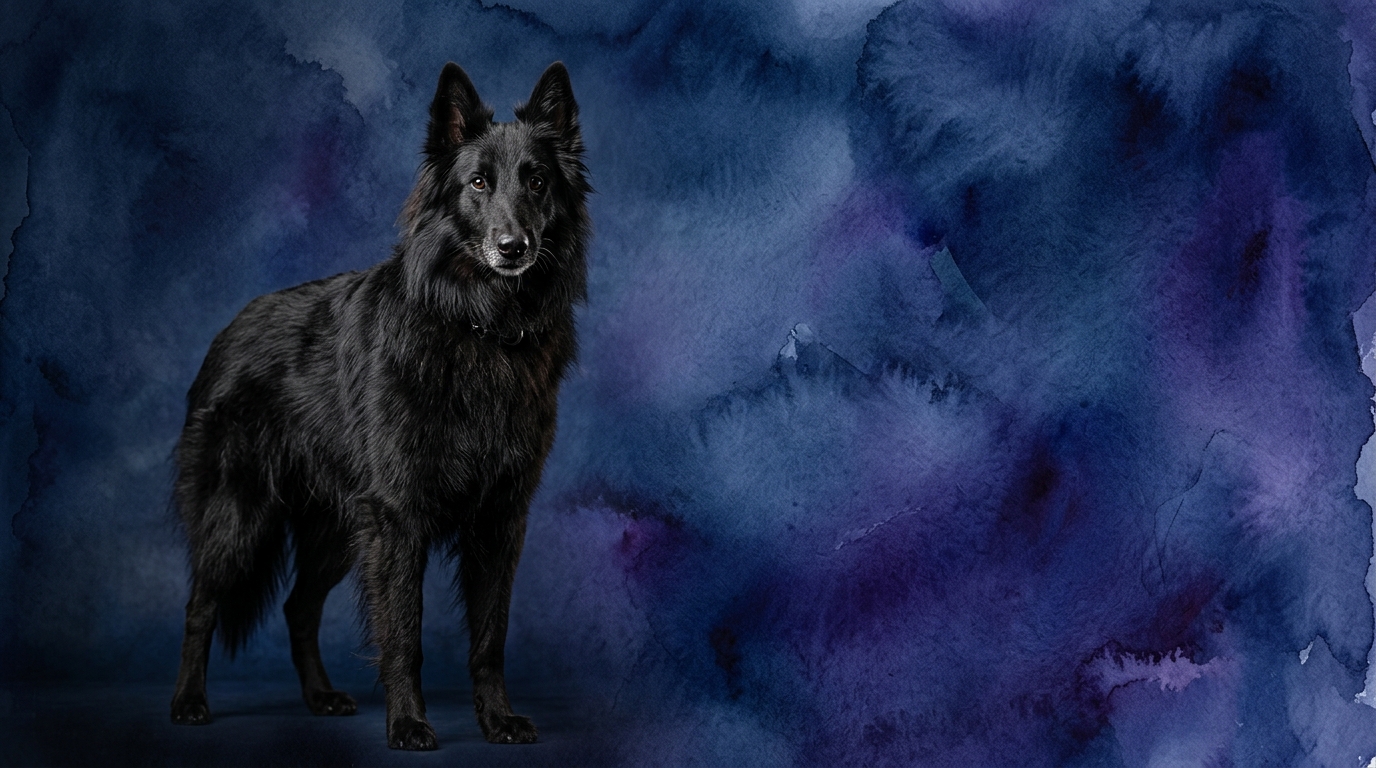
The Cosmic Pet Pet IQ Lab assesses canine intelligence across five critical dimensions, offering a detailed lens through which to understand breed-specific aptitudes. For the Belgian Sheepdog (Groenendael), a breed from the Herding Group, its profile is marked by exceptional processing power: Problem Solving 5/5, Training Speed 5/5, Social Intelligence 3/5, Instinctive Drive 3/5, and Memory 5/5. This suggests a dog engineered for complex tasks and rapid learning, characteristic of its ancestral role in managing livestock.
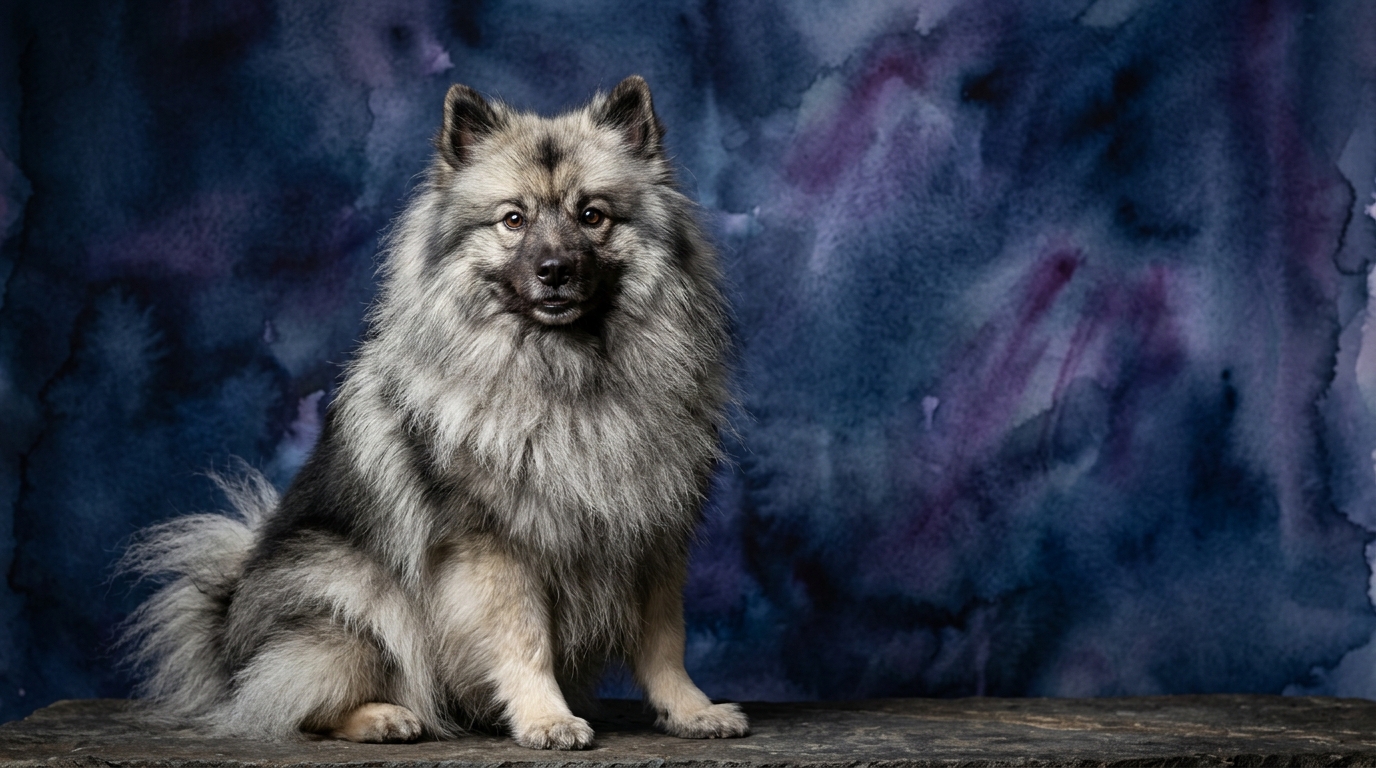
In contrast, the Keeshond, a member of the Non-Sporting Group, presents a slightly different yet equally compelling cognitive blueprint: Problem Solving 4/5, Training Speed 4/5, Social Intelligence 3/5, Instinctive Drive 3/5, and Memory 5/5. While its scores are marginally lower in Problem Solving and Training Speed compared to the Groenendael, the Keeshond maintains strong capabilities in these areas, coupled with the same impressive memory and moderate social and instinctive drives. These profiles highlight how breeds, even those closely ranked, can possess unique cognitive strengths tailored to their historical functions and temperaments.
Delving into the Groenendael's 5/5 Problem Solving, we observe a dog that not only comprehends complex multi-step commands but actively seeks solutions to novel environmental challenges. This isn't just about following instructions; it's about independent thought and strategic application of learned concepts to new scenarios. Its 5/5 Training Speed signifies an almost immediate grasp of new commands and routines, often requiring minimal repetitions for mastery, driven by an inherent eagerness to engage and perform.
The Keeshond's 4/5 Problem Solving indicates a highly capable mind that can navigate intricate puzzles and learn from experience, though it might require a touch more guidance or initial demonstration when encountering truly unprecedented situations. Its 4/5 Training Speed means it absorbs new information efficiently, becoming proficient with consistent, positive reinforcement, though perhaps not with the lightning-fast acquisition pace of the Groenendael. Both breeds share a 3/5 in Social Intelligence, meaning they are attuned to human cues and intentions but may not always interpret highly subtle emotional shifts or complex social dynamics with the depth of some other breeds. They respond well to clear communication and established routines.
For Instinctive Drive, both breeds score 3/5. For the Groenendael, this manifests as a moderate but present herding impulse, a desire to 'work' and control its environment, which can be channeled into various dog sports. For the Keeshond, this moderate drive often translates into an alert nature, an inclination to bark at perceived threats, and a strong desire to be involved in family activities. Finally, a 5/5 Memory for both breeds underscores their capacity to retain learned behaviors, commands, and past experiences with exceptional fidelity, meaning once a lesson is learned, it tends to stick, whether it's a desired behavior or an undesirable habit.
Where the Belgian Sheepdog (Groenendael) Excels Cognitively
The Groenendael's primary cognitive advantage lies in its superior Problem Solving (5/5) and Training Speed (5/5), which are deeply intertwined with its heritage as a herding dog. These scores indicate a profound capacity for not just learning commands, but for understanding the underlying principles of tasks and adapting them to changing circumstances. A Groenendael will not just fetch a specific item; it might figure out how to retrieve it from a difficult spot, demonstrating proactive thought and spatial reasoning.
Its rapid training speed means it can master a vast repertoire of commands and complex sequences quickly, making it a formidable competitor in advanced obedience, agility, and protection sports. This breed thrives on intellectual challenge, often anticipating its handler's next move and performing tasks with precision and drive. The mental agility to process new information and apply it immediately is a hallmark of the Groenendael's cognitive prowess, allowing it to excel in roles requiring quick decisions and independent action, such as search and rescue or police work.
Where the Keeshond Shines Cognitively
While the Keeshond's Problem Solving and Training Speed scores are slightly lower than the Groenendael's, its cognitive strengths are perfectly aligned with its role as a dedicated companion and alert watch dog. Its 4/5 in Problem Solving demonstrates a keen ability to navigate household routines, understand complex social cues within the family unit, and even outsmart its owners in playful ways, such as figuring out how to open a treat cupboard. This isn't raw, task-oriented problem-solving, but rather a clever application of intelligence for social engagement and comfort.
The Keeshond's consistent 3/5 in both Social Intelligence and Instinctive Drive, combined with its strong memory, allows it to be an exceptionally perceptive and integrated family member without the intense 'work' drive of a herder. It uses its cognitive abilities to observe, learn family dynamics, and anticipate needs, making it a highly empathetic and intuitive companion. Its intelligence is often expressed through its charming personality and its ability to seamlessly integrate into various household environments, adapting its behaviors to fit the family's rhythm rather than constantly seeking an external task to fulfill.
Training Dynamics: Which is Easier and Why?
The Belgian Sheepdog (Groenendael) is generally considered easier to train in a structured, task-oriented sense due to its 5/5 Training Speed and Problem Solving. This breed possesses an intense desire to work and please, coupled with the mental capacity to quickly grasp and execute complex commands. Its herding instinct provides a strong foundation for focus and drive, meaning it often approaches training sessions with eagerness and sustained attention. They thrive on consistency and clear expectations, absorbing new information with remarkable speed and requiring fewer repetitions to solidify behaviors. Their cognitive makeup makes them exceptional candidates for advanced obedience, protection work, and competitive dog sports.
The Keeshond, with its 4/5 Training Speed, is still a highly trainable breed but may present different challenges. While capable of learning a wide array of commands, a Keeshond might occasionally exhibit a streak of independent thought or a shorter attention span for repetitive drills compared to the Groenendael. Their training often benefits from more varied and engaging methods, incorporating play and positive reinforcement to maintain their interest. They are sensitive dogs that respond best to gentle, consistent guidance rather than harsh corrections. While they may not achieve the same speed in mastering highly complex sequences as a Groenendael, their keen memory (5/5) ensures that once a behavior is learned, it is retained effectively, making them reliable companions in the long run, albeit with a slightly different training approach.
Matching Breeds to Lifestyles: Active vs. Relaxed Owners
For owners with an active lifestyle, particularly those interested in dog sports, competitive obedience, or a canine partner for outdoor adventures, the Belgian Sheepdog (Groenendael) is an ideal match. This breed requires significant mental stimulation and physical exercise to thrive. Owners who can provide consistent training, engage in problem-solving games, and offer opportunities for its herding instincts to be channeled will find the Groenendael a deeply rewarding companion. Its cognitive profile demands an owner who is prepared to actively manage and develop its intellectual capabilities, preventing boredom and potential behavioral issues that can arise from an unfulfilled mind.
Conversely, the Keeshond is better suited for owners seeking an engaged, affectionate companion who enjoys participation in family life without demanding constant, intense 'work.' While they appreciate walks, playtime, and mental enrichment, their need for structured, high-intensity activity is generally lower than that of a Groenendael. Keeshond owners are typically more relaxed, content with a dog that is happy to be by their side, offering cheerful companionship and a watchful eye. They thrive in environments where they are integral to daily activities, receiving plenty of attention and interactive play that stimulates their social intelligence and moderate drives. Their adaptable nature makes them excellent companions for a variety of family settings, as long as they are not left feeling isolated.
The Verdict
Choose the Belgian Sheepdog (Groenendael) if you are an active, experienced owner eager to engage in advanced training, dog sports, or a working role, leveraging its exceptional problem-solving and rapid learning capabilities. This breed thrives with owners who can provide consistent mental challenge and structured activity.
Opt for the Keeshond if you seek an intelligent, adaptable, and affectionate companion deeply integrated into family life, offering keen observation and cheerful participation. This breed flourishes with owners who appreciate its clever wit and dedication, providing moderate activity and consistent, positive interaction.
🧠 Find Your Pet's IQ Score
Our Pet IQ Lab assessment covers 25+ tests across 5 cognitive dimensions — personalized to your breed.
Take the Full IQ Test →Frequently Asked Questions
Do Belgian Sheepdogs (Groenendael) bark a lot?
Groenendaels can be vocal, especially when left unstimulated or if their protective instincts are not managed. Their moderate instinctive drive means they will alert to perceived threats or novelties, but excessive barking can often be mitigated with proper training and sufficient mental and physical exercise.
Are Keeshonds good with children?
Keeshonds are generally very good with children, known for their patient and playful nature. Their social intelligence allows them to form strong bonds with family members, making them excellent companions, especially when properly socialized from a young age and supervised with younger children.
Which breed requires more grooming?
Both breeds have dense double coats that require regular grooming, but the Keeshond's thicker, stand-off coat may demand slightly more frequent brushing to prevent matting, especially during shedding seasons. The Groenendael's coat is also substantial but often described as slightly less prone to matting if brushed regularly.