
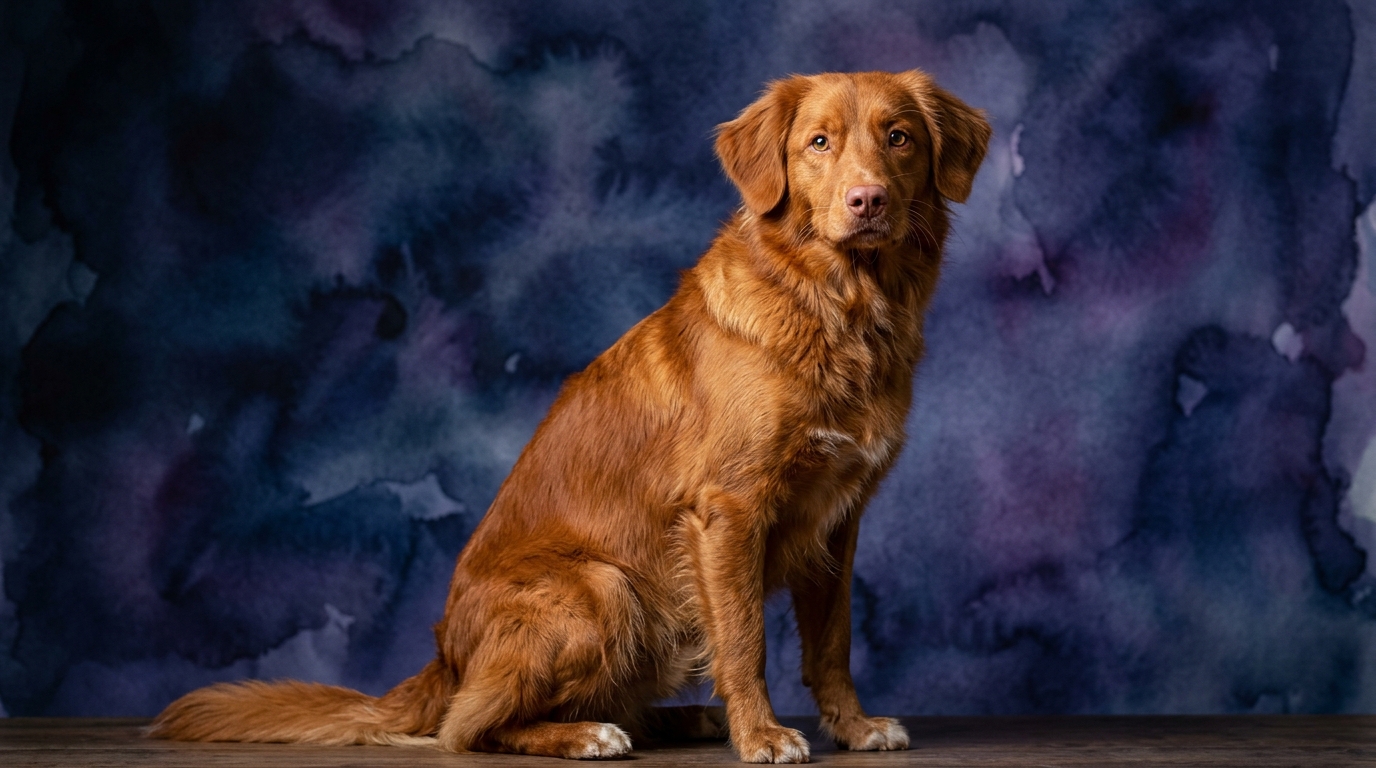
Side-by-Side IQ Profile: Groenendael vs. Toller
The Cosmic Pet Pet IQ Lab assesses canine intelligence across five key dimensions, offering a detailed look into each breed's cognitive strengths. Let’s break down how the Belgian Sheepdog (Groenendael) and the Nova Scotia Duck Tolling Retriever compare.
**Belgian Sheepdog (Groenendael) IQ Profile:** The Groenendael, a member of the Herding group and ranked #15 by Coren, exhibits a sharp and focused mind.
**Problem Solving (5/5):** This breed demonstrates exceptional capacity for independent thought, quickly grasping complex multi-step challenges and often devising novel solutions. They excel at figuring out intricate puzzles or navigating environmental obstacles with minimal human guidance.
**Training Speed (5/5):** Groenendaels acquire new commands and routines with extraordinary speed, often needing very few repetitions. Their intense focus and eagerness facilitate rapid learning of complex sequences, making them highly receptive to advanced obedience and specialized tasks.
**Social Intelligence (3/5):** Their social acumen is moderate; they form deep bonds with family but tend to be discerning with strangers, observing before engaging. This intelligence leans towards protective awareness rather than broad social outgoingness.
**Instinctive Drive (3/5):** Herding instincts are present but manageable, often channeled into a desire to keep their “flock” (family) together. This provides a robust work ethic without overwhelming their personality.
**Memory (5/5):** Groenendaels possess a formidable memory, retaining learned behaviors, commands, and experiences over long periods. This allows them to build upon previous training without significant refreshers, supporting consistent performance in demanding roles.
**Nova Scotia Duck Tolling Retriever IQ Profile:** The Toller, a Sporting group member without a specific Coren rank, presents a balanced and enthusiastic cognitive makeup.
**Problem Solving (3/5):** Tollers exhibit an average ability to tackle new problems, often learning through trial-and-error or by relying on established patterns. They can solve puzzles but typically require more guidance or repetition to grasp underlying principles.
**Training Speed (3/5):** This breed learns at an average pace, needing consistent positive reinforcement to solidify commands. While capable, they require more repetitions and patience compared to breeds with higher training speed scores, thriving on clear, reward-based methods.
**Social Intelligence (3/5):** Tollers show average social intelligence, generally friendly and adaptable, though initially reserved with strangers. They are attuned to family emotions and integrate well into social settings without needing heightened sensitivity to subtle social cues.
**Instinctive Drive (3/5):** Their retrieving drive is moderate and purpose-bred, manifesting as an eagerness for fetching games and a natural inclination towards water. This focused drive is easily channeled into appropriate, satisfying activities.
**Memory (3/5):** Tollers have an average memory for commands and routines. They retain information adequately for daily life and regular training, though less frequently practiced skills might require occasional refreshers.
Where the Belgian Sheepdog (Groenendael) Wins Cognitively
The Groenendael’s distinct cognitive edge lies in its powerful combination of exceptional problem-solving (5/5) and rapid training acquisition (5/5). They don't merely follow instructions; they analyze situations and devise independent solutions for novel challenges, whether it's navigating complex obstacles or figuring out intricate puzzle toys. This capacity for independent thought, coupled with their ability to absorb intricate commands with remarkable efficiency, allows them to build a vast repertoire of learned behaviors quickly. Their formidable memory (5/5) ensures these skills are retained with precision over time. This cognitive synergy makes them exceptionally suited for roles requiring continuous learning, adaptability, and high-stakes performance in competitive dog sports or specialized working fields.
Where the Nova Scotia Duck Tolling Retriever Wins Cognitively
While the Toller’s cognitive profile shows average scores across the board, their strength lies in a balanced and adaptable intelligence perfectly suited to their working heritage. Their consistent 3/5 scores in problem-solving, training speed, and memory indicate a reliable, consistent learner, less prone to the potential for overthinking that can sometimes accompany extreme cognitive scores. Their moderate instinctive drive (3/5) is highly focused on retrieving and water work, making it a predictable asset for owners interested in specific activities like field trials or dock diving. This drive is manageable and satisfyingly channeled through purposeful engagement. Their average social intelligence (3/5) allows them to be friendly and present without being overly sensitive, fostering a resilient and generally agreeable temperament ideal for an active family companion.
Which is Easier to Train and Why
The Belgian Sheepdog (Groenendael) generally demonstrates greater ease in acquiring new skills and commands rapidly. Their 5/5 training speed means they grasp new concepts and behaviors with minimal repetitions, often understanding expectations after just a few attempts, driven by intense focus and exceptional memory. Teaching complex multi-stage routines, like advanced agility or nuanced protection work, progresses remarkably fast with a Groenendael. Their challenge often lies in managing their intense drive and ensuring training remains mentally stimulating enough to prevent boredom.
Conversely, the Nova Scotia Duck Tolling Retriever, with its 3/5 training speed, requires more patience and consistency. Tollers need more repetitions to solidify new commands and may exhibit “selective hearing” if bored or distracted. Their training thrives on positive reinforcement, clear cues, and engaging, relatively short sessions to maintain motivation. While Groenendaels challenge owners to provide stimulating complexity, Tollers require consistent motivation and task breakdown. For sheer speed and efficiency in complex task learning, the Groenendael holds a distinct advantage, though both are highly trainable with the right approach.
Which Suits Active Owners vs. Relaxed Owners
Both breeds thrive with active owners, but their needs differ significantly. The Groenendael, with its intense cognitive and physical requirements, demands an owner dedicated to daily structured activities like advanced obedience, agility, or extensive, varied training. They need a mentally engaged owner capable of designing continuous challenges to leverage their problem-solving and memory, as under-stimulation can lead to anxiety or destructive behaviors. They are not suited for relaxed owners seeking minimal interaction beyond basic walks.
The Nova Scotia Duck Tolling Retriever also requires an active lifestyle, but their needs are often more focused on specific activities like retrieving games, swimming, or hiking. Their physical energy is considerable, yet their mental stimulation is often satisfied through consistent training and fulfilling their retrieving instincts, rather than needing constant, complex problem-solving. A moderately active family enjoying outdoor pursuits and structured play would suit a Toller well, while a Groenendael requires an owner committed to advanced canine performance or a specialized working role.
The Verdict
Opt for a Groenendael if you are an experienced owner seeking an intense, highly trainable partner for advanced dog sports, protection work, or roles requiring exceptional problem-solving and memory, and are prepared to dedicate significant time to their continuous mental and physical development.
Select a Toller if you lead an active lifestyle, enjoy outdoor activities like retrieving and swimming, and desire a cheerful, adaptable companion who thrives on consistent training and purposeful engagement without the extreme cognitive demands of a Groenendael.
🧠 Find Your Pet's IQ Score
Our Pet IQ Lab assessment covers 25+ tests across 5 cognitive dimensions — personalized to your breed.
Take the Full IQ Test →Frequently Asked Questions
Are Groenendaels generally good with children?
Groenendaels, with their protective instincts and moderate social intelligence, can be good with children in their own family when properly socialized and trained from a young age. Supervision is always recommended, as their herding tendencies might lead them to 'herd' children, and their sensitivity means they prefer respectful interactions.
How much exercise does a Nova Scotia Duck Tolling Retriever need daily?
Nova Scotia Duck Tolling Retrievers require a substantial amount of daily exercise, typically 60-90 minutes of vigorous activity, including running, swimming, or active retrieving games. This helps channel their moderate instinctive drive and maintain their physical and mental well-being.
Can a first-time dog owner manage either of these breeds?
Neither breed is generally recommended for a truly first-time dog owner due to their high activity levels and specific training needs. However, a highly committed first-time owner willing to invest heavily in professional training and dedicated daily engagement might manage a Toller more readily than a Groenendael, which demands a very experienced hand.