
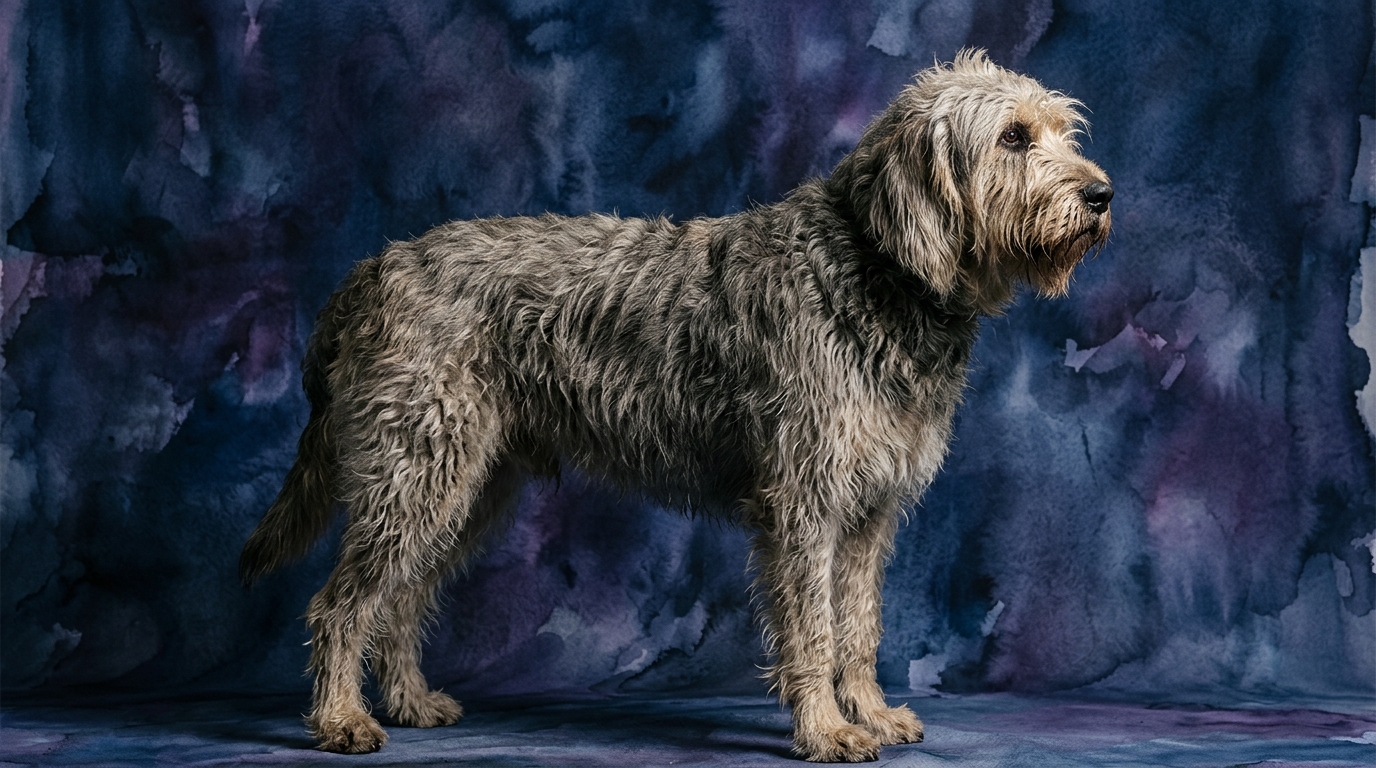
Side-by-Side Cognitive Profiles
The Belgian Sheepdog (Groenendael), a distinguished herding breed, presents a cognitive profile characterized by exceptional mental agility and a strong desire to engage with its human companions. Their problem-solving ability is rated at a maximum 5/5, reflecting their capacity for complex tasks, strategic thinking, and adapting to novel situations, often seen in their original role of managing livestock. Training speed also achieves a perfect 5/5, indicating a rapid grasp of commands and a high responsiveness to instruction, which stems from their need to work closely with a handler. Memory is equally impressive at 5/5, allowing them to retain a vast repertoire of commands and routines over time, crucial for intricate herding patterns or advanced obedience work. Social intelligence, rated 3/5, suggests they are capable of appropriate social interactions but are often more focused on their immediate family and handler. Their instinctive drive, also 3/5, points to a moderate but directed herding instinct that can be channeled effectively.
In contrast, the Otterhound, a robust scent hound, exhibits a cognitive makeup more aligned with independent, persistent tracking. Its problem-solving ability stands at 3/5, which, while respectable, indicates a different kind of cognitive strength – one focused on following a scent trail rather than rapid, abstract reasoning for complex human-directed tasks. Training speed is likewise rated 3/5; Otterhounds can learn, but their independent nature and strong olfactory focus mean they may process information and respond to commands at a more deliberate pace. Memory, also 3/5, is proficient for recalling important scent information and established routines, though perhaps not for the same volume of multi-step commands as a Groenendael. Social intelligence at 3/5 suggests a friendly and generally amiable disposition, typical of many hounds, but they might not be as intensely focused on human social cues. Their instinctive drive, also 3/5, is powerfully geared towards scenting and tracking, a core part of their historical purpose.
Where the Belgian Sheepdog (Groenendael) Excels Cognitively
The Belgian Sheepdog (Groenendael) demonstrates clear cognitive advantages in areas demanding rapid learning, precise execution, and abstract problem-solving. Their 5/5 rating in problem-solving means they are adept at deciphering novel scenarios, such as navigating complex agility courses, understanding multi-stage commands, or learning intricate protection routines. This cognitive flexibility allows them to excel in dynamic environments where quick decisions and adaptable strategies are required. For instance, a Groenendael might instinctively figure out how to open a child-proof gate or devise a method to retrieve a toy from an awkward space, demonstrating a high level of operational intelligence.
Their 5/5 training speed is a direct result of their attentiveness and eagerness to engage with their handler. This breed quickly associates actions with consequences, mastering new commands with fewer repetitions than many other breeds. This speed is not just about rote memorization; it reflects an understanding of the underlying principles of a task. Furthermore, their 5/5 memory ensures that once a lesson is learned, it is retained long-term, making them reliable partners for advanced sports, service work, or any role requiring consistent, precise performance over time. This robust memory allows them to build upon previous training, developing increasingly complex skill sets.
Where the Otterhound Excels Cognitively
The Otterhound's cognitive strengths are deeply rooted in its heritage as a dedicated scent hound, shining brightest in tasks requiring immense focus, endurance, and an unwavering commitment to a sensory trail. While their problem-solving is rated 3/5, this score doesn't diminish their specialized aptitude for tracking. An Otterhound's problem-solving manifests as an uncanny ability to decipher and follow complex scent puzzles, navigating varied terrains and distractions with singular purpose. They excel at discriminating between multiple scents and sticking to a specific target, even when the trail is faint or broken. This is a form of cognitive persistence that is vital for their original hunting role.
Their 3/5 training speed and memory, while not as high as the Groenendael's, are perfectly adequate for their intended purpose. An Otterhound's memory is particularly effective for recalling specific scent profiles and the geography of previous successful hunts. They remember where interesting smells were found and can return to investigate, demonstrating a memory for environmental details rather than a vast array of verbal commands. Their instinctive drive, also 3/5, is a powerful engine for their work; once they lock onto a scent, their determination is formidable, allowing them to overcome physical obstacles and mental fatigue in pursuit of their goal. This persistence, though sometimes challenging in a domestic setting, is a cognitive triumph in their specialized field.
Training Ease: Groenendael vs. Otterhound
When it comes to ease of training, the Belgian Sheepdog (Groenendael) clearly holds an advantage due to its inherent cognitive makeup and disposition. Their 5/5 training speed and problem-solving capabilities mean they grasp new concepts and commands with remarkable swiftness. Groenendaels are typically eager to please their handlers and thrive on mental stimulation, making them highly receptive to positive reinforcement methods. They often anticipate cues and are keen to participate in structured learning sessions, translating into fewer repetitions needed to solidify a behavior. Their background in herding necessitates a close working relationship with humans, fostering a natural inclination towards responsiveness and cooperation, which simplifies the training process significantly.
The Otterhound, with its 3/5 training speed and problem-solving, presents a different training dynamic. Their independent nature and formidable instinctive drive for scent work mean they can be easily distracted by compelling odors in their environment. Training an Otterhound requires immense patience, creativity, and a deep understanding of their hound psychology. While they are capable of learning, their motivation is often more internal and scent-driven than handler-focused. They may require more repetitions and consistent, engaging methods to maintain attention and instill commands. A common behavioral difference is that a Groenendael will look to its handler for direction when confused, whereas an Otterhound might simply follow its nose, requiring the trainer to work harder to redirect its focus back to the task at hand.
Suitability for Active vs. Relaxed Owners
For active owners seeking a highly engaged and mentally stimulating companion, the Belgian Sheepdog (Groenendael) is an excellent match. Their exceptional problem-solving, training speed, and memory mean they require significant mental and physical exercise to prevent boredom and destructive behaviors. Groenendaels thrive in environments where they can participate in dog sports like agility, obedience, flyball, or even protection work. They need a 'job' to do, and an owner willing to provide consistent, challenging activities will find them to be incredibly rewarding partners. Their need for intellectual engagement means they are not content with just a simple walk; they need opportunities to think, learn, and perform complex tasks regularly.
Conversely, the Otterhound is better suited for owners who might lean towards a more relaxed pace, yet still appreciate sustained outdoor activity. While not a sedentary breed, their exercise needs often revolve around long, exploratory walks where they can indulge their powerful sense of smell. They are less focused on high-intensity, complex tasks like agility and more content with the methodical pursuit of a scent trail. An Otterhound's independence means they might be less demanding of constant interaction once their exercise needs are met, making them suitable for owners who enjoy a dog with a strong sense of self and a less 'velcro' personality. They will happily accompany their owner on a lengthy hike, systematically investigating every interesting scent along the way, and then settle down for a quiet evening.
The Verdict
Choose the Belgian Sheepdog (Groenendael) if you seek a highly trainable, responsive, and mentally agile companion for advanced dog sports, working roles, or an intensely engaged partnership.
Opt for the Otterhound if you appreciate an independent, scent-driven companion, enjoy long, exploratory walks, and are prepared to work with a dog whose primary motivation is its nose.
🧠 Find Your Pet's IQ Score
Our Pet IQ Lab assessment covers 25+ tests across 5 cognitive dimensions — personalized to your breed.
Take the Full IQ Test →Frequently Asked Questions
Are Belgian Sheepdogs (Groenendaels) good family dogs?
Yes, Groenendaels can be excellent family dogs, forming strong bonds with their immediate family. Their social intelligence of 3/5 means they are generally amiable, but they often thrive best with consistent training and socialization from a young age to channel their energy and intelligence positively.
Do Otterhounds make good house pets?
Otterhounds can make good house pets for the right owner, as their social intelligence is 3/5, suggesting a friendly nature. However, their strong scent drive and independent streak mean they require secure environments and consistent training, and they benefit from owners who understand and appreciate their hound specific traits.
Which breed requires more mental stimulation?
The Belgian Sheepdog (Groenendael) generally requires more varied and intense mental stimulation due to its 5/5 problem-solving and memory. They need complex tasks, training, and 'jobs' to prevent boredom, whereas the Otterhound's mental stimulation is primarily satisfied through scent work and exploring new environments.