
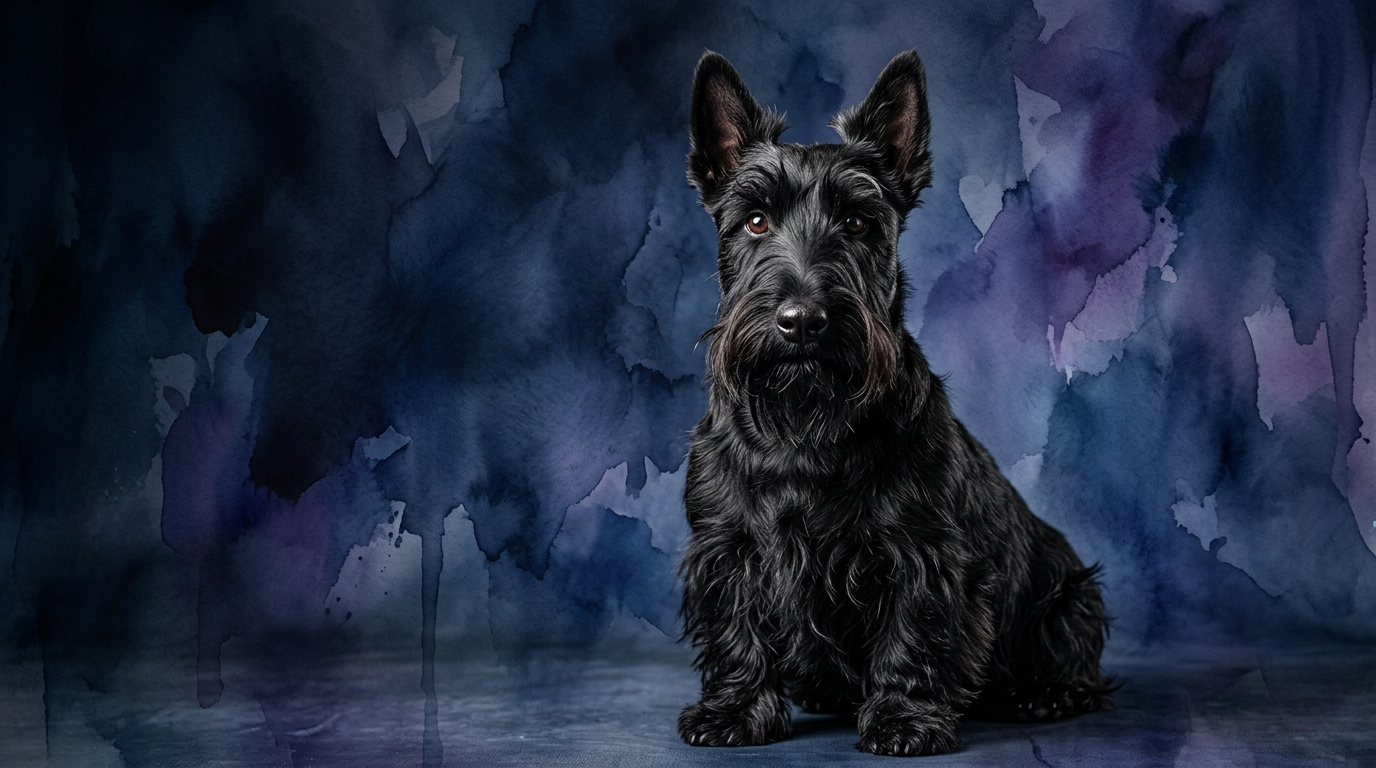
Side-by-Side IQ Profile: Groenendael vs. Scottie
The Cosmic Pet Pet IQ Lab profiles illuminate the distinct cognitive landscapes of these two breeds. The Belgian Sheepdog (Groenendael) showcases exceptional abilities, reflecting its precision working heritage. Its Problem Solving (5/5), Training Speed (5/5), and Memory (5/5) are top-tier, indicating a profound capacity for analyzing situations, rapidly acquiring commands, and retaining complex information. Social Intelligence and Instinctive Drive are both 3/5, suggesting balanced cooperation and innate behaviors. This profile details a dog built for complex, collaborative tasks.
In contrast, the Scottish Terrier presents a more uniformly balanced, moderate cognitive profile, consistent with its independent terrier nature. Its Problem Solving, Training Speed, Social Intelligence, Instinctive Drive, and Memory are all consistently rated at 3/5. This signifies a dog with sufficient cognitive tools for independent vermin hunting, but without the same emphasis on rapid, complex learning or human-centric cooperation. Their problem-solving is often self-directed, their training pace deliberate, and their memory serves specific, independent needs.
Where the Belgian Sheepdog (Groenendael) Wins Cognitively
The Groenendael's cognitive strengths are pronounced, particularly in areas vital for its herding role. Its 5/5 Problem Solving capacity means these dogs actively assess and formulate solutions, not just follow commands. In herding, a Groenendael can read livestock cues, anticipate movements, and adjust strategy without constant handler input, demonstrating advanced processing of dynamic information. This translates to aptitude for intricate tasks like complex agility or multi-step protection work.
Coupled with a 5/5 Training Speed, the Groenendael absorbs new information with remarkable efficiency, learning commands in fewer repetitions and generalizing behaviors swiftly. This eagerness makes them exceptionally receptive students. Furthermore, their 5/5 Memory is foundational, allowing recall of vast command repertoires, specific routes, or complex action sequences over long periods. This superior recall is vital for tasks requiring sustained focus and sequential behaviors, enabling rapid and consistent learning.
Where the Scottish Terrier Wins Cognitively
The Scottish Terrier's consistent 3/5 IQ scores represent an effective cognitive strategy perfectly suited to its original purpose. The Scottie's 3/5 Problem Solving isn't about collaborative herding; it's about independent, focused determination. A Scottie excels at figuring out how to reach a perceived quarry, whether digging under a fence or maneuvering through tight spaces. This is practical, self-directed problem-solving, requiring tenacity and singular focus.
Their 3/5 Instinctive Drive, while not overt, is powerful and channeled into specific terrier behaviors: hunting, digging, and exploring. This drive fuels their independence and persistence. Their 3/5 Social Intelligence is a discerning approach; they are not overtly gregarious but form deep bonds with chosen individuals, reflecting self-assured cognitive independence. Similarly, their 3/5 Memory and Training Speed are adequate for routines, favorite spots, and boundaries. These scores reflect a breed whose intelligence is finely tuned for self-sufficiency and individual objectives.
Training Dynamics: Which is Easier to Train?
Training ease significantly differentiates these breeds, stemming from their cognitive profiles and historical roles. The Belgian Sheepdog (Groenendael), with its 5/5 Training Speed and Memory, is generally a straightforward and rewarding student for those who enjoy structured training. Their inherent desire to work in partnership, a herding breed hallmark, means they are often eager to please and highly motivated. They grasp new commands and complex sequences with remarkable speed, making them ideal for advanced obedience or competitive sports. Less repetition is needed, and their strong memory ensures retention.
In contrast, the Scottish Terrier, with its 3/5 Training Speed and ingrained independent streak, presents a different challenge. While capable, they require more patience, creativity, and consistency. Their problem-solving is often internally motivated, leading them to weigh 'what's in it for me.' This isn't stubbornness, but strong self-agency. They excel when training is engaging and varied, but may resist repetitive drills. Groenendaels naturally respond to subtle cues, while Scotties tend to pursue their own interests.
Owner Lifestyle Match: Active vs. Relaxed
Owner lifestyle suitability directly links to their cognitive and physical energy requirements. The Belgian Sheepdog (Groenendael) is unequivocally for active owners. Their high problem-solving, training speed, and mental acuity demand consistent, challenging mental stimulation alongside robust physical exercise. Owners enjoying competitive obedience, agility, or tracking will find a Groenendael a willing partner. A relaxed owner unable to provide this engagement risks a bored, under-stimulated dog that may invent undesirable behaviors.
For the Scottish Terrier, requirements are less intense. They enjoy daily walks, exploration, and independent play. They suit owners appreciating a companion that enjoys romps but doesn't constantly demand complex tasks. A relaxed owner content with regular, moderate walks and engaging playtime, respecting the Scottie's independence, will find a devoted companion.
The Verdict
Choose the Belgian Sheepdog (Groenendael) if you are an active owner seeking a highly engaged, intellectually capable canine partner for advanced training, dog sports, or a demanding working role.
Opt for the Scottish Terrier if you appreciate an independent, discerning companion with a strong personality, content with moderate exercise and a less demanding, yet consistent, training regimen.
🧠 Find Your Pet's IQ Score
Our Pet IQ Lab assessment covers 25+ tests across 5 cognitive dimensions — personalized to your breed.
Take the Full IQ Test →Frequently Asked Questions
Is the Belgian Sheepdog a good family pet?
Yes, with proper socialization from a young age and consistent mental and physical stimulation, Groenendaels can be exceptionally loyal and protective family members. They form strong bonds with their human family but require an owner committed to their ongoing training and exercise needs to thrive.
Do Scottish Terriers get along with other pets?
Their strong prey drive means they can be challenging with smaller, non-canine pets if not socialized early and carefully. While they can coexist peacefully with other dogs and cats when raised together, careful introductions and supervision are always advisable.
What kind of mental exercise does a Groenendael need?
Groenendaels require substantial mental engagement to satisfy their problem-solving and memory capacities. Activities like advanced obedience training, agility, scent work, puzzle toys, and learning complex tricks are excellent ways to keep their minds sharp and prevent boredom. Daily structured mental tasks are crucial.