
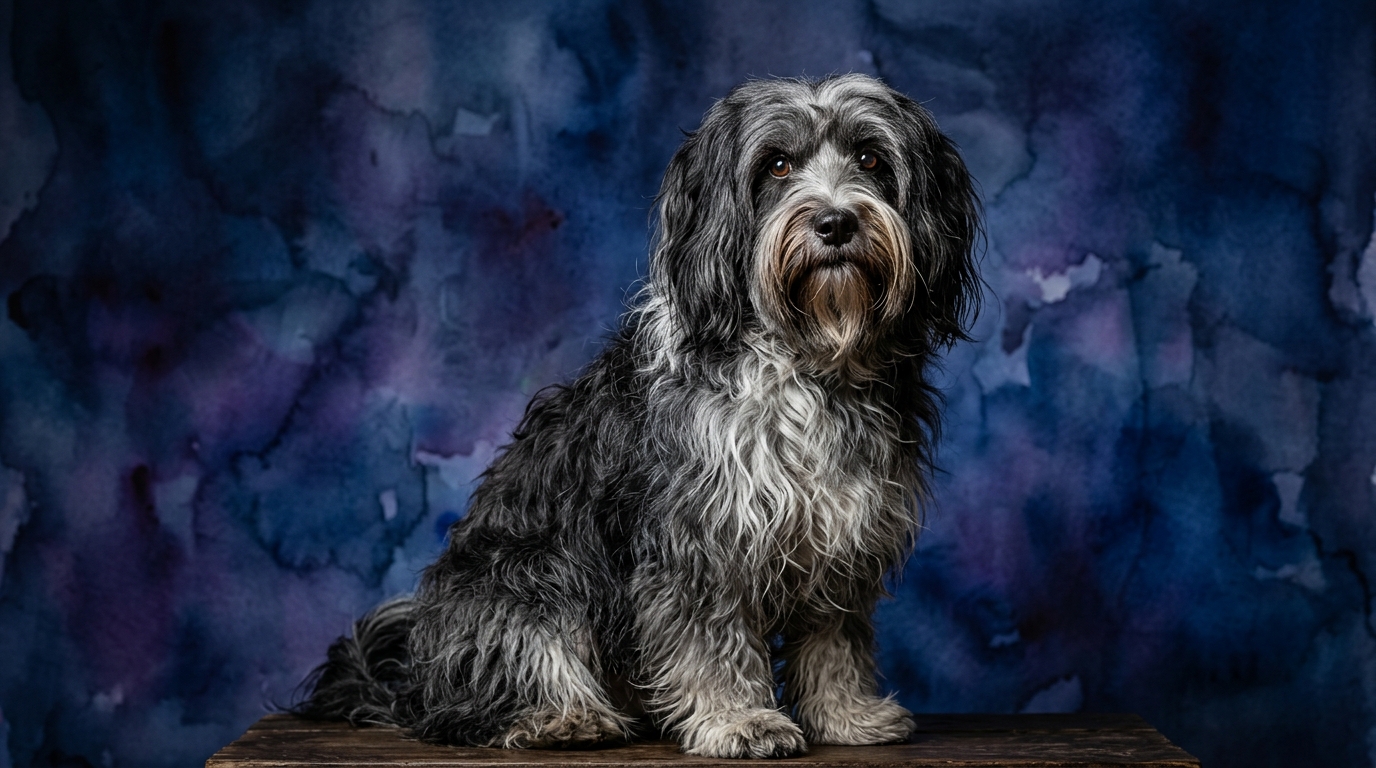
Side-by-Side IQ Profile: Unpacking Canine Minds
The Cosmic Pet Pet IQ Lab's framework provides a nuanced look at the mental landscapes of these two distinct breeds, moving beyond simple labels to reveal their cognitive strengths. The Belgian Sheepdog (Groenendael), a herding dog, ranks impressively at #15 on the Coren scale, reflecting a strong capacity for working and obedience. Its Problem Solving score of 5/5 indicates an exceptional ability to analyze situations and devise solutions, a crucial trait for a dog expected to manage livestock or execute complex commands. This breed's Training Speed also earns a perfect 5/5, suggesting it grasps new cues and routines with remarkable swiftness, making it a responsive student. Memory, a foundational aspect of learning and consistency, is equally stellar at 5/5, allowing retention of vast information and experiences. Its Social Intelligence is rated 3/5, indicating a moderate capacity for understanding and responding to social cues from humans and other animals. An Instinctive Drive of 3/5 reflects a moderate innate inclination towards breed-specific behaviors, such as herding, which is effectively channeled.
In contrast, the Tibetan Terrier, classified in the Non-Sporting group, holds a Coren rank of #63, placing it in the average range for working and obedience. This breed demonstrates a Problem Solving ability of 3/5, meaning it can tackle moderate challenges but might require more guidance or repetition for intricate puzzles. Its Training Speed, also at 3/5, suggests a steady learning pace; new commands are absorbed reliably, though not with the instantaneous recall of a Groenendael. Memory for the Tibetan Terrier aligns at 3/5, indicating a solid ability to recall past experiences and training, forming stable associations, without the near-perfect retention of its herding counterpart. Both Social Intelligence and Instinctive Drive are rated 3/5, mirroring the Groenendael's moderate scores in these areas. This suggests the Tibetan Terrier possesses a balanced understanding of social dynamics and a moderate inclination towards its breed-specific instincts, historically involving guarding and companionship.
Where the Belgian Sheepdog (Groenendael) Wins Cognitively
The Groenendael's cognitive architecture is clearly optimized for tasks requiring significant mental engagement and rapid processing. Its perfect 5/5 scores in Problem Solving, Training Speed, and Memory represent a formidable triad of intellectual prowess. This breed doesn't just learn quickly; it comprehends and applies information with exceptional efficiency. For instance, a Groenendael can swiftly learn a multi-step agility course, analyze a herd's movement to gather strays, or even master complex protection work, demonstrating not just memorization but understanding of principles. Their superior problem-solving means they are less likely to get stuck on a new task, often experimenting with solutions until they find one that works, a trait invaluable in dynamic environments. The 5/5 memory ensures that once a lesson is learned or an experience processed, it is deeply ingrained, leading to consistent, reliable performance. This breed's cognitive strengths make it an ideal candidate for competitive dog sports, advanced obedience, or roles requiring consistent, thoughtful execution under varying conditions.
Where the Tibetan Terrier Wins Cognitively
While the Tibetan Terrier's cognitive scores are consistently moderate at 3/5, this balanced profile offers distinct advantages, particularly for certain living situations and owner preferences. Its moderate Problem Solving, Training Speed, and Memory contribute to a dog that is adaptable without being overly demanding. Unlike breeds with exceptionally high problem-solving abilities that might invent their own “entertainment” if not sufficiently challenged, the Tibetan Terrier is less prone to complex, destructive mischief. Their 3/5 instinctive drive is also a win in many domestic settings; it means they generally have a manageable level of intrinsic motivation for breed-specific behaviors, such as guarding or barking, which can be easier to integrate compared to a dog with relentless, high-intensity drive. This moderation often translates into a more laid-back cognitive presence, where the dog is engaged and responsive without constantly seeking intense mental stimulation. Their balanced social intelligence also means they can form strong bonds without the potential aloofness or over-intensity sometimes seen in breeds with very high or very low social scores, making them integrated family members.
Which is Easier to Train and Why
When considering ease of training, the Belgian Sheepdog (Groenendael) undeniably takes the lead due to its exceptional Training Speed and Problem Solving scores. A Groenendael's 5/5 Training Speed means it can often pick up new commands in just a few repetitions, understanding the association between a cue and an action almost immediately. This rapid assimilation allows for quicker progression through training levels, tackling more complex tasks sooner. Their 5/5 Problem Solving further enhances trainability; if a command isn't immediately clear, they are more likely to work through the puzzle themselves, experimenting with responses until they find the correct one, rather than shutting down or needing extensive guidance. Real behavioral differences manifest in how quickly they generalize commands to new environments and their eagerness to perform.
The Tibetan Terrier, with its 3/5 scores in both Training Speed and Problem Solving, requires a more patient and consistent approach. While perfectly capable of learning, they may need more repetitions and a clearer, more structured training environment to solidify new behaviors. They might not independently “figure out” a complex sequence as readily as a Groenendael, necessitating breaking tasks into smaller steps. This isn't a deficiency; rather, it indicates a different learning style that benefits from positive reinforcement and clear communication over time. Owners might observe a Tibetan Terrier pondering a command for a moment before responding, whereas a Groenendael might react almost reflexively. Therefore, while both breeds are trainable, the Groenendael offers a significantly faster and often more intuitive training experience.
Which Suits Active Owners vs. Relaxed Owners
The cognitive profiles of these two breeds naturally align them with different owner lifestyles. The Belgian Sheepdog (Groenendael), with its 5/5 Problem Solving, 5/5 Training Speed, and 5/5 Memory, combined with a 3/5 Instinctive Drive, is an ideal match for active owners who thrive on mental and physical engagement. This breed requires consistent intellectual challenges and opportunities to apply its sharp mind. Owners who enjoy dog sports like agility, obedience, protection work, or even complex trick training will find the Groenendael a willing and capable partner. Its drive, though moderate, combined with its cognitive capacity, means it needs a “job” to do, whether real or simulated, to prevent boredom. A Groenendael will flourish with owners dedicated to ongoing training, structured exercise, and providing outlets for its considerable mental energy.
Conversely, the Tibetan Terrier, with its consistent 3/5 scores across all cognitive dimensions, is well-suited for owners seeking a more balanced and less intensely demanding companion. While still benefiting from regular exercise and mental stimulation, its moderate problem-solving and drive mean it doesn't require the same level of constant, high-intensity engagement as the Groenendael. Relaxed owners who appreciate a dog that is content with daily walks, interactive play, and moderate training sessions will find the Tibetan Terrier a delightful fit. This breed is adaptable and enjoys being a part of family activities without needing a complex training regimen. Its moderate memory and problem-solving mean it's less likely to meticulously plan escapes or invent intricate forms of mischief, making it a good choice for those who prefer a companion with a more straightforward cognitive approach to life.
The Verdict
Choose the Belgian Sheepdog (Groenendael) if you are an active owner seeking a highly responsive, mentally agile partner for advanced training, dog sports, or a working role.
Opt for the Tibetan Terrier if you prefer a balanced, adaptable companion who thrives on moderate engagement and offers a more relaxed, integrated presence in the home.
🧠 Find Your Pet's IQ Score
Our Pet IQ Lab assessment covers 25+ tests across 5 cognitive dimensions — personalized to your breed.
Take the Full IQ Test →Frequently Asked Questions
Do Groenendaels get bored easily without enough mental stimulation?
Yes, with 5/5 problem-solving and memory, Groenendaels require consistent mental engagement to prevent boredom. Without sufficient challenges, they may invent their own activities, which can sometimes be destructive or disruptive. Regular training, puzzle toys, and structured activities are crucial for their well-being.
Is the Tibetan Terrier's moderate instinctive drive a good thing for first-time dog owners?
The Tibetan Terrier's 3/5 instinctive drive can be beneficial for first-time owners because it means their innate behaviors, like guarding or herding tendencies, are generally less intense and more manageable. This moderation often translates to an easier integration into a typical household without overwhelming demands for constant redirection of strong drives.
How does the difference in memory scores impact daily life with these breeds?
The Groenendael's 5/5 memory means it retains training and experiences exceptionally well, leading to consistent behavior but also potentially strong recall of negative events. The Tibetan Terrier's 3/5 memory is still good for learning routines, but it might require more consistent reinforcement over time and may be less prone to dwelling on past negative associations.