
A Side-by-Side Look at Cognitive Profiles
The Cosmic Pet Pet IQ Lab employs five key dimensions to evaluate canine intelligence: problem solving, training speed, social intelligence, instinctive drive, and memory. These metrics offer a granular view, moving beyond broad labels to understand how a dog's mind truly operates.
The Belgian Sheepdog (Groenendael), a herding breed, presents a formidable cognitive profile. It scores 5/5 in problem solving, indicating a profound capacity for complex thought and strategy. Its training speed is also 5/5, suggesting rapid assimilation of new commands and concepts. Social intelligence and instinctive drive are both rated 3/5, demonstrating a balanced ability to interact and a moderate expression of inherent herding behaviors. A perfect 5/5 in memory rounds out its impressive cognitive toolkit.
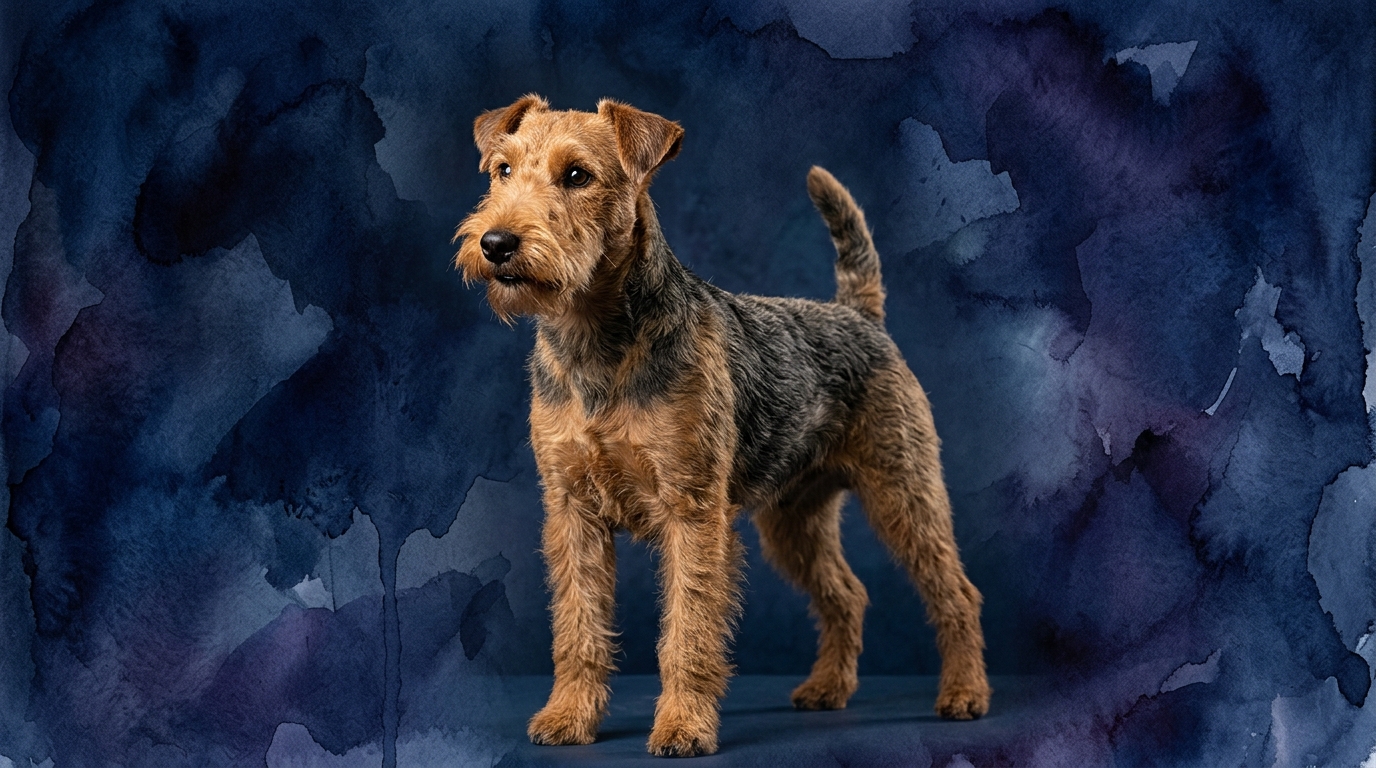
In contrast, the Welsh Terrier, a spirited terrier breed, exhibits a consistent 3/5 across all five dimensions: problem solving, training speed, social intelligence, instinctive drive, and memory. This uniform scoring suggests a balanced, yet perhaps less intense, manifestation of these cognitive traits compared to its herding counterpart, reflecting a different evolutionary path and working purpose.
Where the Belgian Sheepdog (Groenendael) Shines Cognitively
The Groenendael's exceptional 5/5 in both problem solving and memory positions it as a canine intellectual powerhouse. This breed demonstrates a remarkable ability to navigate multi-step challenges, understand abstract concepts, and retain vast amounts of information, from intricate obedience sequences to the precise location of objects or individuals. Their herding heritage, which demanded strategic thinking to control livestock, undoubtedly honed these cognitive capacities, allowing them to anticipate, plan, and execute complex tasks with precision.
Its perfect 5/5 in training speed is another significant cognitive advantage. This isn't merely about obedience; it speaks to the Groenendael's rapid processing ability to form associations between cues, actions, and consequences. They grasp new commands with minimal repetition, quickly generalizing learned behaviors to novel situations. This cognitive agility makes them exceptionally receptive to advanced training and sophisticated tasks.
These combined strengths make the Belgian Sheepdog (Groenendael) particularly adept in roles requiring sustained mental engagement and precise execution. They excel in competitive dog sports like agility, obedience, and protection work, where their capacity for complex sequences and faultless recall is paramount. Their cognitive architecture is built for purpose and performance, thriving when given a challenge to unravel.
Unpacking the Welsh Terrier's Unique Cognitive Strengths
While scoring 3/5 in problem solving, the Welsh Terrier's cognitive strengths manifest differently, often emphasizing tenacity and independent thought over multi-layered strategizing. Their terrier heritage, focused on hunting vermin, cultivated a practical problem-solving approach often involving persistence, cleverness, and a degree of self-directed action. They may not devise an elaborate plan, but they are incredibly effective at finding a solution through trial-and-error, often relying on their inherent drive to succeed.
Their 3/5 in social intelligence indicates a capacity for connection, allowing them to form strong bonds with their human companions. While their training speed is 3/5, suggesting they may require more repetition than a Groenendael, their learning is robust when delivered with consistency and positive reinforcement. This isn't a deficit in learning ability, but rather a reflection of their independent streak, where they might evaluate the 'why' behind a command before offering full compliance.
The Welsh Terrier's moderate instinctive drive (3/5) for activities like digging and chasing, combined with their problem-solving ability, means their intelligence often shines as resourcefulness and resilience. Owners need to engage their minds creatively, perhaps through scent work or interactive games, rather than solely through rote obedience. Their cognitive makeup encourages a partnership where the dog's innate cleverness is channeled, rather than simply commanded, leading to a companion capable of independent thought in practical, real-world scenarios.
Training Dynamics: Groenendael's Eagerness vs. Welsh Terrier's Independence
The Belgian Sheepdog (Groenendael)'s 5/5 training speed and 5/5 memory make them exceptionally responsive and gratifying training partners. They typically exhibit a strong desire to collaborate with their handler, quickly internalizing commands, routines, and expectations. Their capacity to rapidly form associations and recall information allows them to progress through training levels at an impressive pace, making complex maneuvers and long sequences achievable with relatively few repetitions. They thrive on clear direction and consistent structure, often seeking to please through performance.
In contrast, the Welsh Terrier's 3/5 training speed and 3/5 memory mean that training requires a more patient, creative, and engaging approach. While they are certainly capable of learning, their independent terrier spirit means they might require more repetitions to solidify a behavior, and they are less likely to offer blind compliance. Training a Welsh Terrier often involves making tasks intrinsically rewarding and fun, leveraging positive reinforcement to channel their natural drives rather than attempting to suppress them entirely. Their intelligence manifests as a discerning mind that might question the value of a command.
These behavioral differences are crucial for owners. The Groenendael often approaches training as a collaborative effort, eager to absorb and execute. This makes them ideal for structured dog sports or service work where precision and consistent performance are key. The Welsh Terrier, while trainable, might present as more of a puzzle, requiring handlers to be more inventive in their methods, using play and high-value rewards to maintain engagement and ensure that learned behaviors are consistently offered. This distinction highlights different cognitive motivations rather than a difference in overall capacity for learning.
Matching Cognitive Profiles to Lifestyles: Active vs. Relaxed Owners
The Belgian Sheepdog (Groenendael), with its 5/5 problem solving and memory, coupled with its moderate instinctive drive, thrives with active owners who can provide consistent and challenging mental and physical engagement. These dogs excel in environments where they have a 'job' to do, whether it's competitive dog sports, advanced obedience, or even protection work. An owner who can dedicate time to structured training, puzzle toys, and extensive exercise will find a highly rewarding partnership. A more relaxed owner might find their unmet cognitive needs leading to boredom, which can manifest as undesirable behaviors.
The Welsh Terrier, scoring 3/5 across the board, requires engagement, but perhaps not the same intensity of formalized 'work' as the Groenendael. Their moderate instinctive drive for chasing and digging needs appropriate outlets, but they are generally content with regular walks, interactive play sessions, and engaging puzzle toys that stimulate their clever minds. They are well-suited for owners who appreciate a dog with a distinct personality and a degree of self-sufficiency, and who can provide consistent, firm, but fair guidance.
It's important to clarify that 'relaxed' for a Welsh Terrier owner does not mean inactive. Both breeds require daily physical activity and mental enrichment. However, the Groenendael's cognitive architecture demands a higher volume of complex, structured tasks to be truly fulfilled. The Welsh Terrier, while needing consistent stimulation, might be happier with a greater variety of activities that tap into their independent spirit and terrier cleverness, without necessarily requiring the same level of precision or multi-step execution.
The Verdict
Choose the Belgian Sheepdog (Groenendael) if you seek a highly trainable, cognitively agile partner for advanced dog sports, service work, or a demanding active lifestyle where consistent mental challenge is a priority.
Opt for the Welsh Terrier if you value an independent, clever companion who thrives on engaging, varied activities and appreciates an owner who can channel their spirited terrier drives with patience and creative, positive reinforcement.
🧠 Find Your Pet's IQ Score
Our Pet IQ Lab assessment covers 25+ tests across 5 cognitive dimensions — personalized to your breed.
Take the Full IQ Test →Frequently Asked Questions
Which breed is better for first-time dog owners?
The Belgian Sheepdog (Groenendael)'s cognitive demands and intense energy can be challenging for novices, requiring significant commitment to training and enrichment. A Welsh Terrier, while still needing consistent guidance, might be more manageable for a first-timer willing to embrace their independent spirit and provide engaging outlets for their natural drives.
Do Welsh Terriers need less mental stimulation than Belgian Sheepdogs?
While a Welsh Terrier's cognitive needs might manifest differently, they still require consistent mental stimulation to prevent boredom and destructive behaviors. Their problem-solving (3/5) and instinctive drives (3/5) mean they benefit from puzzle toys, scent work, and varied routines, just perhaps not the same level of complex, multi-step training expected of a Groenendael.
How does the Coren ranking impact this comparison?
The Belgian Sheepdog's Coren rank of #15 reflects its strong capacity for obedience and working intelligence, aligning with its high scores in training speed and memory. The Welsh Terrier's absence from the Coren ranking doesn't imply a lack of intelligence, but rather that its cognitive strengths might lean more towards independent problem-solving and tenacity, which are less emphasized in traditional obedience-focused assessments.