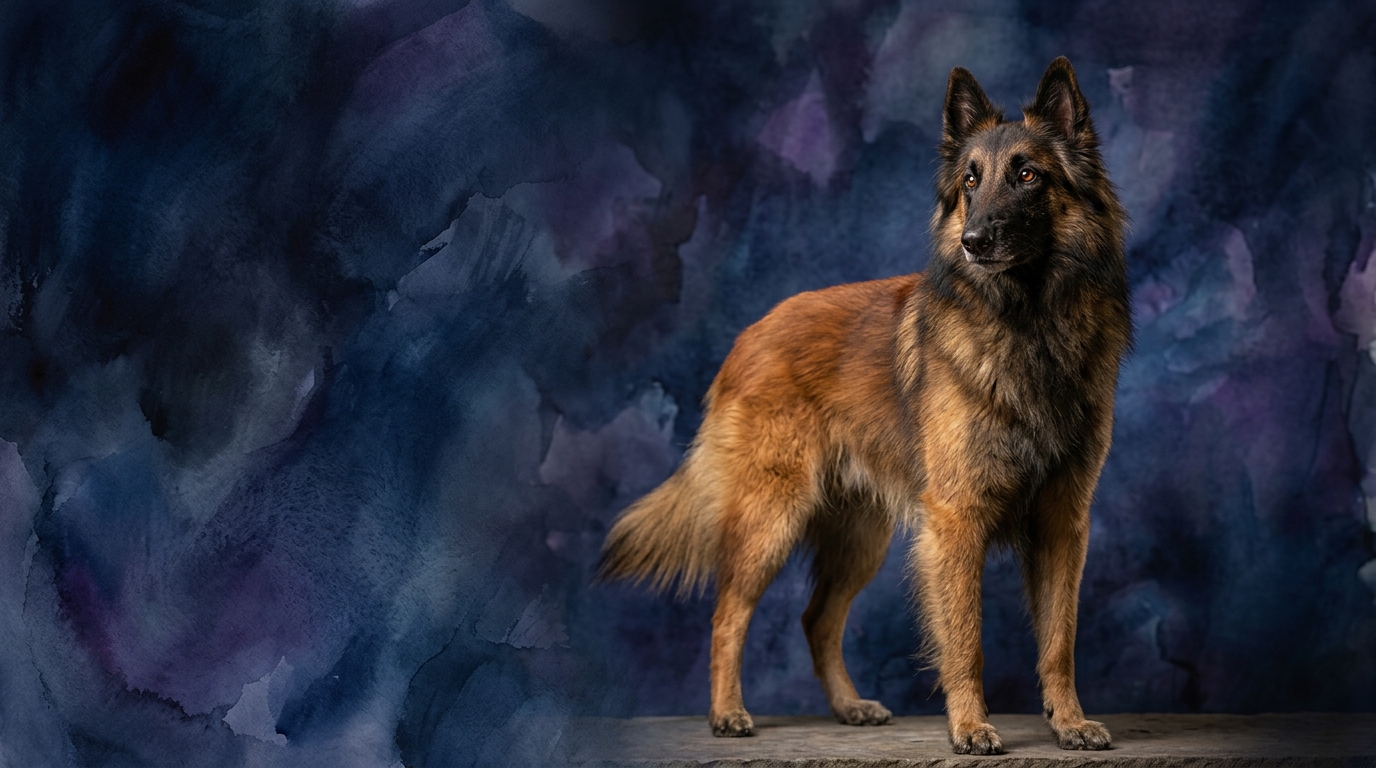
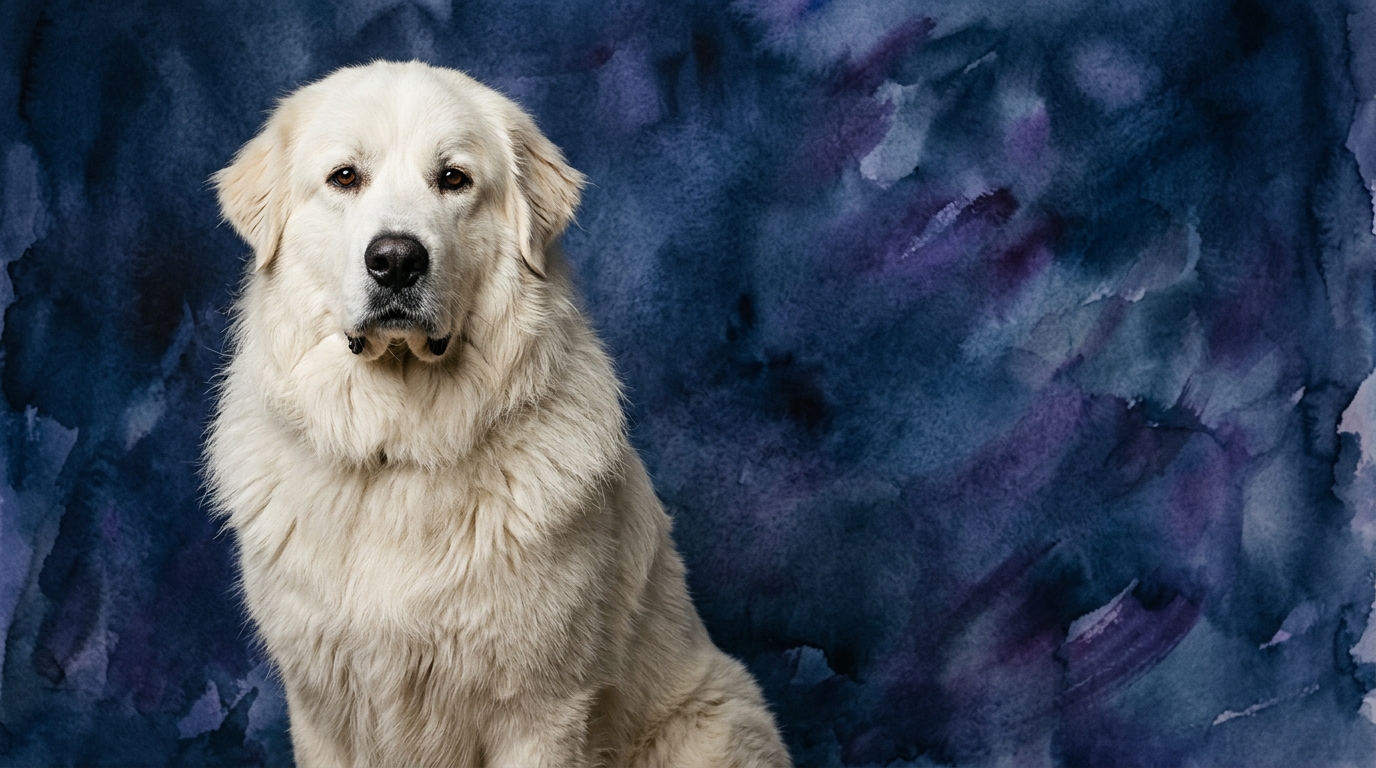
Side-by-Side Cognitive Profile: Tervuren vs. Pyrenees
The Cosmic Pet Pet IQ Lab provides a detailed breakdown of canine cognitive dimensions, allowing us to examine how the Belgian Tervuren and Great Pyrenees approach the world. Understanding these scores helps illuminate their inherent capabilities and predispositions.
The Belgian Tervuren, a Herding breed ranking #14 on Coren's scale, demonstrates exceptional cognitive agility. Their Problem Solving is rated 5/5, indicating a strong capacity for figuring out complex tasks and navigating novel situations that require multi-step solutions. Training Speed also scores 5/5, showing they absorb new commands and routines with remarkable rapidity, often grasping concepts in very few repetitions due to strong associative learning. Social Intelligence is 3/5, suggesting they are capable of deep bonds but might be more focused on their primary handler or task, rather than universally seeking broad social engagement. Instinctive Drive is 3/5, reflecting a balanced drive for herding and protective behaviors that is channelable and directable without constant redirection. Finally, their Memory is 5/5, meaning they retain learned behaviors, commands, and experiences over long periods, ensuring durable training and sharp recall.
In contrast, the Great Pyrenees, a Working breed ranking #64 on Coren's scale, exhibits a different cognitive makeup tailored for their guardian role. Their Problem Solving is 3/5, indicating a more deliberate, independent style, excelling at assessing threats and protecting their charges, often prioritizing independent judgment over complex obedience. Training Speed is 3/5; they learn at a moderate pace, requiring more repetition and a clear demonstration of purpose, as their independent nature often leads them to evaluate commands before complying. Social Intelligence is 3/5, similar to the Tervuren, geared towards their inner circle and protective duties, observant of their family and livestock but less inclined towards broad social interaction. Instinctive Drive is 3/5, profoundly centered on steadfast guardianship, reflecting a watchful nature and a deep-seated impulse to protect, rather than high-energy pursuit. Their Memory is 3/5, functional for routines, territory, and key relationships, sufficient for their role in recalling threats and safe boundaries without extensive detail.
Where the Belgian Tervuren Excels Cognitively
The Belgian Tervuren's cognitive strengths are evident in their top scores for Problem Solving, Training Speed, and Memory. These dimensions coalesce to create a dog exceptionally adept at learning and adapting in dynamic, structured environments. For instance, a Tervuren will rapidly master complex sequences in agility courses, not just performing the obstacles but understanding the flow and anticipating the next cue. Their superior memory ensures these intricate patterns are retained, allowing for consistent improvement and reliability.
When presented with a novel challenge, such as a complex puzzle toy or a new training exercise, a Tervuren is likely to engage with methodical thought, working through the steps to achieve a solution. This capacity extends beyond structured training, enabling them to figure out how to manipulate objects in their environment or adapt quickly to new routines. Their cognitive profile makes them highly responsive to directive learning and a formidable partner in tasks requiring quick thinking and precise execution.
Where the Great Pyrenees Excels Cognitively
While the Great Pyrenees' scores might appear lower, their cognitive profile is perfectly adapted for their millennia-old role as independent livestock guardians. Their 3/5 in Problem Solving is not a deficit, but a reflection of a distinct type of intelligence: autonomous decision-making in the field. They excel at assessing potential threats and making independent judgments without requiring human intervention, which is crucial when protecting a flock alone.
The Pyrenees' cognitive advantage lies in their self-sufficiency, observational prowess, and deep-seated instinctive drive for guardianship. They possess a patient, watchful intelligence, capable of discerning subtle environmental changes that might signal danger. Their social intelligence, while not broadly outgoing, is intensely focused on their 'flock' – be it sheep or family – fostering unwavering loyalty and protective instincts. They "win" in scenarios demanding sustained vigilance, independent threat assessment, and steadfast commitment to their protective duties, demonstrating a calm, deliberate intelligence that values security over rapid compliance.
Training Dynamics: Tervuren's Eagerness vs. Pyrenees' Independence
The difference in Training Speed scores (Tervuren 5/5, Pyrenees 3/5) profoundly impacts their trainability. The Belgian Tervuren is unequivocally easier to train, driven by an inherent eagerness to work collaboratively with a handler. They absorb commands with minimal repetition and find satisfaction in mastering new tasks, making them highly responsive to structured training and positive reinforcement. Their high memory score ensures learned behaviors are retained, making their training durable and reliable. They often anticipate cues, offering behaviors proactively.
The Great Pyrenees presents a different training journey due to their strong independent streak. Their 3/5 Training Speed means they learn at a moderate pace and often evaluate commands against their own judgment or perceived purpose. They are not inherently driven to please a handler in the same way a Tervuren is; their motivation stems from their protective instincts and a desire for their own autonomy. Training a Pyr requires immense patience, consistency, and an understanding that compliance will often be deliberate. Their deep-seated guardian drive can sometimes override direct obedience if they perceive a threat or if a command conflicts with their perceived role.
Matching Breeds to Lifestyles: Active Engagement vs. Calm Guardianship
The Belgian Tervuren is an ideal companion for active owners who relish consistent mental and physical engagement. Their high problem-solving and training speed dictate a need for consistent challenges, whether through advanced obedience, agility, herding trials, or working dog sports. A Tervuren thrives when given a 'job' and will become restless, potentially exhibiting unwanted behaviors, if their cognitive and physical needs are not adequately met. They excel in structured activities that involve learning and teamwork, making them a superb fit for individuals or families committed to an active, goal-oriented lifestyle.
The Great Pyrenees is better suited for owners who appreciate a more relaxed, yet watchful, presence. While they require regular exercise to maintain health, their energy levels are not comparable to a Tervuren's. Their calm demeanor is paired with a profound sense of responsibility; they are guardians, not high-octane athletes seeking constant activity. Owners who value an independent, calm, and protective companion, and who understand the breed's need for a secure territory to patrol, will find a Pyr a good match. They are content with observing their surroundings and providing a steadfast presence, rather than constantly seeking tasks or high-intensity play, suiting owners who lead a steady lifestyle and can provide a large, secure space for their dog to survey.
The Verdict
Choose a Belgian Tervuren if you are an active, experienced owner seeking a highly trainable, collaborative partner for complex dog sports, advanced obedience, or demanding working roles.
Opt for a Great Pyrenees if you desire an independent, steadfast guardian for your home or livestock, valuing their calm, protective nature over rapid obedience or high-energy engagement.
🧠 Find Your Pet's IQ Score
Our Pet IQ Lab assessment covers 25+ tests across 5 cognitive dimensions — personalized to your breed.
Take the Full IQ Test →Frequently Asked Questions
Do Belgian Tervurens require more mental stimulation than Great Pyrenees?
Yes, Belgian Tervurens, with their 5/5 problem-solving and memory scores, thrive on consistent mental challenges. They need engaging activities like puzzle toys, advanced training, or dog sports to prevent boredom and channel their cognitive energy constructively.
How does the 'social intelligence' score impact interaction with family for both breeds?
Both breeds score 3/5, suggesting they form deep bonds with their primary family but might not be universally social butterflies. Tervurens are often devoted to their handler, while Pyrs are protective of their entire 'flock,' but neither is typically outgoing with strangers without proper socialization.
Can a Great Pyrenees excel in obedience competitions despite its lower training speed?
While a Great Pyrenees can learn obedience, their independent nature and 3/5 training speed mean they may not achieve the same rapid precision or enthusiastic compliance as a Tervuren. Success in obedience for a Pyr requires exceptional patience, understanding their motivations, and celebrating their more deliberate pace.