Side-by-Side IQ Profile: Tervuren vs. Min Pin
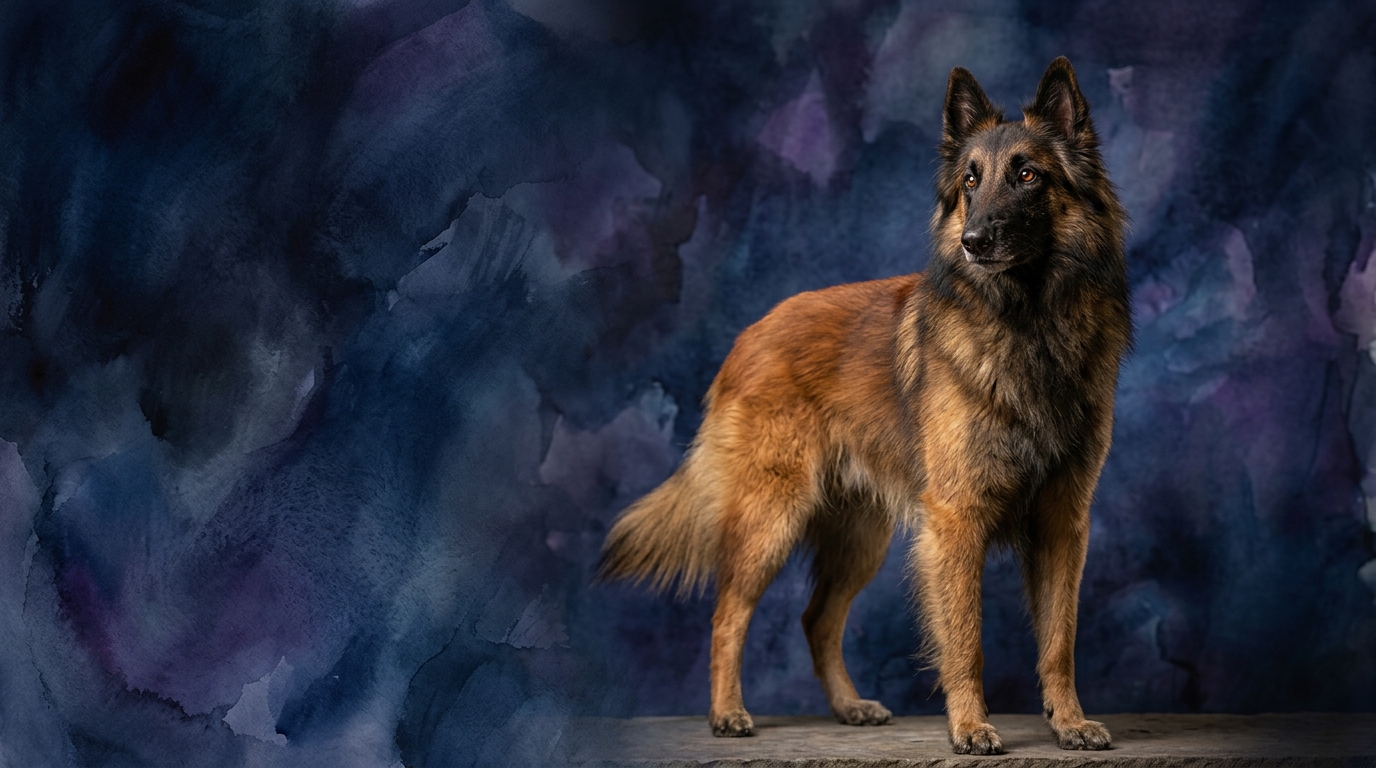
The Belgian Tervuren, a member of the Herding group, presents a cognitive profile optimized for complex tasks and extensive learning. Its problem-solving ability is exceptional at 5/5, indicating a profound capacity to navigate intricate scenarios and adapt to novel challenges with strategic thought. Training speed mirrors this at 5/5, meaning new commands and routines are absorbed with remarkable efficiency and few repetitions. Memory is also rated 5/5, allowing for outstanding retention of learned behaviors, experiences, and complex sequences, which is critical for their traditional working roles. Social intelligence and instinctive drive are both rated 3/5, suggesting a moderate ability to interpret human cues and a focused drive often channeled into purposeful activity rather than broad-spectrum social engagement or unfocused instinctual expression.
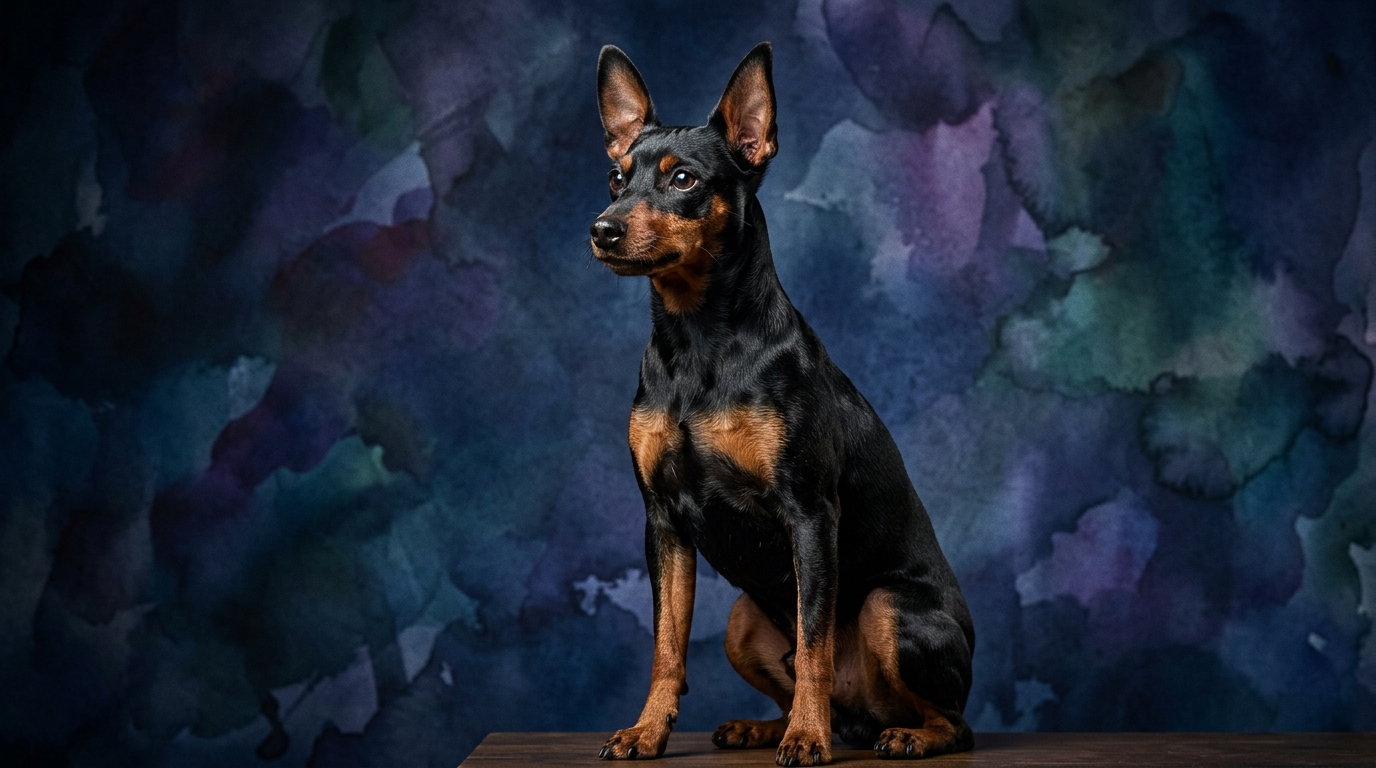
In contrast, the Miniature Pinscher, a member of the Toy group, displays a balanced and competent cognitive makeup across the board. Its problem-solving ability stands at 3/5, indicating it can handle common challenges effectively but may not independently devise solutions for highly abstract or multi-layered puzzles. Training speed is also 3/5, meaning this breed learns new commands at a steady, moderate pace, requiring consistent reinforcement rather than rapid-fire instruction. Memory is rated 3/5, sufficient for retaining essential routines and commands but not on the scale of the Tervuren's extensive recall. Social intelligence and instinctive drive are both rated 3/5, suggesting a moderate capacity for understanding human social signals and an innate drive often expressed through vigilance, assertive communication, and independent exploration, rather than a strong predisposition for complex cooperative tasks.
Where the Belgian Tervuren Wins Cognitively
The Belgian Tervuren's cognitive strengths are undeniably rooted in its history as a sophisticated herding dog, demanding a mind capable of intricate operations. Its 5/5 rating in problem-solving means these dogs aren't just following orders; they are actively interpreting situations, predicting outcomes, and making decisions in dynamic environments, whether it's guiding livestock or navigating an agility course. This cognitive agility allows them to excel in tasks that require critical thinking, such as discriminating between complex cues or adapting a learned behavior to a slightly altered context without explicit re-training.
Coupled with this superior problem-solving is an exceptional 5/5 training speed and a 5/5 memory. This trifecta creates a canine learner par excellence. New commands are not merely memorized but integrated into a broader understanding of expectations, often after just a few repetitions. Their robust memory ensures that these complex skills and vast vocabularies are retained over long periods, allowing for continuous skill-building and the tackling of increasingly difficult challenges. For owners engaged in advanced obedience, protection work, or competitive dog sports, the Tervuren's capacity for rapid, deep learning and long-term retention is a significant advantage, enabling them to reach high levels of proficiency in a multitude of disciplines.
Where the Miniature Pinscher's Cognitive Profile Shines
While the Miniature Pinscher’s IQ profile shows moderate scores across the board, its specific blend of cognitive traits offers unique advantages, particularly for certain lifestyles and roles. The Min Pin's consistent 3/5 ratings in problem-solving, training speed, and memory speak to a well-rounded, practical intelligence that prioritizes immediate environmental awareness and self-preservation over complex, multi-layered tasks. Their cognitive strengths are less about intricate strategizing and more about alert, independent observation and quick reactions.
Their moderate instinctive drive, combined with a balanced social intelligence, manifests as a vigilant and assertive nature. Miniature Pinschers are astute observers of their surroundings, quickly assessing potential threats or changes. This contributes to their reputation as excellent watchdogs, where their cognitive processing allows them to interpret subtle shifts in their environment and react with appropriate vocalizations or assertive body language. While they may not learn a 20-step obedience routine as quickly as a Tervuren, their cognitive makeup allows them to effectively navigate their immediate world, remember who belongs and who doesn't, and act as a spirited, self-sufficient companion who is always tuned into their family's well-being.
Training Dynamics: Tervuren's Eagerness vs. Min Pin's Independence
When assessing ease of training, the Belgian Tervuren clearly holds an advantage due to its exceptional cognitive attributes. With a training speed of 5/5, these dogs grasp new concepts and commands with remarkable swiftness, often requiring only a handful of repetitions to solidify a behavior. Their 5/5 memory ensures that once learned, these commands are retained reliably, building a robust foundation for more advanced skills. Furthermore, their 5/5 problem-solving ability means they are not just rote learners; they understand the 'why' behind tasks and can apply principles to new situations, making them highly adaptable and cooperative partners in training. Their herding heritage instilled a strong desire to work and respond to direction, making them inherently motivated to engage in structured learning.
In contrast, the Miniature Pinscher, with its 3/5 training speed, requires a more patient and consistent approach. While certainly trainable, they may take more repetitions to master a new command, and their retention (3/5 memory) requires regular refreshers. The primary behavioral difference lies in their inherent motivation and independence. Tervurens typically thrive on structured tasks and pleasing their handler, viewing training as a collaborative effort. Miniature Pinschers, on the other hand, possess a more independent and spirited personality; they often need stronger, more engaging motivators and a clear understanding of what's in it for them. Trainers must be creative and persistent, appealing to the Min Pin's desire for play or treats, and managing their tendency to be easily distracted or to assert their own will. This isn't to say they are untrainable, but their cognitive profile necessitates a different training methodology, one that emphasizes consistency, positive reinforcement, and making the learning process highly rewarding to overcome their innate independence.
Matching Breeds to Owner Lifestyles: Active vs. Relaxed
The divergence in cognitive profiles between the Belgian Tervuren and the Miniature Pinscher creates a distinct suitability for different owner lifestyles. The Belgian Tervuren, with its 5/5 problem-solving, training speed, and memory, thrives with active owners who are prepared to provide extensive mental and physical engagement. These dogs require a 'job' to do, whether it's advanced obedience, competitive dog sports like agility or protection work, or even complex scent detection tasks. Their minds are constantly seeking stimulation, and without sufficient intellectual challenge, they can become bored, leading to undesirable behaviors such as excessive barking or destructive tendencies. An active owner for a Tervuren is one who enjoys structured training sessions, consistent skill-building, and participating in activities that allow the dog to utilize its full cognitive potential, channeling its energy and drive into productive outlets.
Conversely, the Miniature Pinscher, with its balanced 3/5 ratings across all cognitive dimensions, is a more suitable companion for owners who lead a moderately active to relaxed lifestyle. While they still require regular exercise and mental stimulation to prevent boredom and maintain well-being, their needs are not as intensely demanding as those of a Tervuren. A relaxed owner can provide a Min Pin with daily walks, interactive toys, and consistent foundational obedience training without needing to embark on a highly structured, competitive training regimen. Their intelligence is practical and alert, making them excellent watchdogs and lively companions who are content with being part of the family's daily routines, rather than requiring constant, complex intellectual challenges. They are still spirited and curious, but their cognitive demands are more easily met within the context of a typical companion dog role.
The Verdict
Choose a Belgian Tervuren if you are an active, dedicated owner seeking a highly capable canine partner for advanced training, dog sports, or a working role, prepared to consistently challenge its exceptional intellect and drive.
Opt for a Miniature Pinscher if you desire a spirited, vigilant, and moderately independent companion who thrives on consistent foundational training and enjoys being an alert, integral part of a moderately active household.
🧠 Find Your Pet's IQ Score
Our Pet IQ Lab assessment covers 25+ tests across 5 cognitive dimensions — personalized to your breed.
Take the Full IQ Test →Frequently Asked Questions
How does the Tervuren's herding background influence its intelligence profile?
Its herding heritage directly shapes its exceptional problem-solving and memory, as these skills are vital for managing livestock and adapting to dynamic situations. This translates to a dog that thrives on learning complex sequences and executing multi-step tasks.
Can a Miniature Pinscher excel in dog sports despite its moderate IQ scores?
Yes, a Miniature Pinscher can certainly excel in certain dog sports, particularly those that leverage its agility and assertive personality, like agility or barn hunt. While their training speed may be moderate, consistent and positive reinforcement can achieve impressive results.
What are the primary challenges when training a Belgian Tervuren compared to a Miniature Pinscher?
Training a Tervuren often involves ensuring sufficient mental challenge to prevent boredom and channeling their intense drive productively, as they require a "job." Training a Min Pin, conversely, often focuses on consistent motivation and overcoming their independent streak to ensure compliance with commands.